It’s pretty easy to fall into habits that seem harmless but are actually wasting energy and hiking up your utility bills. What’s worse, these habits are so deeply ingrained in our daily routines that we rarely even notice them.
The good news is that with a little bit of awareness and some minor adjustments, you can turn things around. Let’s dive right in and look at some of these energy-wasting habits.
1. Leaving Electronics Plugged In When Not In Use
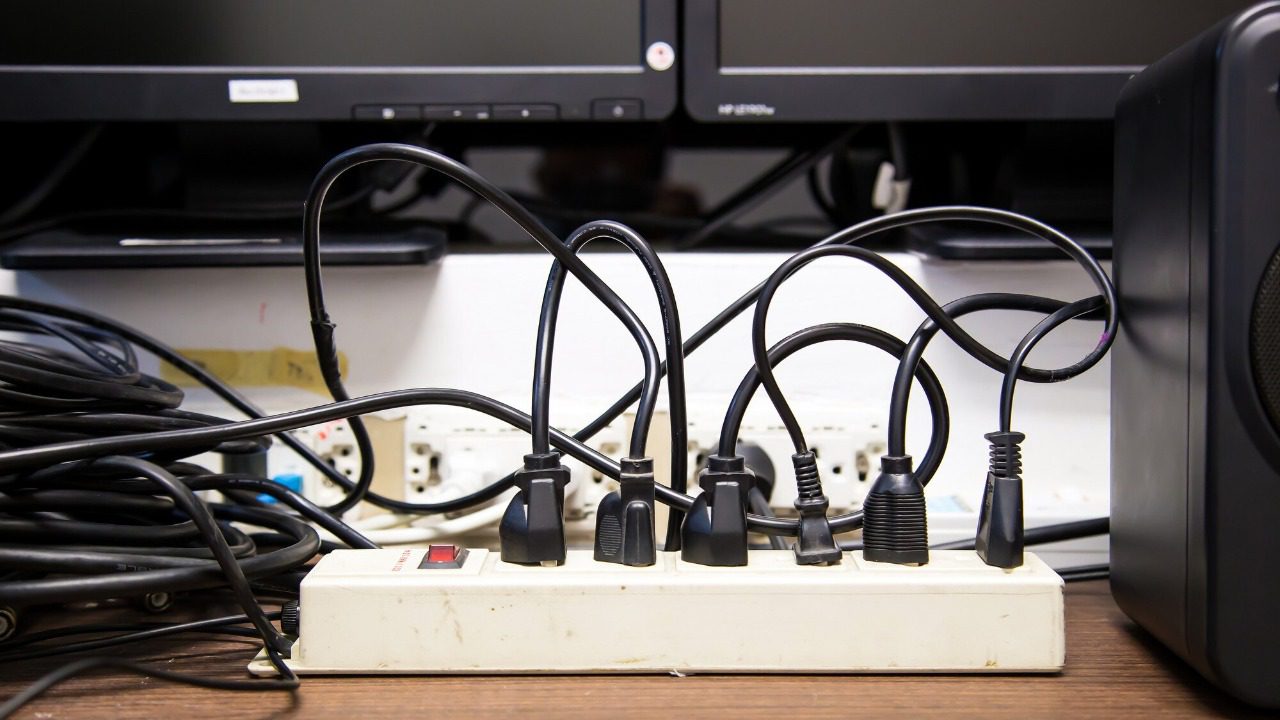
It’s a common habit to leave our electronics plugged in even when they’re not in use. This includes everything from phone chargers to laptops. The thing is, these devices still draw power even when they’re switched off, something known as ‘vampire power’. It’s estimated that this could increase your electricity bill by up to 10%.
Try to unplug your devices when they’re not in use. It might seem like a small thing, but it can add up to significant savings over time, not to mention that it’s better for the environment. Check out this study on the impact of vampire power if you want to learn more.
2. Overusing the Dishwasher for Small Loads

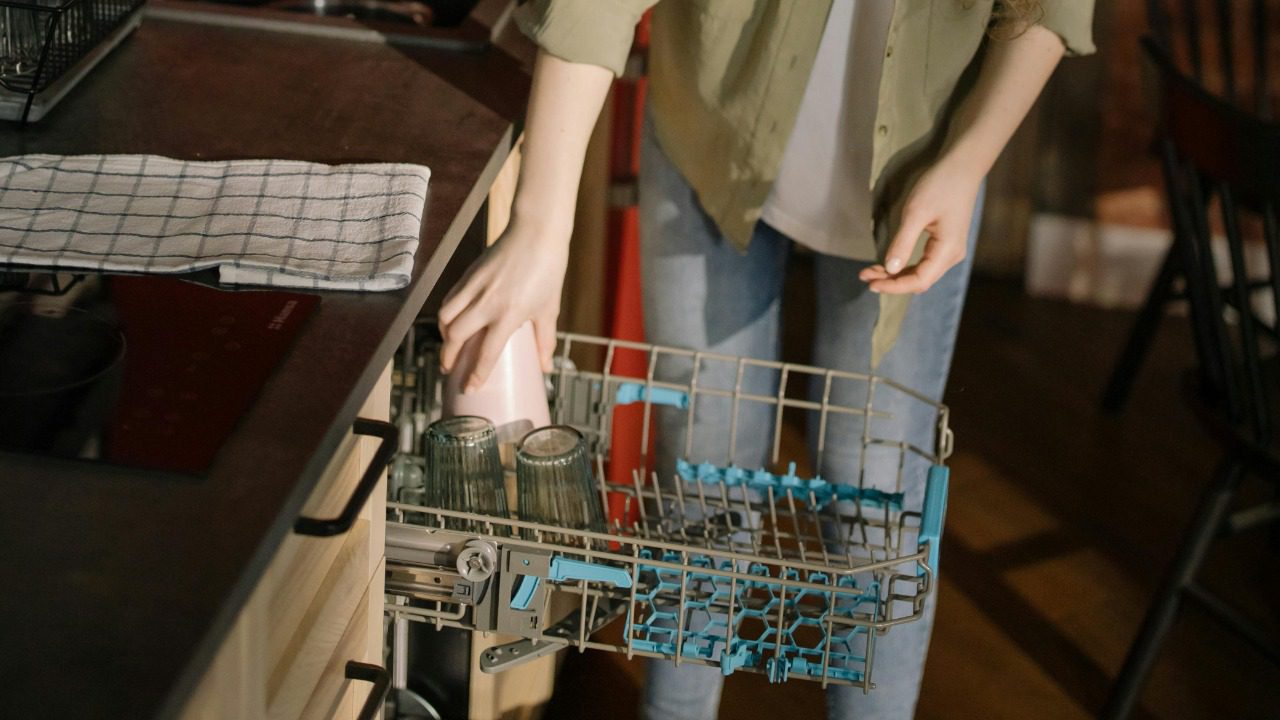
Running your dishwasher for just a few dishes is a major energy waster. Dishwashers use a surprising amount of energy and water, even for small loads. So, try to wait until you have a full load before you run it. This can help save both energy and water.
If you only have a few dishes, consider washing them by hand. Yes, I know it’s not as convenient, but it can really help reduce your energy consumption. Plus, it’s a great way to be more present and mindful in your daily life, as suggested in this article.
3. Maintaining a High Indoor Temperature in Winter

Keeping your home toasty warm during the winter months is certainly comfortable, but it can also be a major energy drain. The higher your thermostat, the harder your heating system has to work, which means more energy consumed.
Consider lowering your thermostat by a few degrees and layer up with warm clothing instead. You can also use energy-efficient space heaters to heat only the rooms you’re using. You’ll hardly notice the difference in comfort, but you’ll definitely notice the difference in your energy bills.
4. Neglecting to Seal and Insulate Your Home
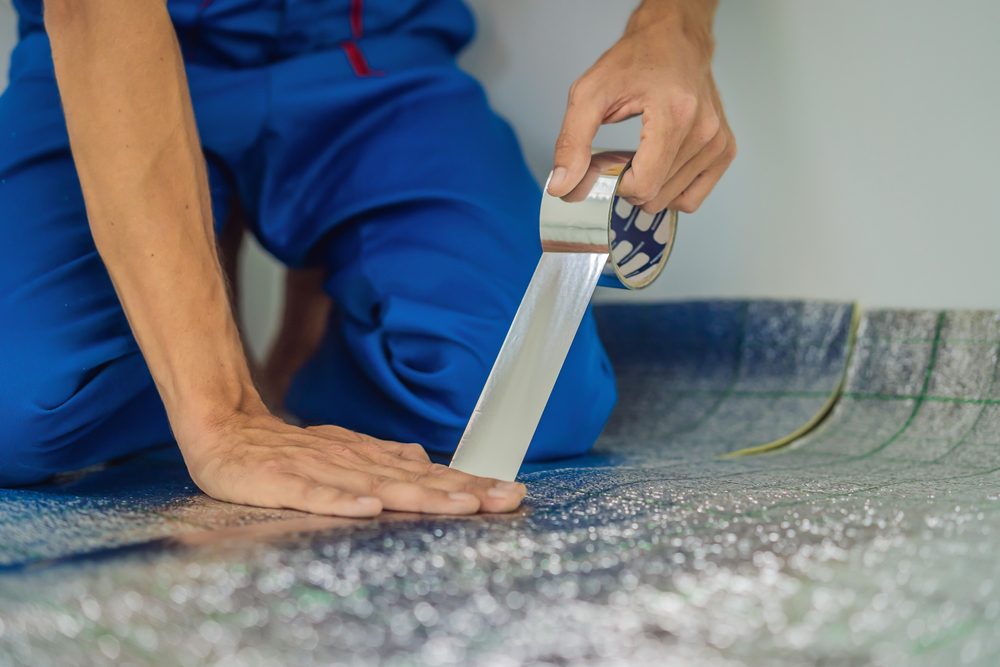
Did you know that up to 25% of your home’s heat can escape through small cracks and gaps? That’s a whole lot of wasted energy! So, it’s important to make sure your home is well-sealed and insulated.
Things to look out for include gaps around windows and doors, uninsulated attics, and drafty basements. Sealing these up can help keep your home warmer in the winter (and cooler in the summer), meaning your heating and cooling systems won’t have to work as hard.
5. Using Incandescent Light Bulbs Instead of LEDs

If you’re still using incandescent bulbs, it’s time to make the switch to LEDs. Incandescent bulbs use a lot more energy and don’t last nearly as long. Plus, they can contribute to excess heat in your home during the summer months, which can make your air conditioner work harder.
LEDs, on the other hand, are far more energy-efficient and last a lot longer. They might cost a bit more upfront, but they’ll save you money in the long run. Check out this book that details more about the benefits of LEDs.
6. Taking Long, Hot Showers
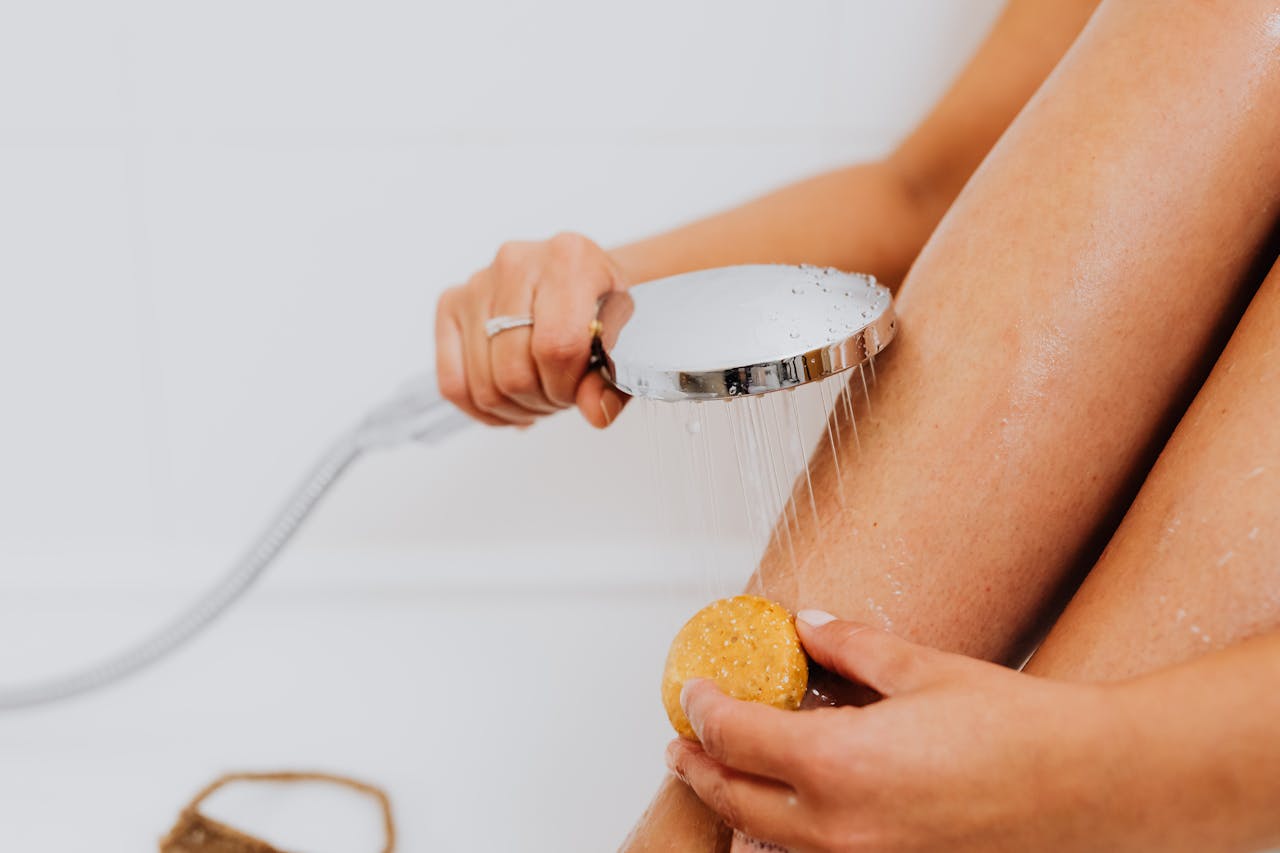
There’s nothing like a long, hot shower to relax after a hard day, but it’s also a big energy waster. The energy used to heat the water for your shower can account for up to 20% of your home’s total energy consumption.
Try to shorten your showers, and consider going for a slightly cooler temperature. You might not enjoy it as much, but your wallet (and the planet) will thank you.
7. Allowing Appliances to Stay in Standby Mode

Many modern appliances have a standby mode for convenience, but this can also waste energy. Appliances in standby mode aren’t off; they’re just asleep, and they’re still using power.
Try to get in the habit of fully turning off appliances when you’re not using them. This includes things like your TV, computer, and game console. It may seem like a small thing, but every little bit helps.
8. Overlooking the Efficiency of Your Fridge and Freezer
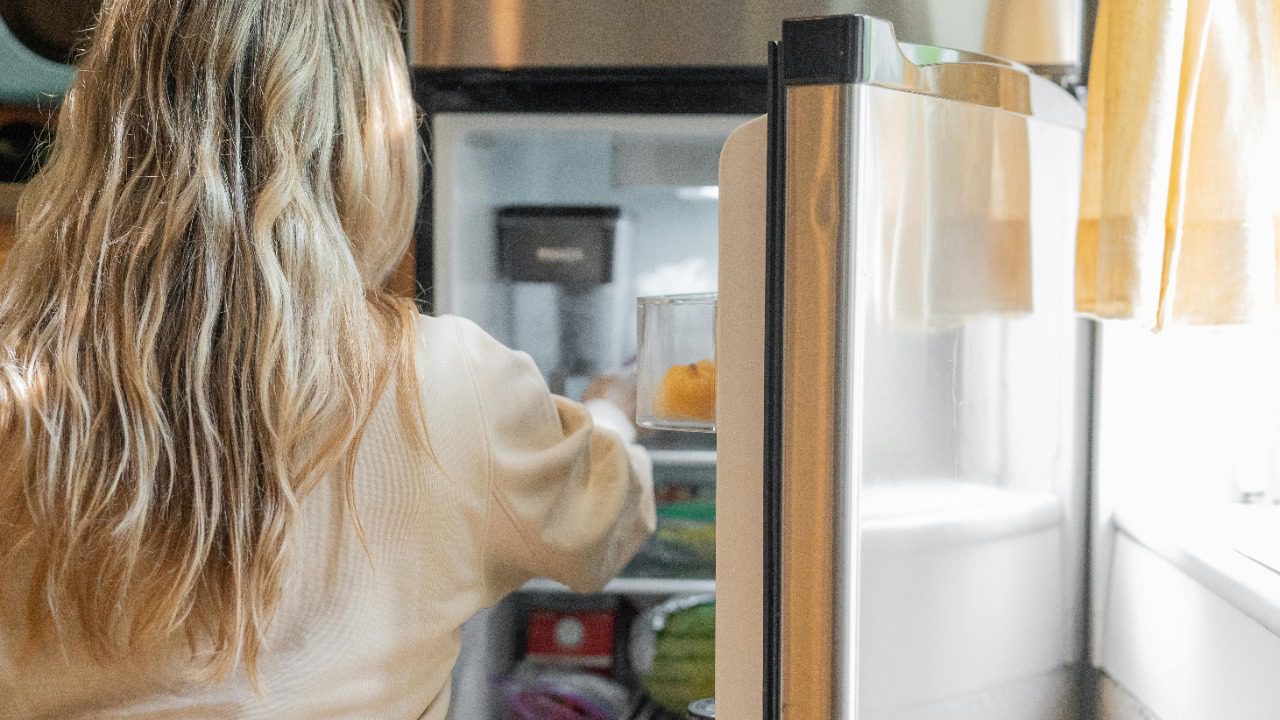
Did you know that your fridge and freezer can be one of the biggest energy hogs in your home? Older models, in particular, can be incredibly inefficient. And if your fridge or freezer isn’t full, it has to work harder to maintain its temperature, which uses more energy.
Try to keep your fridge and freezer at least three-quarters full, and consider upgrading to a more energy-efficient model if yours is older. Similarly, make sure the seals on the doors are in good shape, and try to limit how often you open the doors.
9. Doing Laundry with Hot Water
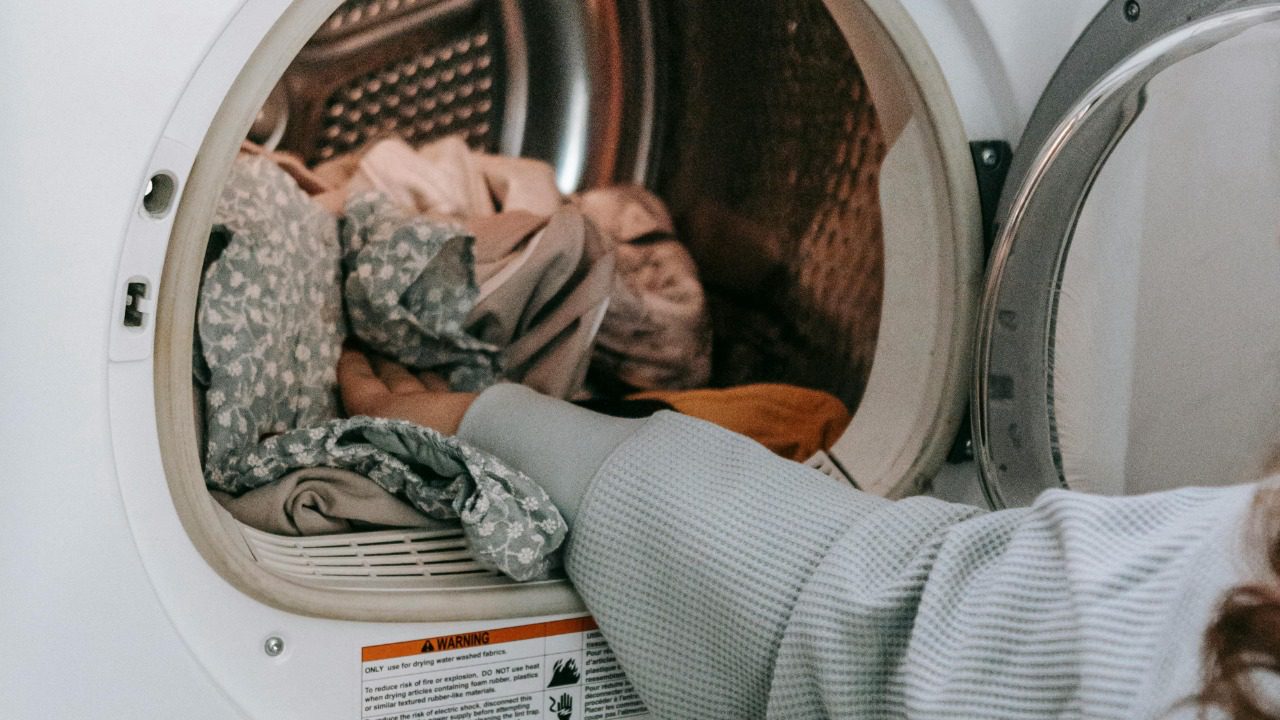
Washing your clothes in hot water can use a lot of energy because of the energy needed to heat the water. Most modern detergents work just as well in cold water, and many clothes can be cleaned just as effectively without the need for hot water.
Try to wash your clothes in cold water whenever possible. It’s a simple change that can make a big difference in your energy consumption. Plus, it can help your clothes last longer too.
10. Using the Clothes Dryer Instead of Air-Drying
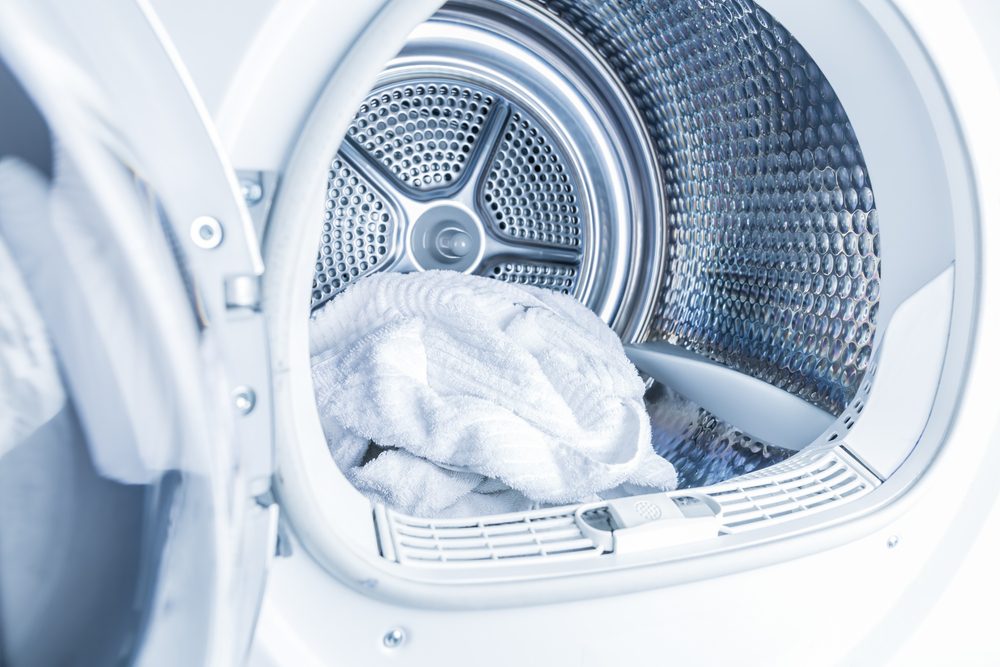
Clothes dryers are convenient, but they also use a lot of energy, especially if you’re using the high heat setting. Air-drying your clothes, on the other hand, uses no energy at all (except maybe a little of yours to hang them up).
Consider air-drying your clothes whenever you can. It’s not always practical, especially in humid climates or during the winter, but when you can do it, it’s a great way to save energy. Plus, it can help your clothes last longer too!
11. Keeping the Water Heater Set Too High

Many people have their water heater set higher than it needs to be. The higher your water heater’s temperature, the more energy it uses. Plus, a high temperature can be a safety risk, especially if you have young children.
Consider lowering your water heater’s temperature to around 120 degrees Fahrenheit. This is usually more than hot enough for showers and cleaning, and it can help save a lot of energy.
12. Wasting Energy with Old, Inefficient Appliances

Old, inefficient appliances can be a major energy drain. If you have appliances that are more than 10 years old, they’re likely not as energy-efficient as newer models. This can be particularly true for appliances like fridges, freezers, and washing machines.
Consider upgrading to more energy-efficient appliances if yours are older. Yes, it’s an investment, but it can save you money in the long run and it’s better for the environment. Here’s an interesting read on how modern appliances leverage technology to become more energy-efficient.