Your home should be a safe space, but it can also hide places that harbor harmful germs. Many common areas in your living space can become breeding grounds for bacteria without you even realizing it.
Knowing which spots in your home are the filthiest helps you focus your cleaning efforts to protect your health. By identifying these areas, you can reduce the risk of illness and create a cleaner environment for you and your loved ones.
Pet Fur and Dander

Pet fur and dander can build up quickly in your home without you noticing. These tiny particles come from your pet’s skin, hair, and saliva.
If you have allergies or asthma, pet dander might trigger sneezing, itchy eyes, or even skin rashes. Regular cleaning and using HEPA filters can help reduce these allergens.
Brushing your pet often and washing their bedding can also lower the amount of loose fur and dander around your space.
Dirty Mattress

Your mattress can collect dust, pet dander, and pollen over time. These allergens get trapped inside and may trigger allergic reactions.
Bacteria and dust mites also thrive in dirty mattresses. They can cause skin irritation and breathing problems if not addressed.
Regular cleaning and using a mattress protector help keep your sleeping space healthier. This reduces the buildup of harmful particles and keeps you more comfortable.
Dusty Heating and Cooling Vents

You might not notice dust building up inside your heating and cooling vents. When dust collects there, it can get blown into the air your family breathes every day.
If your vents look dusty, chances are the inside of the ducts needs cleaning. Regularly cleaning or changing air filters helps keep dust from spreading through your home.
Keep in mind, some ducts contain delicate materials that need special care when cleaning. Always check your system’s type before deciding on a cleaning method.
Old Vacuum Cleaner Dust
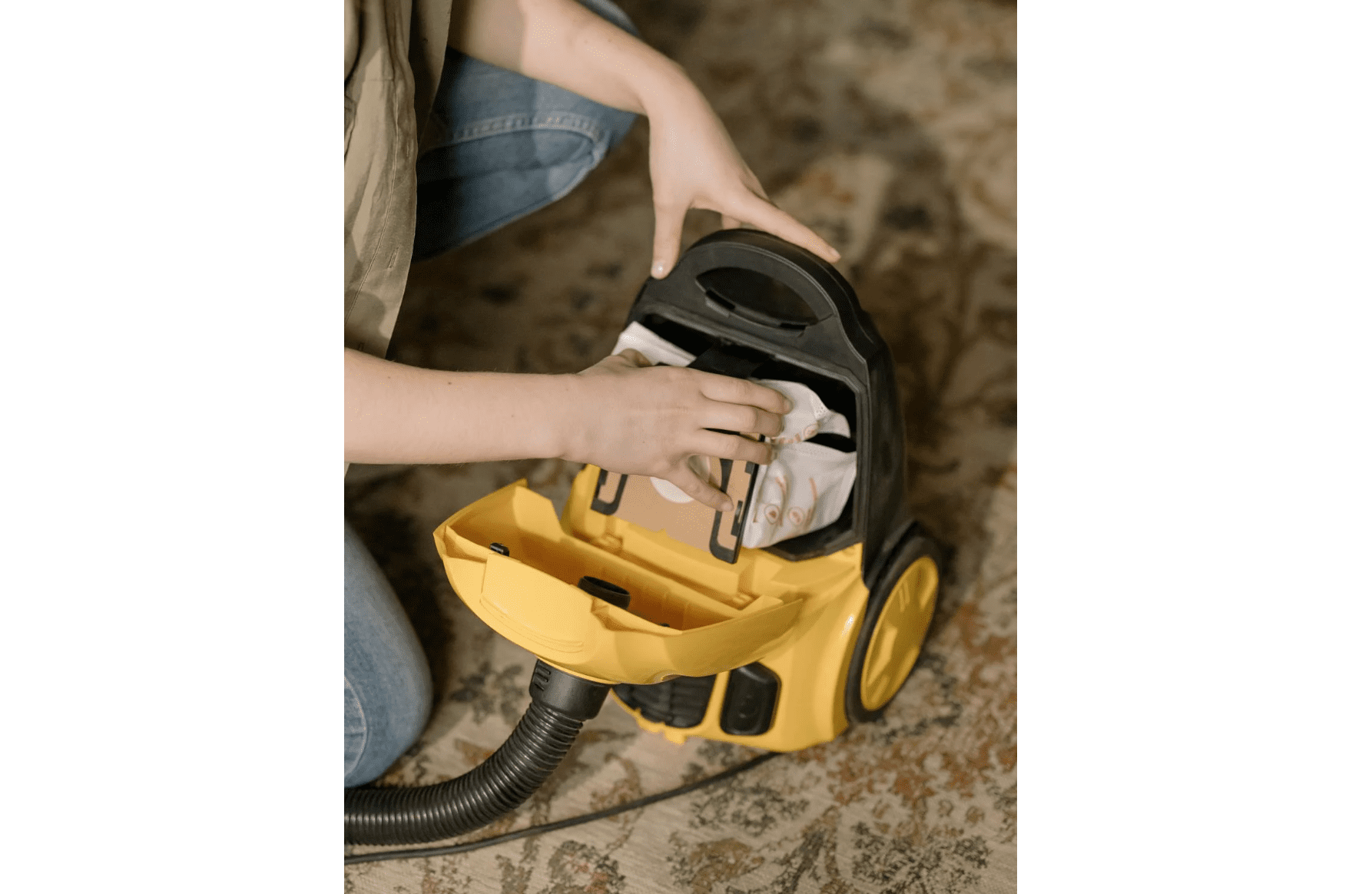
Your old vacuum cleaner can hold more than just dirt. Dust inside the bag or filter may contain bacteria and allergens.
When you vacuum, these particles can become airborne, affecting your indoor air quality. This can lead to allergies or respiratory irritation.
To keep your vacuum safe to use, clean and replace filters regularly. Disinfect parts that come into contact with heavy dirt or food spills.
Stinky Litter Boxes
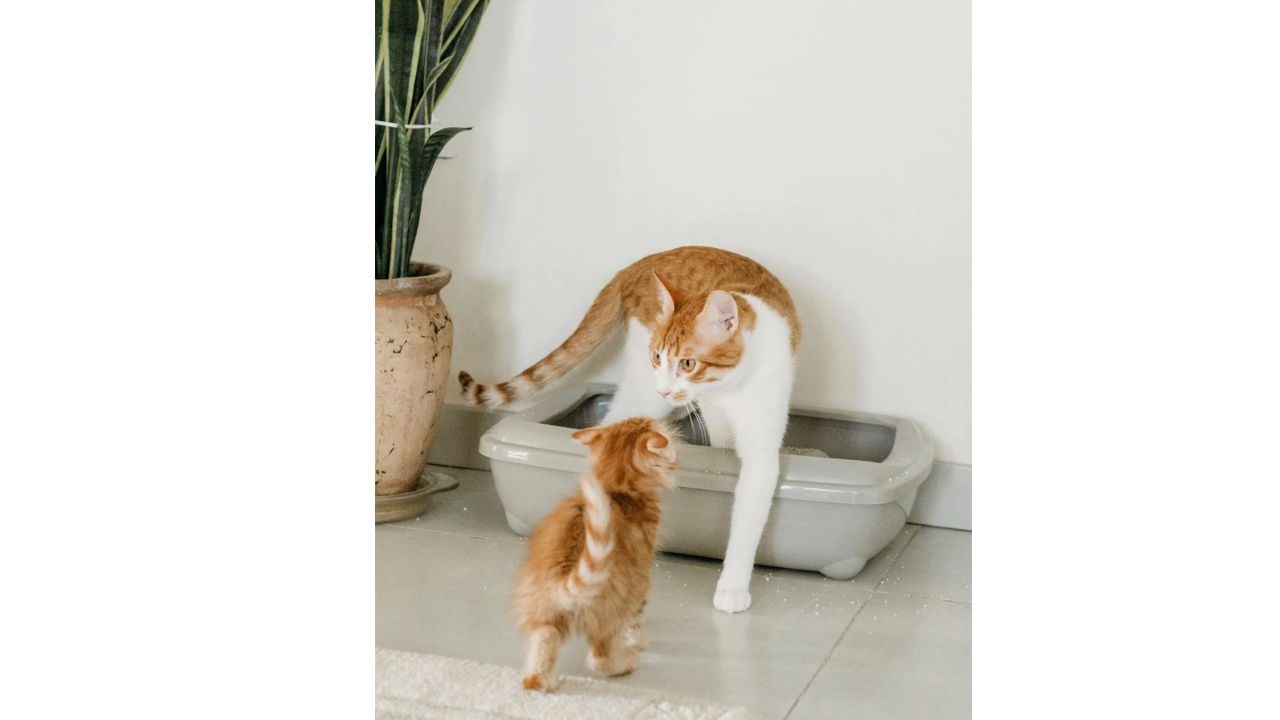
If you have cats, your litter box can quickly become a source of unpleasant odors. A dirty litter box can also harbor bacteria and parasites that might affect your health.
You could experience respiratory issues from ammonia buildup or even more serious infections if the box isn’t cleaned regularly. To keep things fresh, scoop daily and wash the box often with mild cleaner. Your nose and your cat will thank you!
Carpet Stains from Pet Urine

If you have pets, urine stains on your carpet can be a common problem. These stains aren’t just ugly; they can also harbor bacteria that might affect your health.
The ammonia in urine can irritate your lungs, causing breathing difficulties for you and your pets.
If the stain isn’t cleaned thoroughly, it can lead to mold growth, which can worsen allergies or asthma. Using the right cleaning products and testing them on a small area first helps keep your carpet and home safe.
Unwashed Bed Sheets

If you don’t wash your bed sheets regularly, dirt, bacteria, and dead skin can build up. This can clog your pores and cause skin irritation or breakouts.
Sleeping on dirty sheets may also worsen allergies or trigger asthma symptoms. Kids are especially vulnerable to these effects.
A sweaty, unwashed blanket or sheet can develop unpleasant odors and become a breeding ground for bacteria. Keeping your bedding clean helps you sleep healthier and more comfortably.
Cluttered Kitchen Counters

Your kitchen counters can quickly become a hotspot for germs if clutter builds up. Piles of dishes, mail, and random items create hidden spaces where bacteria thrive.
When your counters are crowded, it’s easier to overlook spills or crumbs that attract pests. Keeping counters clear helps you clean more effectively and reduces health risks.
Try to put away items promptly and wipe down surfaces regularly. A tidy counter is not only cleaner but also safer for you and your family.
Bathroom Mold and Mildew

You might find mold and mildew lurking in your bathroom, especially in damp spots like around the shower, sink, or toilet. These fungi thrive in moist environments, so it’s important to keep the area dry when you can.
Hanging your towel to dry properly and washing laundry promptly can help prevent mold from spreading. If you spot any black mold, it could be harmful, so clean it up quickly and consider testing if you’re concerned.
Dust on Ceiling Fans

Dust on ceiling fans can reduce your indoor air quality. When the fan spins, it spreads dust and allergens around your room.
If you don’t clean your fan regularly, dust builds up on the blades and can irritate your eyes and lungs.
Try dusting your ceiling fan at least once a week. Using a long-handled duster helps reach high fans safely and keeps your air fresher.
Greasy Stove Surfaces
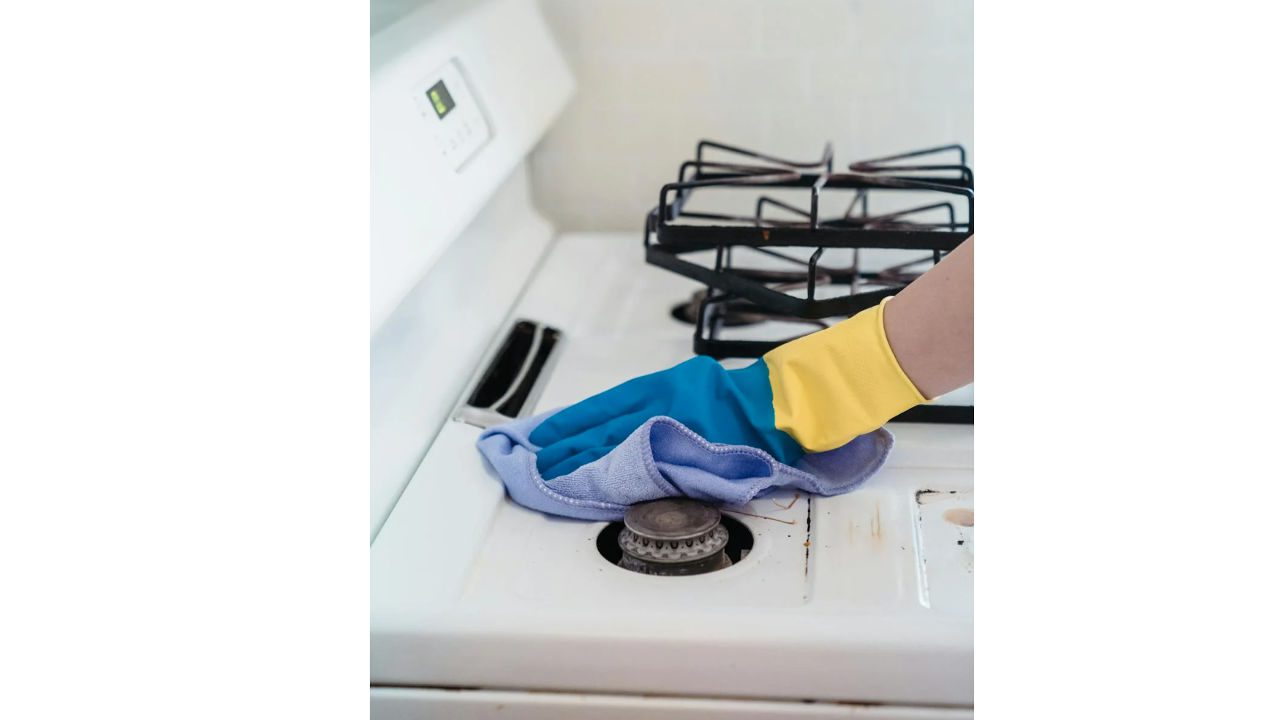
Your stove collects grease quickly, especially if you cook often. This grease can trap bacteria and create unpleasant smells in your kitchen.
To clean, use a cloth soaked in white vinegar or a mix of baking soda and lemon. These natural cleaners cut through grease effectively without harsh chemicals.
Regular cleaning helps prevent buildup and keeps your stove looking fresh. Don’t forget to wipe down the hood and knobs where grease also accumulates.
Uncleaned Refrigerator Shelves

Your refrigerator shelves can quickly become a hotspot for bacteria if not cleaned regularly. Spills, crumbs, and moisture create an environment where mold and germs can grow.
If you leave your shelves dirty, you risk cross-contamination between foods. This can lead to faster spoilage and potential health issues.
Wiping down shelves with warm soapy water and drying them thoroughly helps keep your fridge safe and fresh. Regular cleaning also prevents unpleasant odors from building up.