Not every food labeled “healthy” is good for your budget. Many products are marketed with buzzwords like organic, gluten-free, or superfood, but the benefits often don’t match the high price tag.
In fact, some of these so-called health foods can cost double or triple the price of everyday alternatives. Before you load up your cart, take a look at 12 popular “healthy” foods that are more likely to drain your wallet than improve your diet.
1. Quinoa
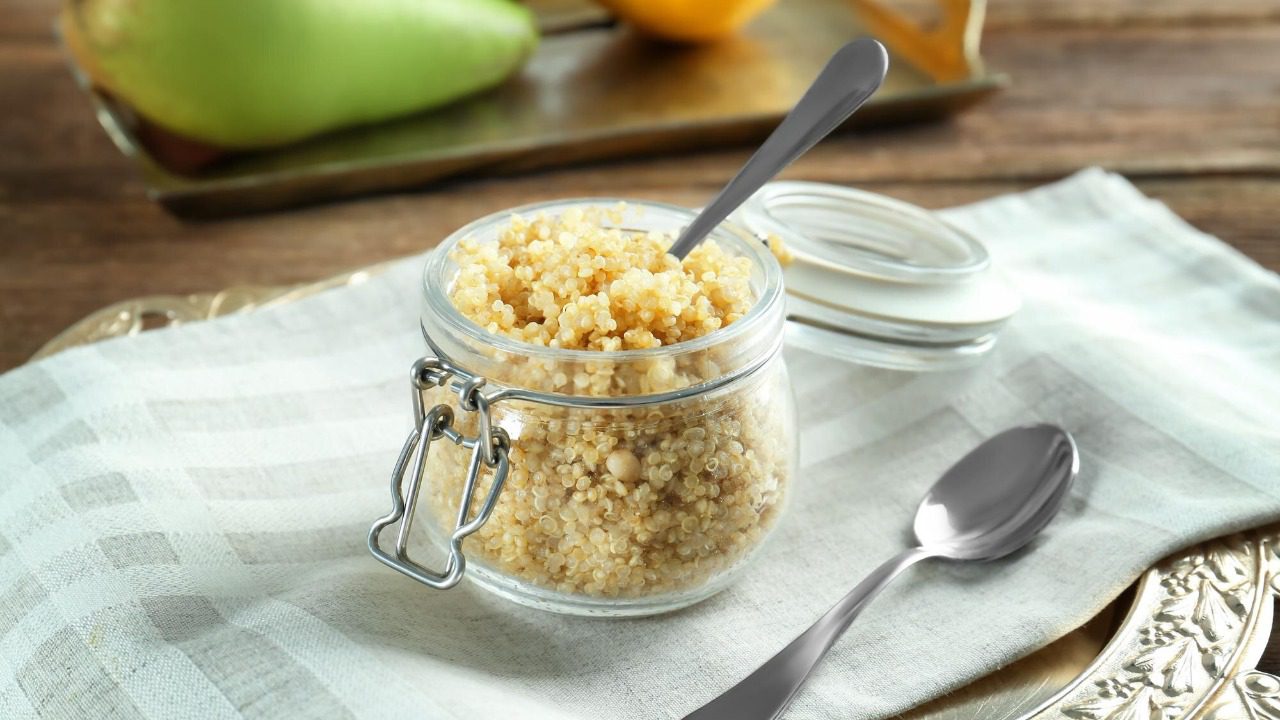
Quinoa, a South American grain, is praised for its high protein content and gluten-free qualities. But, these health benefits come at a steep price. It is often marketed as a super grain, which hikes up the price. Plus, demand has increased considerably, meaning suppliers can charge more. It’s a lot cheaper to stick with traditional grains like rice or pasta.
Also, consider the environmental impact. Growing quinoa requires significant water resources and its popularity has led to over-farming in some regions. So, not only are you paying more for quinoa, but you might also be contributing to environmental issues.
2. Fresh-Pressed Juice
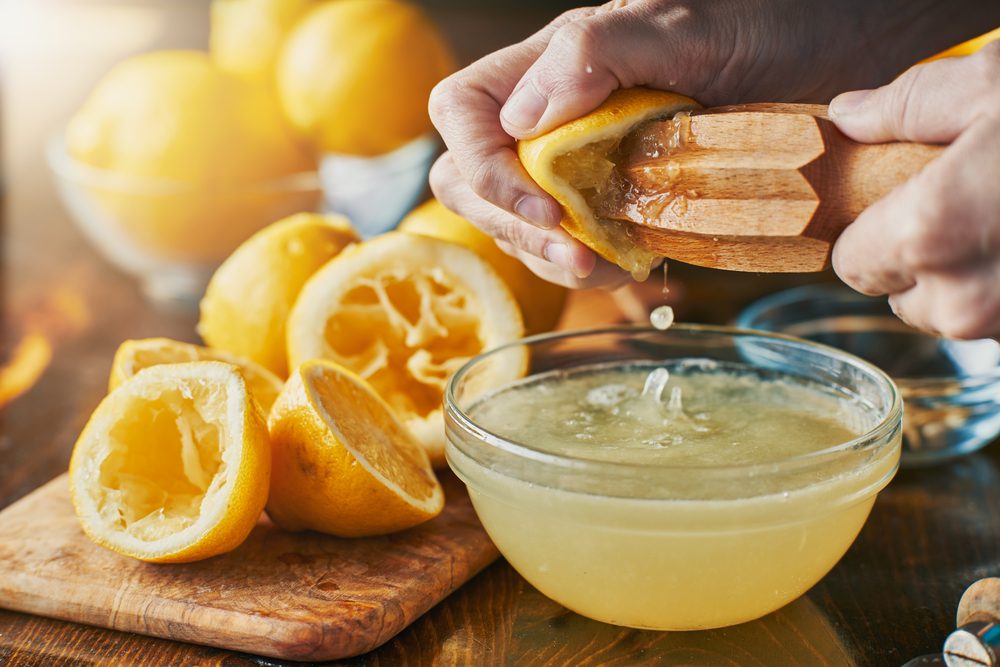
Fresh-pressed juice can be a refreshing and nutritious choice, but it’s also a costly one. A single bottle can cost as much as a meal at a restaurant. Why so expensive? The process of juicing requires a lot of produce, and the cost reflects that. And let’s not forget the cost of packaging and marketing.
Plus, juicing removes the fiber from fruits and veggies, which is an essential part of a healthy diet. You might be better off eating whole fruits and vegetables instead. They’re cheaper and more filling. Check out this comparison to see how much you could save.
3. Organic Fruits and Vegetables

Organic produce is another budget-drainer. While it’s true that organic fruits and vegetables are grown without synthetic pesticides, the price difference can be significant. You can expect to pay up to 50% more for organic produce compared to conventionally grown varieties.
Don’t get me wrong, organic farming has its benefits. But, if you’re on a tight budget, it might not be feasible to buy all organic. You could prioritize buying organic for certain items, like those on the “dirty dozen” list, which are known to have higher pesticide residues.
4. Gluten-Free Products

Gluten-free products are another health trend that’s become a regular on grocery store shelves. However, these products often come with a higher price tag. The reason? Gluten-free flours and other ingredients are more expensive than their gluten-containing counterparts. Plus, the process of making gluten-free foods often requires extra steps and ingredients, which adds to the cost.
Unless you have celiac disease or a gluten intolerance, you might not need to spend extra on gluten-free products. A study even suggests that gluten-free diets might not offer benefits for people without these conditions.
5. Vegan Cheese

Vegan cheese, made from nuts, soy, or other plant-based ingredients, can be a good option for those avoiding dairy. However, vegan cheese often costs more than regular cheese. The reasons include the higher cost of ingredients and the specialized process to make it.
While it’s great that there are more options for those on a vegan diet, you might want to consider whether vegan cheese is a necessity for you. There are many other ways to enjoy a plant-based diet without breaking the bank.
6. Exotic Superfruits
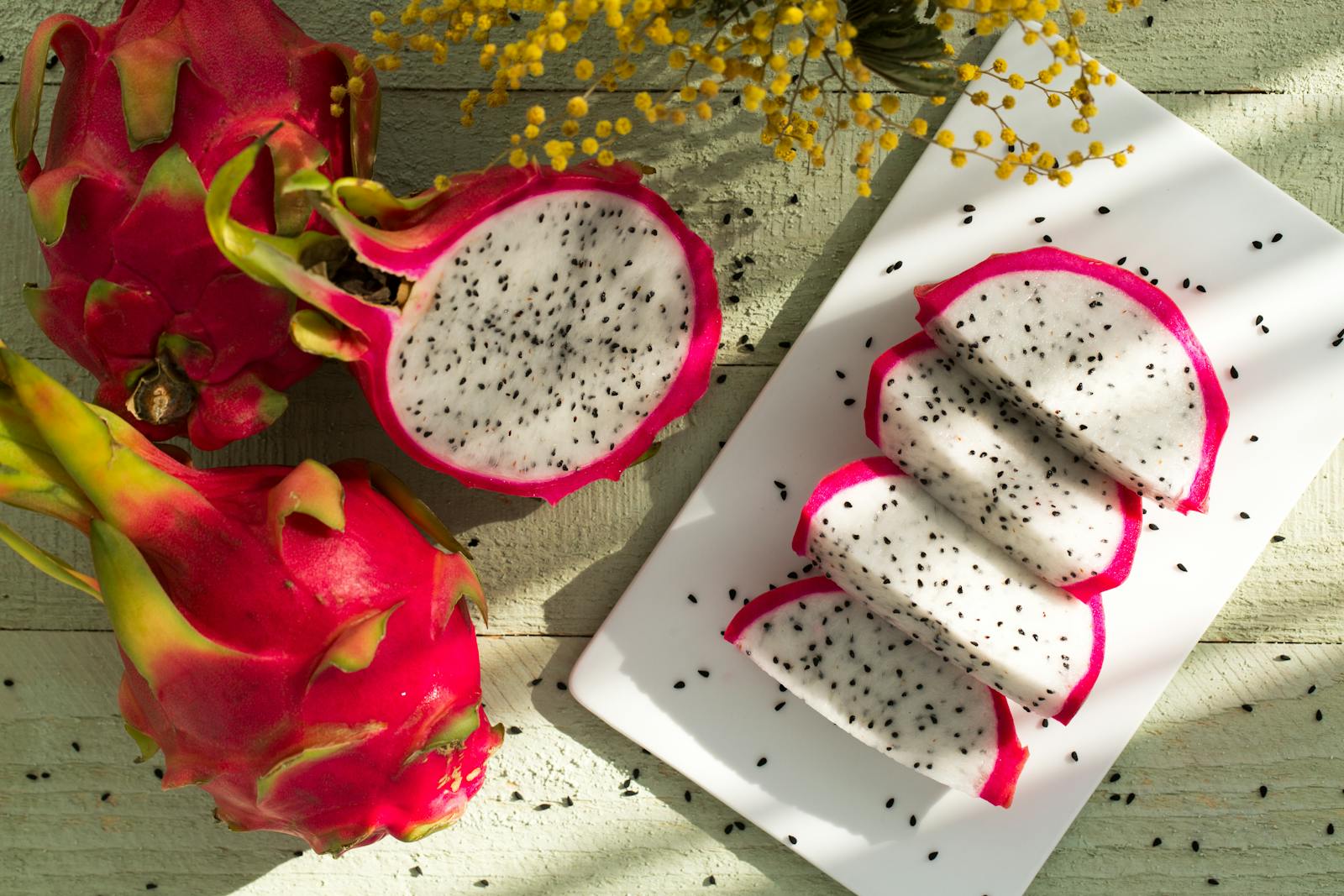
Superfruits like acai, goji berries, and dragonfruit are often touted for their health benefits. But these exotic fruits can be much more expensive than local fruits. The cost of importing and preserving these fruits can add up, and you end up paying for it.
Instead, consider focusing on local, seasonal fruits. They’re often cheaper and still packed with plenty of nutrients. Plus, you’ll be supporting local farmers and reducing your carbon footprint.
7. Pre-cut and Pre-packaged Produce
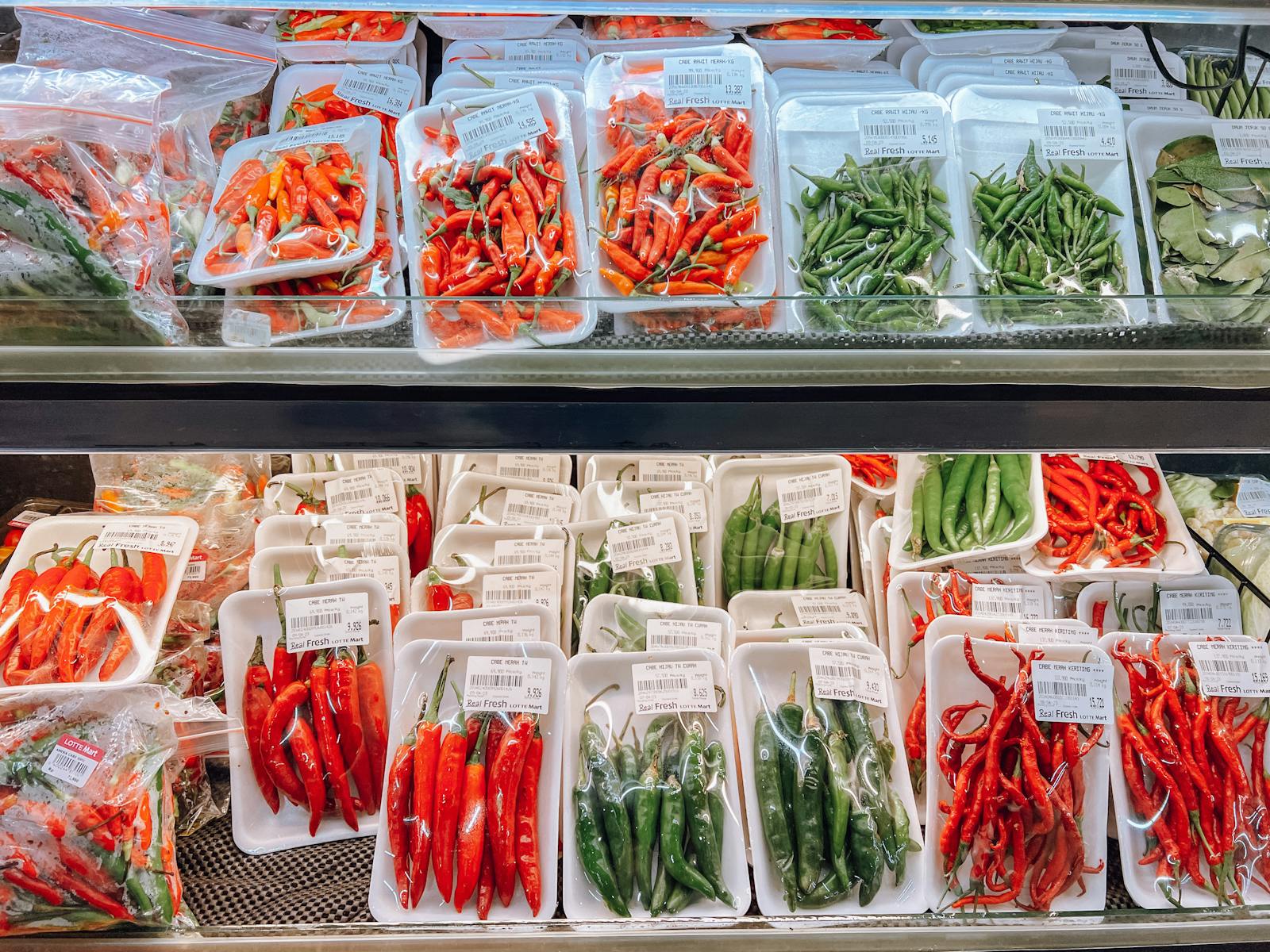
Pre-cut fruits and vegetables can be a time-saver, but you pay for that convenience. Pre-packaged produce can cost up to three times as much as whole fruits and veggies. Plus, they can lose nutrients faster than whole produce and often come with excess packaging.
If you’re looking to save money, buying whole produce and cutting it yourself can be a big help. Plus, it’s a good way to reduce waste.
8. Chia Seeds
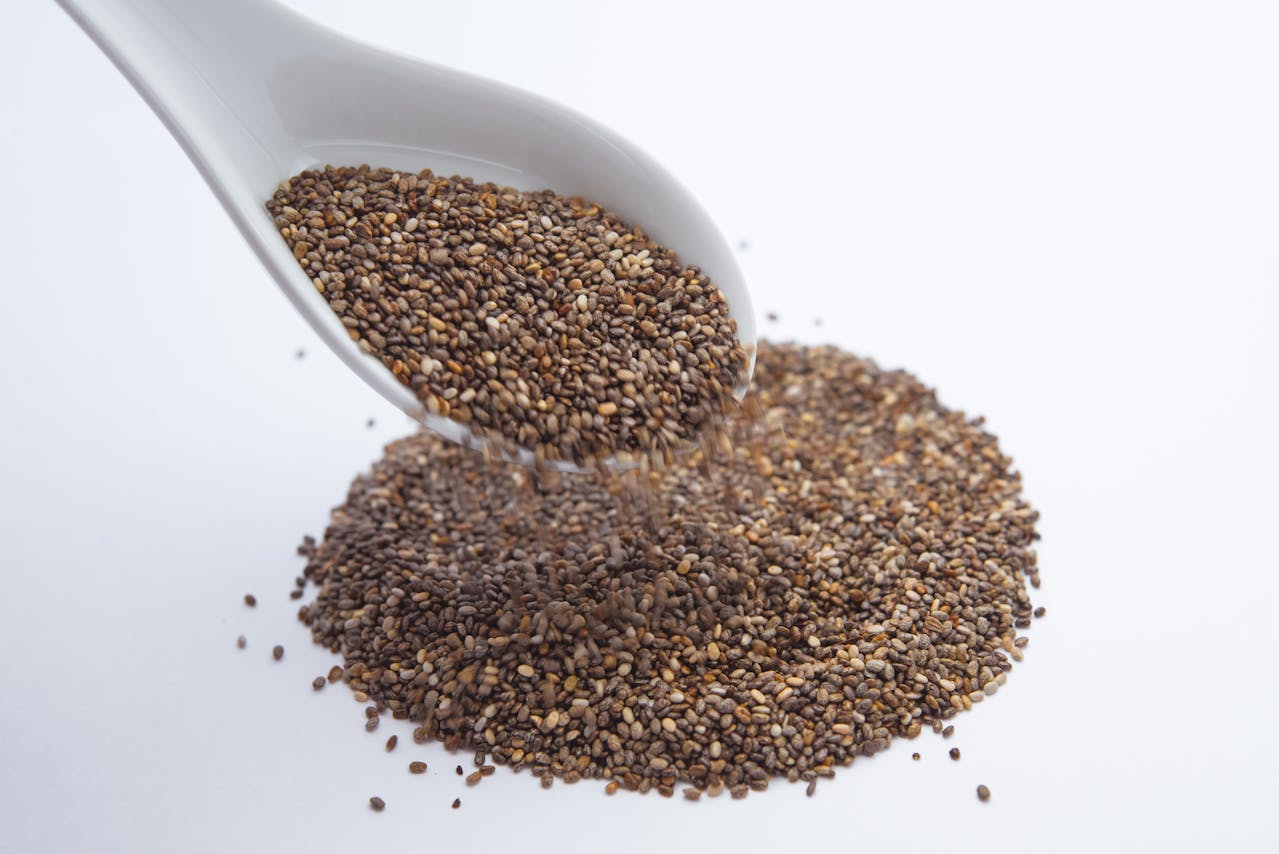
Chia seeds have become a popular health food, thanks to their high fiber and omega-3 content. However, these tiny seeds can be surprisingly expensive. A small bag can cost as much as a large bag of other seeds or nuts.
While chia seeds are nutritious, there are plenty of other, less expensive ways to get fiber and omega-3s. Flaxseeds, for example, are a great and more affordable alternative.
9. Acai Bowls
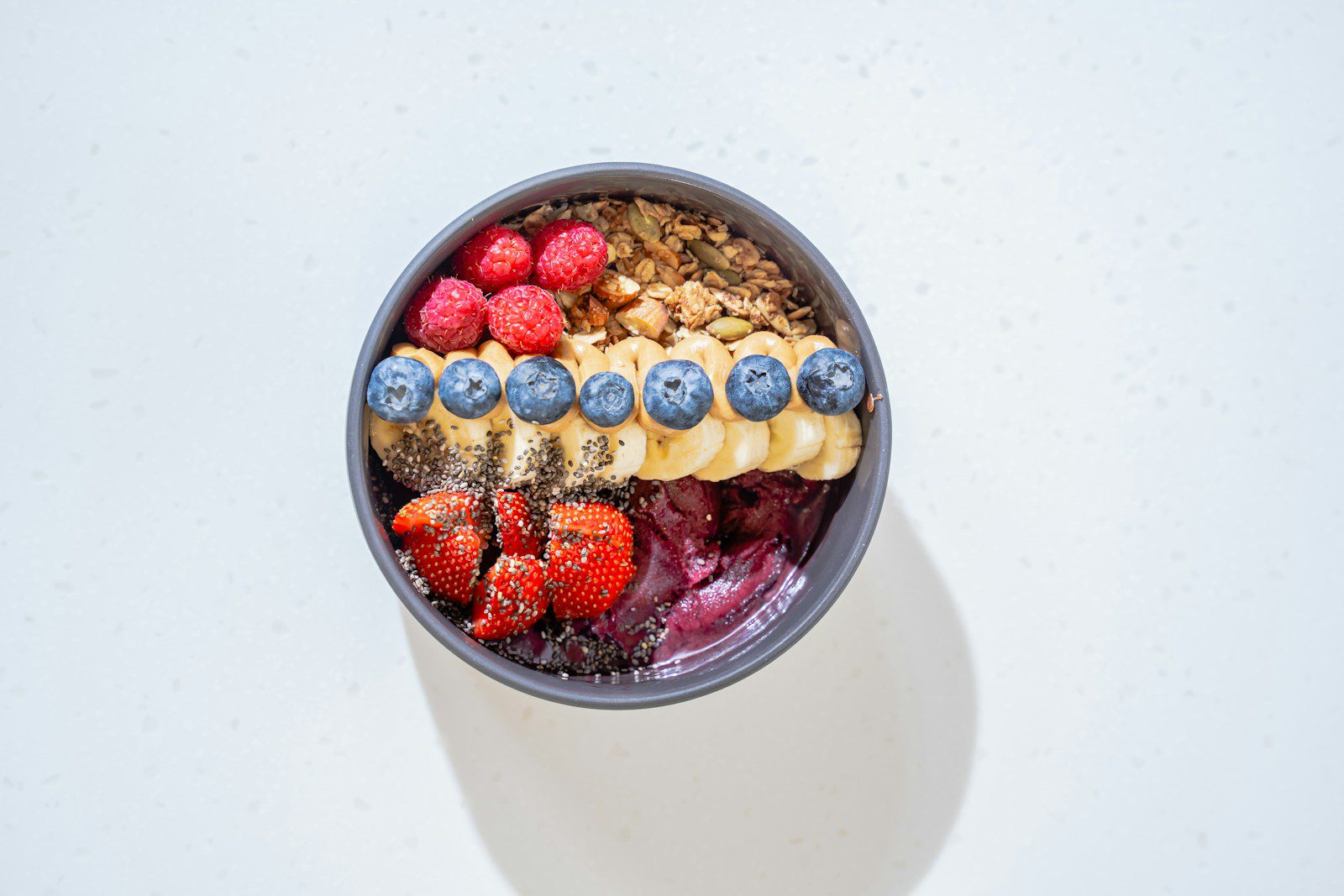
Acai bowls, made with the Brazilian acai berry, are a popular health food trend. They’re often topped with granola, fruit, and nuts. However, a single bowl can cost up to $10, making it an expensive choice for breakfast or a snack.
If you love acai bowls, consider making them at home to save money. You can buy frozen acai packs and add your own toppings. Plus, you can control the amount of added sugar, which can be high in store-bought bowls.
10. Almond Milk

Almond milk is a popular dairy-free alternative, but it’s also more expensive than regular milk. The process of making almond milk involves soaking and blending almonds, then straining out the solids. This process, along with the cost of almonds, contributes to the higher price.
If you’re not lactose intolerant or vegan, consider whether you really need almond milk. Regular milk provides more protein and is often fortified with vitamins and minerals.
11. Grass-Fed Beef
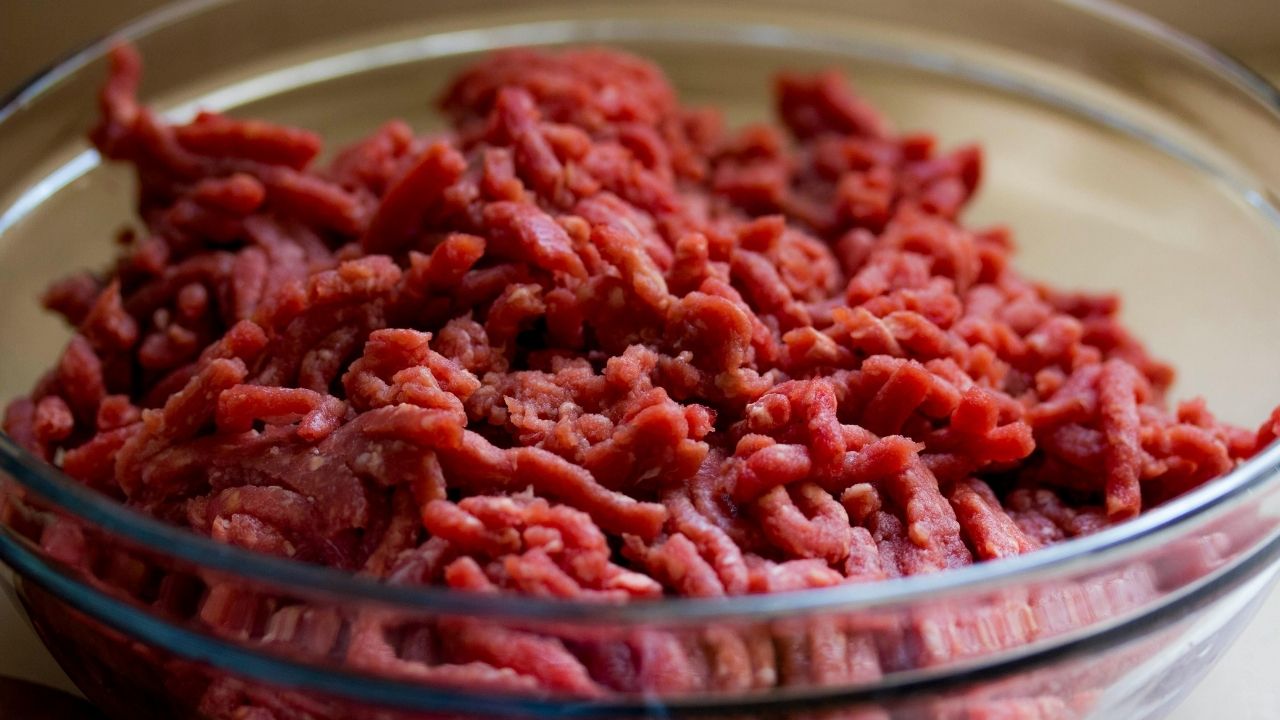
Grass-fed beef is often promoted as a healthier and more ethical choice than grain-fed beef. However, it’s also more expensive. This is due to the cost of raising grass-fed cattle, which requires more land and time compared to grain-fed cattle.
Unless you’re a big meat eater, consider whether the extra cost is worth it for you. There are plenty of other sources of protein that are less expensive and more environmentally friendly.
12. Kombucha
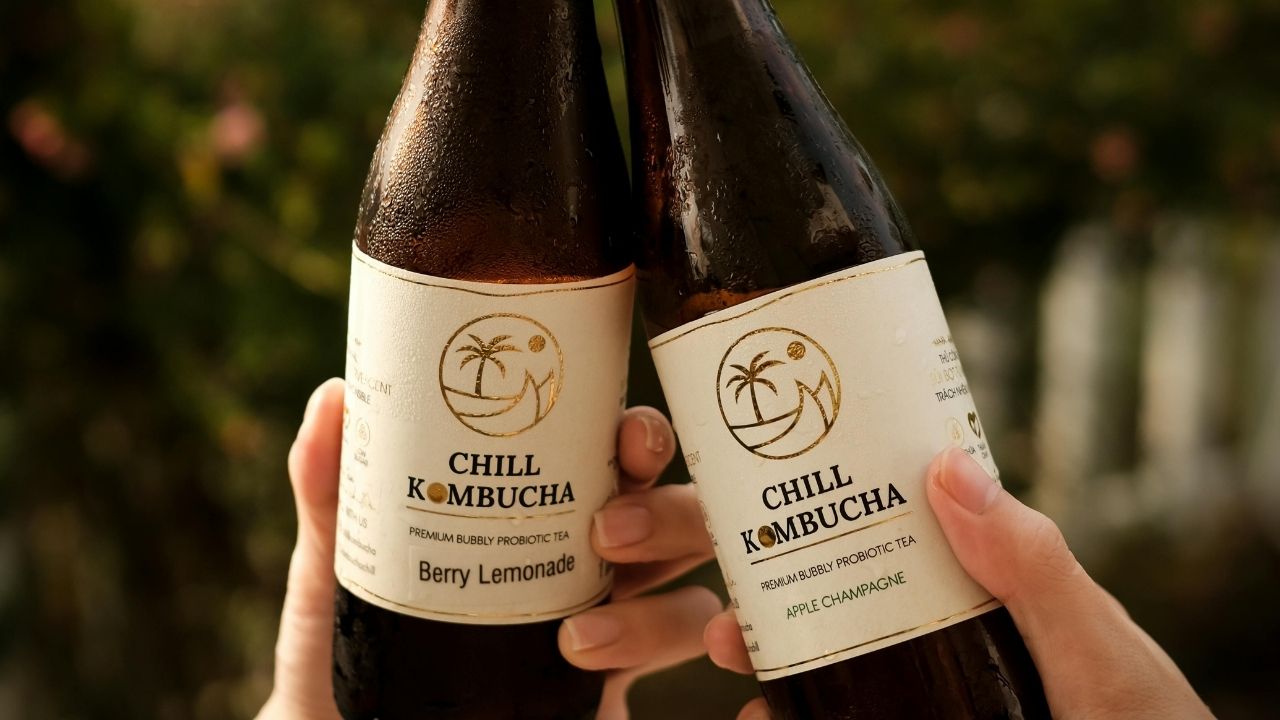
Kombucha, a fermented tea drink, is popular for its probiotic content. However, a single bottle can cost up to $5. The process of making kombucha involves fermenting tea with sugar and a SCOBY (symbiotic culture of bacteria and yeast), which takes time and careful monitoring.
If you’re a kombucha lover, consider brewing it at home. It’s much more affordable, and you can customize the flavors to your liking. This video shows you how.