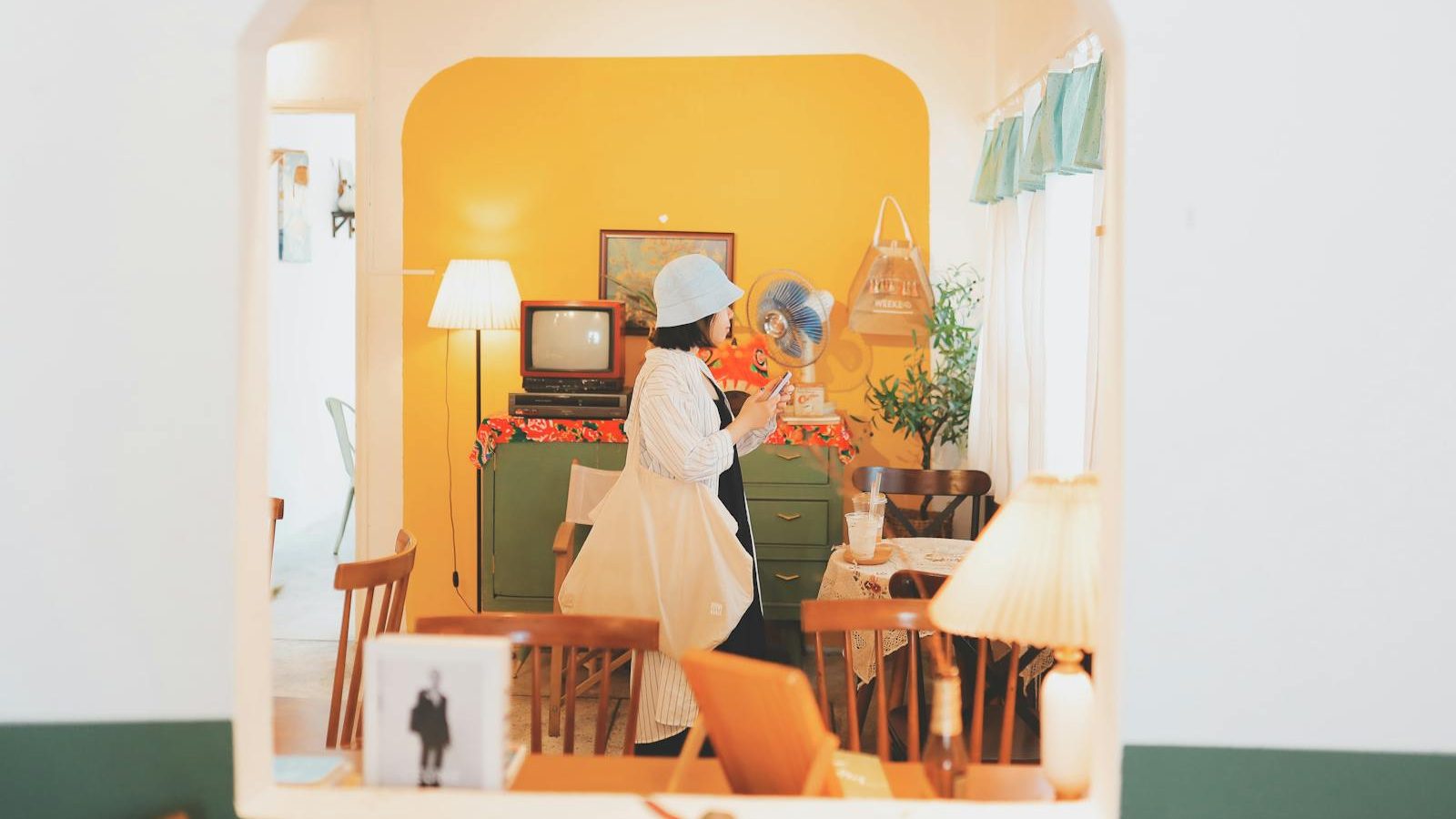
Home decor trends are always in flux, reflecting the changing tastes and values of each generation. The latest generation to enter the home buying market, Gen Z, is making waves with their unique design preferences. This demographic, born between 1997 and 2012, is reshaping the decorating world with their love for sustainability, bold colors, and tech-savvy spaces. Yet, their trends often confound older buyers who are accustomed to a different style ethos. Let’s take a deep dive into some of these Gen Z decor trends that are causing a bit of confusion among older generations.
1. The Rise of Eco-Friendly Furnishings

Gen Z is a generation that has grown up with a deep awareness of environmental issues. This consciousness extends to their decor choices as well, leading to the rise of eco-friendly furnishings. These are items made from recycled or sustainable materials, and often have a rustic, natural aesthetic that is a stark departure from the polished finishes older buyers might be used to. For instance, a coffee table made from reclaimed wood or a lampshade crafted from recycled metal might be a typical Gen Z choice.
Research by the Furniture Today supports this observation, stating that Gen Z and millennials are driving the demand for eco-friendly furniture.
2. The Minimalist Movement
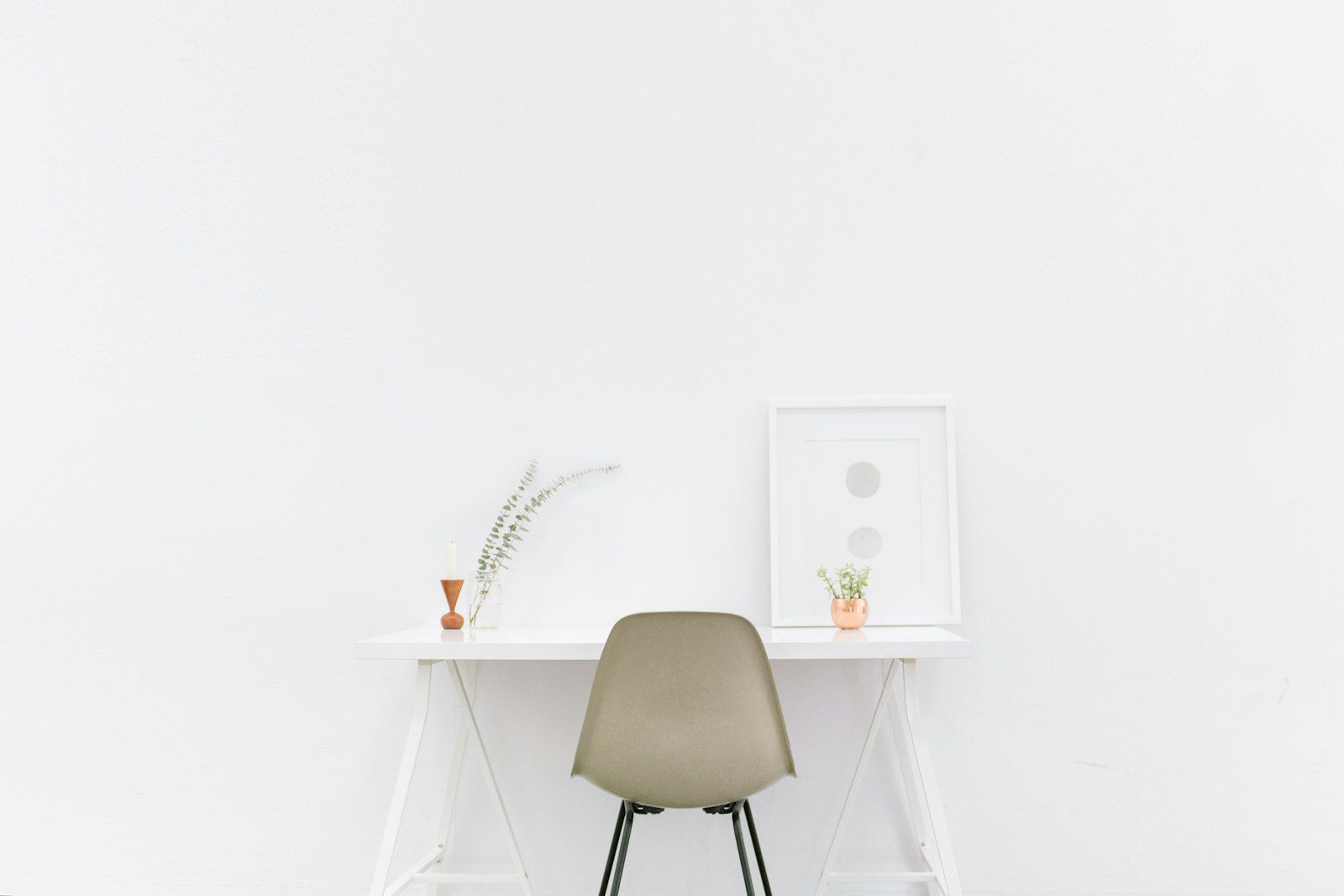
Gen Z also embraces the minimalist movement, which values simplicity and functionality over ostentatious displays of wealth. This trend manifests in sparse, clean lines, neutral colors, and a lack of clutter. While this design philosophy might seem stark and cold to older buyers, Gen Z finds beauty and tranquility in its simplicity. A minimalist Gen Z room might feature a single statement piece, such as a bold geometric rug or a sleek modern couch, with the rest of the decor understated to let that piece shine.
Notably, the minimalist trend also ties in with Gen Z’s environmental consciousness, as it encourages buying less and choosing quality over quantity.
3. Embracing Maximalist Patterns and Colors
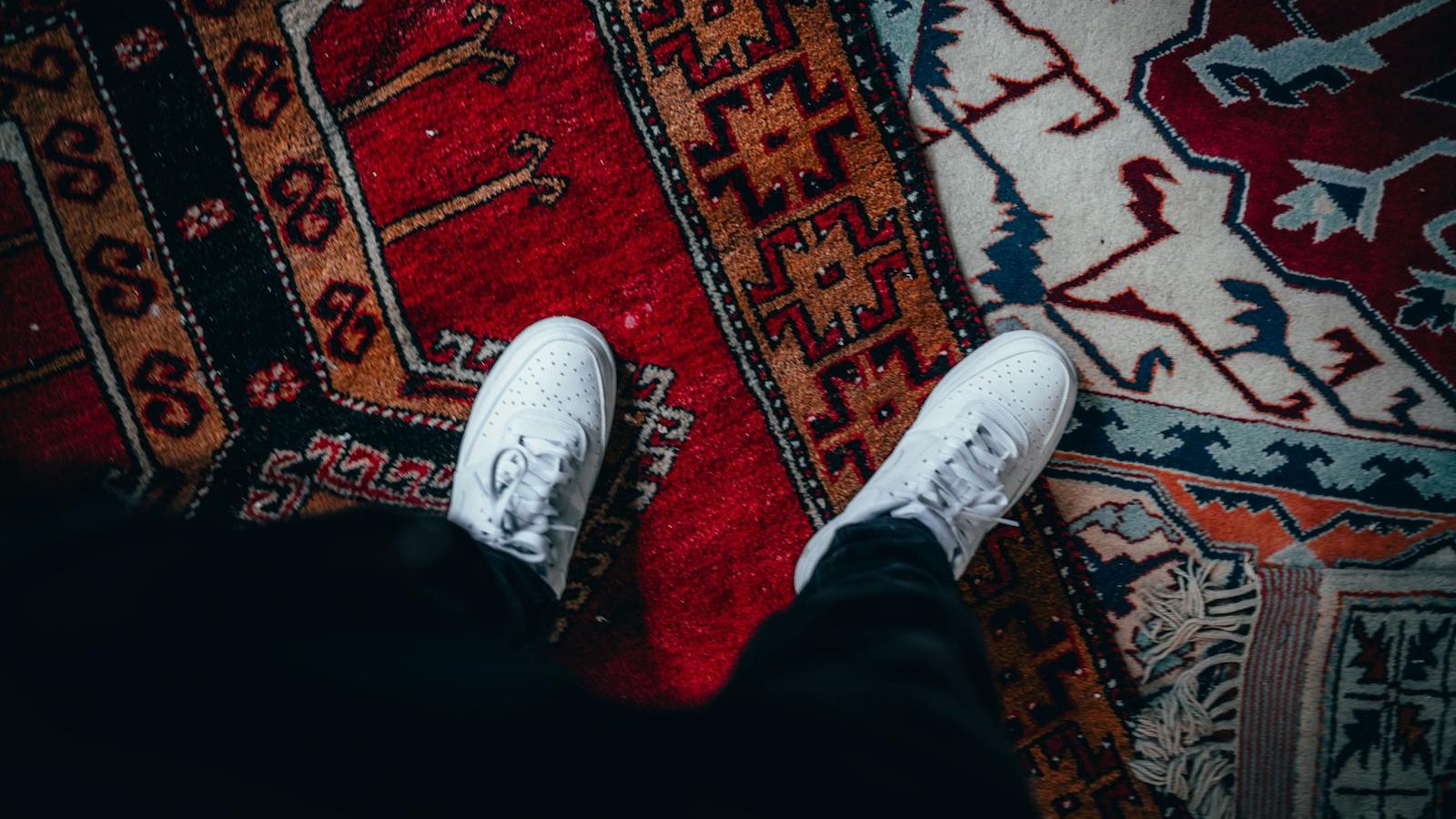
While Gen Z love their minimalism, they aren’t afraid to embrace the other end of the spectrum either. Bold, maximalist patterns and colors are also a firm favorite among this generation. Whether it’s a vibrant geometric wallpaper or a bright, patterned rug, Gen Z isn’t shy about making a statement. These daring choices can baffle older buyers who are accustomed to more subdued hues and prints.
You can see an example of this trend in this list compiled by AOL, highlighting some of Gen Z’s most loved – and overdone – design trends.
4. The Return of Retro and Vintage Styles
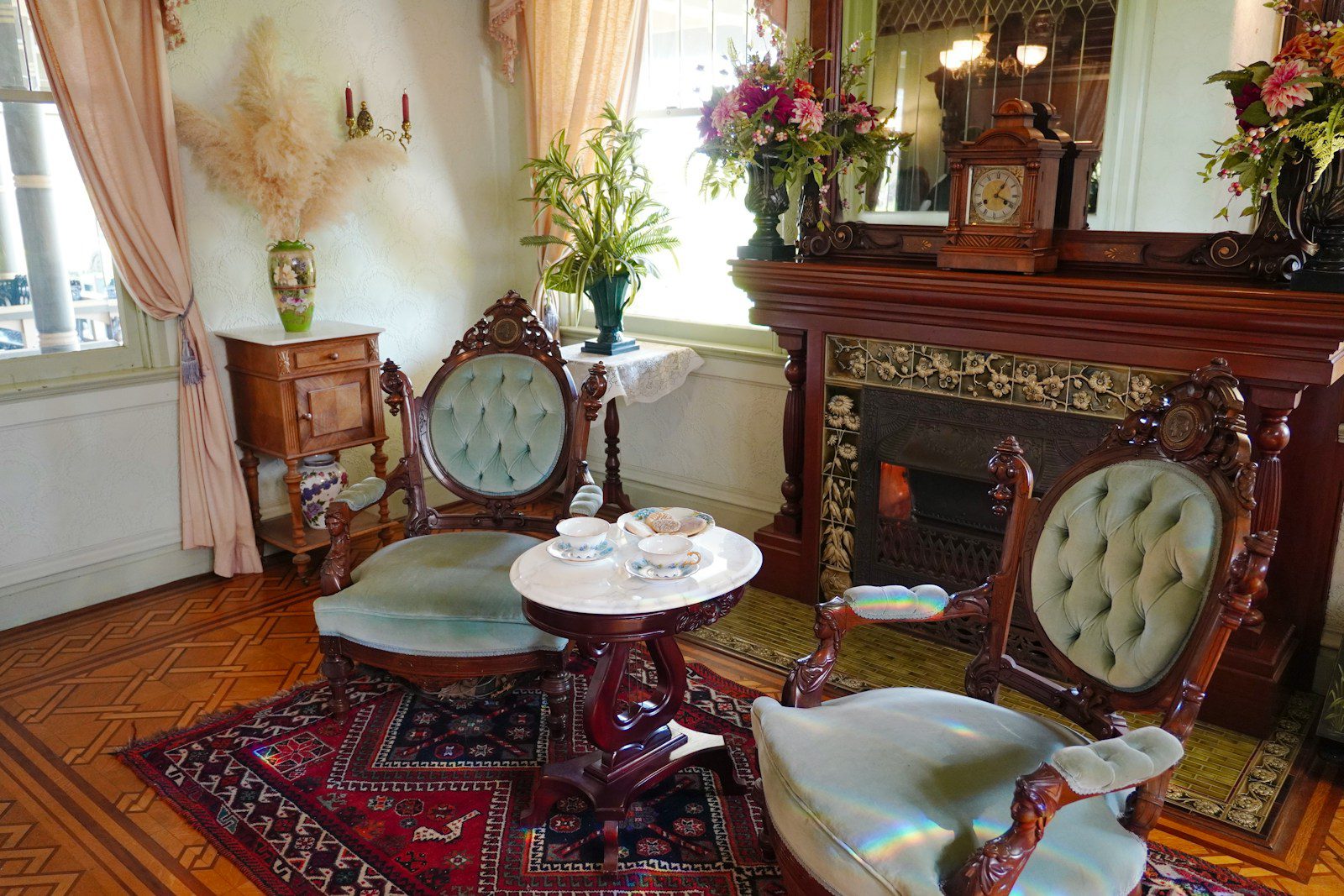
Ironically, while Gen Z is known for its forward-thinking approach, this generation also has a soft spot for retro and vintage styles. You’ll often find Gen Z homes featuring mid-century modern furniture or kitschy 70s-inspired decor. This blend of old and new can confuse older buyers, who might not appreciate seeing the styles of their youth repurposed in modern settings.
Despite this, Gen Z’s love for all things retro isn’t going anywhere, with thrift store finds and hand-me-downs becoming treasured pieces in their homes.
5. The Move Towards Multi-Functional Spaces
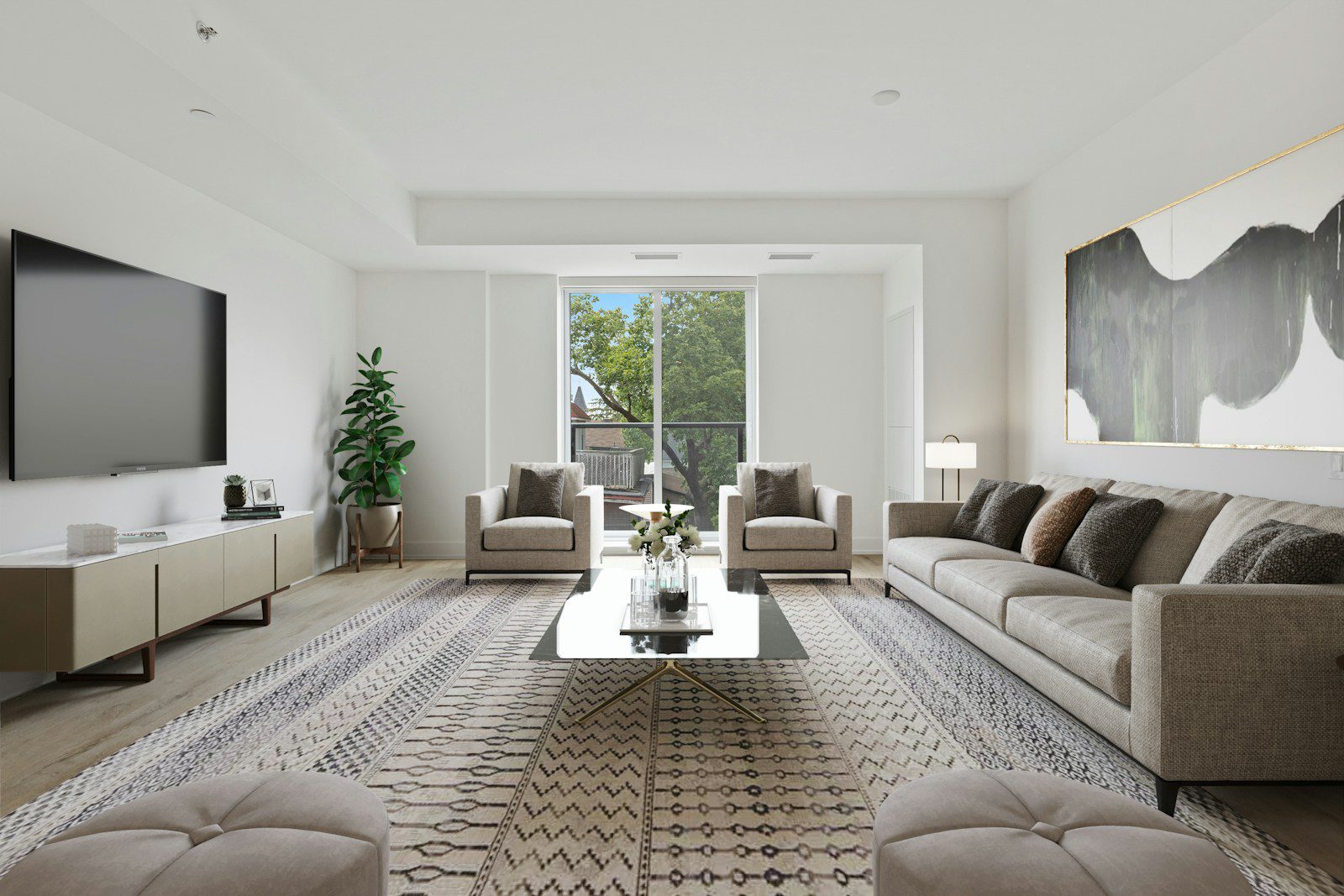
Gen Z values versatility and functionality in their homes. As a result, multi-functional spaces that serve more than one purpose are becoming increasingly popular. For instance, a living room might double as a home office, or a bedroom might also serve as a studio space. This approach to design is a departure from the traditional room-by-room layout, and can be puzzling for older buyers.
Despite this, the move towards multi-functional spaces is a practical response to the challenges of modern living, especially in urban areas where space is at a premium.
6. The Popularity of DIY and Upcycling

Gen Z is a generation that loves to get their hands dirty. DIY and upcycling projects are immensely popular, with young people taking pride in creating unique, personalized pieces for their homes. This trend might confuse older buyers, who are more accustomed to buying ready-made furnishings. However, for Gen Z, the process of making and personalizing is just as important as the end result.
From repainting old furniture to creating wall art from scrap materials, the possibilities for DIY and upcycling are endless.
7. The Invasion of Indoor Plants
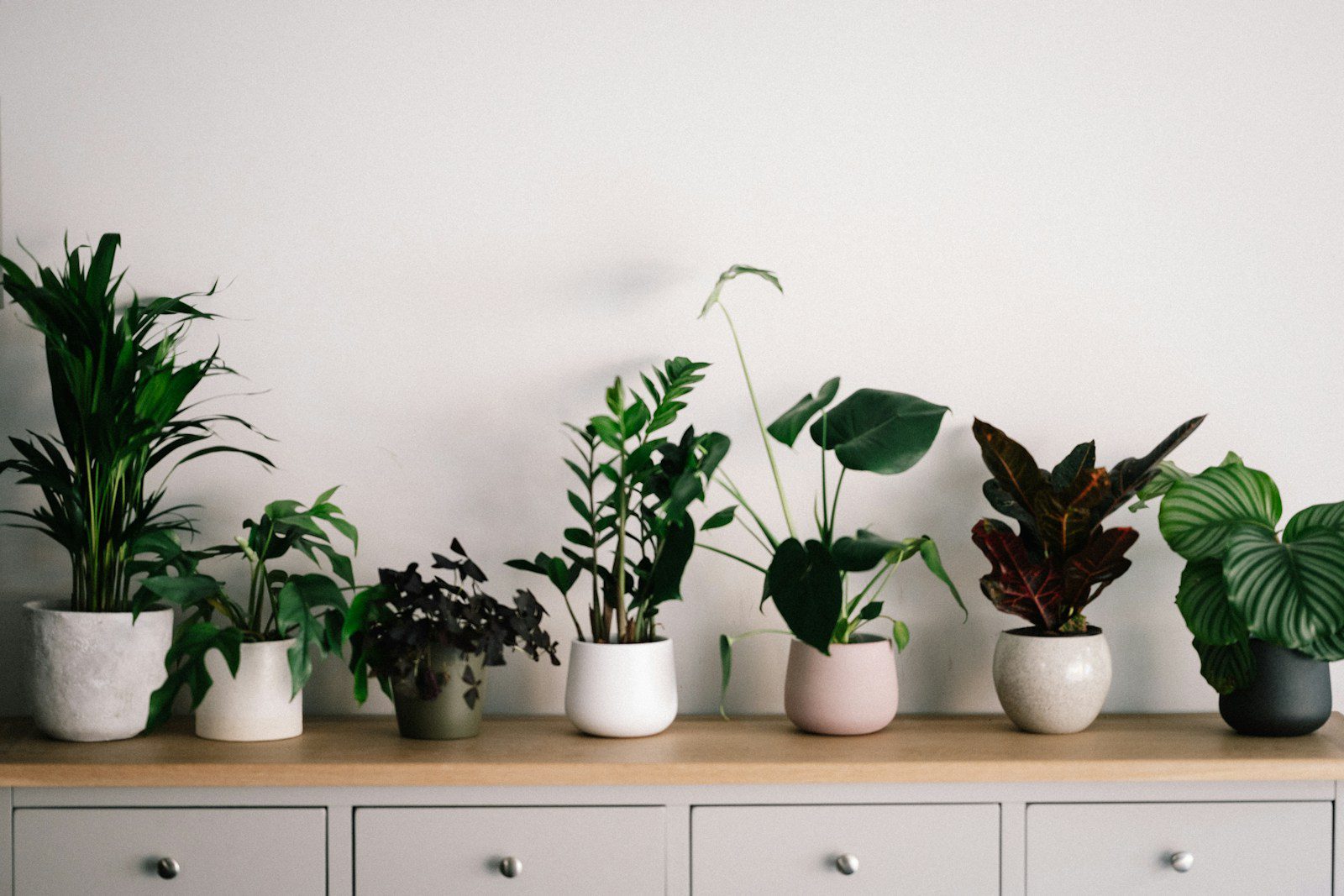
Indoor plants are a staple in many Gen Z homes. Not only do they add a touch of nature to the space, but they also help purify the air and create a calming environment. This trend might seem bizarre to older buyers, who might view houseplants as a high-maintenance decor choice. However, for Gen Z, the benefits far outweigh the effort required to keep these plants thriving.
From succulents to ferns, there’s a plant for every Gen Z home.
8. The Advent of Tech-Integrated Decor

As digital natives, Gen Z has a unique relationship with technology. This is reflected in their decor choices, with tech-integrated pieces becoming increasingly popular. Whether it’s a smart mirror that doubles as a personal assistant or a coffee table with built-in wireless charging, Gen Z is all about making technology a seamless part of their living spaces. This trend can baffle older buyers, who are used to technology being a separate entity from decor.
However, for Gen Z, integrating technology into their homes is a natural progression of their digital lives.
9. The Obsession with Open Shelving
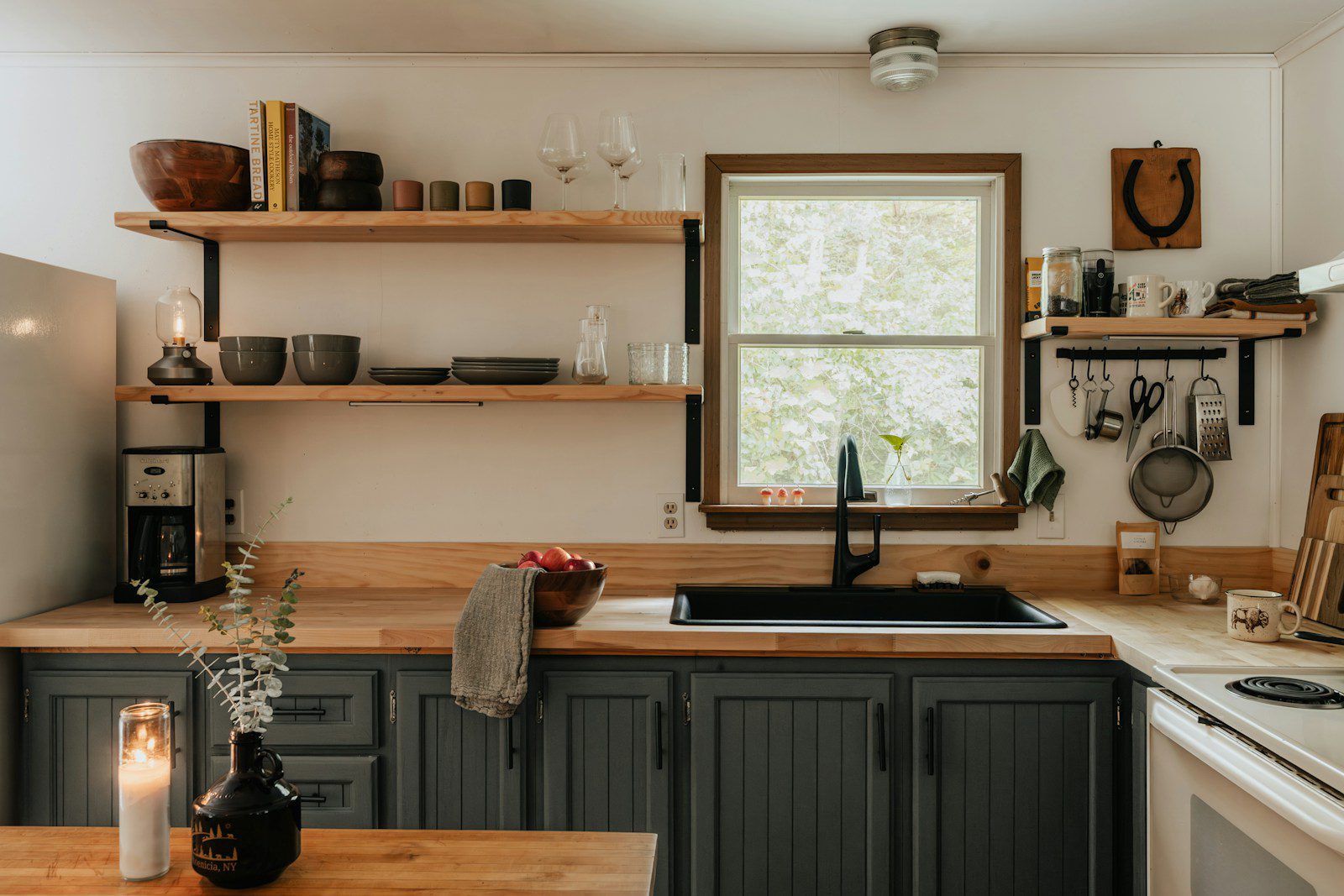
Open shelving is another Gen Z favorite. This trend, which involves using open shelves instead of closed cabinets, allows for easy access and the ability to display personal items. While older buyers might worry about dust and the lack of privacy, Gen Z sees open shelving as a way to showcase their personality and keep things within easy reach.
From kitchen essentials to book collections, Gen Z loves to put their life on display.
10. The Appeal of Artistic and Graphic Wallpapers
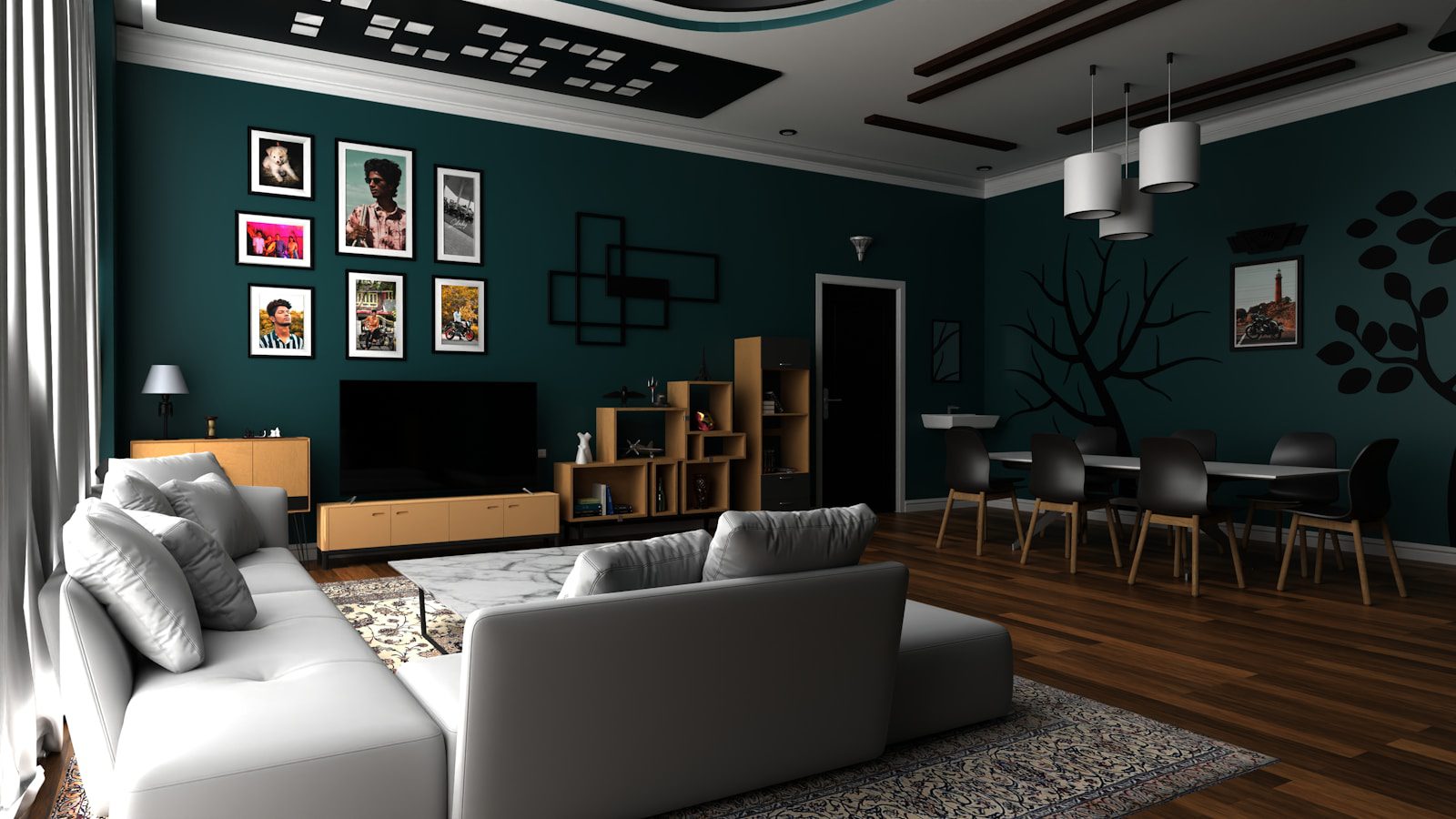
Wallpaper is making a comeback, thanks to Gen Z. However, this isn’t your grandma’s wallpaper. Gen Z favors bold, artistic patterns and graphics that can instantly transform a room. While these patterns might be too much for older buyers, Gen Z loves the instant impact they create.
From abstract art to oversized florals, there’s a Gen Z wallpaper for every taste.
11. The Love for Neon Lights and Bold Colors
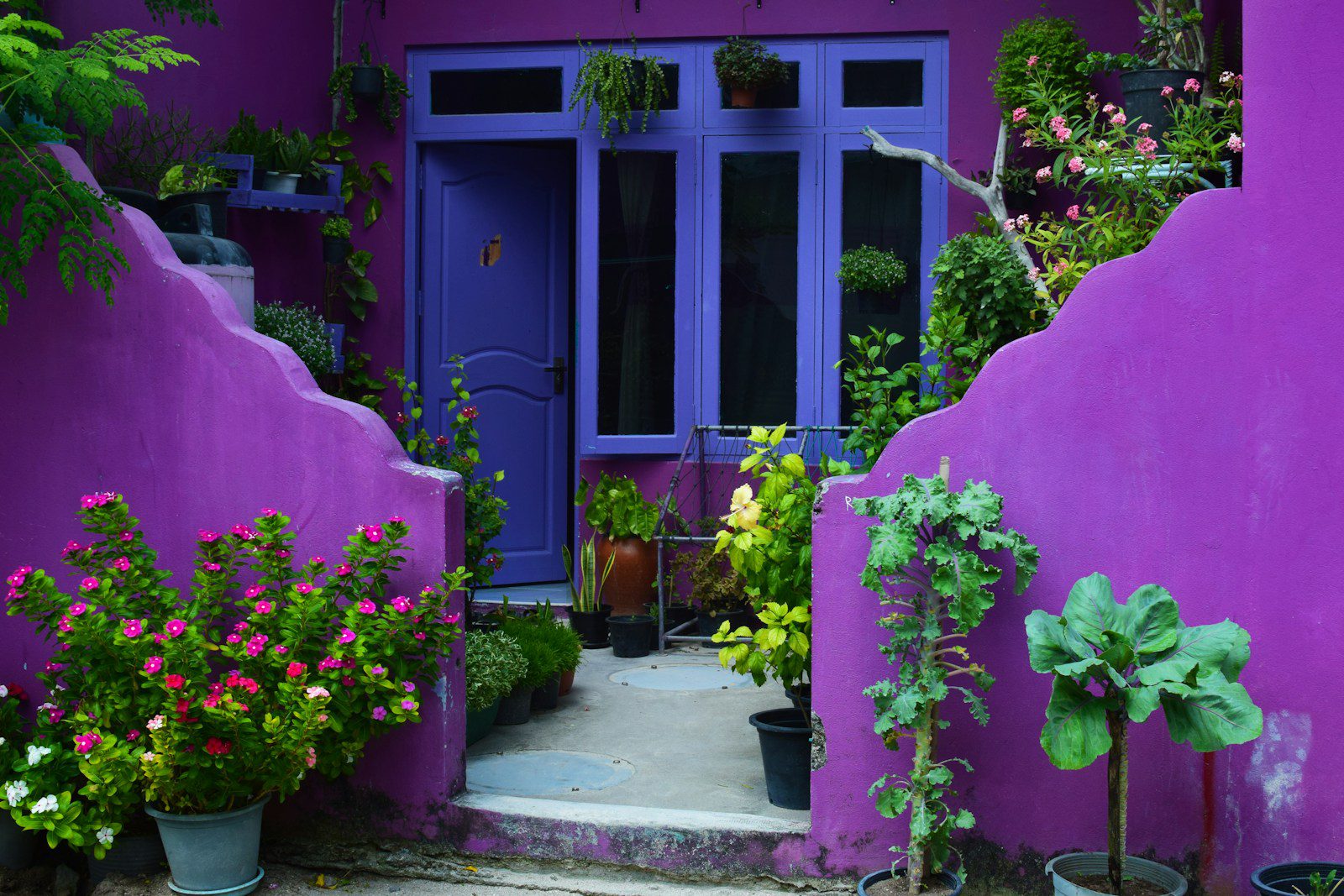
Neon lights and bold colors are another Gen Z decor staple. These young homeowners aren’t afraid to experiment with vibrant hues and quirky light fixtures. While this might be a stark contrast to the more subdued palettes older buyers are used to, Gen Z loves the energy and individuality these elements bring to a space.
Whether it’s a neon sign with a favorite quote or a bold, painted accent wall, Gen Z knows how to make a statement.
12. The Trend Towards Tiny Living Spaces and Micro Apartments
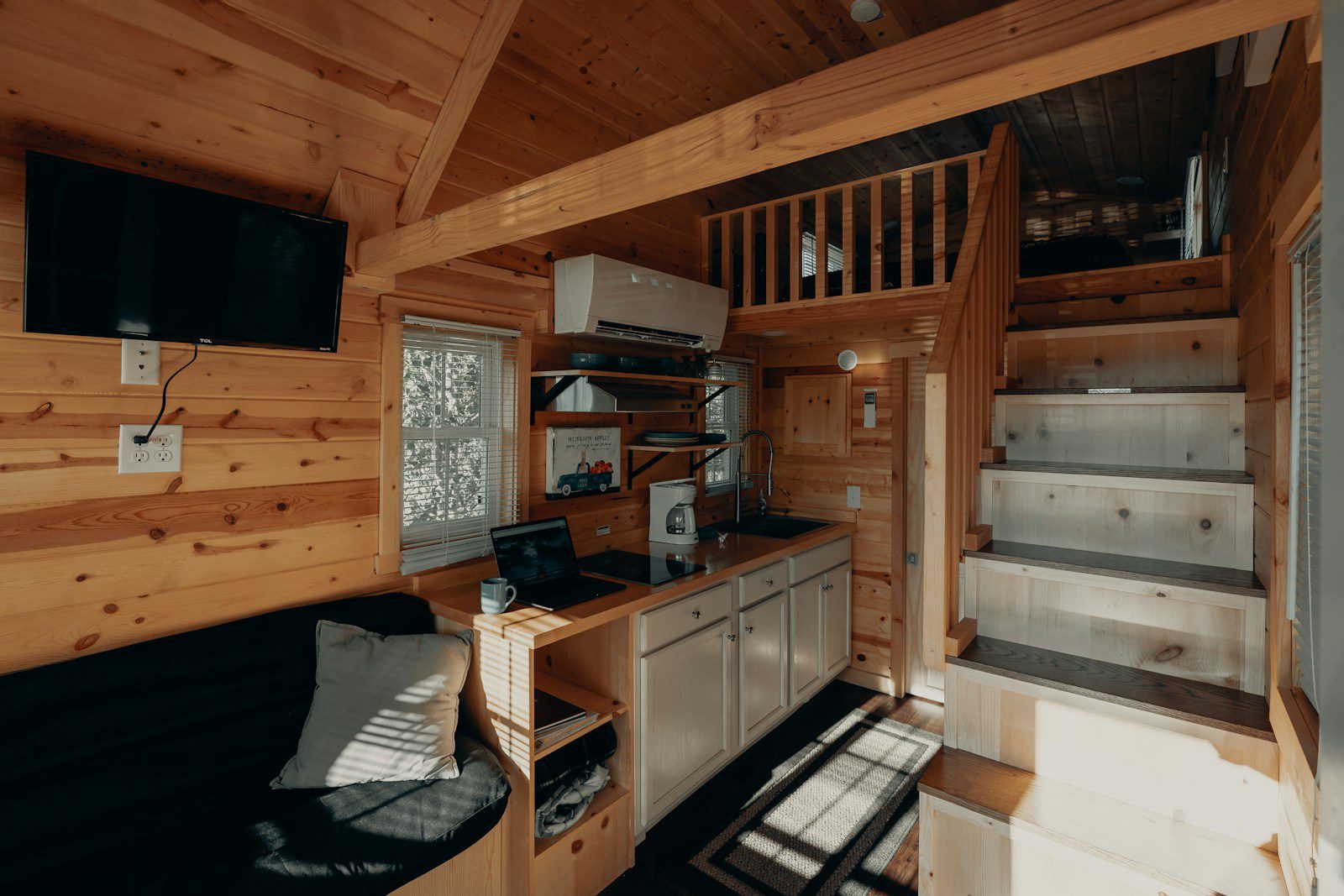
Finally, Gen Z is embracing the trend towards smaller living spaces. Whether it’s a tiny house or a micro apartment, these young homeowners are proving that you don’t need a lot of space to create a stylish, functional home. While older buyers might find the lack of space restrictive, Gen Z sees it as an opportunity to get creative with their decor and live a more sustainable lifestyle.
Despite the challenges, tiny living is a trend that’s here to stay, with more and more young people opting for smaller, more affordable homes.