As the years roll by, we see a fascinating blend of generational decor trends. Each generation brings its unique aesthetic to the design table, often clashing with the preferences of other generations. This year, we’re seeing a captivating face-off between several dynamic decor philosophies. Let’s delve into the intriguing world of generational decor trends that are at odds with each other this year.
The Minimalist vs. Maximalist Debate

Minimalism, with its clean lines, neutral colors, and clutter-free aesthetic, has been a popular trend for several years now. It’s the design choice of those who prefer a simple, refined look and value functionality over form. However, maximalism is making a bold comeback, with its flamboyant colors, eclectic mix of patterns, and abundant use of accessories. It’s a style for those who believe more is more.
While some argue that the minimalist trend can feel cold and uninviting, others feel that the maximalist style can be overwhelming. It’s a debate that continues to fuel discussions among design enthusiasts.
Mid-Century Modern vs. Ultra-Modern Styles
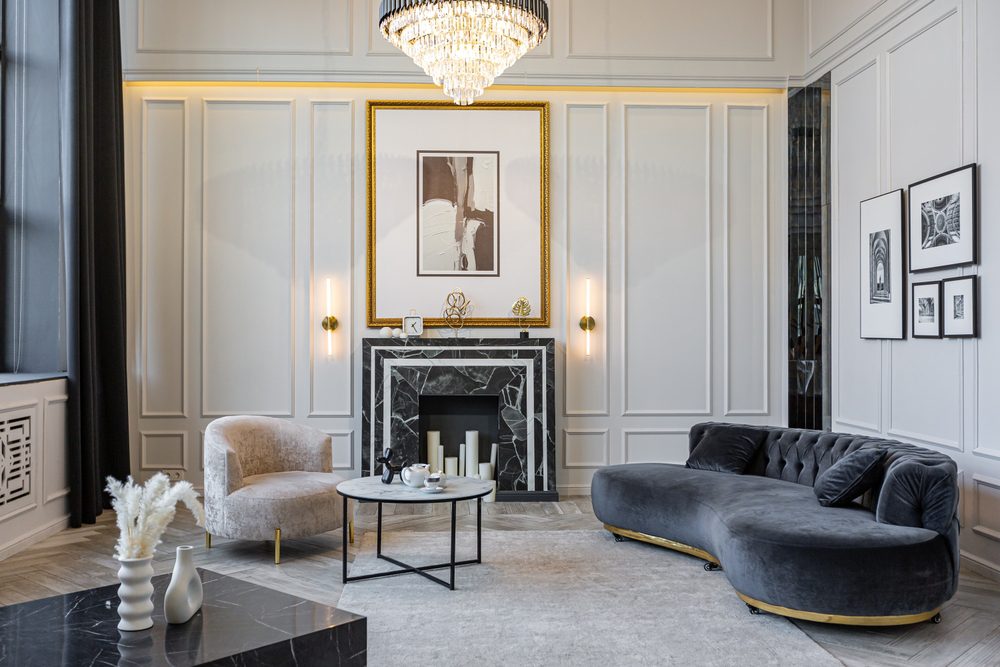
Mid-century modern design, inspired by the designs prevalent from the 1930s to the 1960s, has been a favorite among homeowners for its timeless appeal. The style features organic shapes, clean lines, and a seamless integration of form and function. On the other hand, ultra-modern style leans towards a minimalist aesthetic, with glossy finishes, geometric shapes, and high-tech materials.
While both styles have their merits, they often clash due to their contrasting aesthetics. The mid-century modern style is warm and inviting, while the ultra-modern style is sleek and futuristic. Choosing between the two can be a tough call for homeowners.
Vintage Accents vs. Contemporary Pieces

Vintage accents add a touch of nostalgia and charm to any space. They’re perfect for those who appreciate the craftsmanship and design of past eras. On the contrary, contemporary pieces favor form and functionality, with an emphasis on modern materials and innovative designs.
The clash between vintage and contemporary decor is a testament to the ongoing struggle between the old and the new. While vintage pieces can add character to a space, contemporary pieces can make it feel fresh and modern. It’s all about finding the right balance.
Boho-Chic vs. Scandinavian Simplicity
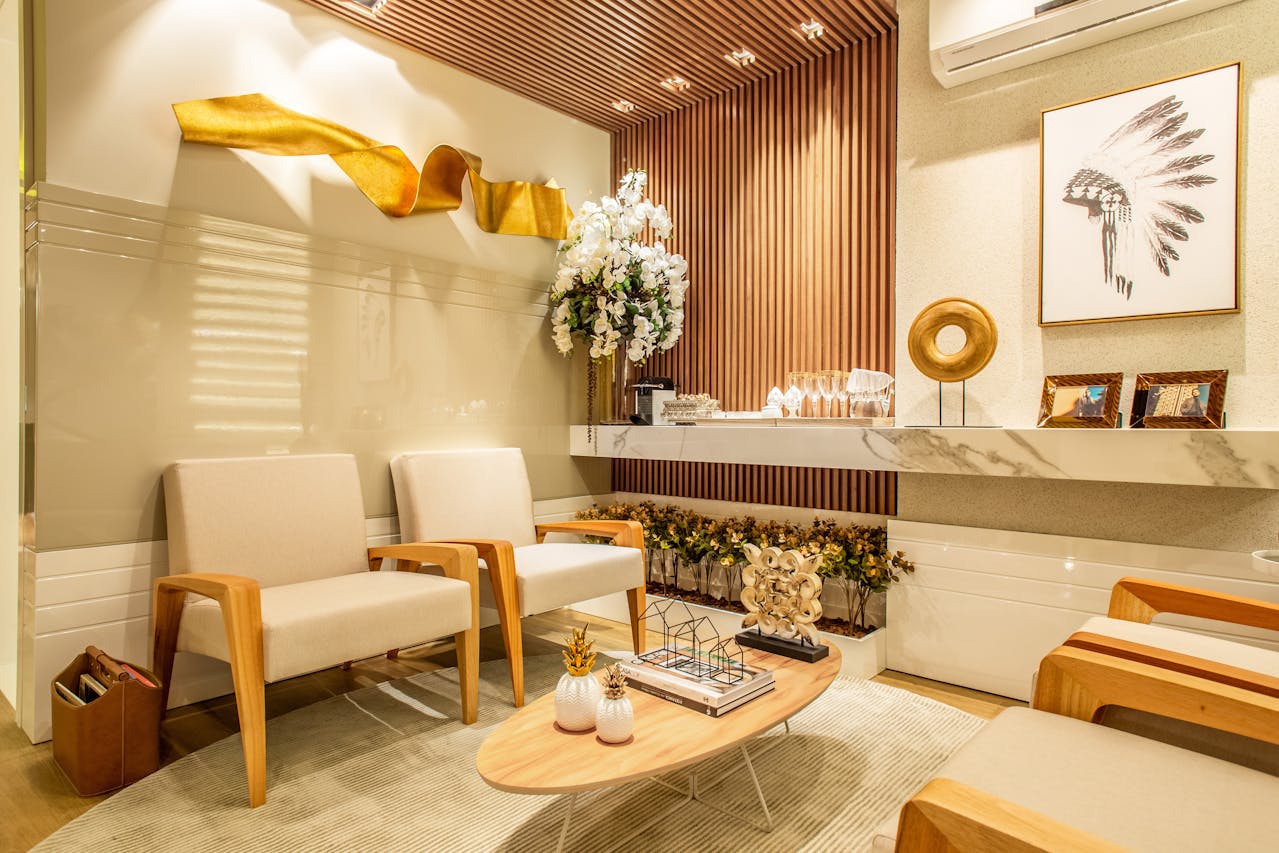
Boho-chic is all about individuality and freedom of expression. It’s a mix of various styles, characterized by vibrant colors, rich patterns, and plenty of textures. In stark contrast, Scandinavian design is about simplicity, minimalism, and functionality. It features a predominantly white color palette, clean lines, and natural materials.
The clash between boho-chic and Scandinavian simplicity is essentially a battle between exuberance and restraint. While boho-chic is bold and unapologetic, Scandinavian design is understated and calming.
Industrial Aesthetics vs. Rustic Farmhouse

Industrial aesthetics are characterized by exposed brick walls, metal accents, and a raw, unfinished look. It’s a style that’s rugged and edgy. On the other hand, rustic farmhouse decor is warm and cozy, with an emphasis on natural wood, pastel colors, and vintage accessories.
The contrast between industrial and rustic farmhouse decor is striking. While the industrial style celebrates urban grit, the rustic farmhouse style embraces rural charm.
Geometric Patterns vs. Floral Prints Debate

Geometric patterns, with their clean lines and repetitive shapes, bring a sense of order and structure to a space. Floral prints, on the other hand, are all about romance and whimsy. They add a touch of nature and softness to a room.
The debate between geometric patterns and floral prints is one that often polarizes design enthusiasts. While geometric patterns are modern and bold, floral prints are traditional and feminine. It’s a clash of aesthetics that continues to evolve.
Neutral Tones and Pastels vs. Bold and Vibrant Colors
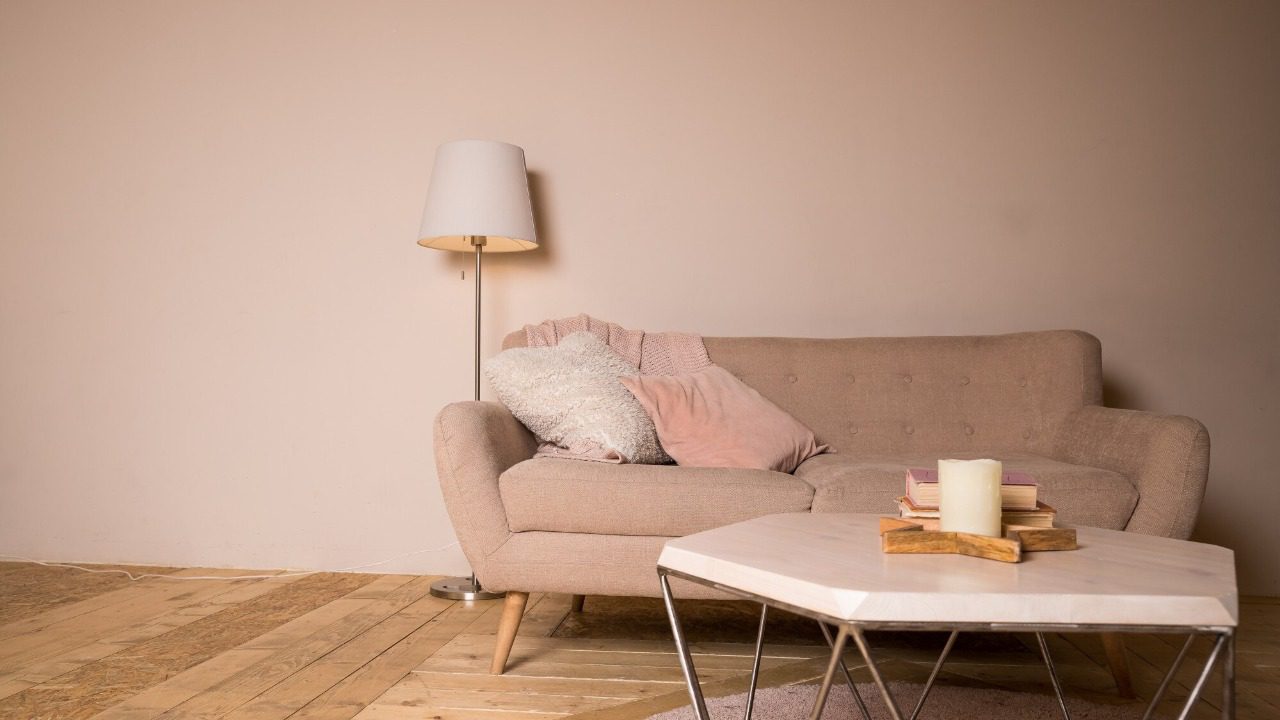
Neutral tones and pastels create a soothing and calming atmosphere. They’re versatile and can easily blend with different design styles. Bold and vibrant colors, however, make a strong statement. They’re for those who aren’t afraid to express their personality through their decor.
The conflict between neutral tones and bold colors is a classic one. While neutrals are safe and timeless, bold colors are adventurous and dynamic. It’s a matter of personal preference and the mood one wants to create in their space.
Traditional vs. Transitional Interior Styles
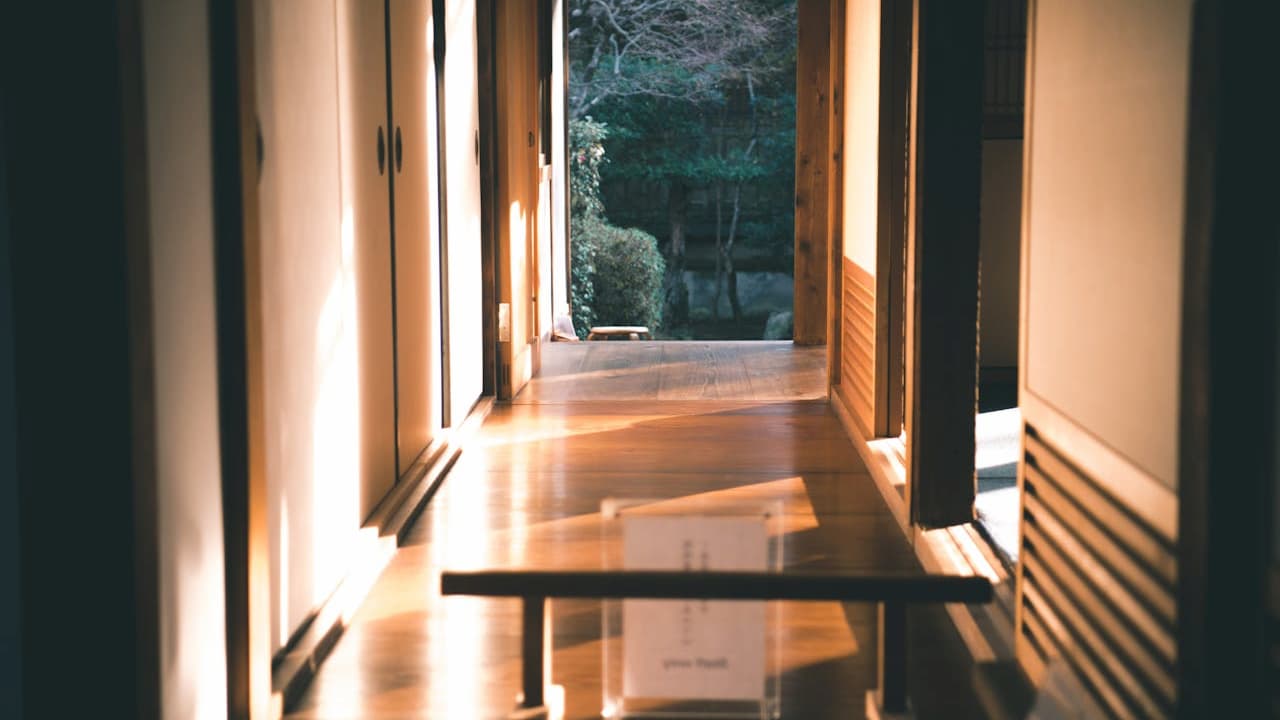
Traditional interior style is characterized by classic designs, rich materials, and detailed craftsmanship. It’s a style that exudes elegance and comfort. Transitional style, however, is a blend of traditional and contemporary designs. It focuses on simplicity and sophistication, with a balanced use of old and new elements.
The clash between traditional and transitional styles reflects the ongoing tension between preserving the old and embracing the new. While traditional style is all about opulence, transitional style is about moderation and harmony.
Eco-Friendly Design vs. Luxurious Materials
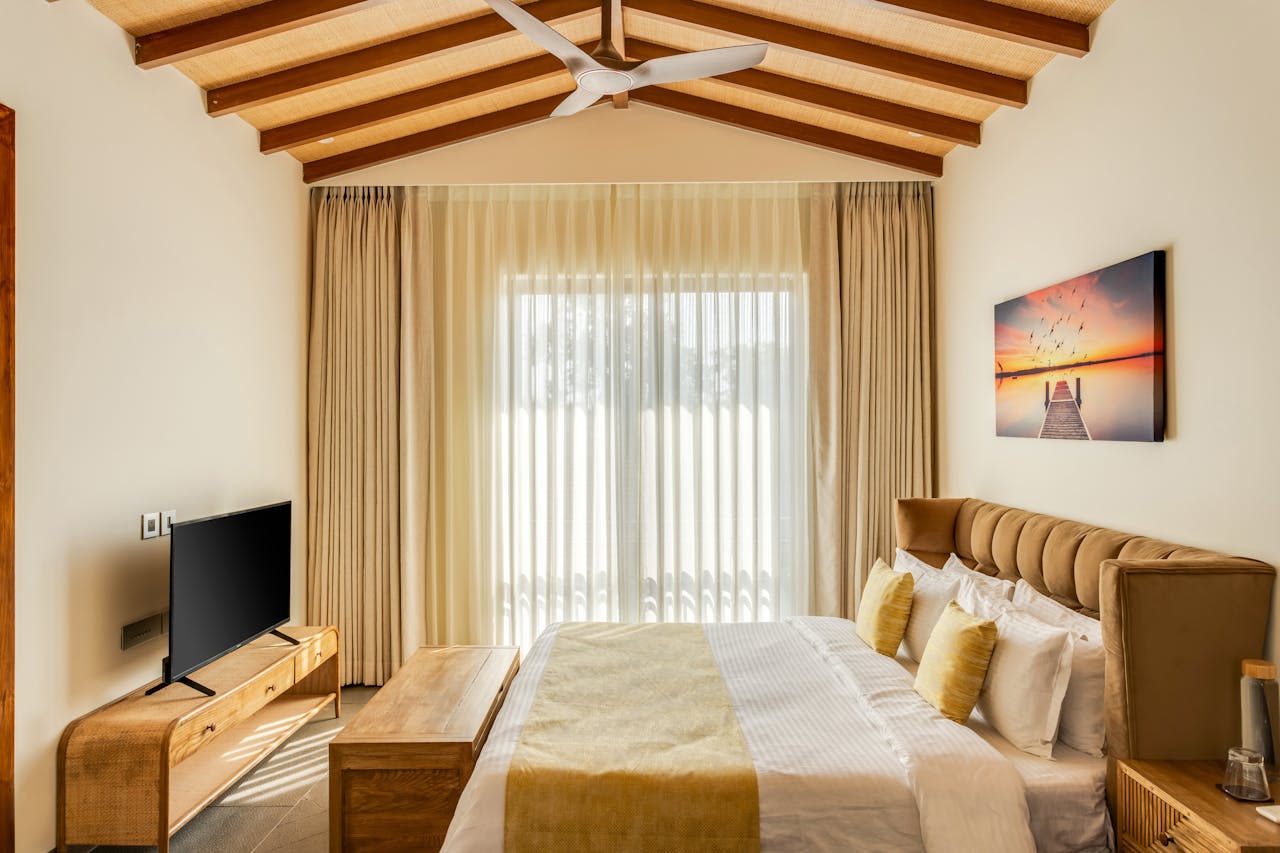
Eco-friendly design is all about sustainability and minimizing environmental impact. It favors natural, recycled, and low-impact materials. Luxurious materials, however, are all about indulgence and high-end aesthetics. They include materials like marble, velvet, and gold.
The conflict between eco-friendly design and luxurious materials reflects the growing concern about environmental sustainability in the design world. While eco-friendly design is about responsibility and mindfulness, luxurious materials are about extravagance and pleasure.
Open-Plan Concept vs. Defined Spaces
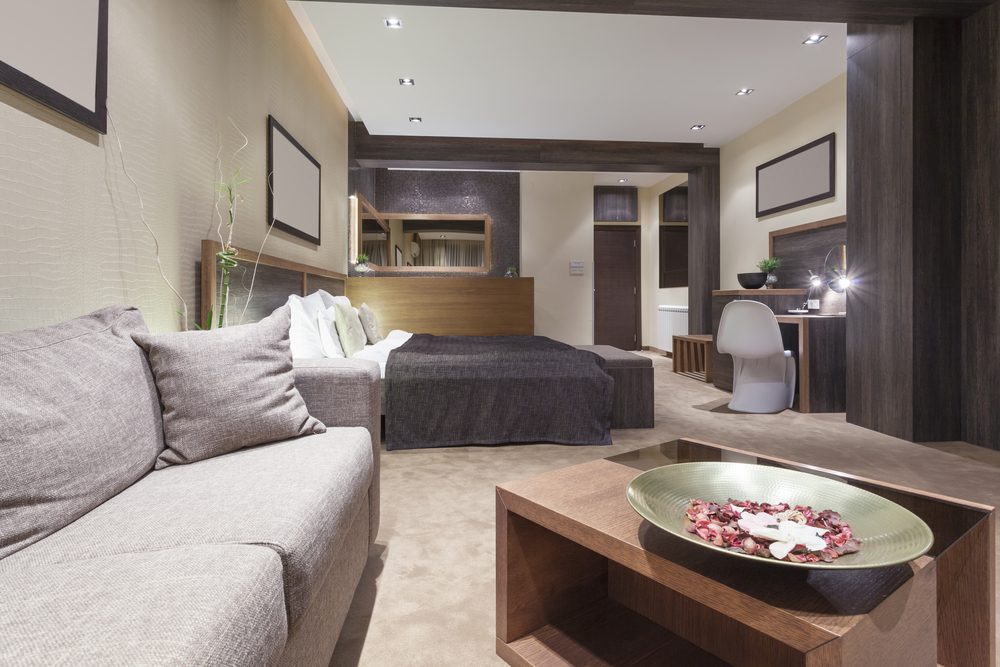
An open-plan concept is about creating a seamless flow between different areas of the home. It’s ideal for those who love spacious, airy interiors. Defined spaces, however, provide more privacy and structure. They’re perfect for those who prefer clearly delineated spaces for different activities.
The clash between open-plan and defined spaces is a reflection of changing lifestyle needs and preferences. While open-plan concepts encourage social interaction, defined spaces cater to the need for personal space and order.
The Wrap-Up: Merging Different Generational Decor Trends
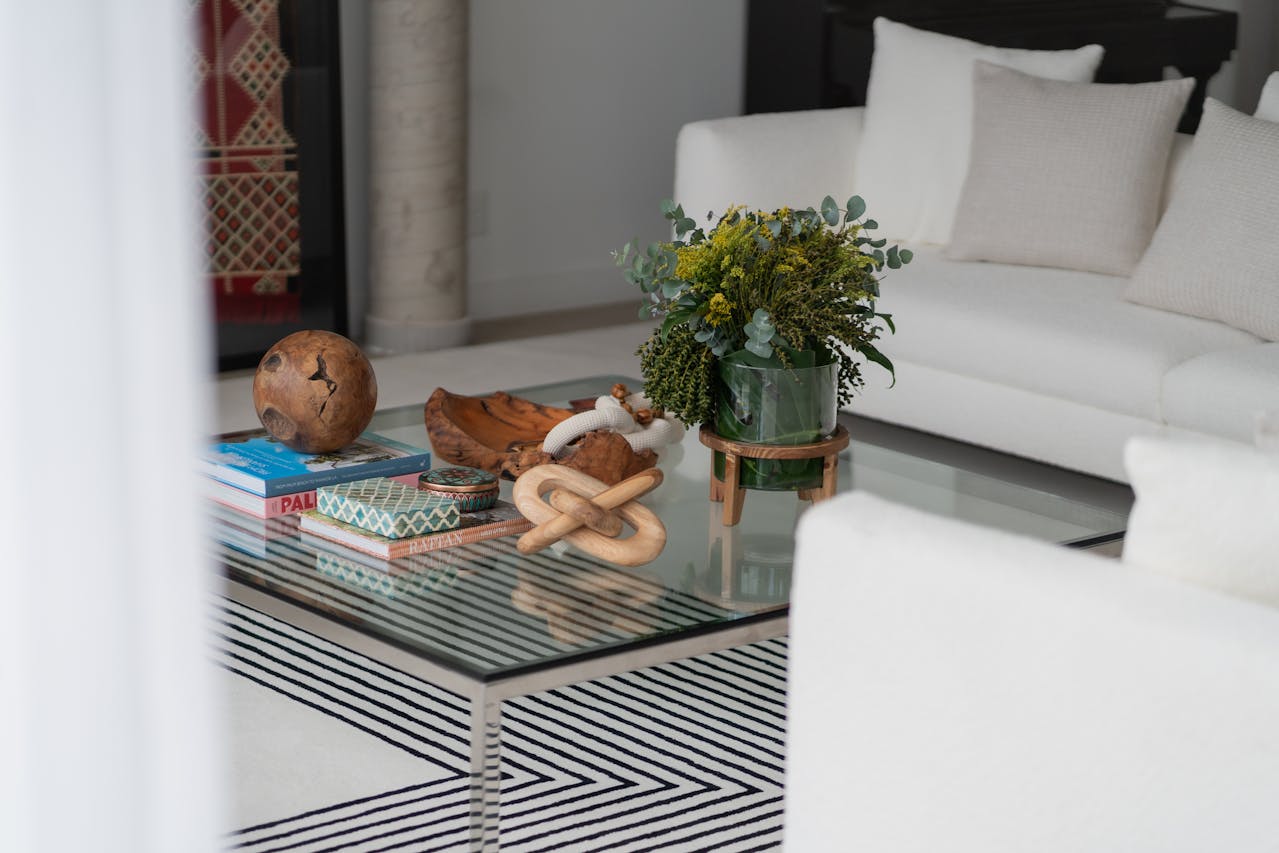
In the end, the beauty of interior design lies in its versatility and adaptability. It’s about creating a space that reflects your personality, preferences, and lifestyle. Whether you lean towards minimalism or maximalism, vintage accents or contemporary pieces, boho-chic or Scandinavian simplicity, the goal is to create a space that feels like home.
Remember, there’s no right or wrong when it comes to personal style. So, don’t be afraid to experiment with different trends, mix and match styles, and break a few rules along the way. After all, the best spaces are those that tell a story, and your story is unique to you.