12 Home Trends Designers Secretly Hate

Designing a home can be an exciting and dynamic process, filled with the opportunity to express your individual style and preferences. Among the many sources of inspiration, current home trends often hold a significant influence. However, there are certain popular trends that professional designers secretly wish would disappear.
While these trends may seem appealing to the masses, designers argue they can limit creativity, functionality, and long-term appeal. Let’s dive into 12 of the most controversial home trends that have designers shaking their heads.
1. Open Shelving

Open shelving might seem like a minimalist’s dream, but designers often find them impractical and hard to maintain. They require constant cleaning and organizing, and can make a room look cluttered if not styled perfectly. Additionally, they offer no place to hide less attractive kitchen essentials.
The appeal of open shelving lies in its ability to display beautiful dishes and glassware, but unless you’re willing to commit to the upkeep, designers suggest opting for traditional cabinetry.
2. Barn Doors

Barn doors have become a popular choice for homeowners wanting to add a rustic touch to their interiors. Designers, however, are less enthusiastic. While they can save space, barn doors do not provide the same level of privacy as traditional doors due to gaps around the frame.
They’re also often heavier and more difficult to operate, especially for young children or elderly family members. Designers recommend considering your household’s needs and the overall style of your home before jumping on this trend.
3. All-White Kitchens
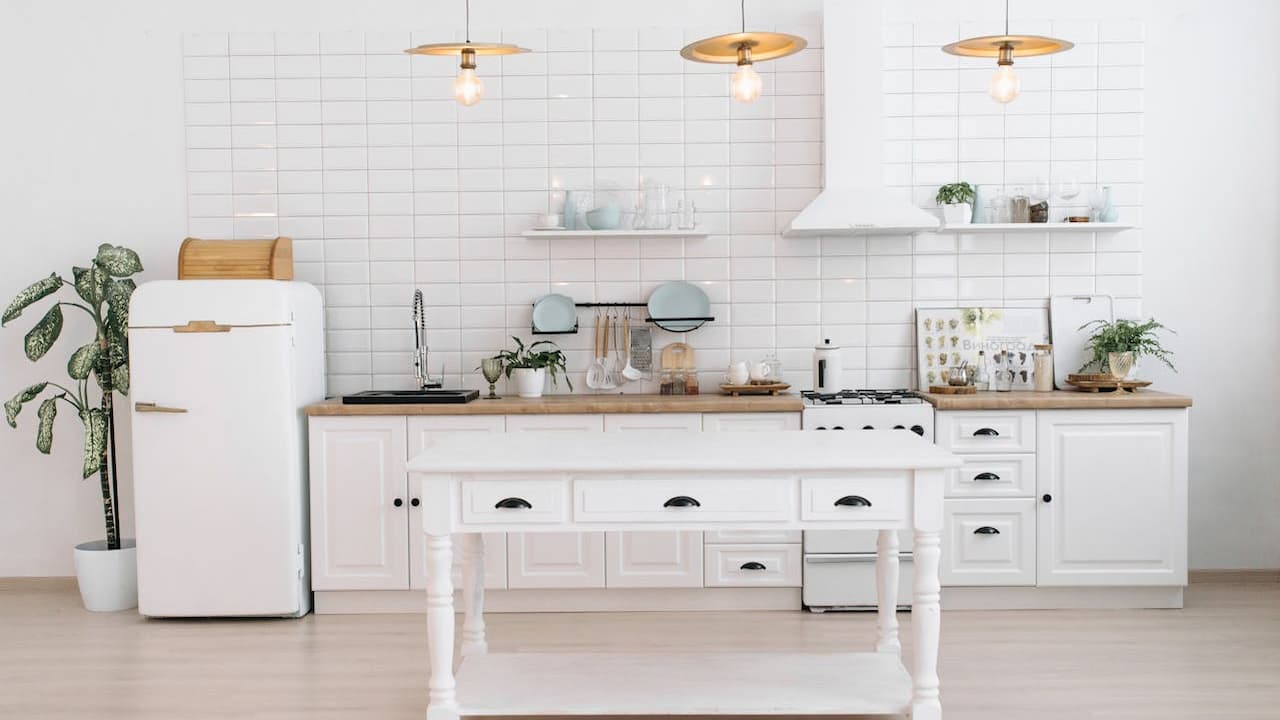
While all-white kitchens can give an illusion of cleanliness and spaciousness, designers often argue they lack personality. Plus, they show dirt and wear more easily than their more colorful counterparts. Designers suggest using white as a base, but incorporating pops of color through appliances, backsplash, or kitchen accessories to add depth and character.
4. Word Art

Word art can be a fun way to personalize a space, but designers often see it as overused and generic. Instead, designers suggest investing in unique artwork that reflects your personal style. This can create a more authentic and less clichéd home environment.
5. Industrial Style

Industrial style, characterized by exposed brick and ductwork, has gained popularity in recent years. However, designers argue it can make a home feel cold and unwelcoming. They recommend balancing industrial elements with warm, comfortable pieces to create a more inviting space.
6. Shiplap

Shiplap, a type of wooden board used commonly in barns and historic homes, has become a favorite among homeowners, thanks to certain home makeover TV shows. But designers often see it as overused. They suggest using shiplap sparingly, in small doses, to add interest to a room without overwhelming it.
7. Fast Furniture

Fast furniture may be budget-friendly, but designers argue it’s not a sustainable or long-term solution. These pieces often wear out quickly, resulting in more waste. Instead, designers recommend investing in high-quality, durable pieces that will stand the test of time.
8. Overdone Themed Rooms
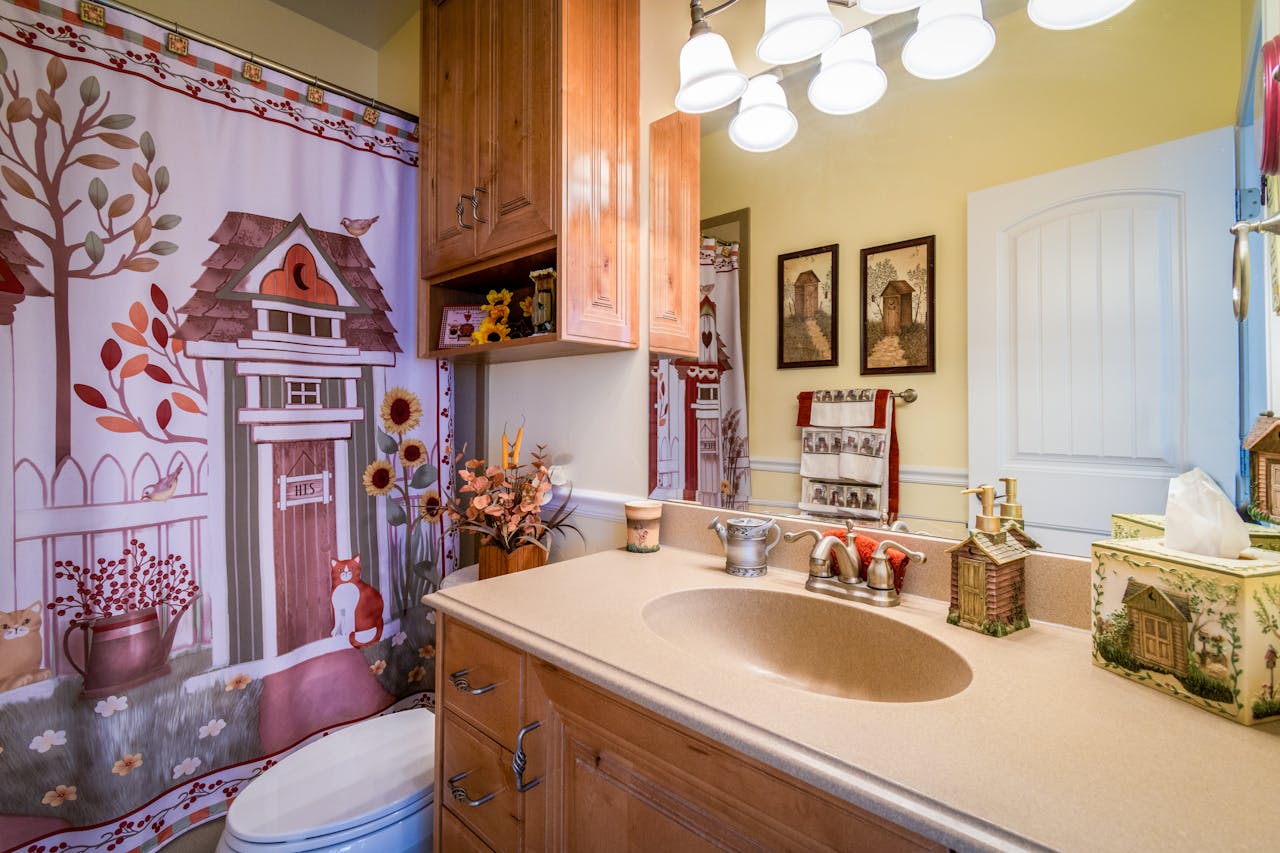
While themed rooms can be fun, designers warn against going overboard. A subtle nautical theme, for example, can quickly turn kitschy if every piece in the room is sea-related. To avoid this, designers suggest incorporating themed elements subtly.
9. Granite Countertops

Once the epitome of luxury, granite countertops are now seen as outdated by many designers. They suggest alternatives like quartz or butcher block, which offer a more modern and clean aesthetic.
10. Matching Furniture Sets
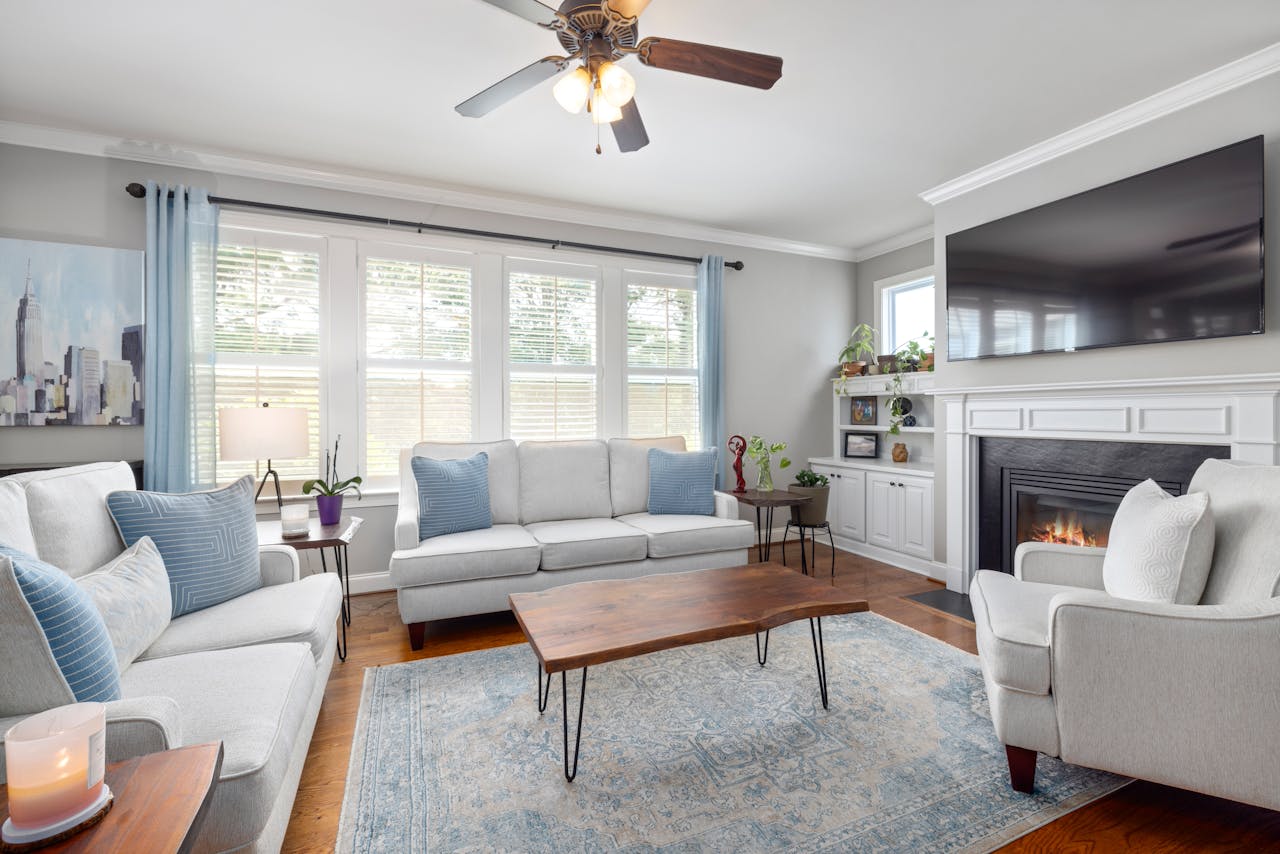
Designers often cringe at the sight of matching furniture sets. They argue that rooms with matching pieces lack character and suggest mixing different styles and periods for a more layered, collected look.
11. Faux Finishes

Faux finishes, like faux marble or faux wood, can often look cheap and tacky. Designers suggest investing in the real deal whenever possible, as it will add more value to your home in the long run.
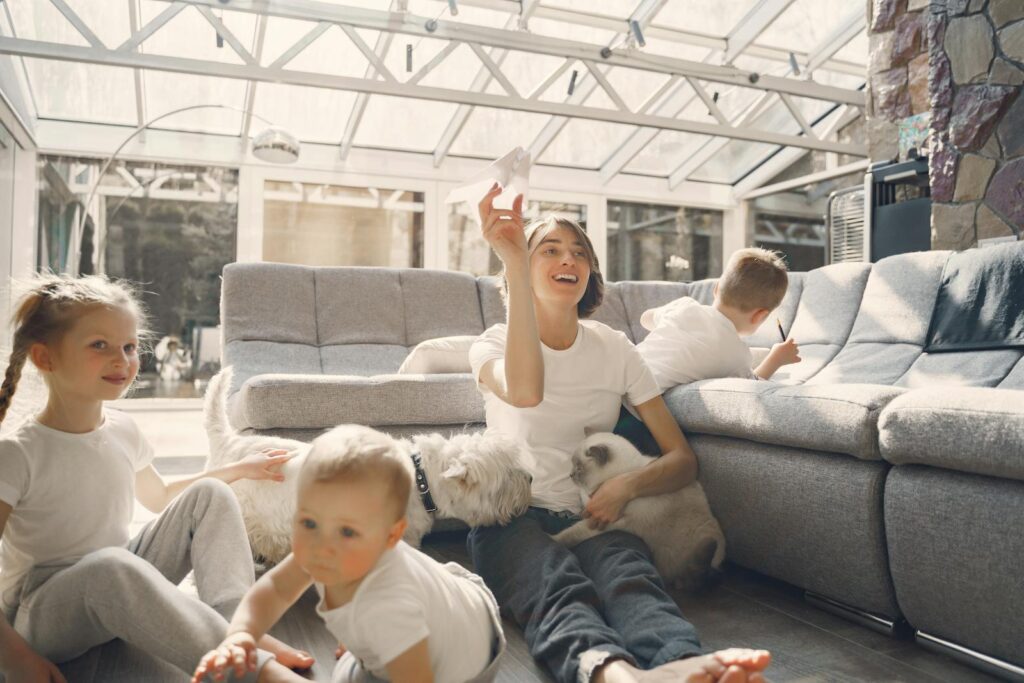
12. Overuse of Gray
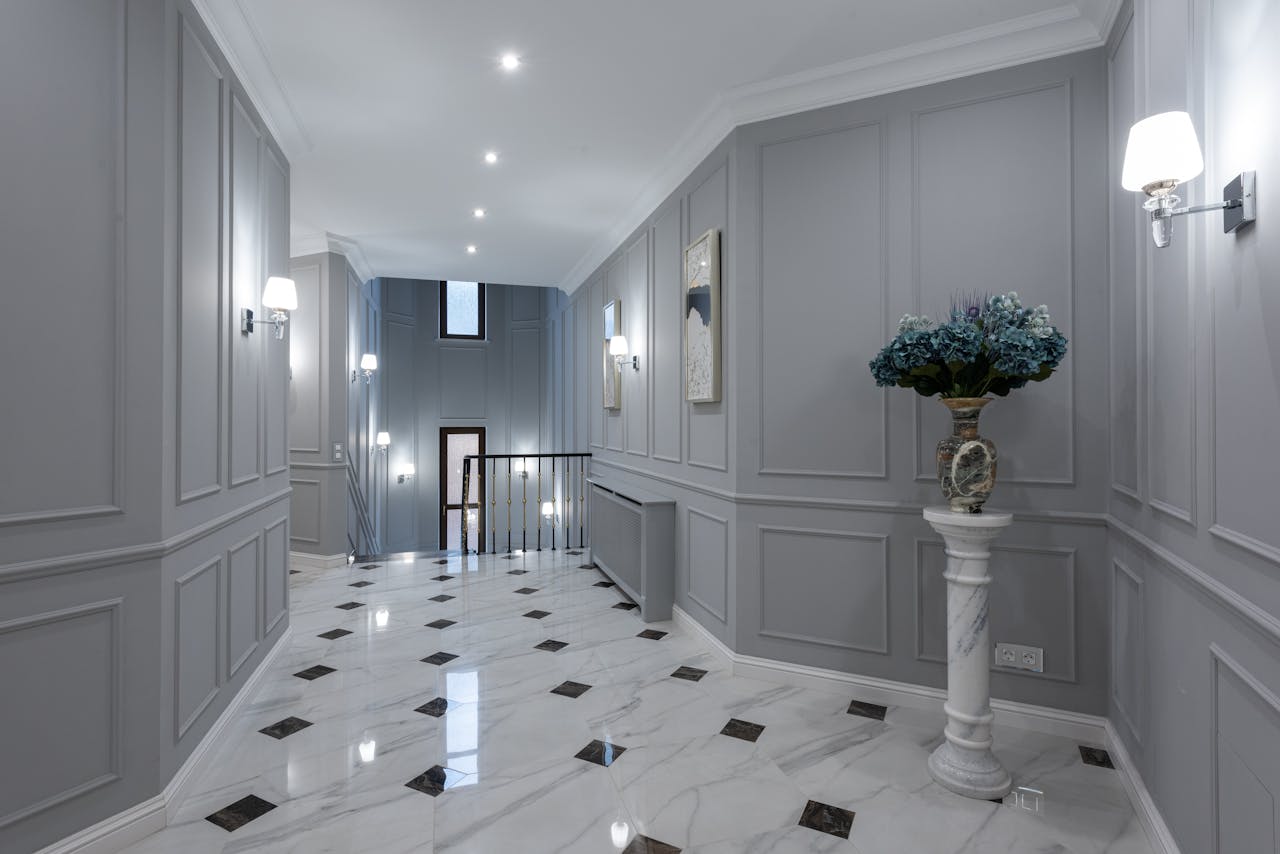
While gray is a versatile color, designers argue that its overuse can make a space feel gloomy and dull. They recommend incorporating vibrant colors to add warmth and personality to a room.
Remember, trends come and go, but your home should reflect your personal style and needs. Don’t be afraid to break from the trends and create a space that truly feels like you.