Your home is your sanctuary — a place where you unwind, relax, and feel your safest. But did you know that some common household habits could actually be harming your health? Yes, the activities that you perform daily, without giving them a second thought, could be having a negative impact on your wellbeing.
Let’s shine a light on 12 such habits, explaining how they might be affecting you and providing tips on what you can do to avoid them.
1. Neglecting Regular Cleaning

Regular cleaning is not just about a neat appearance; it also plays a crucial role in maintaining a healthy living environment. Dust, mold, and bacteria can accumulate over time, causing allergies and respiratory problems.
For instance, dust mites, which thrive in bedding, upholstery, and carpets, can trigger asthma and allergies. Therefore, it’s essential to clean these items regularly to minimize exposure. Similarly, damp areas like the bathroom and basement can harbor mold, which can lead to respiratory issues. It’s advisable to keep these areas well-ventilated and dry to keep mold growth at bay.
2. Using Chemical-Based Cleaning Products

While we’re on the topic of cleaning, it’s worth noting that not all cleaning products are created equal. Many conventional cleaning products are laden with harsh chemicals that can cause skin irritation, respiratory problems, and even disrupt hormone function.
A healthier alternative is to use natural cleaning products. For example, vinegar and baking soda can make an effective and non-toxic cleaning solution for many surfaces. Not only will you be reducing your exposure to harmful chemicals, but you’ll also be doing your part for the environment.
3. Overusing Air Fresheners

Air fresheners might make your home smell pleasant, but they can also release a multitude of chemicals into the air. Some of these substances, like phthalates, are known to be harmful to our health, possibly leading to hormonal imbalances and respiratory issues.
Instead of masking odors with air fresheners, try to identify and eliminate the source of the smell. For instance, regular cleaning and taking out the trash regularly can help keep your home smelling fresh. If you prefer a scented home, try natural alternatives like essential oils or homemade potpourri.
4. Not Changing Air Filters Regularly

Air filters in your heating, ventilation, and air conditioning (HVAC) system need to be changed regularly to ensure good indoor air quality. Over time, these filters can become clogged with dust, pollen, and other pollutants, affecting your home’s air quality and potentially causing respiratory issues.
As a rule of thumb, air filters should be replaced every 90 days. However, if you have pets or someone in your home has allergies, you might need to change them more frequently. Regular maintenance of your HVAC system is also essential to ensure it’s functioning correctly and providing clean air.
5. Keeping Electronics in the Bedroom

Electronics like smartphones, tablets, and laptops emit artificial light, which can interfere with your sleep cycle. The light can suppress the production of melatonin, a hormone that regulates sleep, leading to insomnia or poor-quality sleep.
To ensure a good night’s sleep, make your bedroom a gadget-free zone. Try to avoid looking at screens for at least an hour before bedtime. Instead, engage in relaxing activities like reading a book or taking a warm bath to help prepare your body for sleep.
6. Not Ventilating Your Home

A well-ventilated home is not only fresh and pleasant, but it’s also healthier. Poor ventilation can lead to a buildup of indoor pollutants, including dust, pet dander, and cooking fumes, which can trigger allergies and respiratory problems.
To improve ventilation, open windows and doors when the weather permits to allow fresh air in. If that’s not possible, consider installing exhaust fans, particularly in areas like the kitchen and bathroom, where moisture and pollutants are commonly produced.
7. Using Non-Stick Cookware
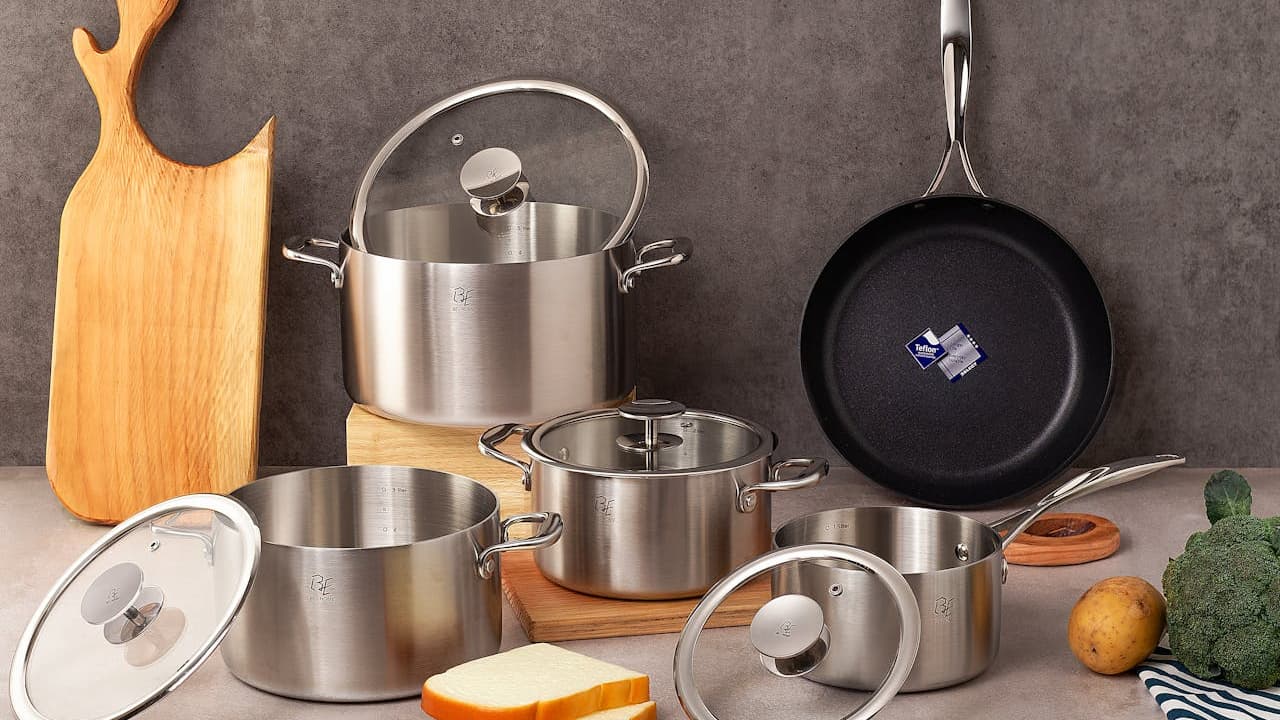
Non-stick cookware, while convenient, can release toxic fumes when overheated. These fumes can cause flu-like symptoms, a condition often referred to as “teflon flu.”
To protect your health, consider switching to safer alternatives like stainless steel or cast iron cookware. If you choose to use non-stick pans, avoid preheating them on high heat and don’t use them for high-heat cooking methods like broiling or searing.
8. Ignoring Small Home Repairs

Small home repairs like leaky faucets, cracked tiles, or peeling paint may seem insignificant, but they can create an environment conducive to mold growth and pests, which can negatively impact your health.
Don’t wait until small repairs become big problems. Fix issues as soon as you notice them to maintain a healthy living environment.
9. Keeping Too Many Houseplants
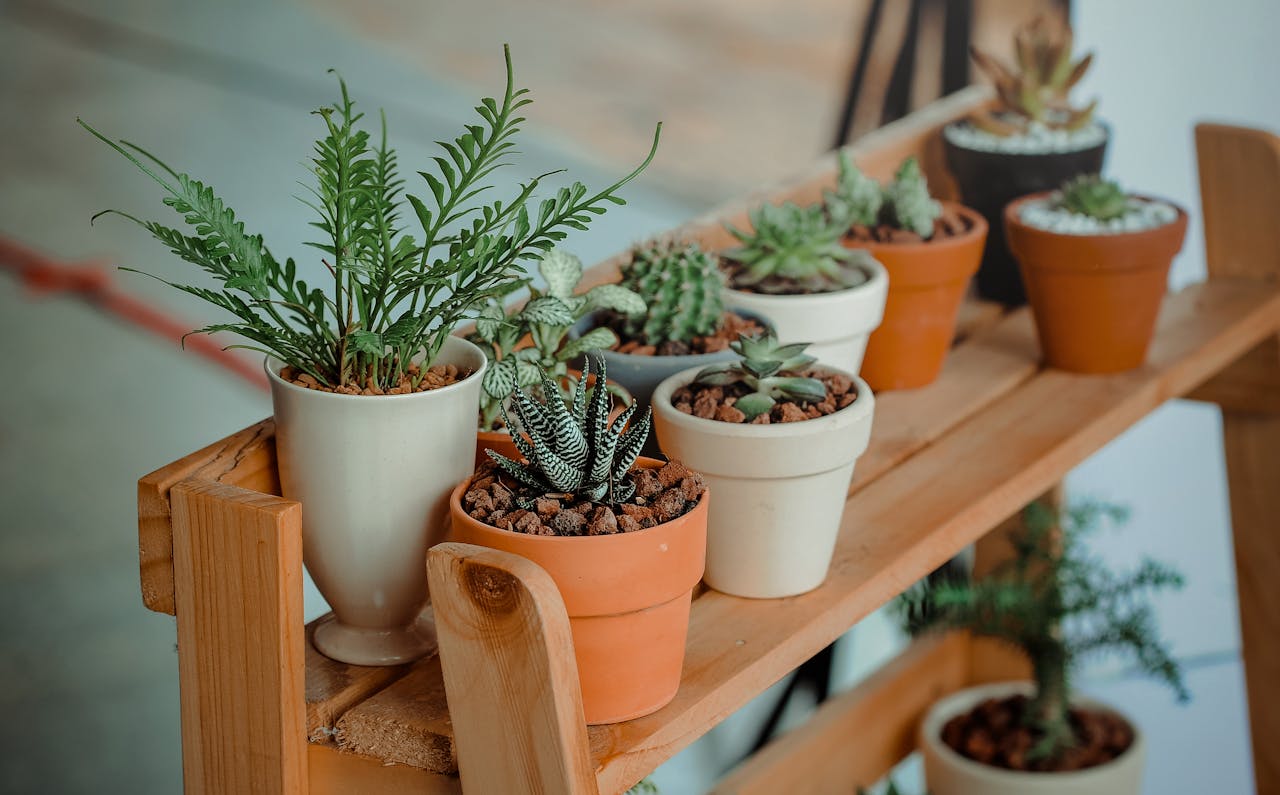
While houseplants can improve air quality and boost your mood, having too many can increase humidity levels, promoting mold growth and dust mites.
To avoid this, try not to overcrowd your space with plants. Also, avoid overwatering them, as this can contribute to excess moisture in your home.
10. Not Cleaning Your Vacuum Cleaner

Your vacuum cleaner can be a breeding ground for bacteria and mold if not cleaned regularly. These can then be released into the air the next time you vacuum, contributing to poor indoor air quality.
To avoid this, empty the bag or canister after every use, and clean or replace the filter as recommended by the manufacturer.
11. Not Washing Your Hands Frequently

Regular hand-washing is one of the simplest and most effective ways to prevent the spread of germs in your home. Failing to wash your hands can lead to the spread of bacteria and viruses, resulting in illnesses.
Make it a habit to wash your hands thoroughly with soap and warm water, especially before eating, after using the restroom, and after handling raw meat or poultry.
12. Using Plastic Food Containers

While plastic food containers are convenient, they can leach harmful chemicals like bisphenol A (BPA) into your food, especially when heated. These chemicals can disrupt hormone function and increase the risk of certain diseases.
Consider switching to glass or stainless steel containers, which are safer and more durable. If you must use plastic containers, choose BPA-free options and avoid heating food in them.