As a savvy declutterer, you probably know that donating your gently used items is a great way to clear up space in your home, while also helping others in need.
Goodwill is a popular choice for donations, but did you know that there are some items you shouldn’t drop off at their donation center? Here’s a list of 12 common household items that Goodwill would prefer you not to donate.
1. Expired or Opened Food
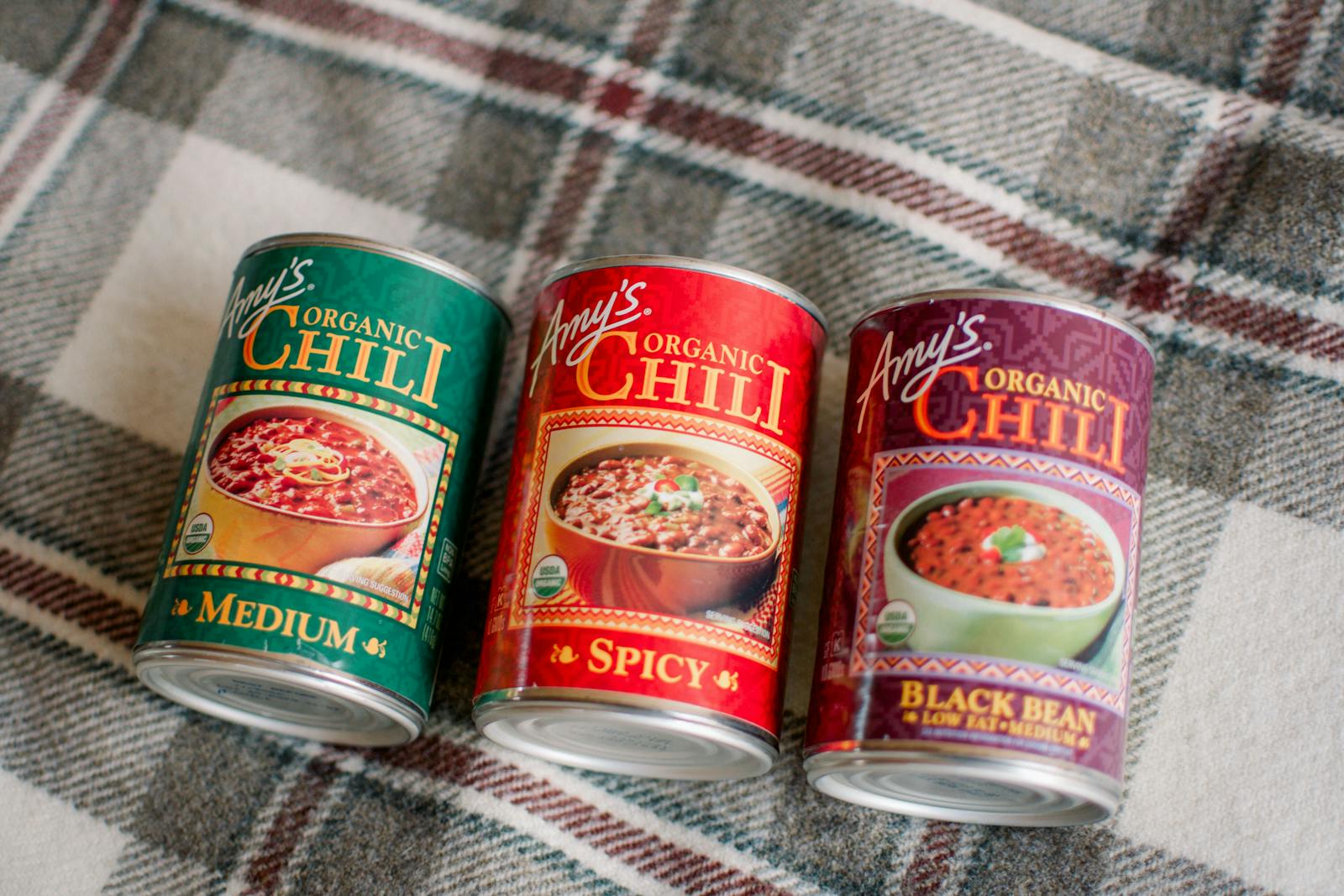
While it might seem like a good idea to clear out your pantry and donate unused food items, not all food is suitable for donation. Goodwill cannot accept expired or opened food, as it can be a potential health risk. They aren’t equipped to handle perishables, and expired goods can be harmful if consumed.
Instead of tossing your expired items in the trash, consider composting them. For unopened, non-expired goods, food banks or community pantries would be a better choice.
2. Old or Outdated Medications

Just as with expired food, you should not donate old or outdated medications. This can pose a serious risk to someone’s health. Plus, Goodwill doesn’t have the resources to properly dispose of medications.
If you have expired or unused medications, check with your local pharmacy or health department for safe disposal options. You can also look into drug take-back programs in your area.
3. Broken Electronics or Appliances
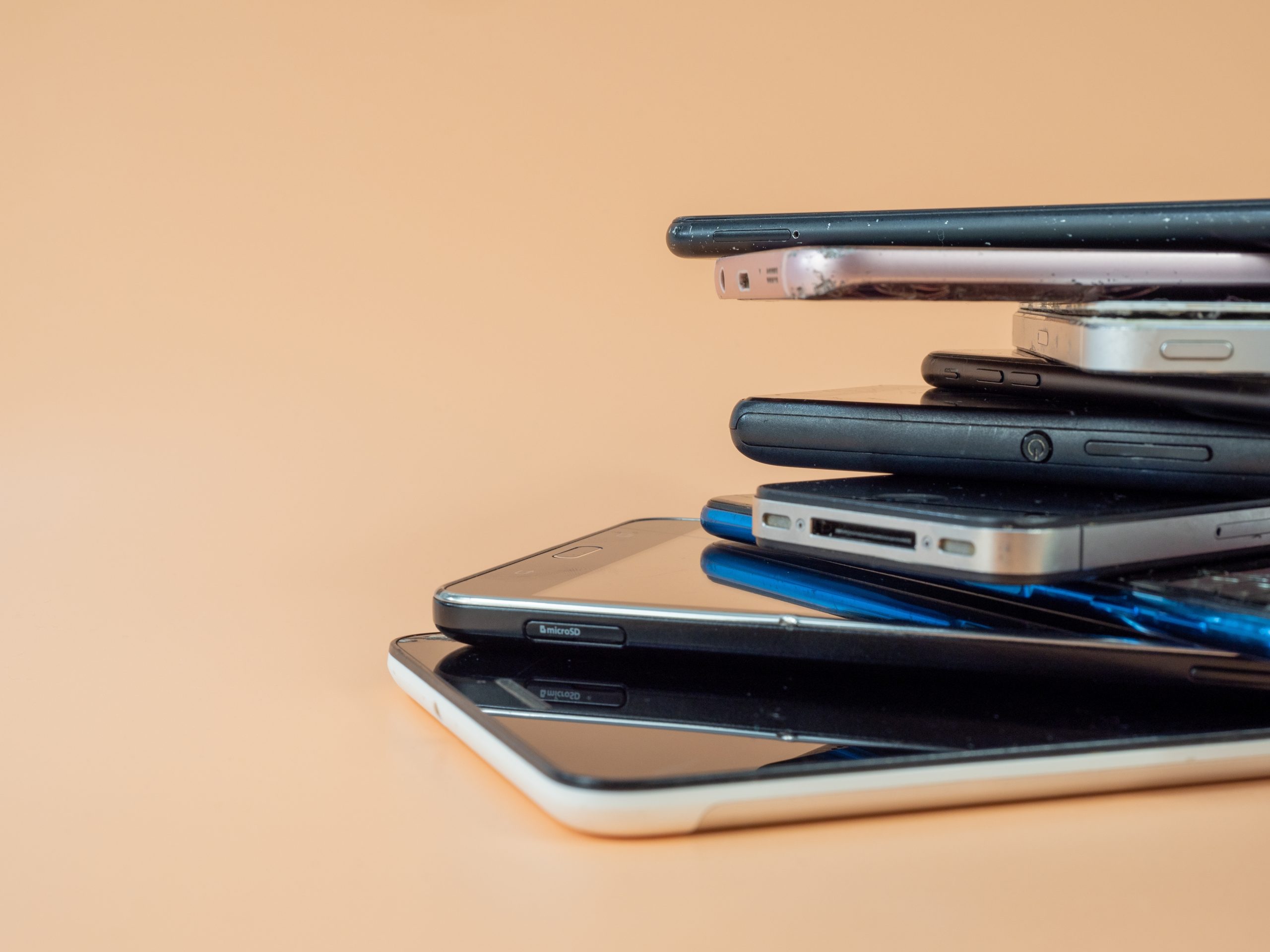
Got a toaster that doesn’t toast or a TV that doesn’t turn on? While it might seem like a good idea to donate these items, Goodwill isn’t equipped to repair or recycle broken electronics or appliances. They can take up valuable space and potentially pose a safety risk.
Instead, look for electronics recycling programs in your area. Many manufacturers and retailers offer take-back programs for old electronics.
4. Outworn or Soiled Clothing and Linens
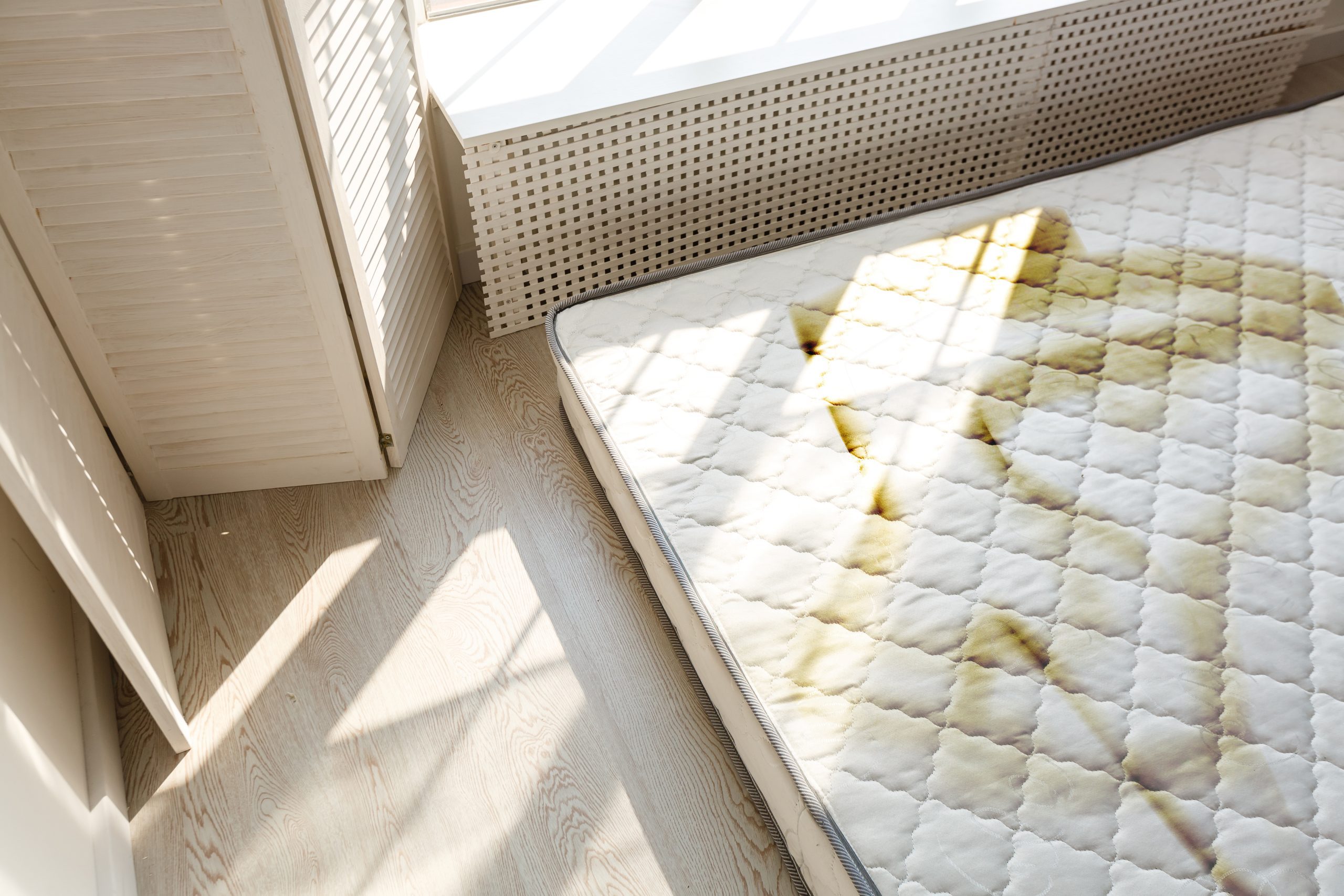
Donating your gently used clothing and linens is a fantastic way to help those in need, but not if they’re outworn or soiled. These items can’t be sold and it costs Goodwill money to dispose of them.
Instead of donating these items, try repairing them or repurposing them into something new. You can also look into textile recycling programs in your area.
5. Used Mattresses or Bedding
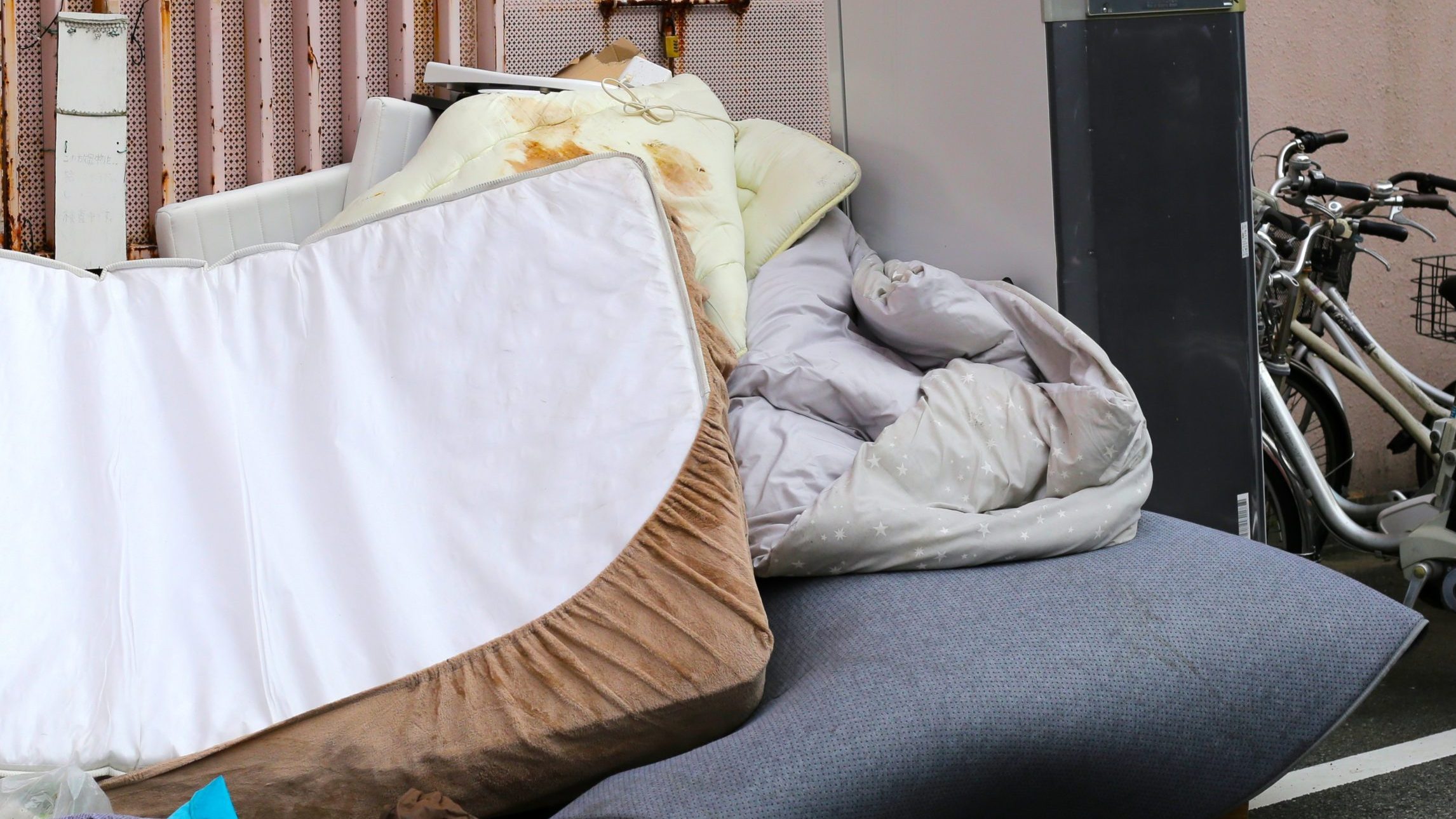
Used mattresses or bedding can harbor bed bugs, allergens, and other health hazards. Plus, many people are uncomfortable buying these items used. Goodwill can’t accept these items due to health and safety regulations.
If you’re unsure what to do with your old pillows and bedding, check out this article for some creative ideas. As for used mattresses, some cities offer recycling programs.
6. Damaged or Incomplete Board Games and Puzzles
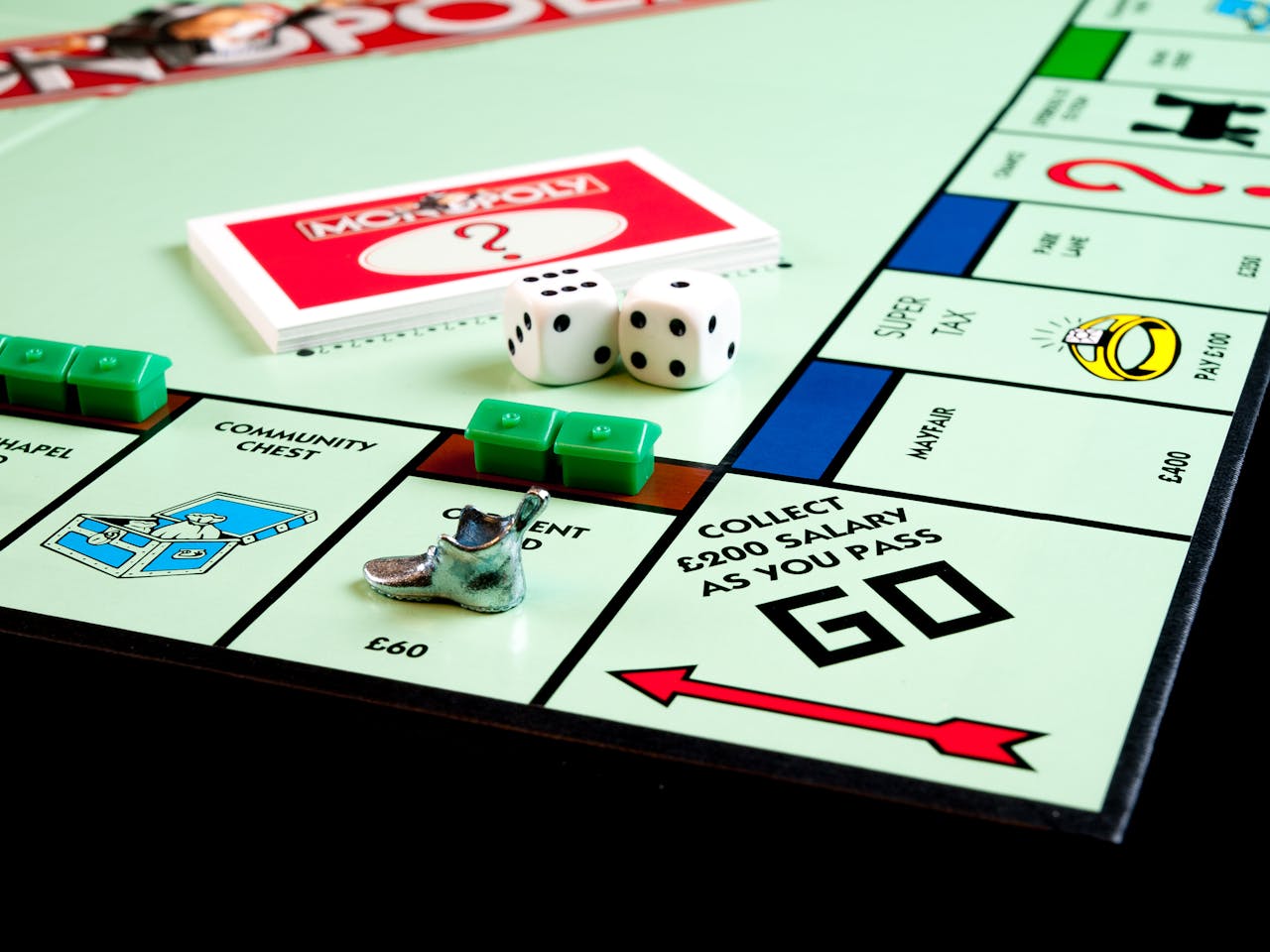
Board games and puzzles can be a great source of entertainment, but not if they’re missing pieces. Goodwill can’t sell incomplete games or puzzles, and they don’t have the resources to check each one for completeness.
Before donating these items, make sure all the pieces are present. If you’re missing pieces, try reaching out to the manufacturer for replacements or repurpose the game into something new.
7. Recalled or Unsafe Children’s Items
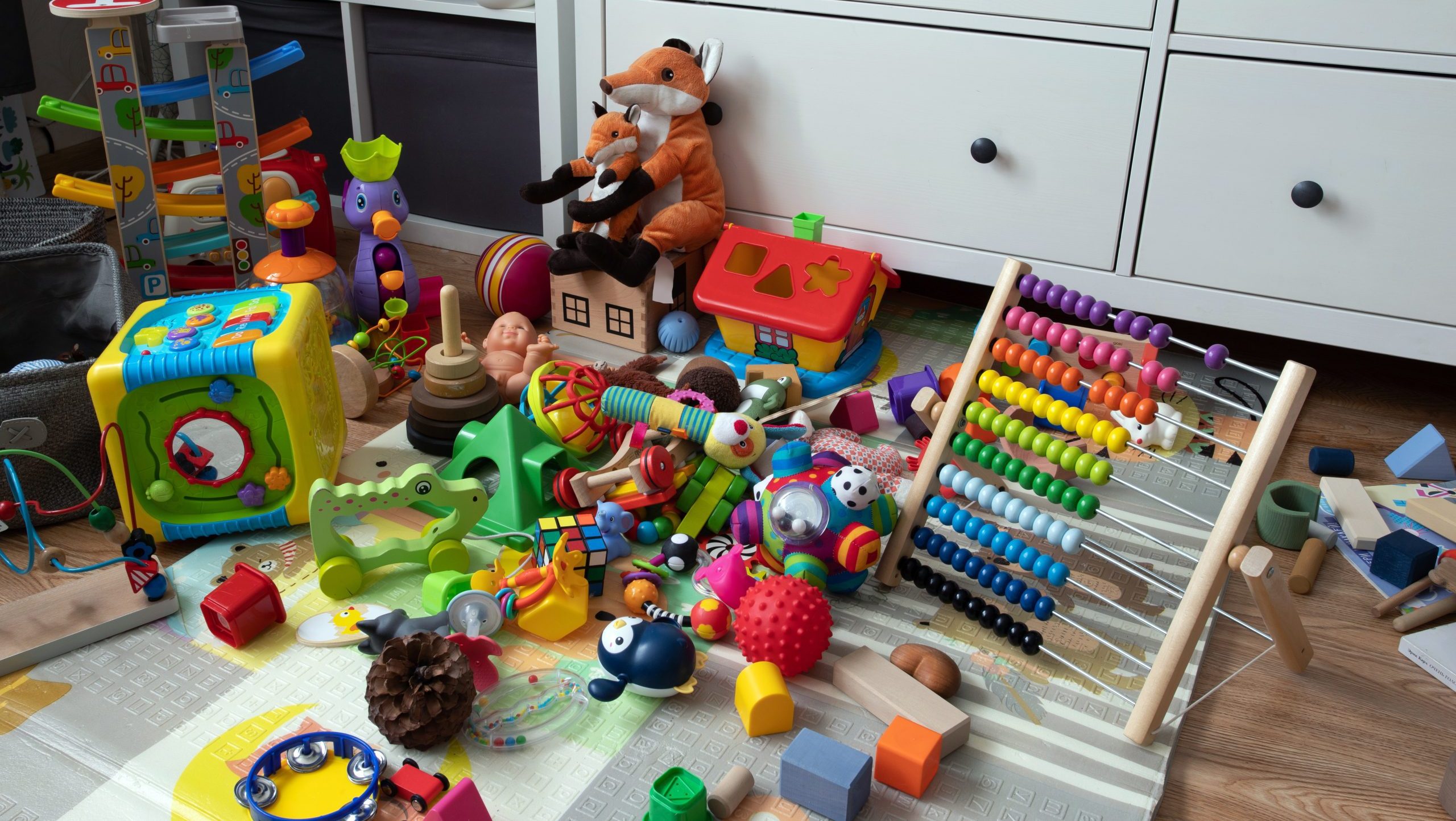
Children’s items like toys, cribs, or car seats can be a godsend for families in need. However, Goodwill can’t accept items that have been recalled, are broken, or don’t meet current safety standards. These items can be a risk to children’s safety.
If you have children’s items to donate, make sure they’re in good condition and meet current safety standards. You can check for recalls on the Consumer Product Safety Commission’s website.
8. Old Tires and Auto Parts
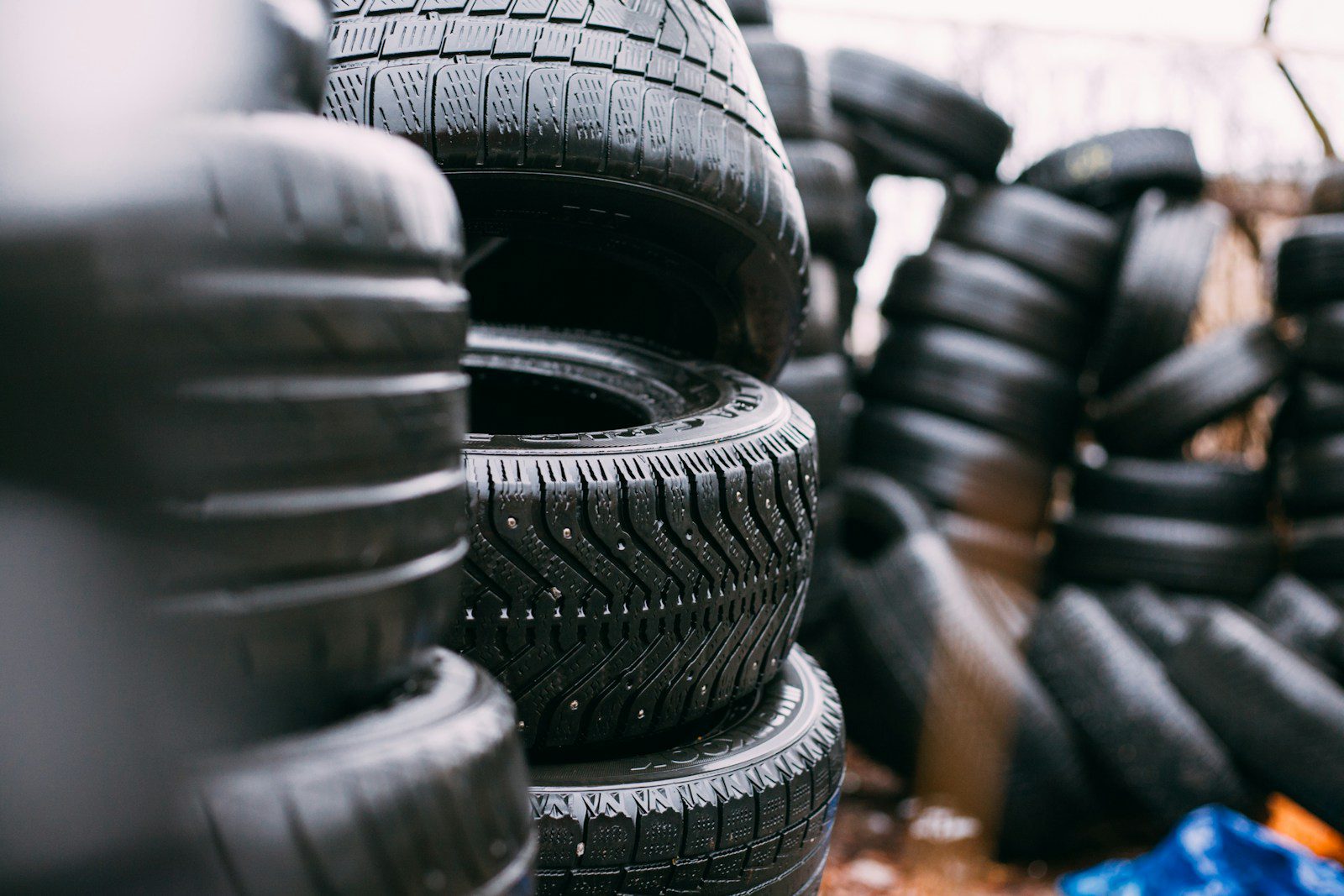
Old tires and auto parts can be difficult and costly to dispose of, and Goodwill isn’t equipped to handle these items. They also can’t sell these items in their stores.
If you have old tires or auto parts to get rid of, check with your local auto parts store or recycling center. Many places offer recycling programs for these items.
9. Hazardous Materials and Chemicals
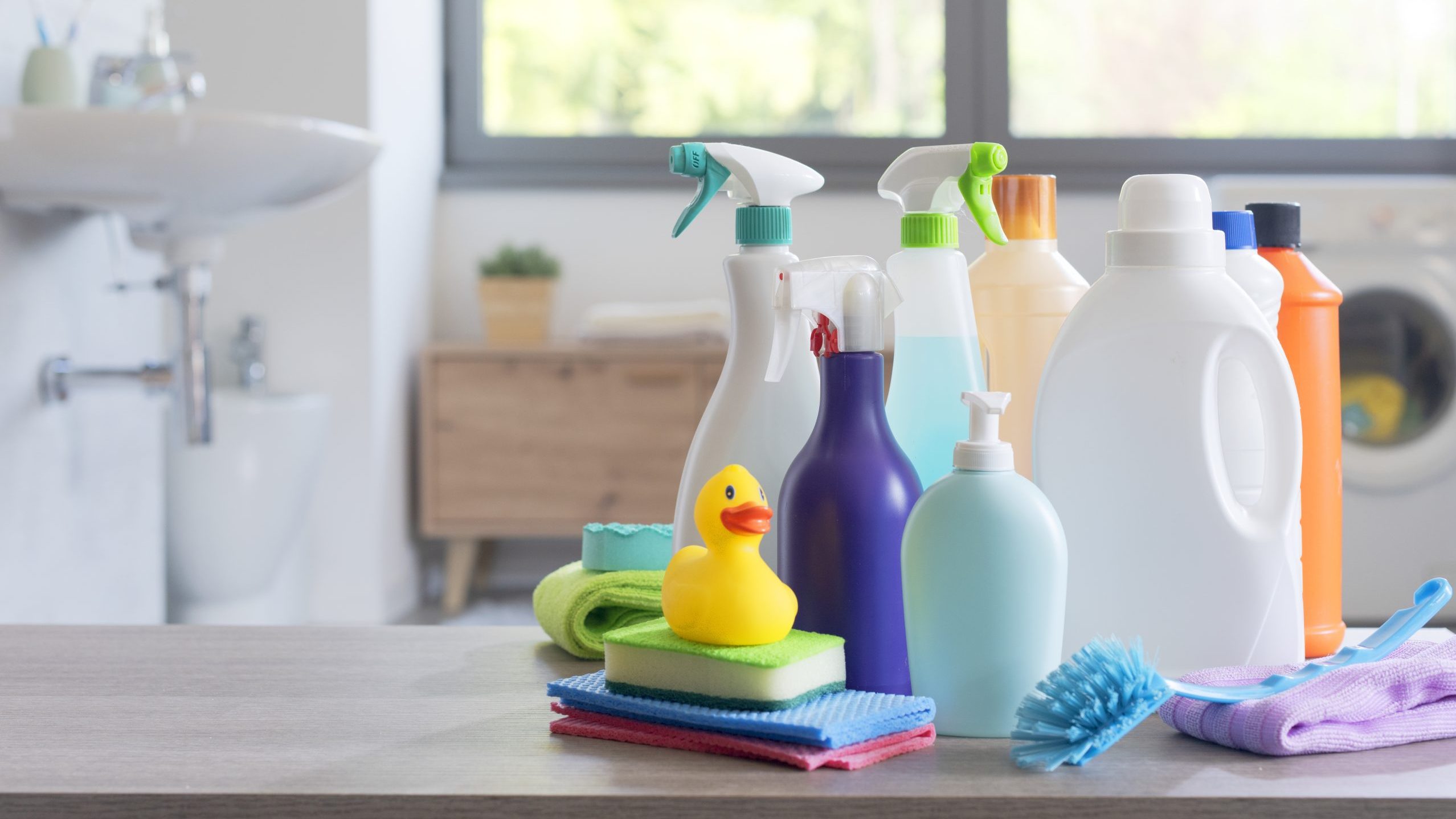
Hazardous materials and chemicals, like paint, batteries, and cleaning supplies, can be dangerous and aren’t suitable for donation. Goodwill isn’t equipped to handle these items safely.
If you have hazardous materials to dispose of, check with your local waste management facility. They can provide information on safe disposal methods.
10. Personal Care Items and Cosmetics

While it might seem like a kind gesture to donate unused personal care items and cosmetics, these items aren’t suitable for donation. Goodwill can’t sell these items due to health and safety regulations.
If you have unused personal care items or cosmetics, consider donating them to a local shelter or nonprofit that accepts these items.
11. Pet Supplies and Used Pet Toys
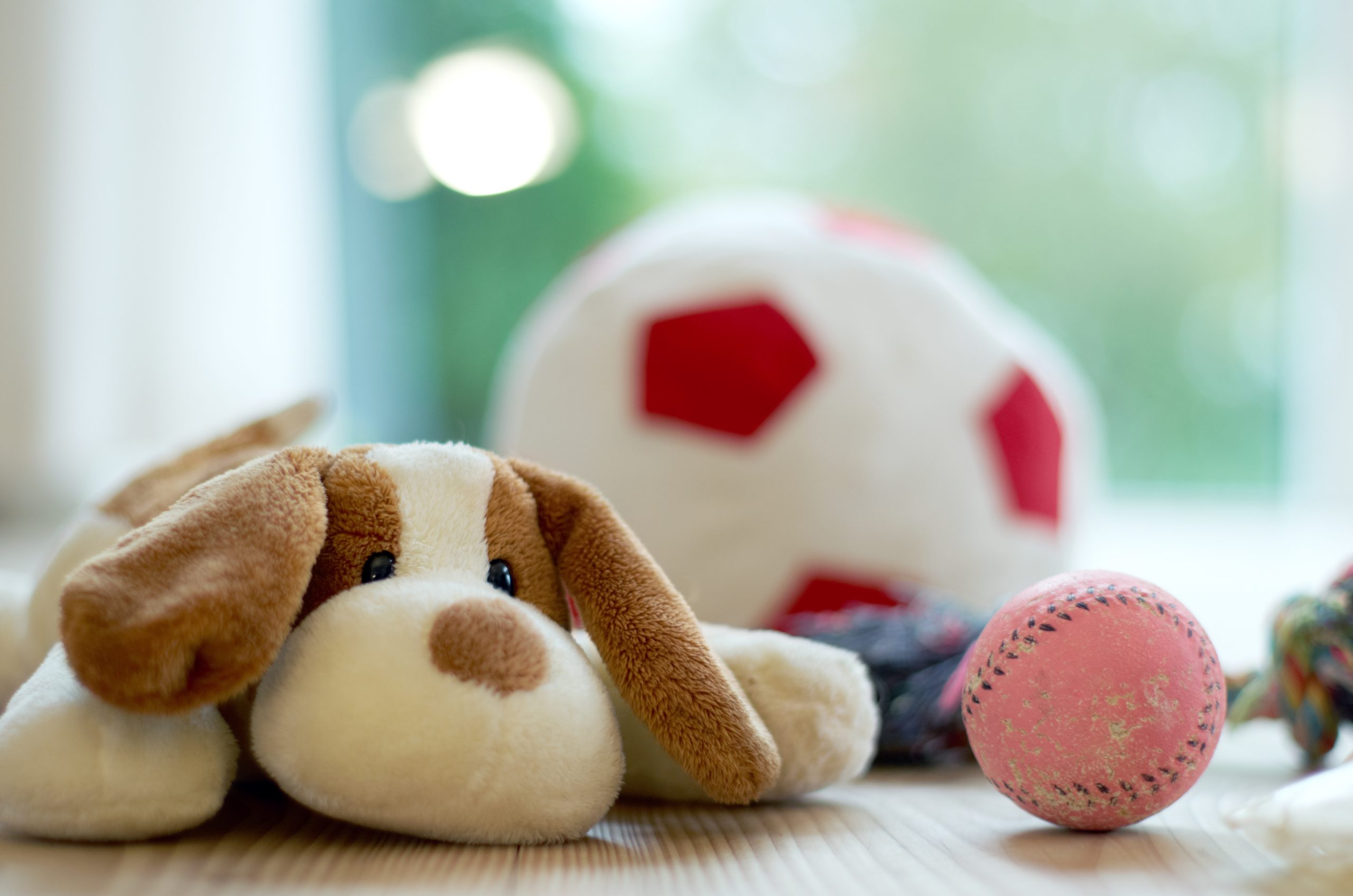
Used pet supplies and toys can harbor bacteria and other health risks. Plus, many people prefer to buy these items new. Goodwill can’t accept these items due to health and safety regulations.
Instead of donating these items, consider giving them to a local animal shelter or pet rescue. They often need supplies and will be grateful for your donation.
12. Old or Outdated Textbooks and Encyclopedias
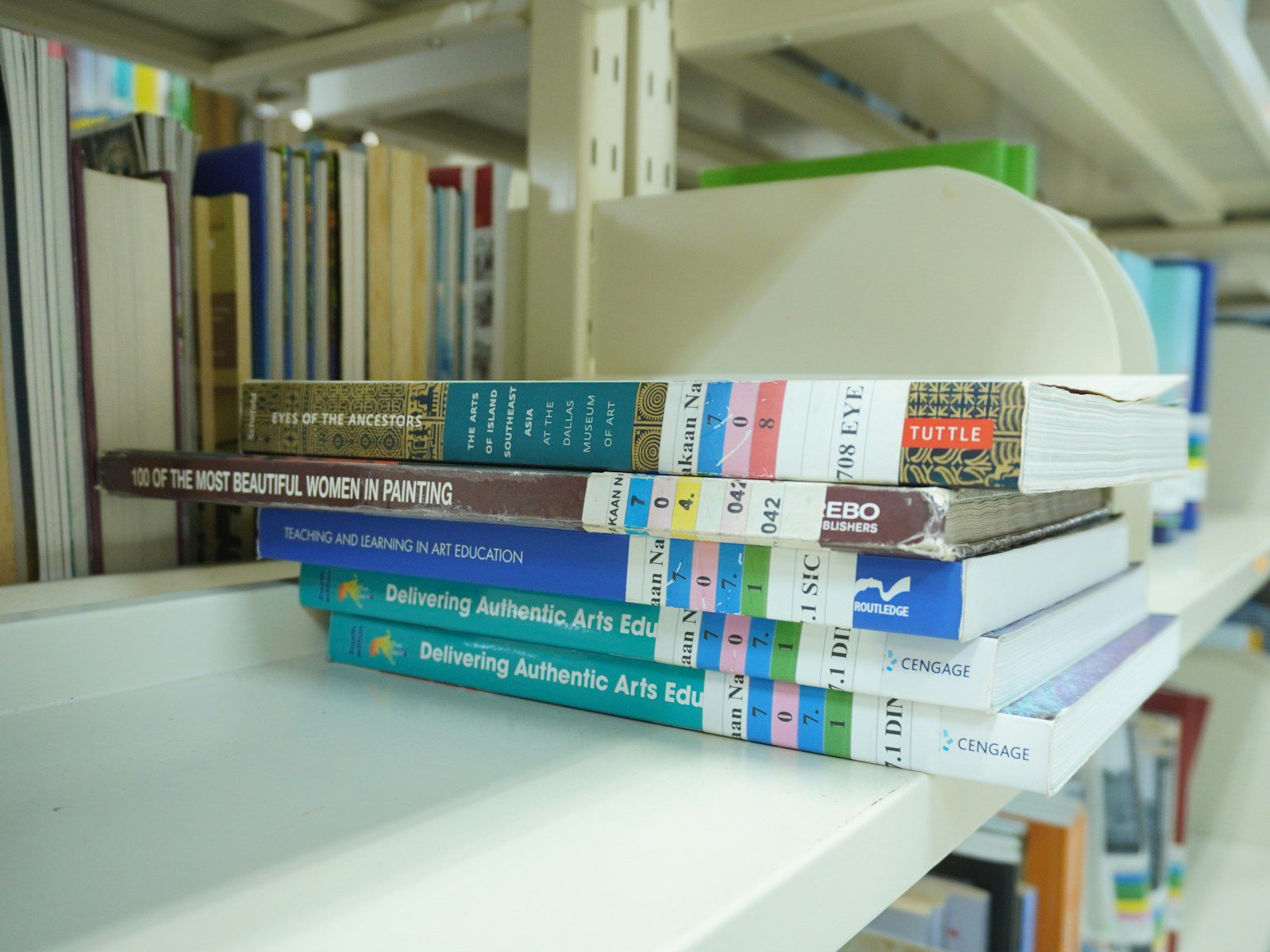
While it might seem like a good idea to donate your old textbooks and encyclopedias, these items often don’t sell. Information in them can become outdated quickly, making them less useful. Goodwill can’t sell these items in their stores.
If you have old textbooks or encyclopedias, consider recycling them or donating them to a local library or school. You can also look into online platforms that buy back used textbooks.