Adding houseplants to your space can do more than just brighten your room. They help improve the quality of the air you breathe, especially while you sleep.
Some plants naturally filter out harmful chemicals and release fresh oxygen overnight, making your indoor air cleaner and healthier. Bringing these plants into your home is an easy and natural way to create a fresher environment.
Spider Plant

You’ll find spider plants easy to care for, making them great if you’re new to houseplants. They thrive in bright, indirect light and prefer moderate watering.
Spider plants work quietly to remove toxins like formaldehyde and carbon monoxide from your air. Just prune any yellow leaves to keep your plant healthy and effective.
Their hanging, arching leaves add a lively touch to any room while improving your indoor air quality overnight.
Snake Plant

You’ll find the snake plant easy to care for, making it perfect for beginners. It thrives in low to indirect light and needs only occasional watering.
This plant improves air quality by removing toxins like formaldehyde and benzene. It also produces oxygen at night, which can help improve your sleep.
Place your snake plant in your bedroom or living space to enjoy cleaner air with minimal effort.
Peace Lily

You’ll find the Peace Lily is a great plant for improving your indoor air quality. It helps reduce common pollutants like benzene, formaldehyde, and ammonia.
This plant does well in low to medium light, making it ideal for bedrooms or offices. Keep the soil moist, and it will let you know when it needs water by drooping its leaves.
Besides cleaning the air, the Peace Lily adds a touch of elegance with its white flowers and dark green leaves. It’s low maintenance and friendly for your space.
Bamboo Palm
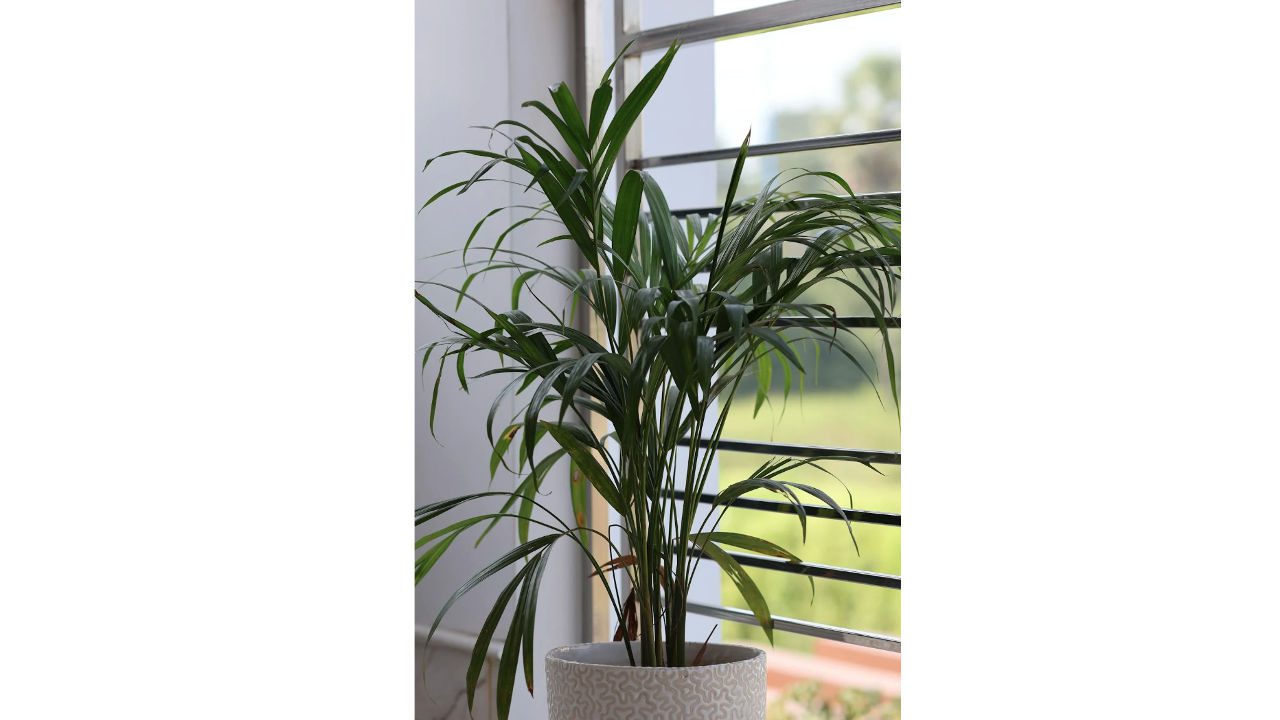
The Bamboo Palm is a great choice if you want a stylish plant that cleans your air overnight. It helps remove common indoor toxins like benzene and formaldehyde.
You’ll enjoy its tropical look, and it can grow quite tall, making it perfect for filling empty corners. Keep the soil moist and place it in bright, indirect light for the best care. Misting the leaves now and then helps prevent browning.
Rubber Plant

You’ll find the rubber plant easy to care for and great at cleaning your indoor air. It helps reduce toxins like formaldehyde, which can linger in your home.
Water your rubber plant when the top soil feels dry, and wipe its leaves occasionally to keep them dust-free. This keeps your plant healthy and shiny.
The rubber plant also adds a touch of green elegance, making your space feel fresh and inviting.
Weeping Fig
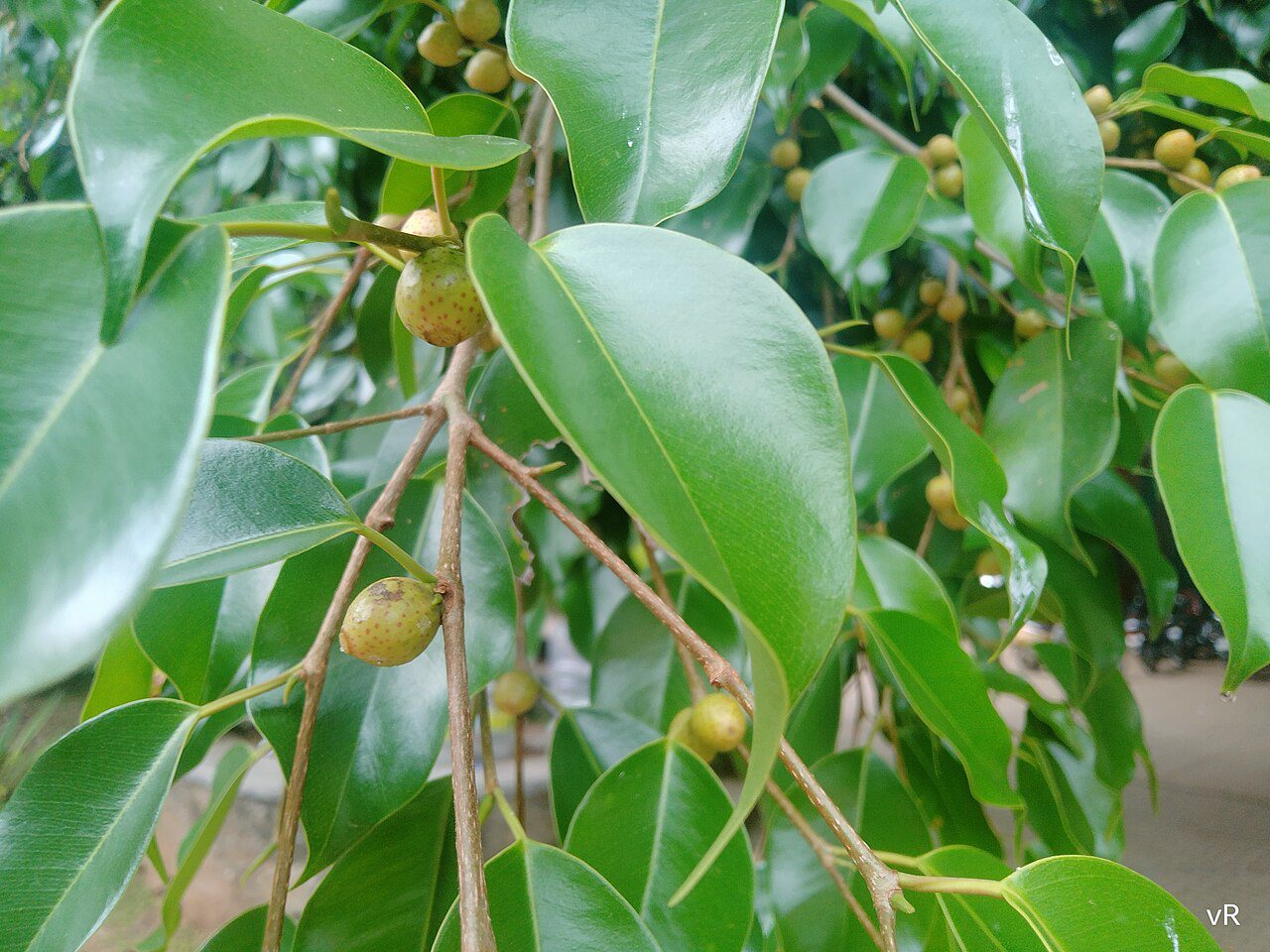
You’ll find the weeping fig is great for brightening up your space while cleaning the air. It prefers bright, indirect light and enjoys warm temperatures.
Just keep its soil lightly moist and make sure the room has good humidity. This plant helps filter pollutants, making your room air fresher overnight.
Boston Fern

Boston ferns are great if you want to improve your indoor air quality. They naturally remove common toxins like formaldehyde and toluene from the air around you.
These plants love humidity, so placing one in your bathroom or kitchen can help it thrive. Keep it in indirect light and moist soil to enjoy its refreshing green presence overnight.
Aloe Vera
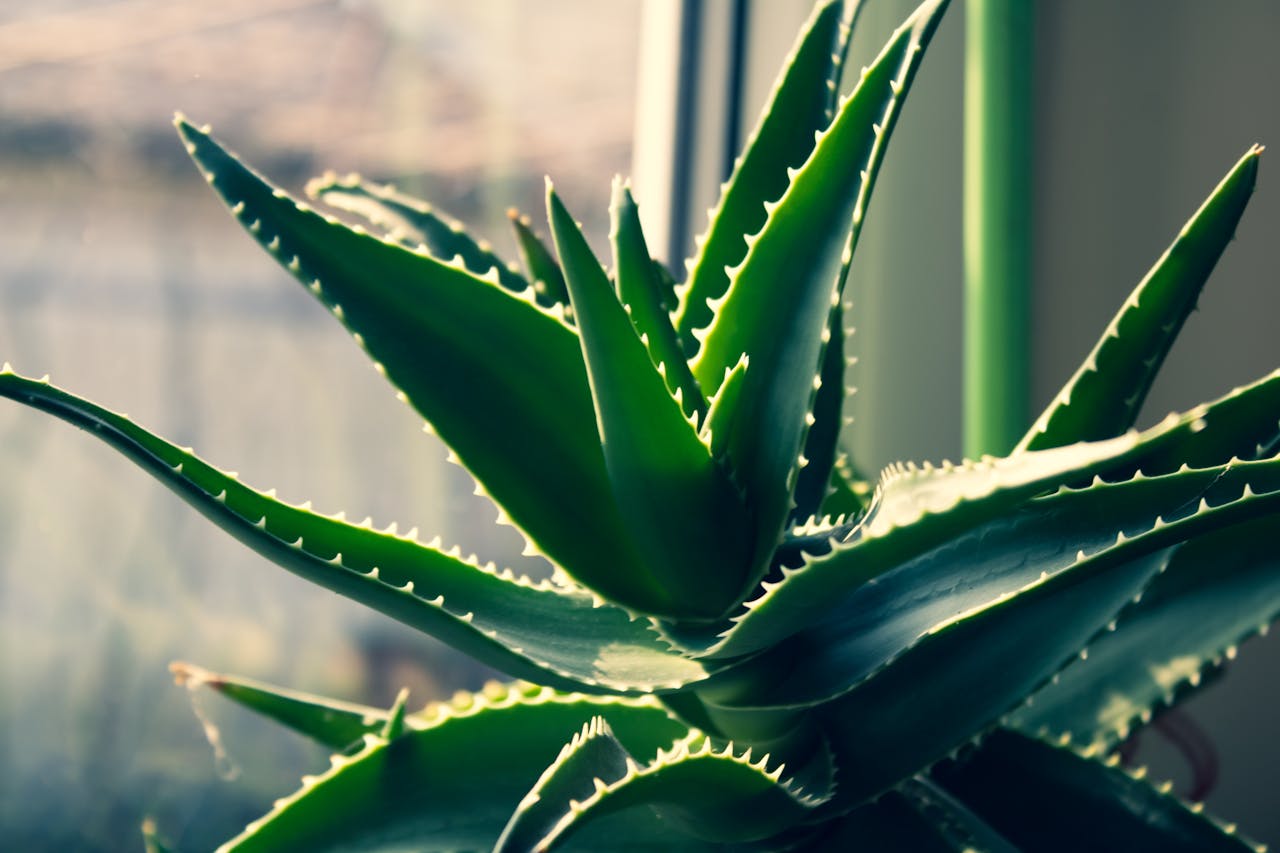
Aloe Vera is a great choice for your home if you want a plant that helps clean the air. It absorbs common indoor toxins like formaldehyde and benzene, which come from paints and cleaning products.
You’ll also find it handy for minor cuts or burns, thanks to the soothing gel inside its leaves. Aloe Vera needs plenty of sunlight and prefers to be watered sparingly, so keep it near a bright window but don’t overwater.
English Ivy

English Ivy is a great choice if you want to improve your indoor air quality. It helps filter out common airborne toxins like formaldehyde and benzene.
You can grow it in hanging baskets or let it climb along walls. It prefers bright, indirect sunlight and likes the soil to dry out between waterings.
This plant is pretty forgiving and can do well even in cooler indoor spaces, making it easy for you to care for.
Dragon Tree
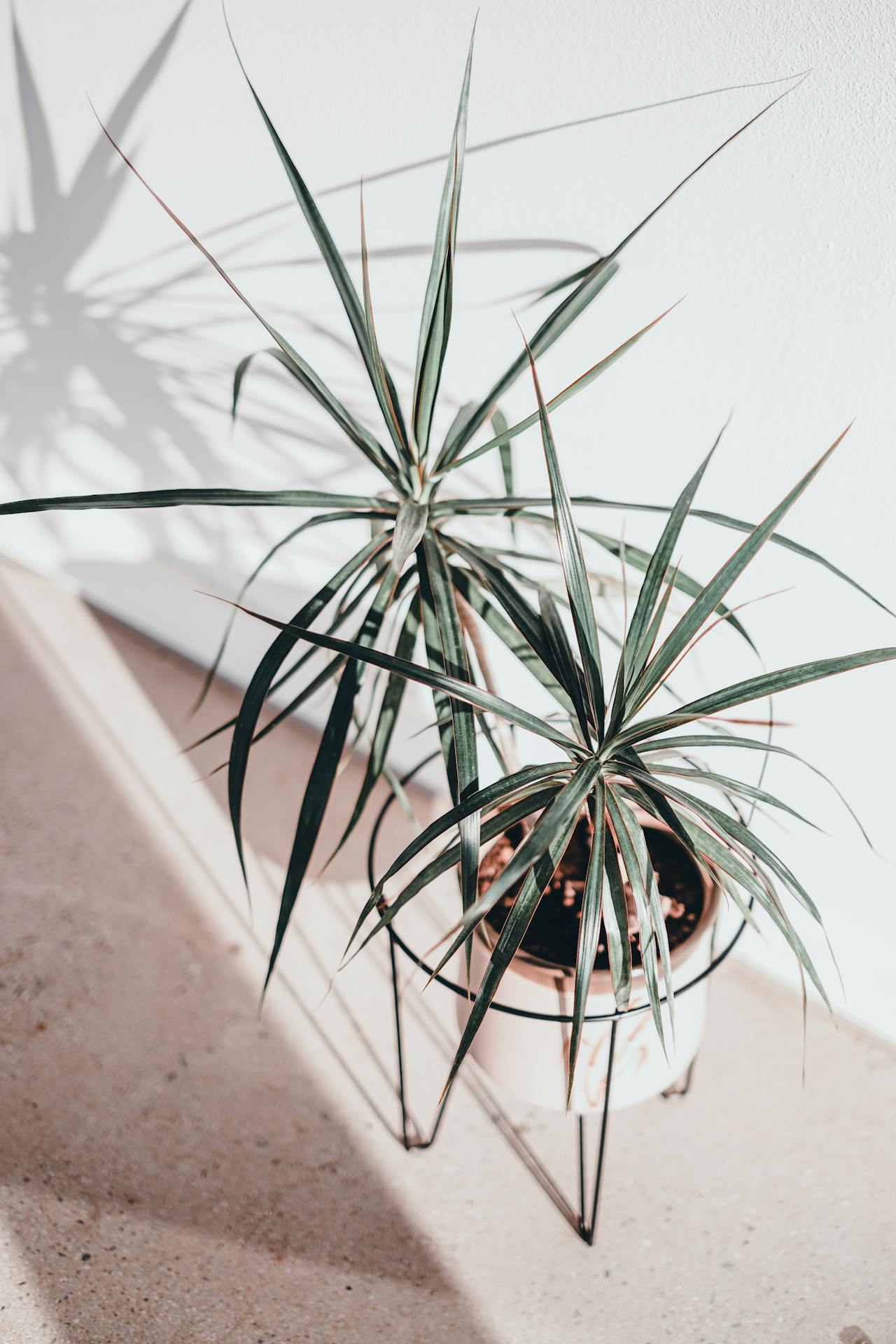
The Dragon Tree is a great choice for your home if you want an easy-to-care-for plant. Its sword-like leaves with red edges add a splash of color while helping to filter out common toxins like benzene and xylene.
You don’t need to worry about complicated care. It thrives in moderate light and only needs occasional watering. It’s a simple way to freshen your indoor air without extra effort.
Areca Palm
You’ll find the Areca Palm is a great addition to your home. It helps remove toxins from the air while adding a soft, natural touch to your space.
Keep the soil moist but never waterlogged. Water it when the top inch of soil feels dry. Misting the leaves occasionally will boost humidity around it.
As your palm grows, check if it needs repotting. Choose a pot slightly bigger than the current one to avoid overwatering.
Gerbera Daisy

The Gerbera Daisy is a bright and cheerful plant that helps improve your indoor air quality. It can reduce common toxins like benzene and formaldehyde from your home.
You’ll want to place it where it can get a few hours of bright morning sun to keep it blooming. While it’s often grown outdoors, it can thrive inside with proper care.