Saving items for your kids can feel overwhelming, but it often comes down to choosing things that will truly matter to them in the long run. Whether it’s sentimental keepsakes or practical belongings, what you hold onto today might offer value or comfort down the road.
Knowing what to save can help you prepare your kids for the future without clutter or confusion. This article will guide you through key items that are worth setting aside, making the process of saving simpler and more meaningful for you and your family.
Baby clothes in good condition
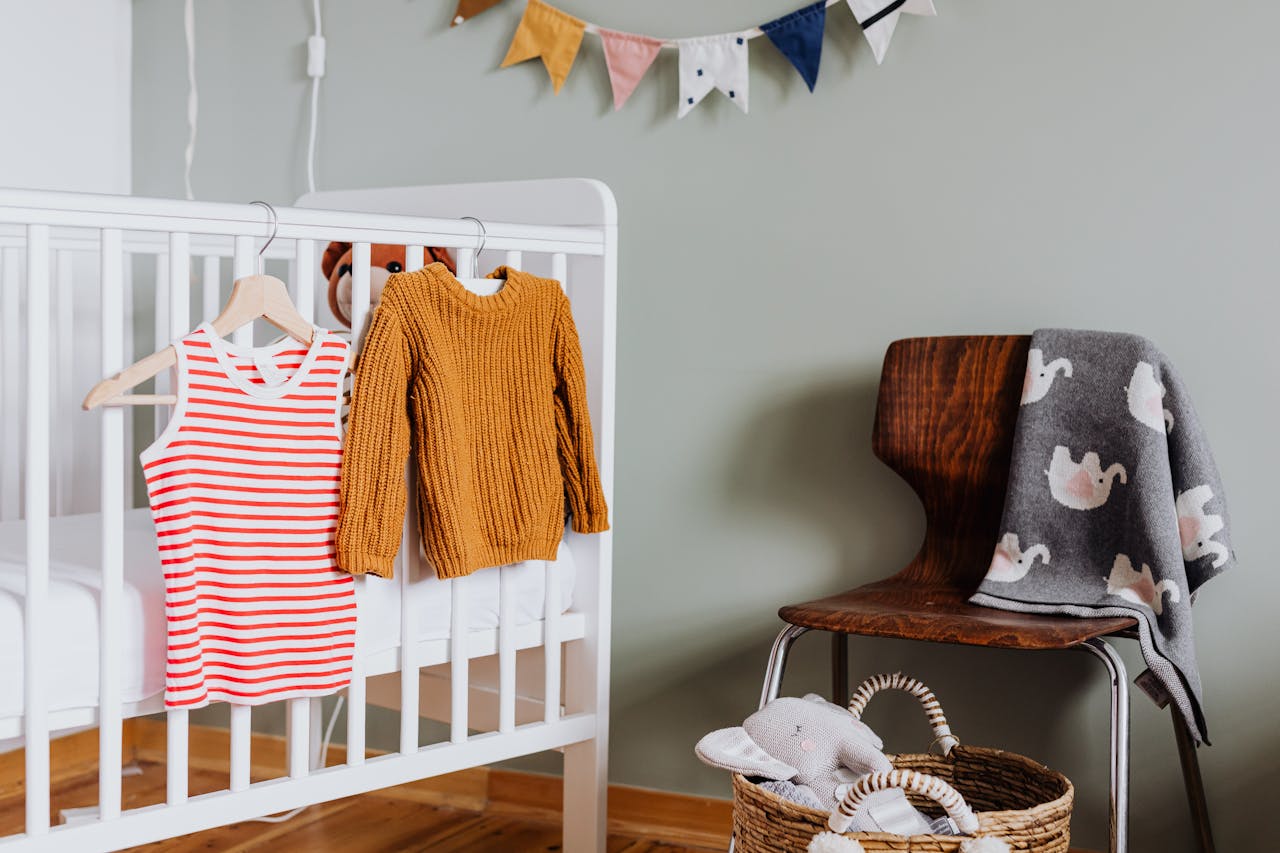
You should save baby clothes that are still in good shape. Pieces like soft onesies, sleepers, and jackets can easily be passed down or kept for future use.
Focus on items without stains, tears, or worn-out fabric. These clothes take up little space but are perfect for next babies or hand-me-downs.
Keeping a small selection also helps avoid clutter. You won’t need a giant pile, just the best-quality, gently used pieces.
Extra baby blankets
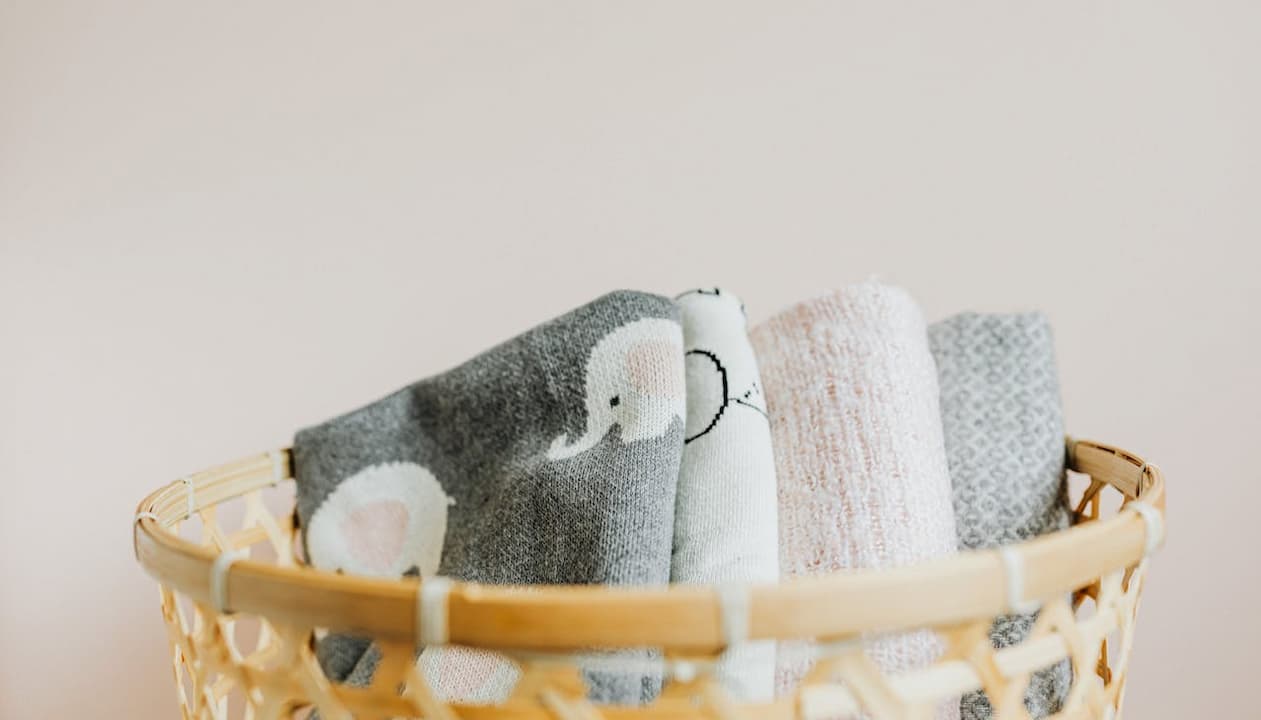
You’ll want to keep extra baby blankets around because toddlers really love them. They use blankets to snuggle, play, or even wear as a cape.
Blankets often grow with your child, especially larger ones that can last longer. Saving a few soft, comfy blankets gives your kid something familiar as they get older.
Having a variety also helps when you need backups during naps or travel. Plus, they can become keepsakes or hand-me-downs for younger siblings.
Favorite childhood books

You should keep a few of your child’s favorite books. These stories hold memories and moments of joy.
Books that sparked your child’s love for reading are worth saving. They can be shared with younger siblings or even your child when they’re older.
Classic titles or well-loved stories often come back into favor. Holding onto them means you have a go-to for bedtime or rainy days.
Old notebooks and stationery

You might hesitate to toss old notebooks and stationery because they could be useful for your kids later. Notebooks with blank pages are great for doodling, note-taking, or school projects.
Stationery like pens, markers, and stickers can also come in handy for creative activities. Keeping these items saves you from buying new supplies frequently, which adds up over time.
Classic board games like Monopoly

You might think of Monopoly as just a simple game, but it can teach your kids about money and strategy. It’s a good way to spend time together, passing on skills like counting, planning, and negotiating.
If Monopoly feels old or slow, there are faster alternatives like Monopoly Deal, which uses cards only. You can also explore other classics like Catan that keep things fresh and fun for the whole family.
Hand-me-down electronics like iPads

You might think about saving your old iPads or tablets for your kids. These devices can be useful for learning or entertainment without buying new ones.
Keep in mind, kids don’t always treat electronics carefully. Hand-me-downs may get damaged quickly, so setting clear rules on usage helps protect them.
Limiting screen time is important too. Even with older devices, balance is key to avoid too much dependence on screens.
School supplies from past years

You might find it handy to keep some school supplies from past years. Items like notebooks, pencils, and binders often still work if they’re in good shape.
These supplies can save you a trip to the store and help your kids start the year right away. Plus, you never know when extra supplies come in handy for projects or homework.
Sentimental toys like a favorite teddy bear
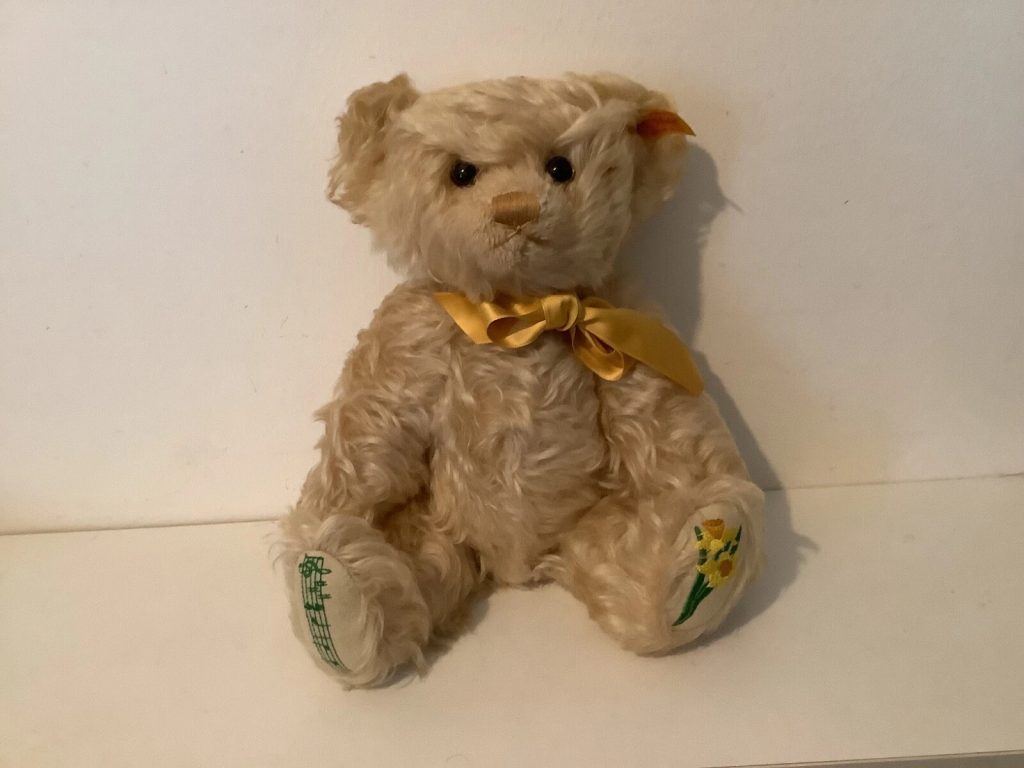
You might have a teddy bear or a soft toy that your child loved deeply. These toys often offer comfort and a sense of security during early years.
Keeping these sentimental toys can be a sweet way to connect generations. When your kids see the toys you cherished, it creates a special bond to their childhood and yours.
It’s not just about the toy itself but the memories it holds. Saving them can feel like holding onto small, meaningful pieces of your family’s story.
Artwork and crafts they’ve made

You should hold onto a few special pieces of your kids’ artwork and crafts. These creations show their personality and growth over time.
Keep the current favorites on display and swap them out when new ones come in.
For the rest, pick a few meaningful items to save in a folder or a storage bin. You can also take photos or scan pieces to save space but still keep the memories.
Photo albums with family memories
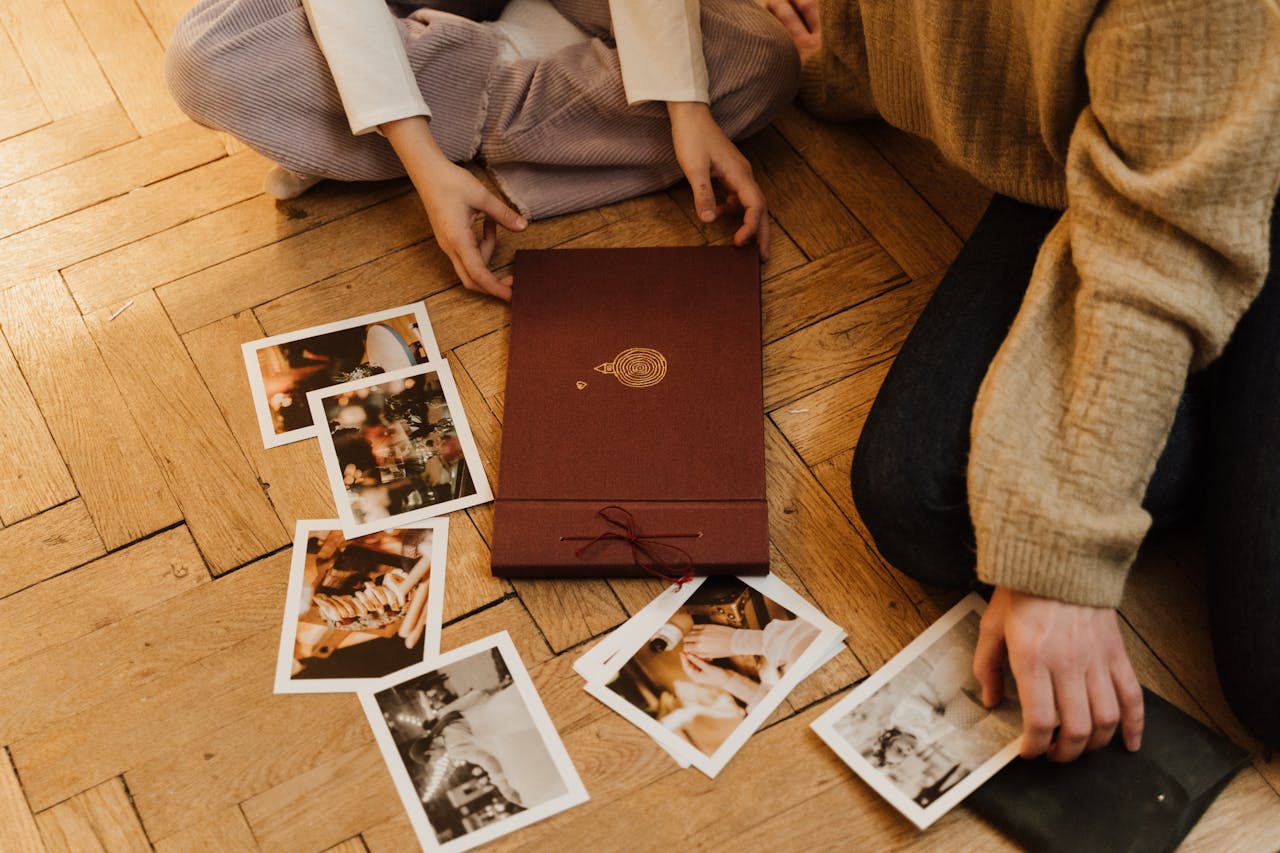
You should keep photo albums that capture special moments with your family. These albums tell your kids about their childhood and your shared experiences.
Whether you print physical photos or create digital albums, having these memories saved is meaningful. You can organize by year, event, or child to keep things clear.
Adding captions or notes makes the albums even more personal. It’s a simple way to pass down your family story and keep those moments alive.
Certificates and awards
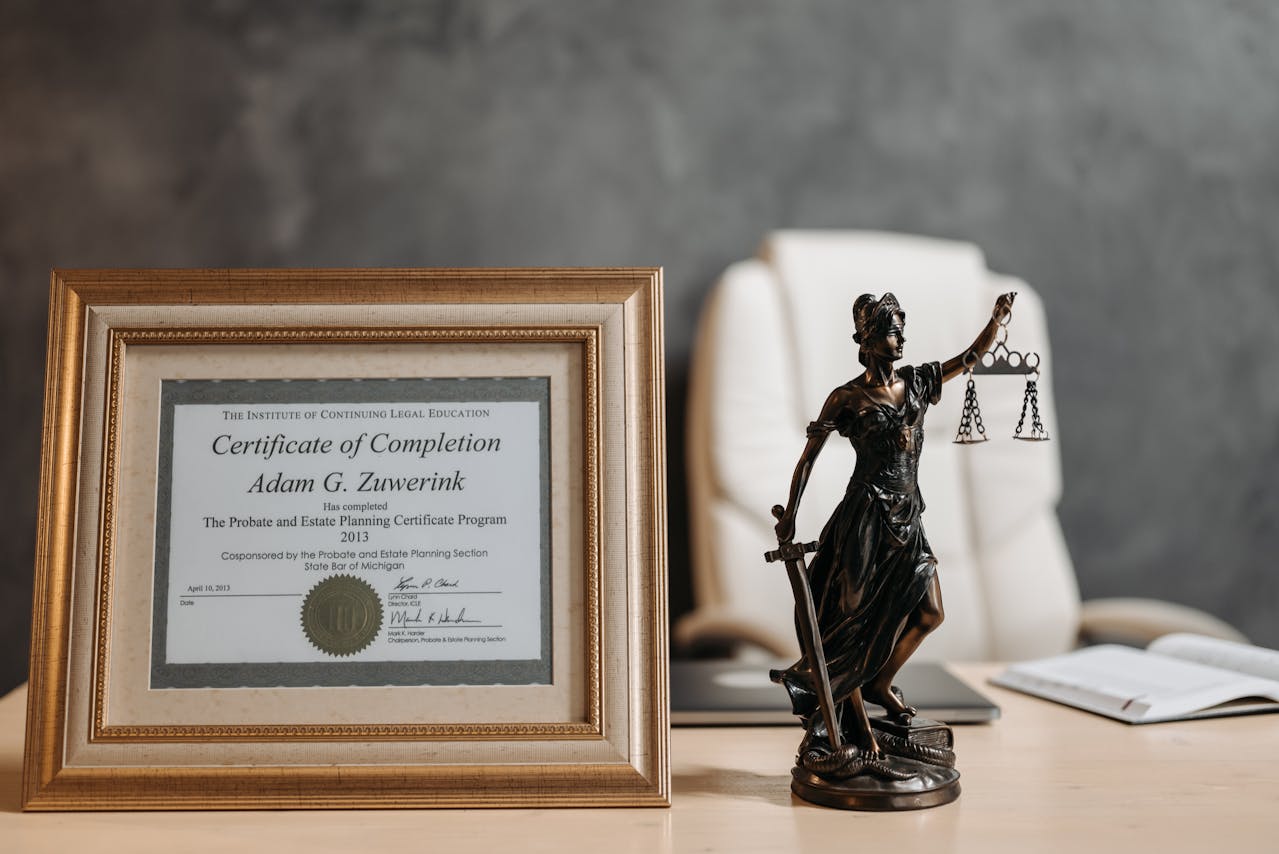
You should save your kid’s certificates and awards from school or activities. These pieces show their growth and efforts over the years. Whether it’s for perfect attendance, sports, or art, these small reminders matter.
Even simple, colorful awards can bring back good memories later. Keeping them organized helps your child see how far they’ve come. Plus, they’re nice to look at when you want to celebrate achievements together.
Family recipes handwritten on cards

You should keep those handwritten recipe cards from your family. They carry more than just ingredients—they hold memories and stories.
These cards often show fingerprints, stains, and notes that give a personal touch. Passing them on gives your kids a way to connect with their roots.
Even if you have digital copies, having the original cards adds warmth and history to your kitchen. It’s like handing down a piece of your family’s soul.