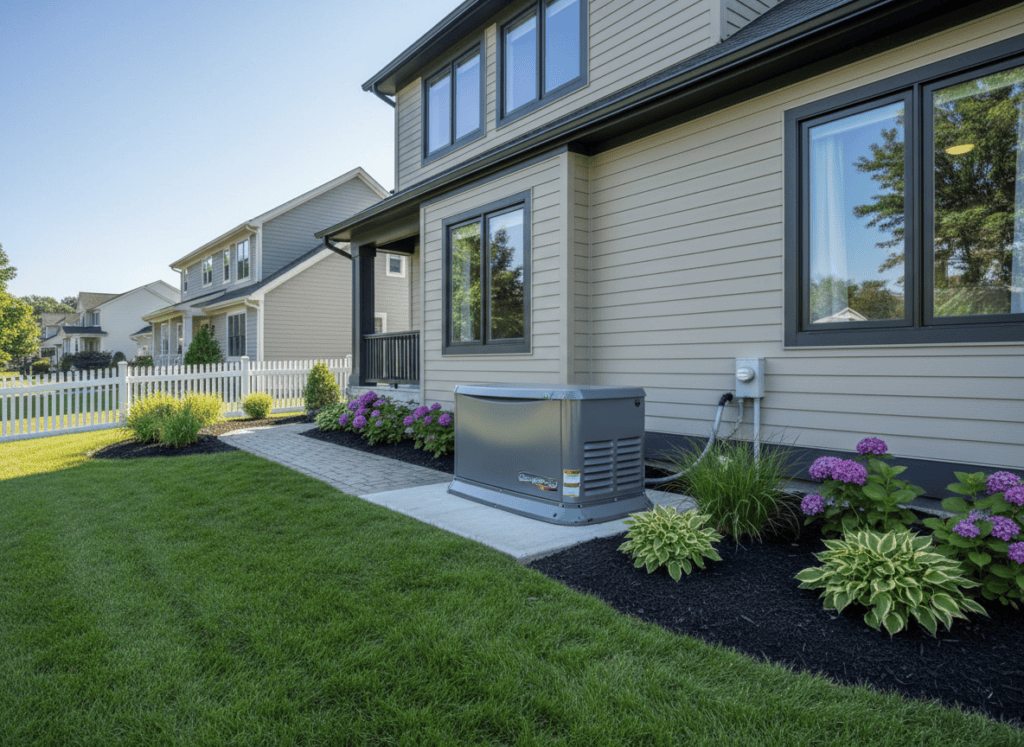
Your home can be costing you more than you realize through small, unnoticed issues. These money leaks can add up, affecting your budget and overall expenses without obvious signs.
By identifying and fixing these common problems, you can save money and improve your home’s efficiency. Taking simple steps today can help you keep more of your hard-earned cash where it belongs—right in your pocket.
Fix dripping faucets promptly

A dripping faucet wastes water and can raise your utility bill over time. You can often fix this by replacing worn washers or gaskets inside the faucet.
Start by turning off the water supply, then take apart the faucet to check for any damaged parts. Fixing a leak early helps avoid bigger repairs later and saves you money.
Inspect and repair running toilets

If your toilet keeps running, it can waste a surprising amount of water and increase your bills. Start by lifting the tank lid and checking the flapper valve at the bottom.
Sometimes, the flapper doesn’t seal properly, causing water to leak continuously into the bowl. You can fix this by replacing the flapper or adjusting the chain that connects it to the flush handle.
You might also need to check the fill valve, which controls how much water refills the tank. These repairs are easy and often take less than 15 minutes with minimal tools.
Seal leaks around windows and doors

You can save money by sealing air leaks around your windows and doors. Start by checking for drafts with your hand or a flashlight on a windy day.
Use caulk to fill small gaps around window frames. For larger gaps, try weatherstripping or foam insulation for a better seal.
Make sure to clean the area before applying caulk, and cut the tube tip at an angle for easier use. These simple steps help keep your home comfortable and reduce energy bills.
Check water heater for leaks

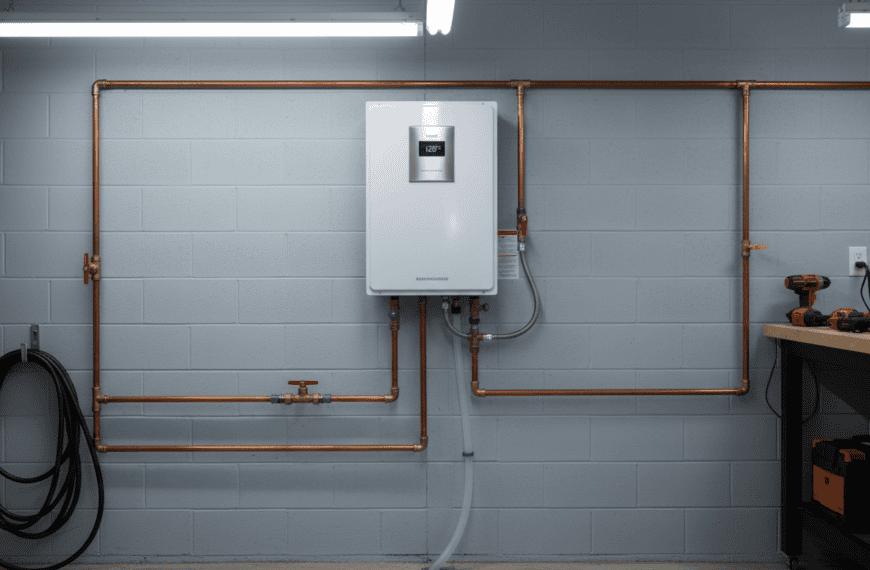
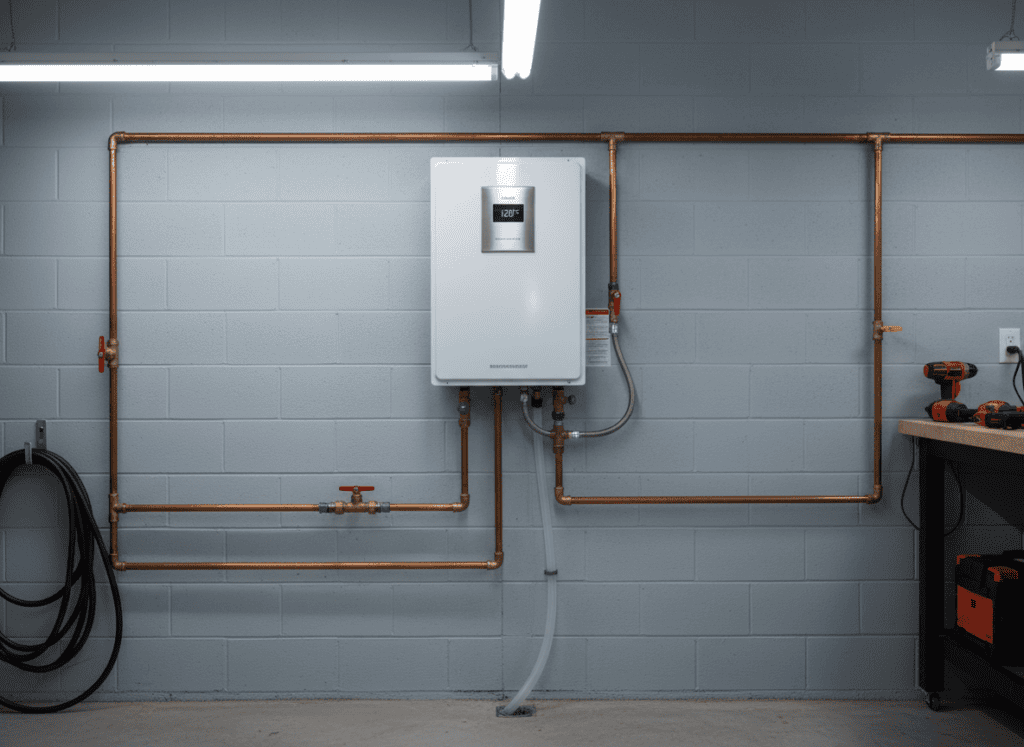
You should regularly check your water heater for leaks to avoid wasting water and energy. Look around the base and connections for any wet spots or dripping.
Leaks can come from loose fittings, faulty valves, or the tank itself. If you spot a leak at the bottom, it often means the tank needs replacing.
Tightening loose connections might fix minor leaks, but persistent ones usually require professional help. Catching leaks early can save you money on repairs and bills.
Replace worn-out pipe washers
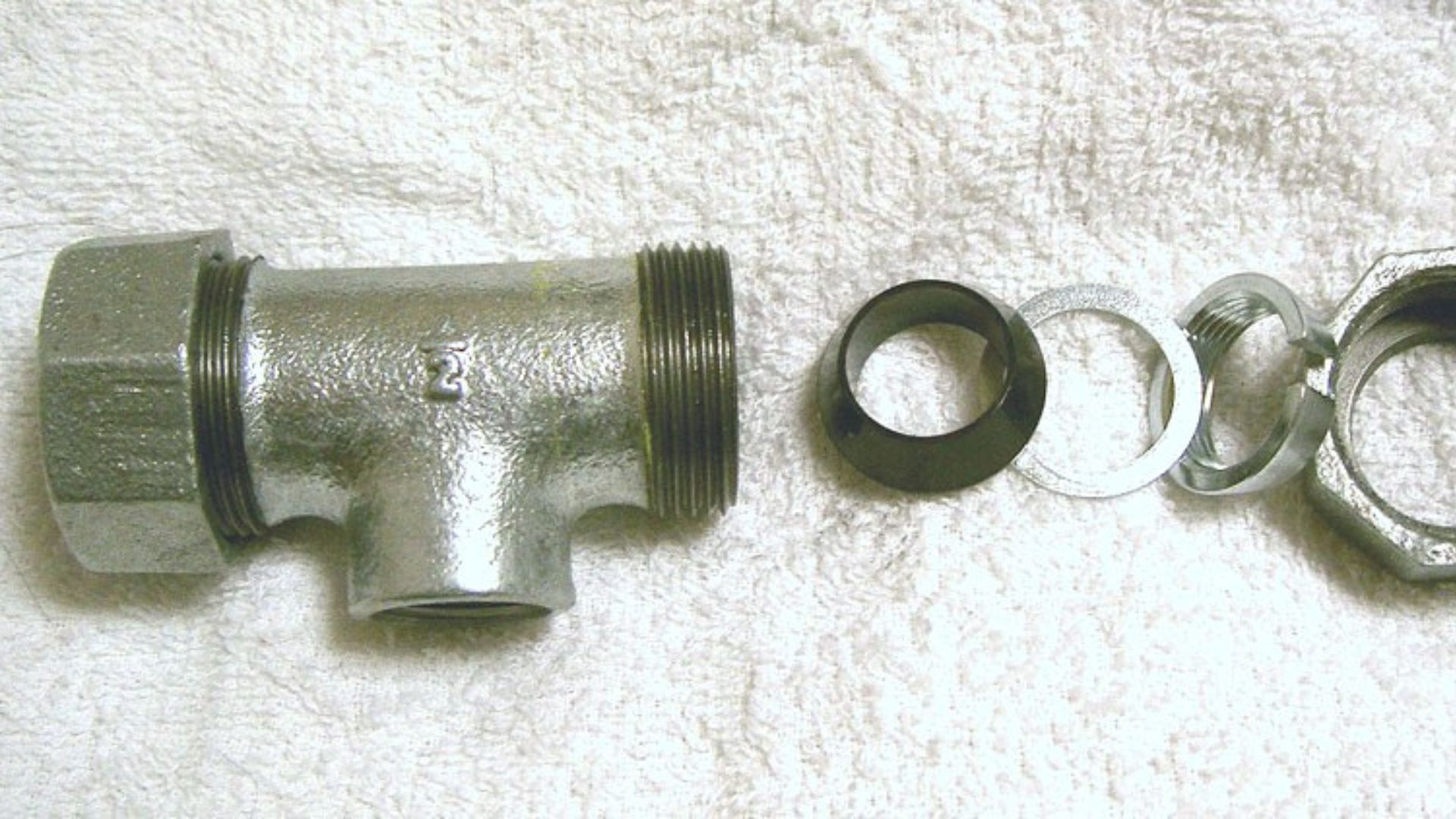
If you notice a drip at a pipe joint, the washer inside might be worn out. These small rubber or nylon washers create a seal that stops leaks.
You can easily replace them yourself. Turn off the water, unscrew the connection, swap the old washer for a new one, and tighten it back up.
This simple fix helps prevent water waste and can save you money on your water bill. Checking washers regularly keeps your plumbing running smoothly.
Fix leaks in irrigation systems
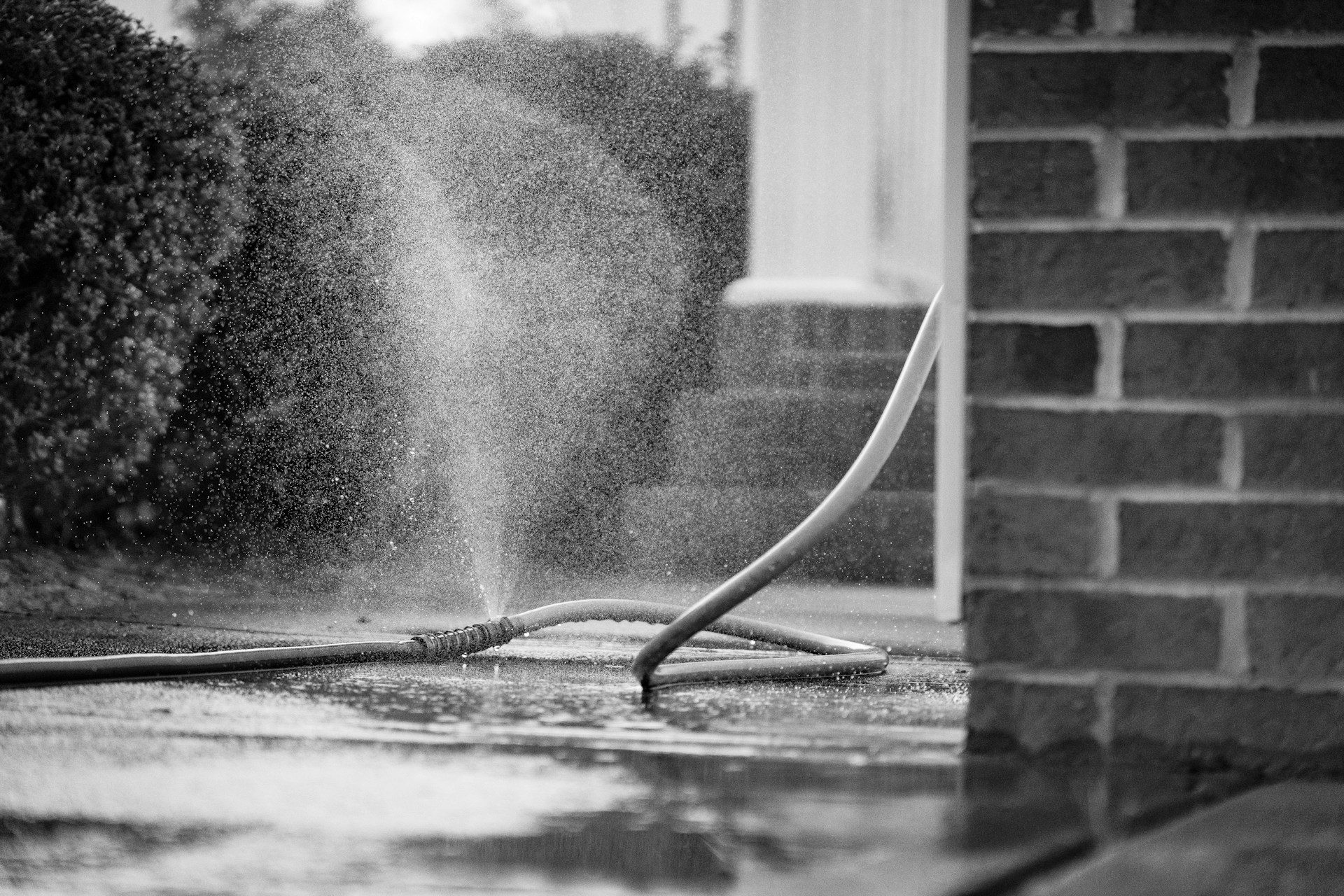
If you notice soggy spots or unusually high water bills, your irrigation system might have a leak. Start by turning off the water supply and checking for broken or missing sprinkler heads.
You can often fix minor leaks by replacing just the damaged parts without digging too much. Prompt repairs save water and prevent damage to your lawn.
Regularly inspect your system to catch leaks early. Small fixes now help avoid costly problems later.
Monitor water meter for hidden leaks
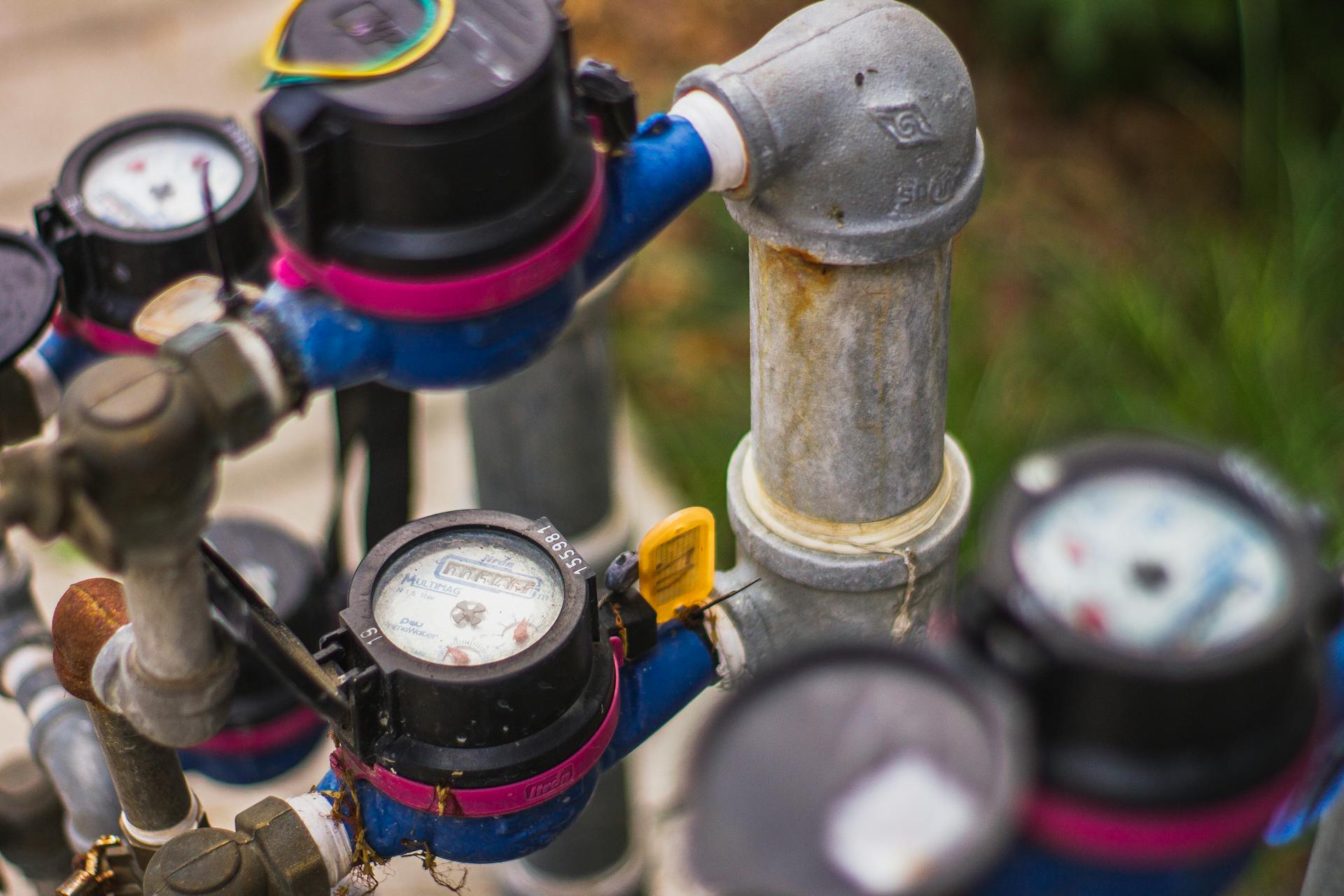
You can catch hidden leaks by regularly checking your water meter. Look for movement on the meter when no water is being used in your home.
Many water meters have a leak indicator you can watch for. If it spins or moves with no water running, there may be a leak in your system.
Using a smart water monitor can make this easier. These devices alert you to unusual water flow, helping you fix leaks early and save money.
Apply pipe tape on plumbing connections
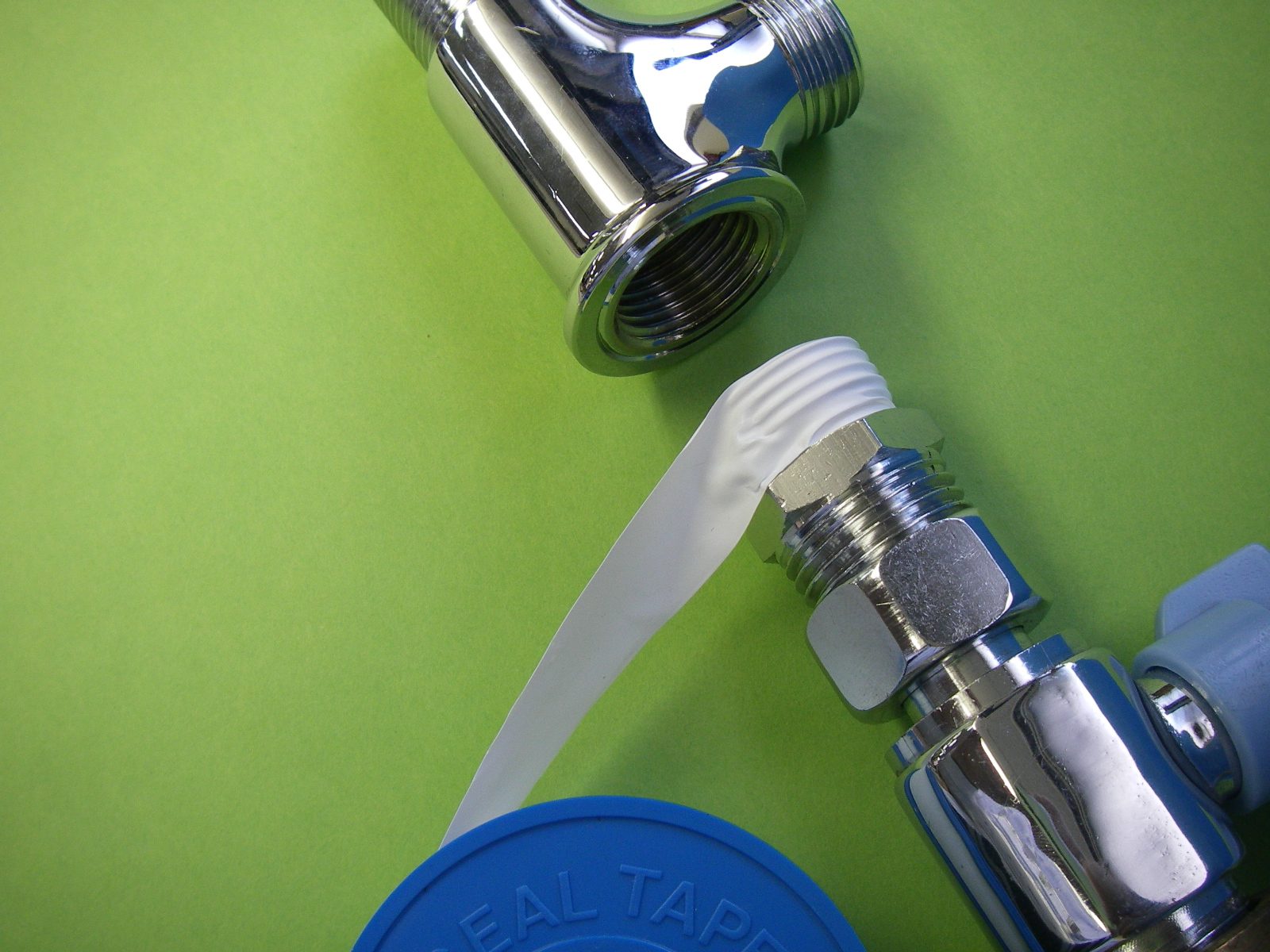
When you use pipe tape, make sure to wrap it clockwise around the threads. Start from the back and move toward the front, covering the threads evenly.
Avoid wrapping the tape too far or overlapping it excessively; about 3-4 wraps are enough to create a good seal.
Don’t use pipe tape on plastic pipes or fittings. It can cause cracking when tightened, so stick to threaded metal connections for the best results.
Turn off water when away for long periods

If you plan to be away for more than a day or two, it’s smart to turn off your main water supply. This helps prevent leaks or bursts that can cause costly damage while you’re gone.
Be sure to shut off water to your water heater too. It won’t harm the heater if it sits unused for several days.
Taking this simple step can save you money and stress when you return home.
Fix leaks in washing machine hoses

Check your washing machine hoses regularly for any signs of leaks or wear. Tighten loose connections first, as this often stops minor drips.
If you find a small hole or crack, you can cut out the damaged part and insert a short piece of tubing, securing it with clamps. Using pipe dope instead of tape on connections can also help create a better seal.
Replacing old or damaged hoses is a simple way to prevent water damage and save on your water bill.
Insulate pipes to prevent burst leaks
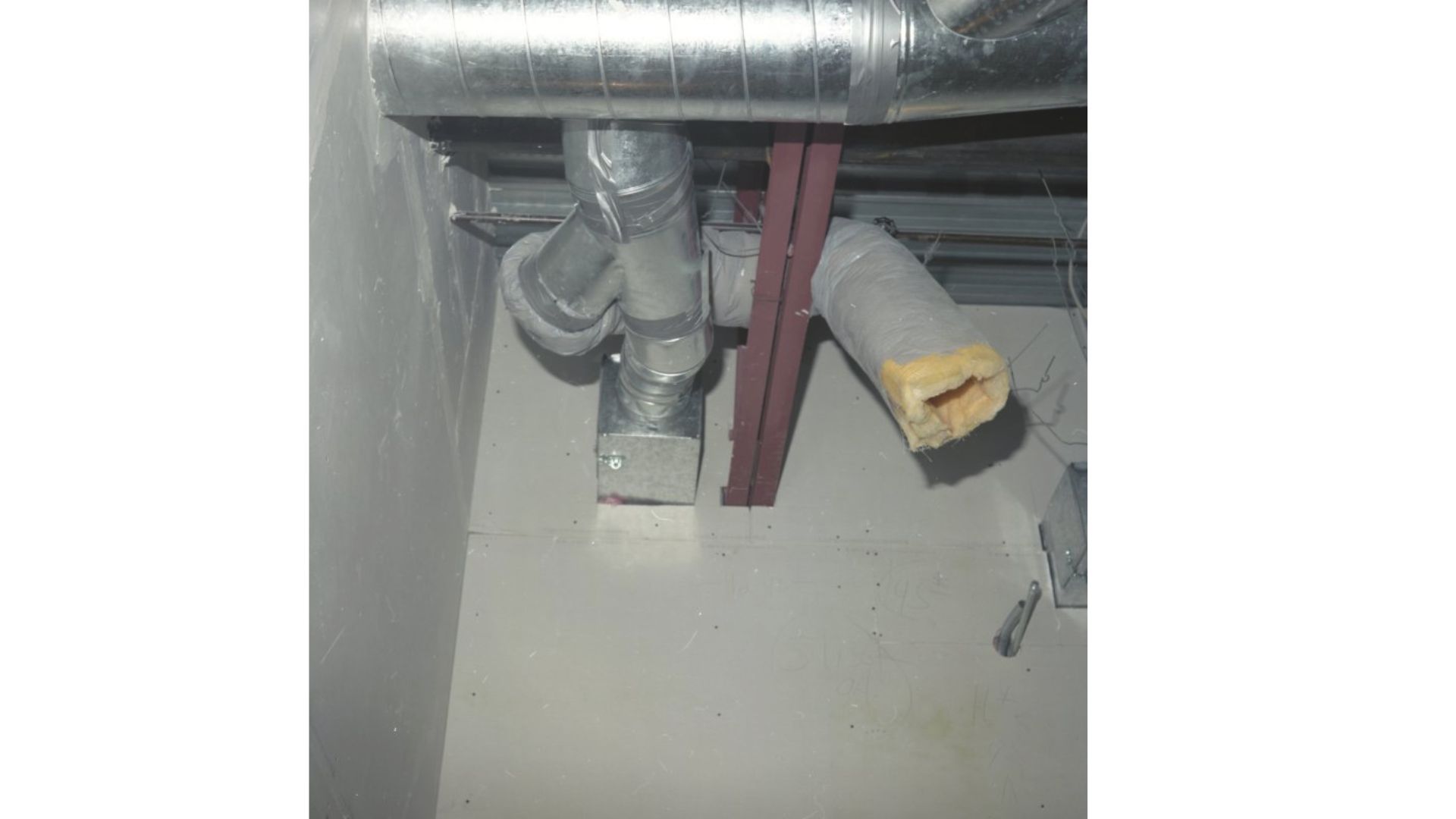
You can protect your pipes from freezing by insulating them, especially those in unheated spaces like basements or crawl spaces. Foam sleeves or heat tape work well to slow down heat loss from the pipes.
Insulation won’t warm your pipes, but it helps keep the cold out, reducing the risk of bursting. Running a small trickle of water during very cold weather adds extra protection.
Check under sinks for slow drips
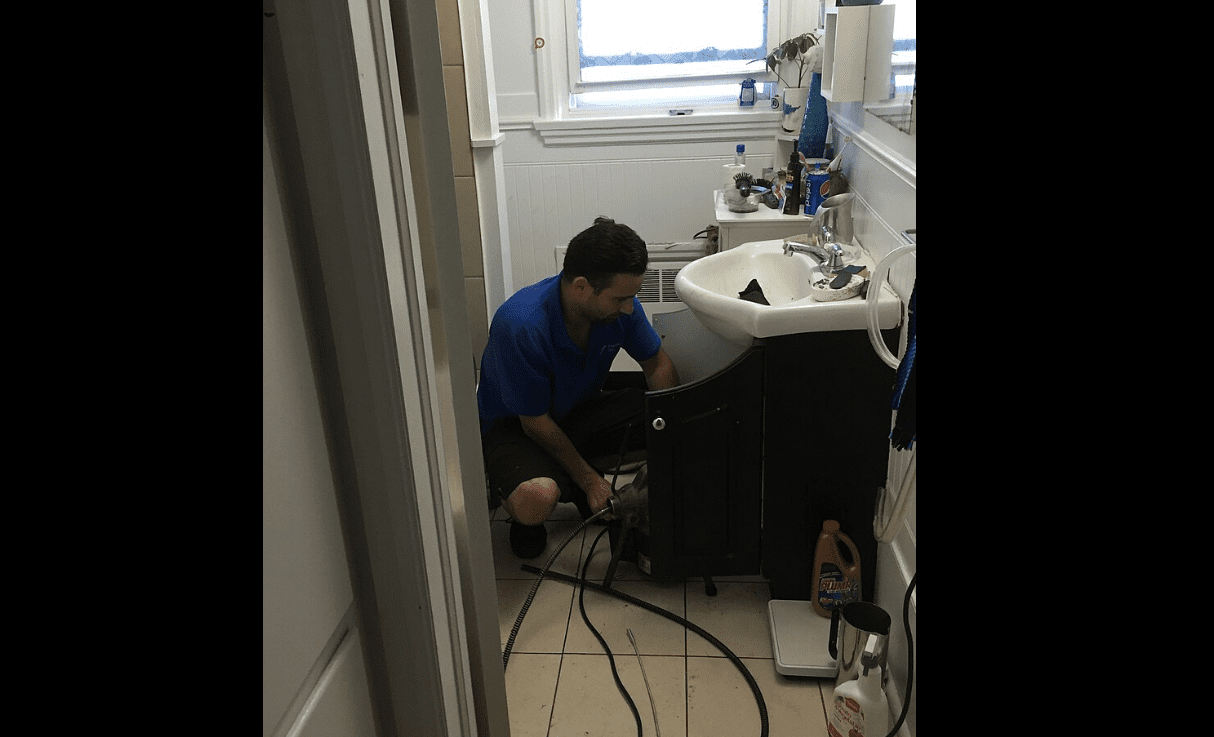
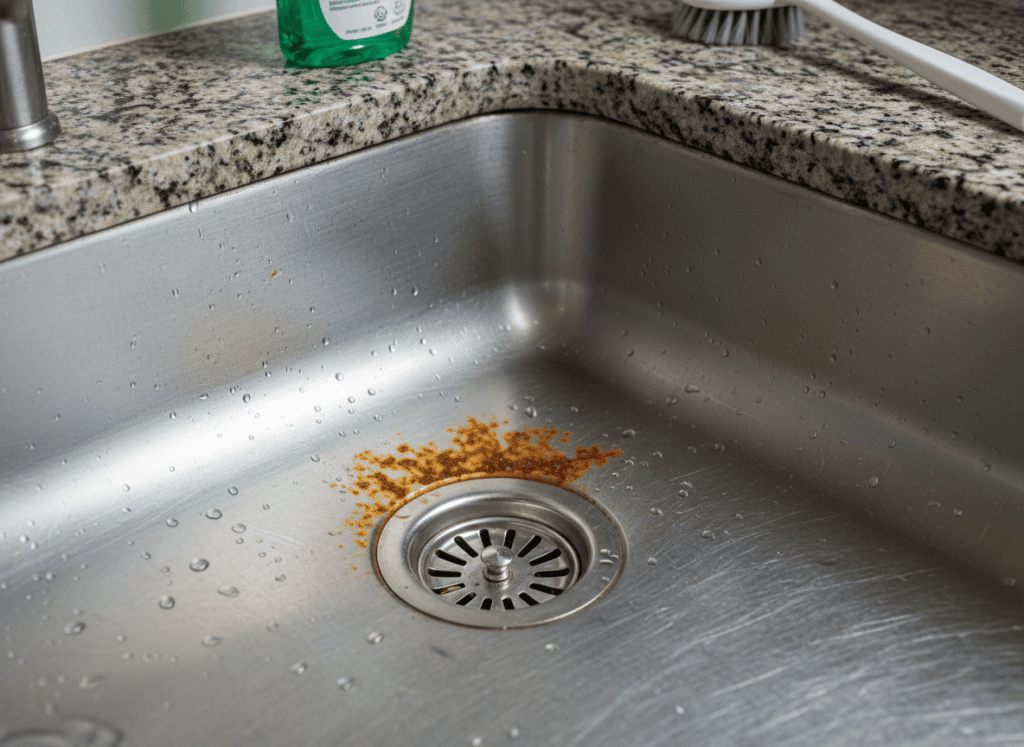
Take a look under your sinks to spot any slow drips from pipes or valves. Even a small leak wastes water and adds to your bill.
If you find a drip, try tightening the connecting nut gently by hand. If it keeps dripping, the seal inside might be worn out or damaged.
Fixing these leaks early saves money and prevents bigger problems later. A quick check can make a big difference in your home’s water use.