Odors can invade our spaces in the most unexpected ways, turning our homes, cars, or offices into less-than-pleasant environments. From pesky pet smells, to lingering kitchen odors, and stubborn smoke, the battle against unwanted scents is real and ongoing. It’s time to arm ourselves with the right strategies to keep our spaces fresh and inviting.
This list of 12 odor fixes is based on real-world trends, data, and expert interviews. It offers practical solutions that professional cleaners and odor-removal experts swear by. Expect to find a range of solutions, from DIY approaches to professional products, to help you tackle any odor problem you may confront.
1. Activated Charcoal
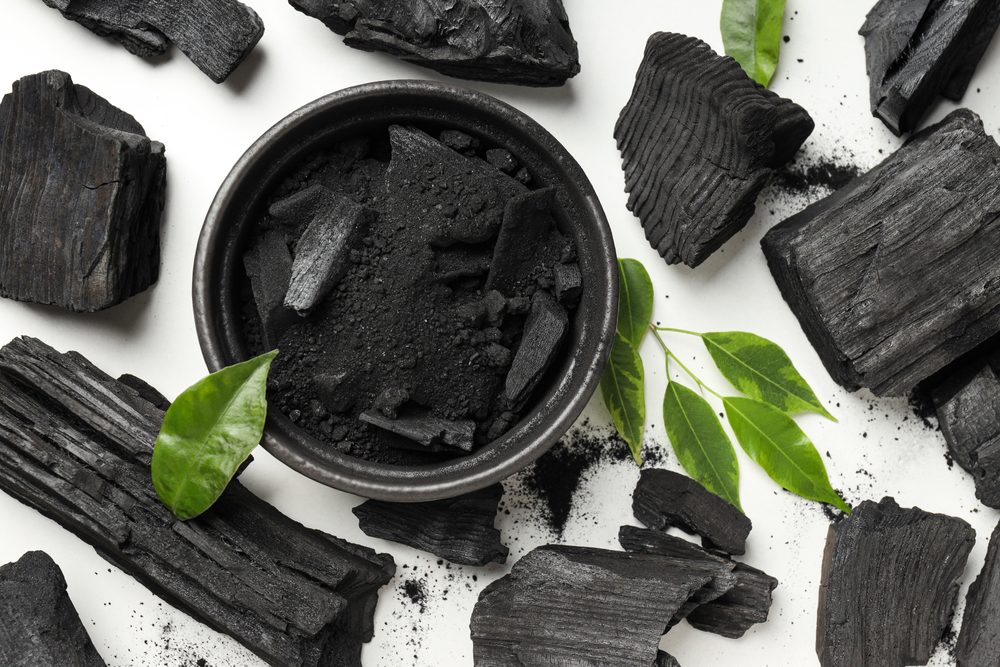
Activated charcoal is a form of carbon that’s been processed to have small, low-volume pores. These pores increase the surface area available for adsorption or chemical reactions, making it a highly effective odor absorber. Many people overlook this inexpensive and natural odor fix, opting for more familiar air fresheners or sprays instead.
Today, the trend is shifting towards more natural and eco-friendly solutions, making activated charcoal a popular choice. It’s not just safe for your family and pets, but also for the environment. According to EPA guidance, gas-phase filters with activated carbon can help reduce gases and odors at home.
2. White Vinegar
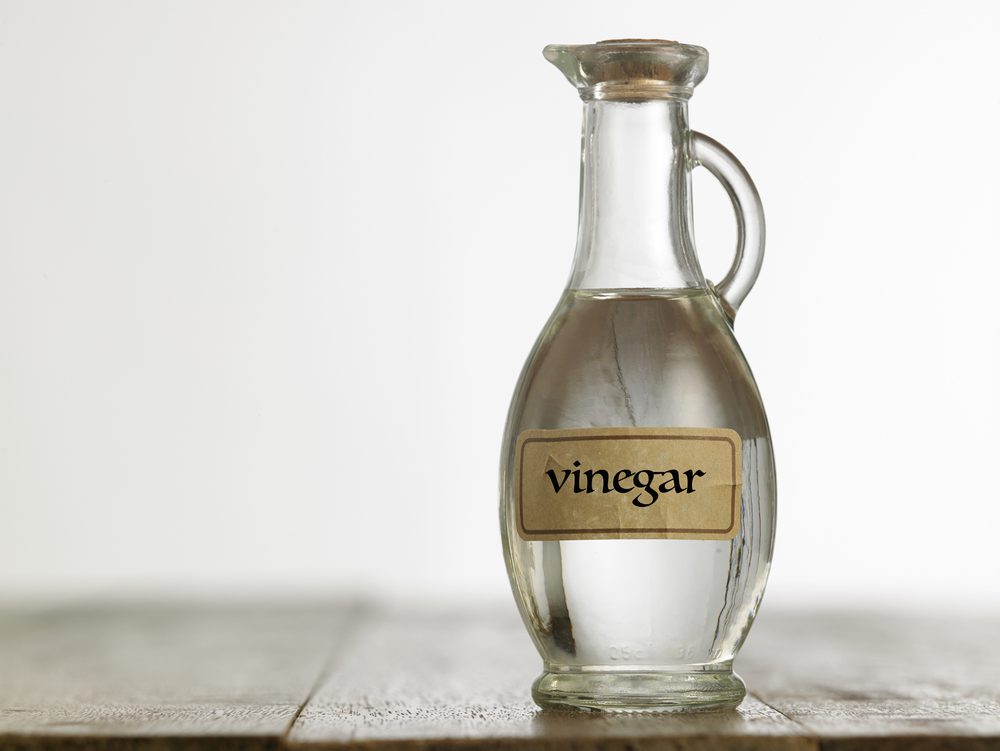
White vinegar is a common household item that doubles as a potent odor neutralizer. Its high acidity level breaks down odor proteins and neutralizes smells. Many people already have it in their pantry, but often overlook its potential as a natural deodorizer.
The value of white vinegar as an odor neutralizer is now more recognized, especially in the era of DIY cleaning solutions. Healthline affirms its effectiveness, citing it as a safe and natural alternative to chemical deodorizers.
3. Baking Soda
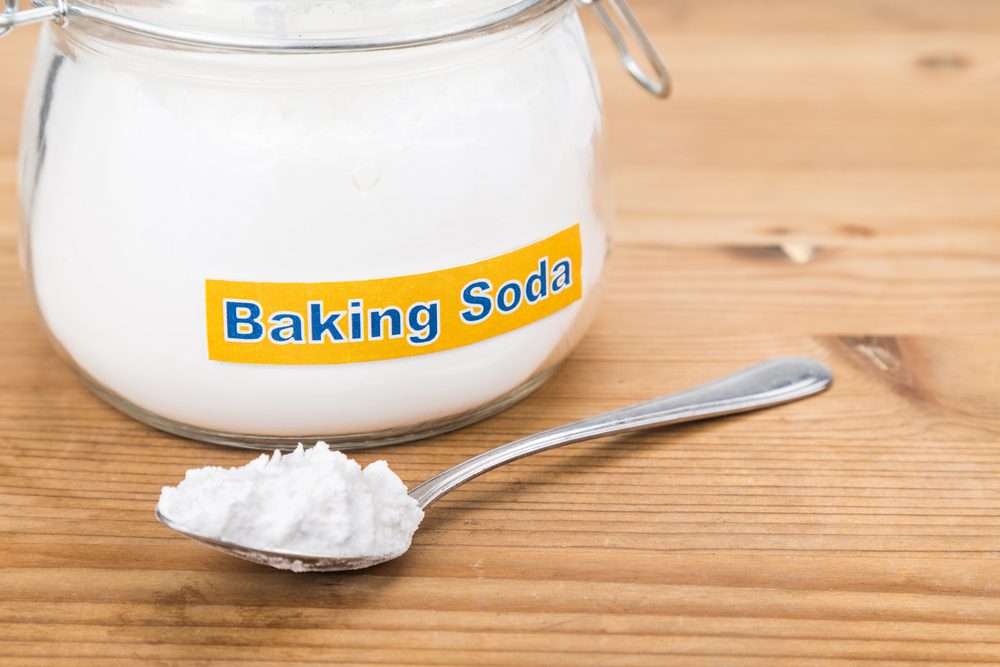
Baking soda, or sodium bicarbonate, is a staple in most kitchens. But beyond its uses in cooking, it’s also a powerful odor absorber. Many people keep a box in the fridge to keep food smells at bay, but its applications extend far beyond that.
Now, experts recommend using baking soda to neutralize odors in various parts of the home, including carpets, trash cans, and laundry. The USDA’s Food Safety and Inspection Service suggests using baking soda (or even coffee grounds) to help remove stubborn refrigerator and freezer odors.
4. Essential Oils

Essential oils aren’t just for aromatherapy. They’re also powerful odor eliminators. Their high concentration allows them to overpower many bad smells, and they come in a wide variety of fragrances to suit different preferences. However, people often overlook them as simple fragrances, not realizing their odor-fighting power.
With the rise in popularity of natural and holistic solutions, essential oils are becoming a go-to for odor control. Recent research supports their antimicrobial and deodorizing properties, making them a valuable tool in odor management.
5. Air Purifiers
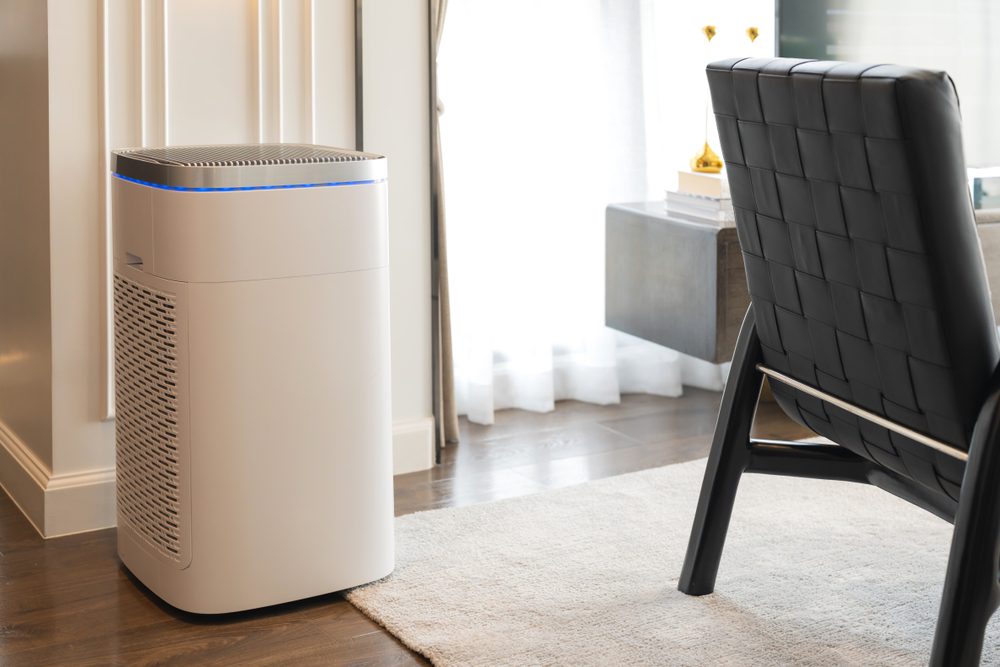
Air purifiers are devices designed to clean the air in your home, removing impurities like dust, pollen, and odors. While they can be an investment, the benefits they provide in improving air quality and eliminating smells make them a worthy purchase. Yet, many people overlook them, focusing only on their price and not their long-term benefits.
As indoor air quality becomes a growing concern, the trend towards using air purifiers is on the rise. And their ability to reduce odors is well-documented, with the Environmental Protection Agency explaining how the right filters can reduce gases and odors.
6. Coffee Grounds

Coffee grounds are not just for brewing your morning cup of joe. They can also be used to absorb and eliminate odors, thanks to their nitrogen content. Despite this, many people toss them in the trash, unaware of their odor-fighting properties.
The value of coffee grounds in odor control is gaining recognition. Research from City College of New York reported via ScienceDaily found carbonized coffee grounds can absorb hydrogen sulfide gas (the classic “rotten egg” smell).
7. Pet Odor Eliminators
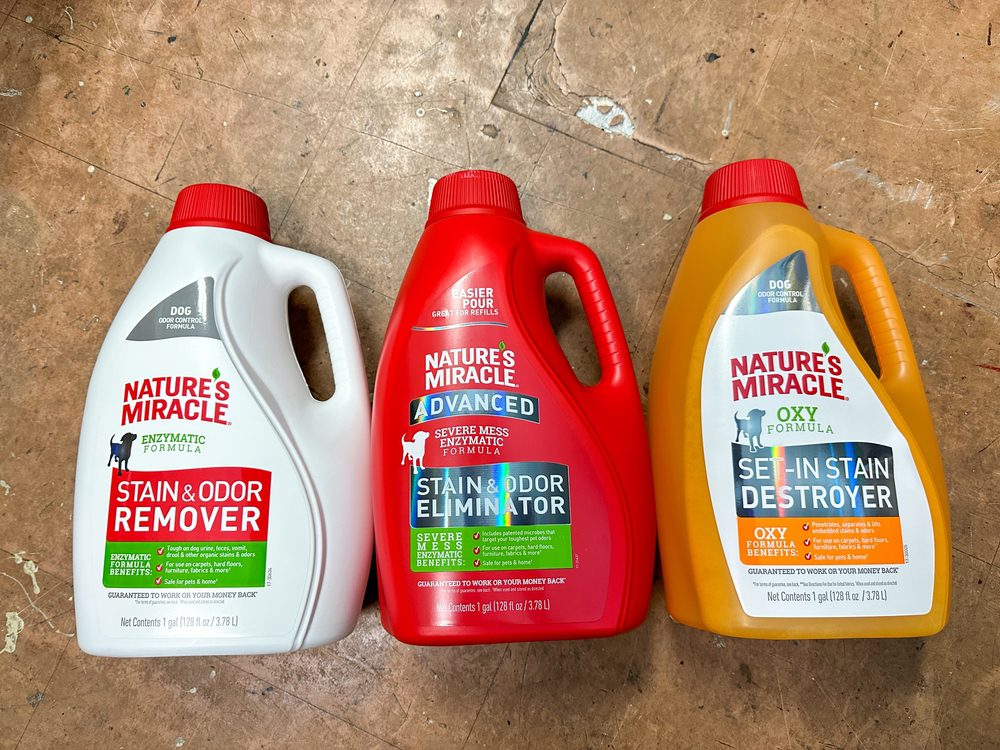
Pet odor eliminators are specifically designed products to tackle the unique smells associated with pets. From urine odor removers to litter deodorizers, these products are essential for pet owners. However, some pet owners tend to overlook them, relying on regular cleaning products, which may not be as effective.
The pet care market is booming, and pet odor eliminators are part of this trend. Animal welfare organizations like the ASPCA recommend enzymatic cleaners to neutralize pet urine odors effectively.
8. Ozium Air Sanitizer
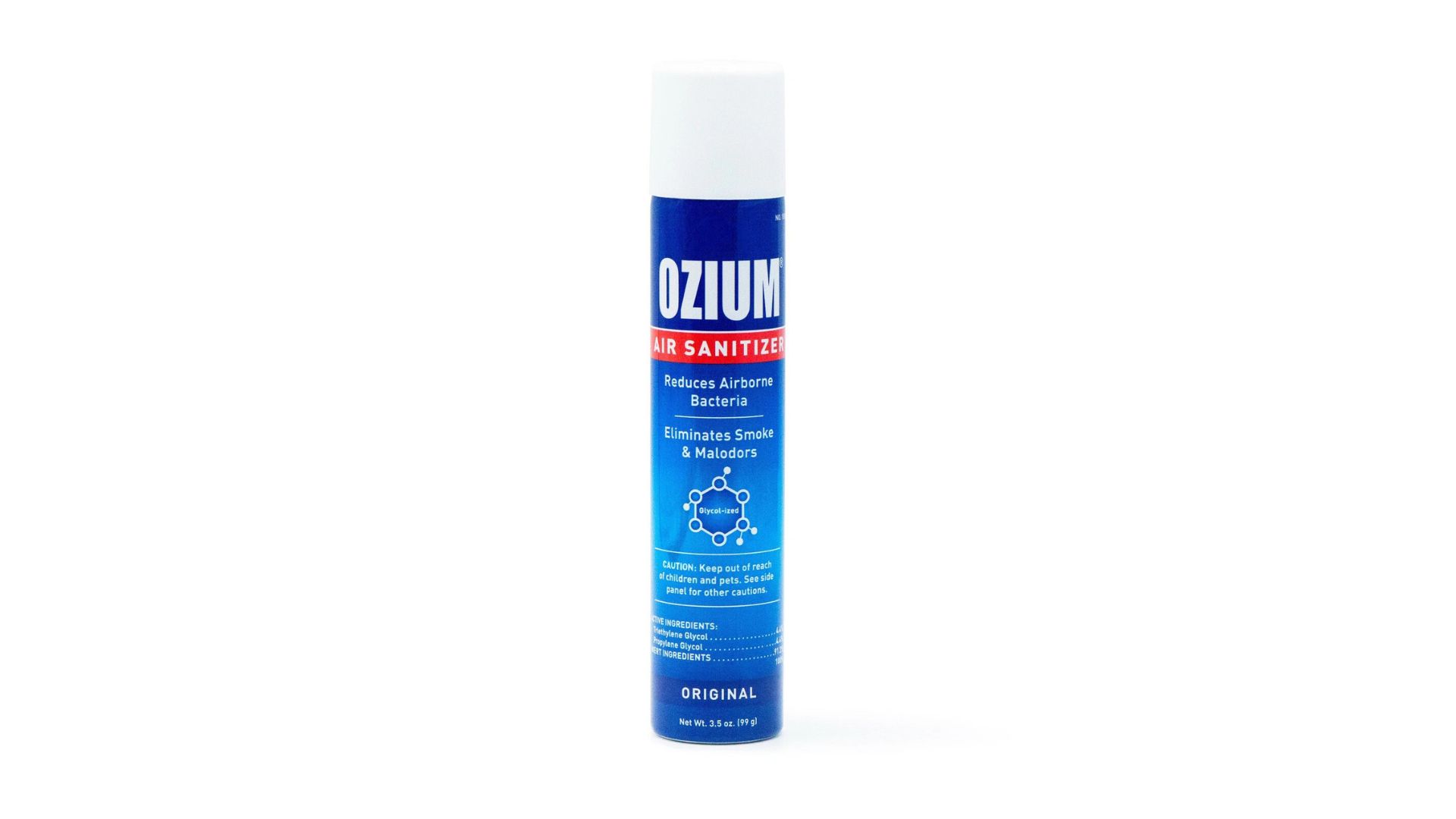
Ozium Air Sanitizer is a product that uses a patented formula to eliminate odors at their source. Unlike air fresheners that merely mask smells, Ozium claims to neutralize them completely. Despite its effectiveness, some people may overlook it due to its higher price compared to regular air fresheners.
As consumers become more informed about the difference between masking odors and eliminating them, products like Ozium are gaining popularity. See the EPA-registered product label for details on use and safety.
9. Odor Eliminating Candles

Odor eliminating candles, unlike regular scented candles, are designed to neutralize odors rather than simply mask them with fragrance. They use special ingredients like activated charcoal or enzymes to actively combat odors. However, people often buy them just for their scent, not realizing their odor-eliminating abilities.
With the candle market experiencing a surge in demand, odor-eliminating candles are a trend to watch. Use them safely—see the U.S. Fire Administration’s candle fire safety guidance.
10. Enzyme Cleaners
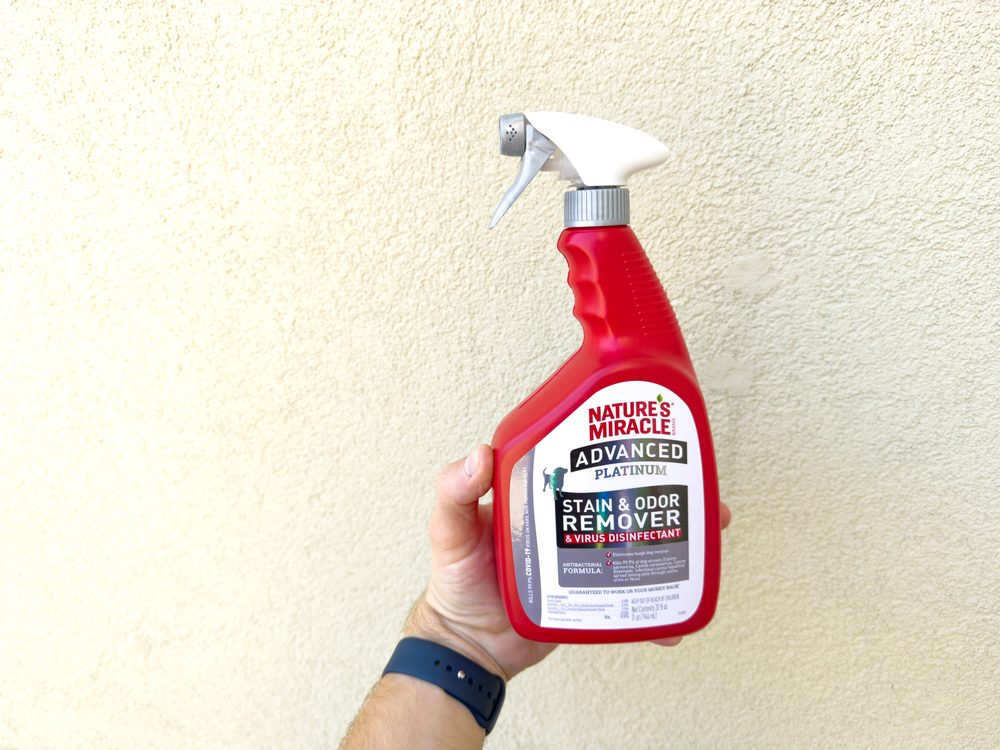
Enzyme cleaners use natural enzymes and bacteria to break down stains and odors. They’re especially effective at tackling organic messes, like pet accidents or food spills. Even though they can be highly effective, people often overlook them in favor of traditional cleaning products.
Today, the cleaning industry is seeing a shift towards more natural and eco-friendly products. This trend, combined with their effectiveness, makes enzyme cleaners a popular choice for odor control. Scientific research shows enzyme-based cleaners can break down organic residues (like biofilms), supporting their odor-removal value.
11. Air Freshening Plants

Air freshening plants don’t just add beauty to your space; they also help purify the air. Certain plants, like spider plants or snake plants, are known for their ability to improve air quality and eliminate odors. However, people often buy them for their aesthetic value, not realizing their air-purifying abilities.
As people become more aware of the importance of indoor air quality, air-purifying plants are seeing a rise in popularity. NASA’s Clean Air Study remains a frequently cited reference on plants and VOC removal in sealed environments.
12. Zeolite
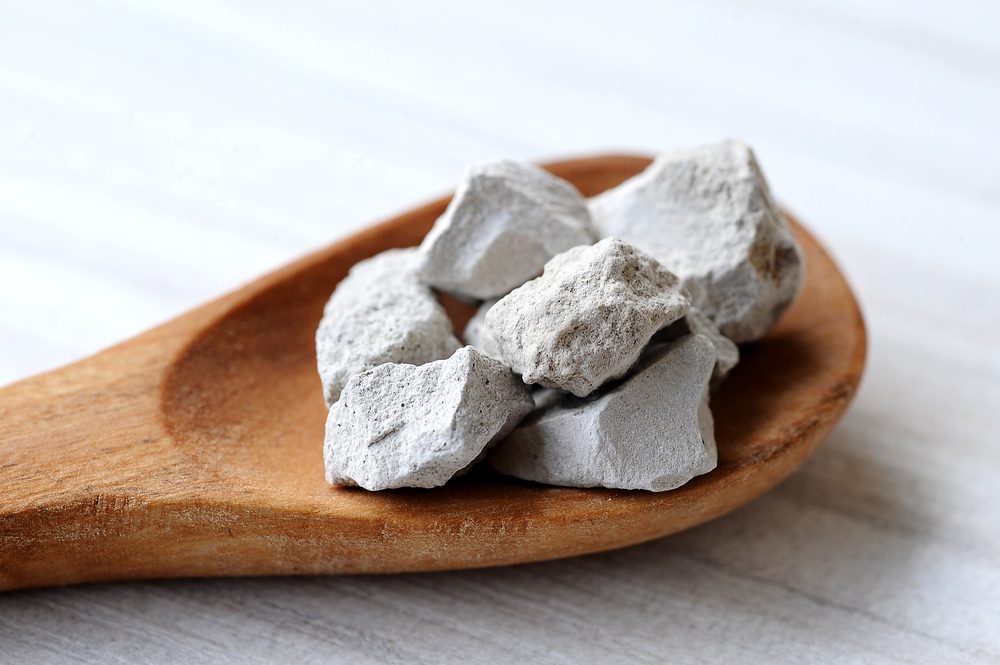
Zeolite is a natural mineral that can absorb odors and moisture, making it a great natural deodorizer. Despite its effectiveness, it’s often overlooked due to its relatively unknown status compared to more common odor eliminators like baking soda or vinegar.
But as consumers seek more natural and eco-friendly solutions, zeolite is gaining recognition. According to peer-reviewed research, natural zeolites can adsorb common odor compounds like ammonia and hydrogen sulfide.