Dealing with a mountain of paperwork can be overwhelming and frustrating. Whether it’s bills, receipts, or important documents, keeping everything in order often feels like a constant battle.
You can simplify your life by adopting practical strategies that make paperwork easier to manage and reduce clutter. These tips will help you create a system that works for your daily routine and keeps your important papers within reach when you need them.
Sort papers into past, present, and future piles

Start by creating three simple piles: past, present, and future. The past pile includes documents you need to keep but won’t use often. The present pile holds current action items or things you need to address soon.
Lastly, the future pile is for papers related to upcoming events or tasks. Sorting this way helps you focus and prevent overwhelm. It makes organizing easier and keeps your space clear.
Use a small filing cabinet with labeled hanging folders

You can keep your paperwork neat by using a small filing cabinet. Hanging folders inside the cabinet help separate papers into clear categories.
Label each hanging folder clearly so you can quickly find what you need. Using different colors for folders makes it even easier to spot groups of documents.
This setup keeps your papers organized and accessible without taking up too much space. It also makes filing less overwhelming by breaking it down into simple steps.
Set a daily limit for incoming paper and stick to it

You can’t control all the paper that comes your way, but you can control how much you deal with each day. Set a simple daily limit for sorting or filing new paperwork.
Even just 10-15 minutes daily helps keep piles from growing. Keep a small inbox or tray for new papers and clear it every day. This habit stops paper from overwhelming your space. It also makes organizing less stressful and more manageable.
Go paperless with apps like Evernote or Microsoft OneNote

You can simplify your paperwork by using apps like Evernote or Microsoft OneNote. These tools let you store notes, documents, and important files in one place.
Evernote is great for capturing everything from receipts to articles. OneNote works well if you want to organize files alongside your notes.
Both apps sync across devices, so your documents are always accessible. Going digital can reduce clutter and make it easier to find what you need quickly.
Use wire file racks for quick access to active documents

Using wire file racks helps you keep important papers visible and easy to grab. You can separate documents by type, like bills, receipts, or current projects. Label each section clearly to avoid confusion. This way, you always know where to put new papers and find what you need fast.
Wire racks also keep your desk clutter-free while making sure your active documents stay in reach. They’re a simple tool to stay organized every day.
Designate one spot for all incoming mail to prevent spread
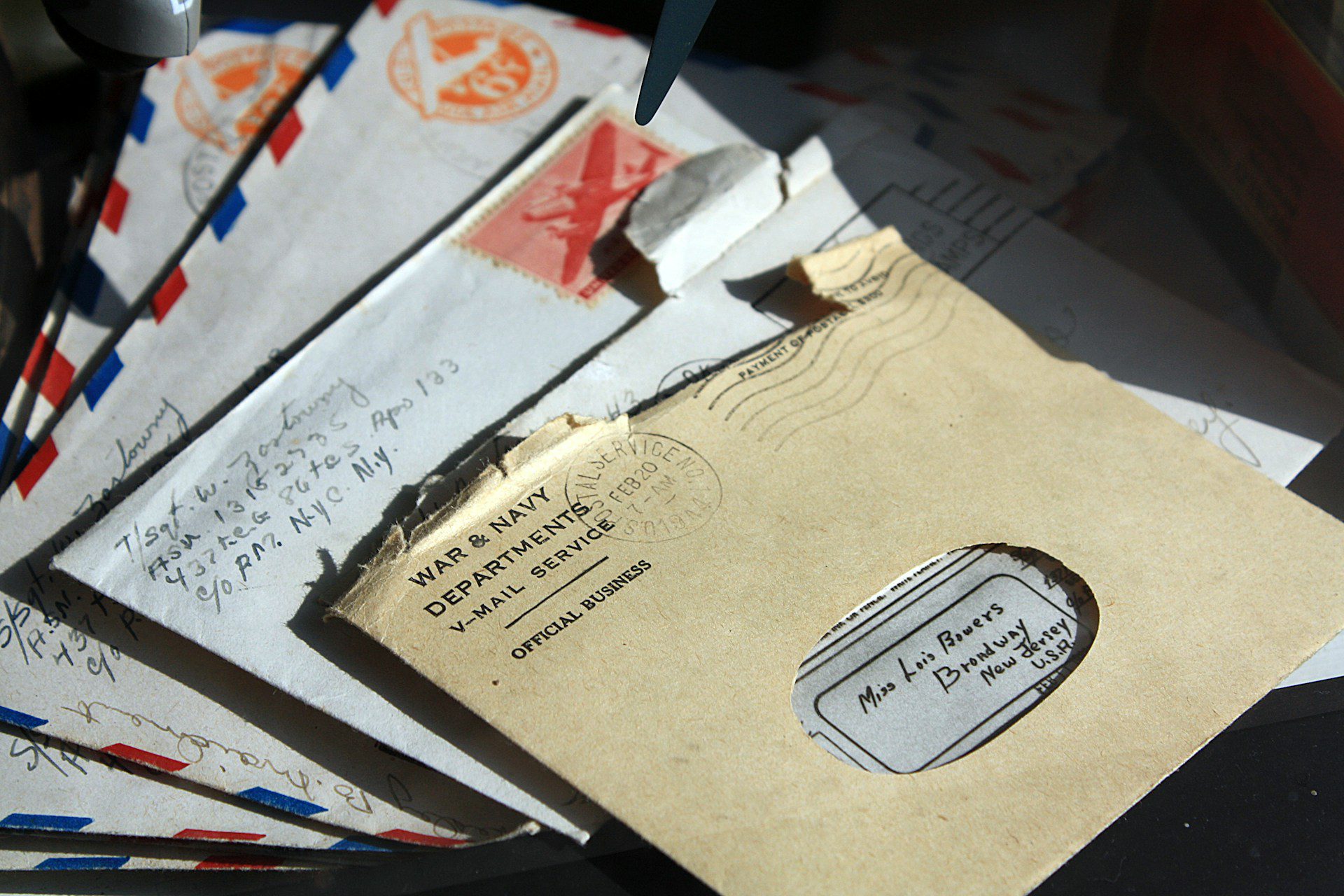
Choose a single, consistent spot in your home for all incoming mail. This helps keep paper from scattering everywhere and makes it easier to manage.
Use a small bin, tray, or sorter placed in a convenient location like your kitchen counter or near the front door. Check this spot regularly to sort and handle mail before it piles up. Having a dedicated area also makes it quicker to find important papers when you need them.
Regularly purge by asking, “Do I really need this?”

You’ll want to go through your papers often and ask yourself if each one is truly necessary. If it doesn’t serve a purpose or hold important information, consider getting rid of it.
This habit helps keep your space less cluttered and makes finding important documents easier. Remember, holding on to everything can feel overwhelming, so be honest with yourself when deciding what stays.
Label all folders clearly to avoid confusion

You should label each folder with clear, easy-to-read titles. Simple labels help you find what you need without wasting time.
Use a label maker or neat handwriting to keep things tidy. Color coding can also make it faster to spot categories at a glance. Keep your labels consistent and specific. This avoids mixing up important papers and keeps your system reliable.
Use the KonMari method: keep only what sparks joy

When sorting through paperwork, focus on what truly matters to you. Ask yourself if each document “sparks joy” or has a clear purpose.
If it doesn’t, thank it for its service and let it go. This helps reduce clutter and keeps your collection meaningful. By only keeping what feels important, you’ll find organizing your papers becomes less overwhelming and more intentional.
Schedule weekly paper decluttering sessions

Set aside a specific time each week to sort through your paperwork. Treat it like an appointment you can’t miss. During these sessions, quickly discard junk mail and unnecessary documents. Keep important papers organized and easy to find.
Regular weekly sessions prevent piles from building up and make managing your paperwork less stressful. It only takes a few minutes each week to stay on top of things.
Digitize important receipts and bills using a scanner app

You can use scanner apps to convert your paper receipts and bills into digital files. This makes it easier to organize and access them without clutter.
Most apps let you categorize receipts by type or project. Naming files clearly helps you find what you need quickly later. Some apps also allow you to share digital copies with others. This can be helpful for work or tax purposes.
Create a vertical filing system to save desk space

You can save a lot of desk space by using a vertical filing system. Think about wall-mounted file holders or pegboards where you can clip papers upright.
This keeps your important documents easy to reach without cluttering your work area. Using vertical space lets you organize more while freeing up drawers and desktop room for other items.