Throughout the pandemic, everyday objects took on new roles and meanings that reflect how life shifted during this unusual time. You might have noticed how things you once overlooked became symbols of safety, caution, or even stress.
This article highlights 12 key objects that came to define the pandemic era and shaped your daily experiences in simple, tangible ways. By exploring these items, you can better understand the small but significant changes that marked this period.
Toilet paper rolls
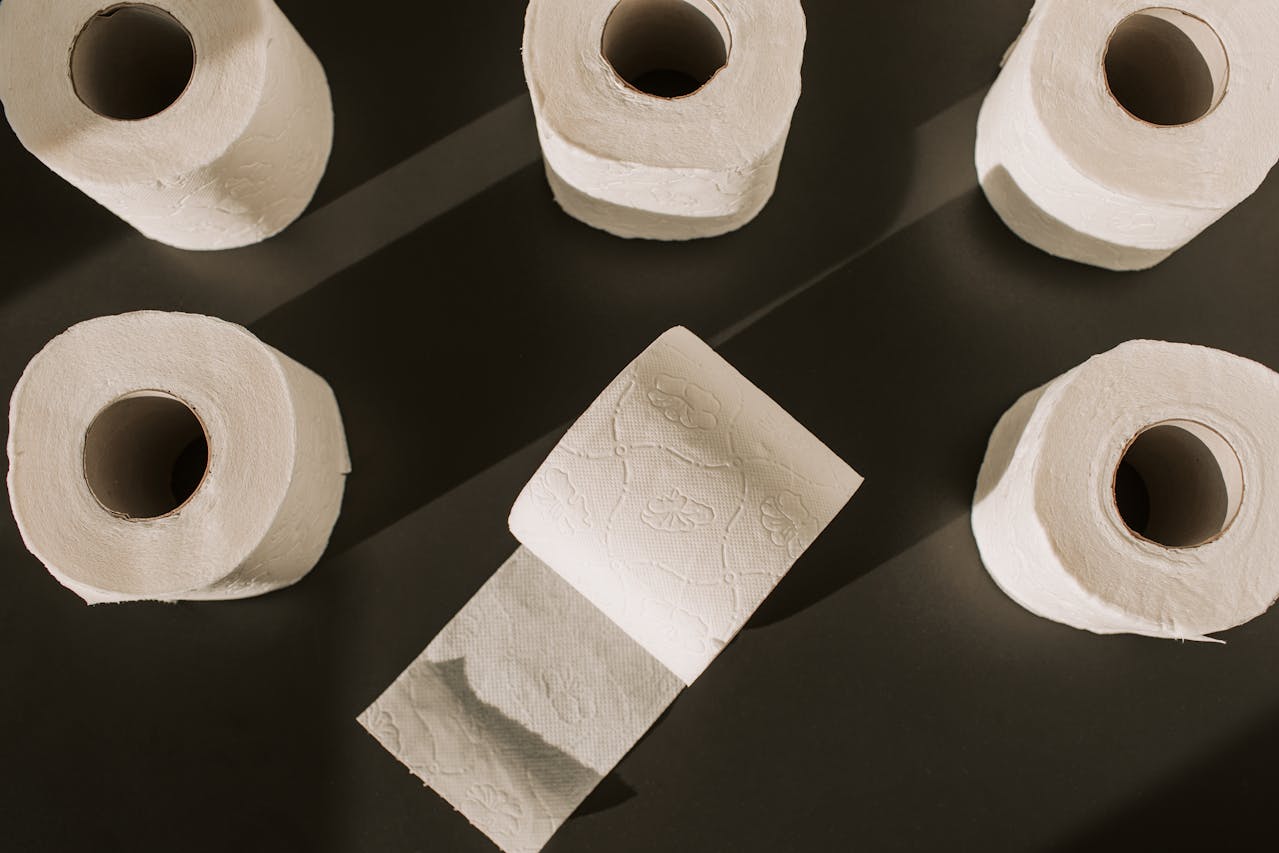
You probably noticed how quickly toilet paper vanished from store shelves early in the pandemic. Suddenly, it became a symbol of scarcity and security for many people.
Your panic over running out might have felt a bit strange, but hoarding toilet paper is a common reaction in uncertain times.
This everyday item gained new meaning, showing how something simple can become important in unusual situations.
Forehead thermometers
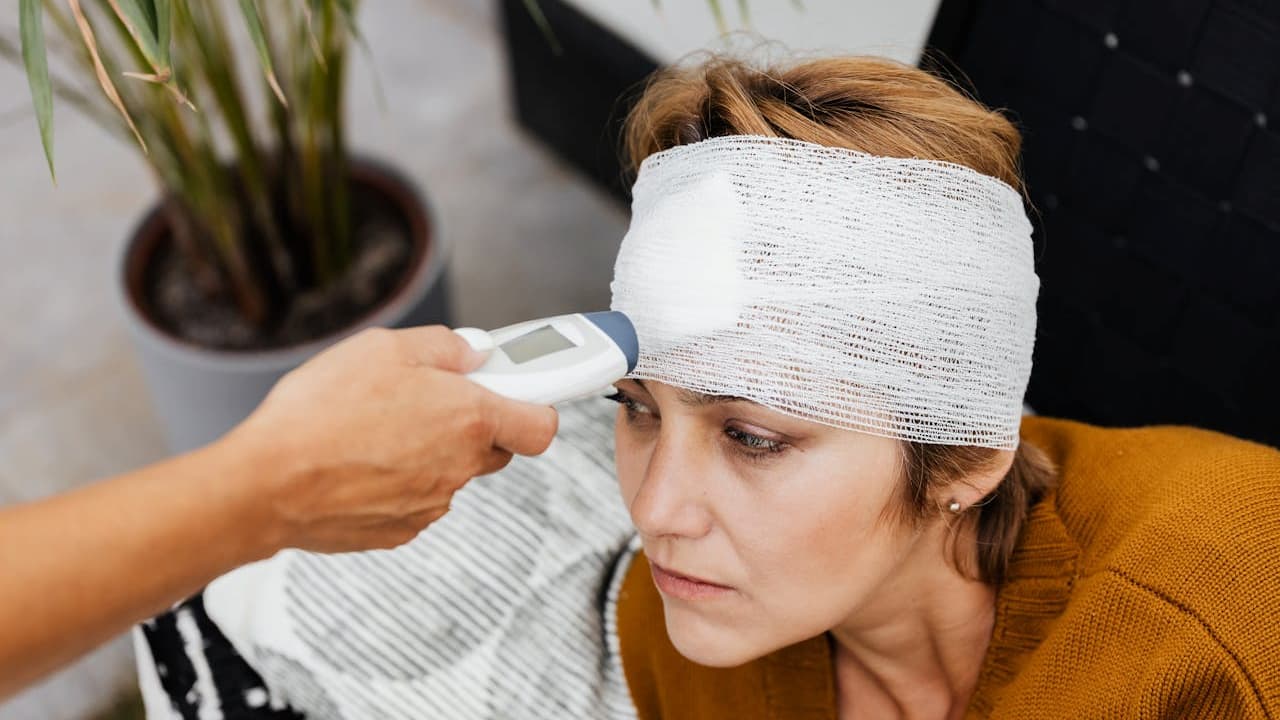
You probably saw forehead thermometers everywhere during the pandemic. They became a quick and easy way to check for fever without physical contact.
Using one feels simple—you just aim it at the forehead and get a reading in seconds. This helped reduce the spread of germs while keeping people safe.
Besides health checks, these thermometers turned into symbols of caution and care in public places like schools and offices.
Hand sanitizer bottles

You probably noticed how hand sanitizer bottles became an everyday item. Distilleries even shifted from making spirits to producing sanitizer to meet the demand.
Using hand sanitizer feels reassuring because it became a simple way to protect yourself. By now, it’s easy to find these bottles in homes, offices, and stores.
The rush to supply hand sanitizer led to some loose regulations at first. But soon, safety standards were restored to keep products reliable for your use.
N95 face masks
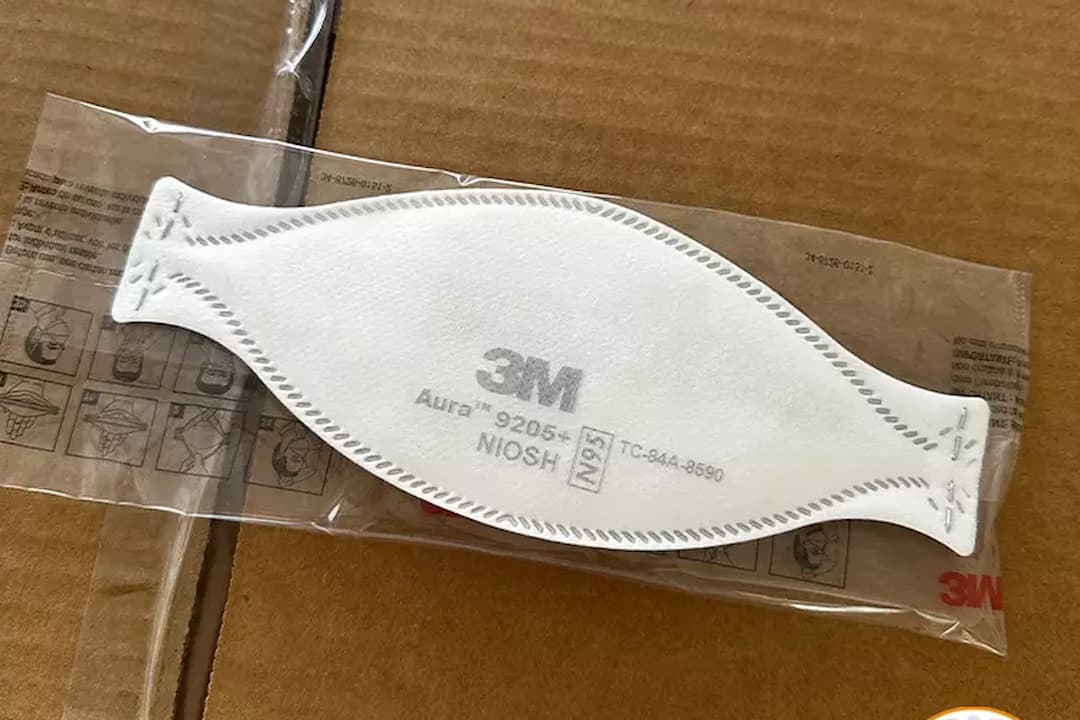
You’ve probably seen N95 masks everywhere during the pandemic. They became essential for protecting yourself from airborne viruses, especially when cases surged.
These masks fit snugly over your nose and mouth, filtering out tiny particles that regular masks might miss. While they were hard to find at first, now you can get them in many stores.
Some groups even experimented with 3D printing N95-style masks when supplies were low. This shows how important they were to keep people safe.
Reusable cloth masks
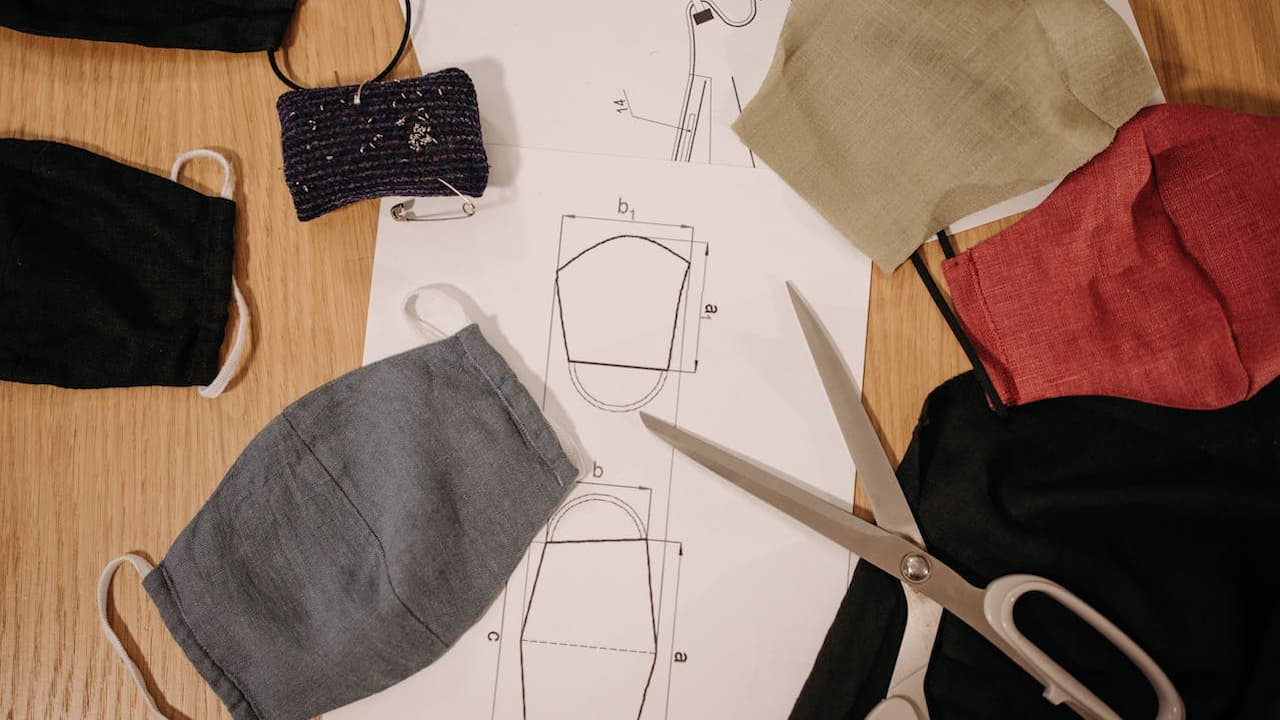
You probably used reusable cloth masks a lot during the pandemic. They became a simple way to protect yourself and others while helping reduce waste from disposable masks.
Cloth masks come in many styles and materials, some even designed for kids with fun patterns. Remember to wash yours regularly to keep it effective and fresh.
While not as protective as some medical masks, cloth masks still helped slow the spread, especially when combined with other safety measures.
Plastic bubbles for restaurant tables
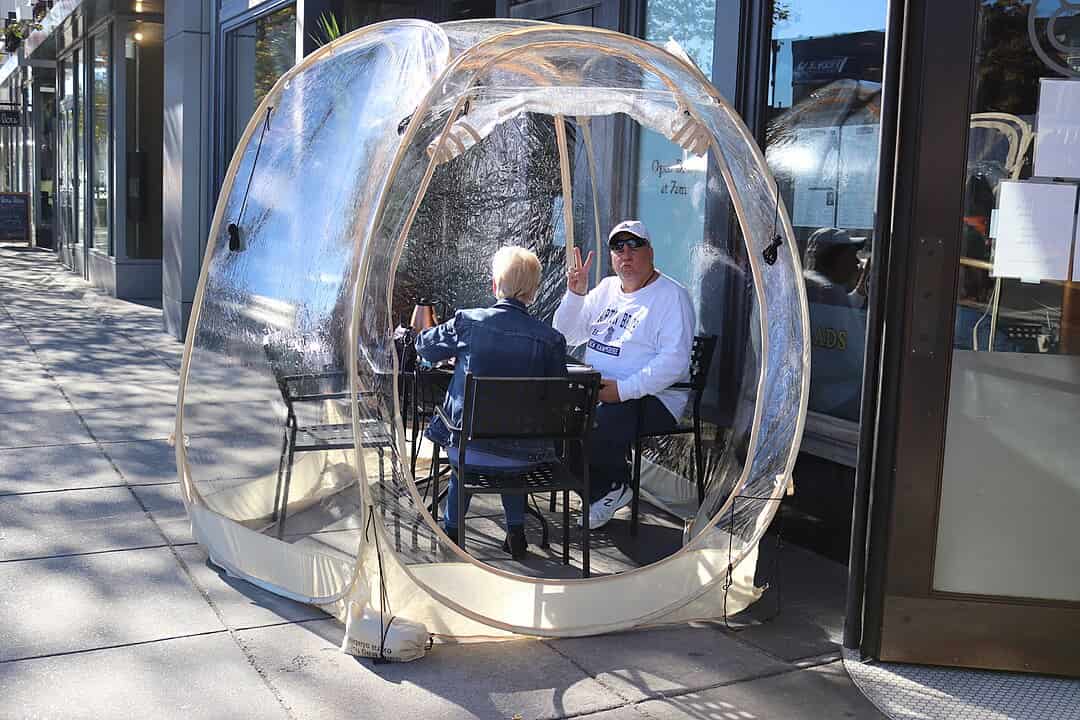
You might have seen clear plastic bubbles surrounding tables at some restaurants. These bubbles were designed to create a personal dining space, helping to reduce contact between diners.
While the idea sounds clever, the plastic material can’t be heated, which can make dining uncomfortable in colder weather. Still, they gave many people a way to enjoy eating out while feeling safer during the pandemic.
Contactless elevator button pushers
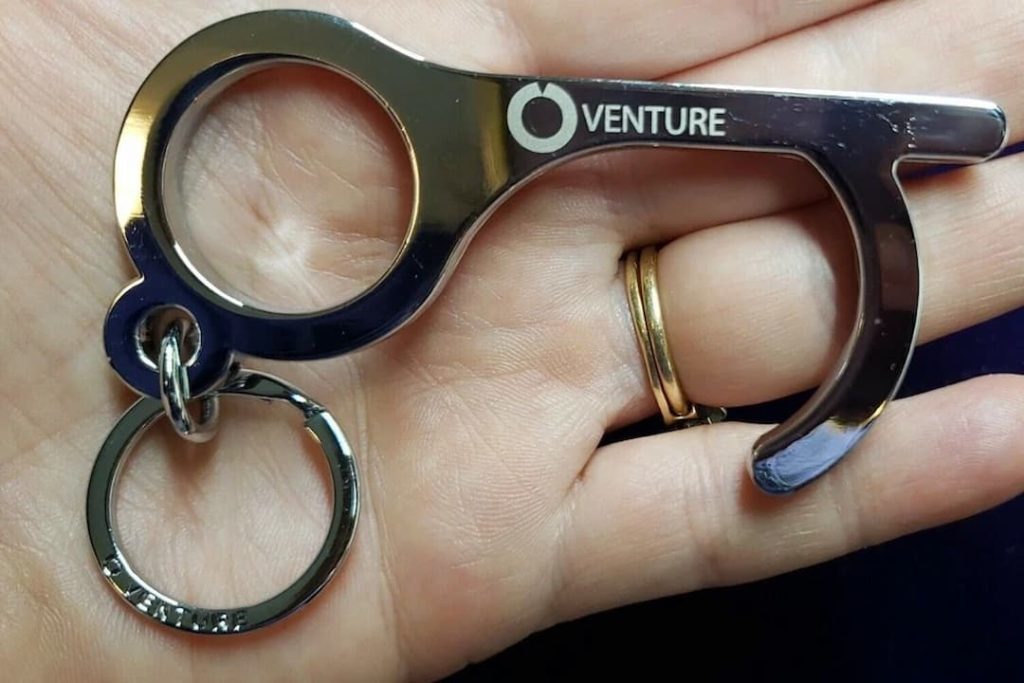
You probably noticed how elevator buttons became something to avoid during the pandemic. People didn’t want to touch these high-contact surfaces because of germs.
Now, technology lets you press elevator buttons without touching them. Some systems use hand gestures or sensors to recognize your movement and activate the button. This makes elevators feel safer and more hygienic for you and everyone else.
Disposable gloves

You probably noticed disposable gloves everywhere during the pandemic. They became a key tool to protect yourself and others from germs.
Glove production suddenly surged, with some companies increasing output by 30% in a single month. This shows how much demand grew overnight.
While gloves helped keep you safe, many were discarded carelessly. This created new challenges for waste management and environmental pollution.
Using them thoughtfully and disposing of them properly can help reduce their impact on your community and nature.
Thermal scanning cameras
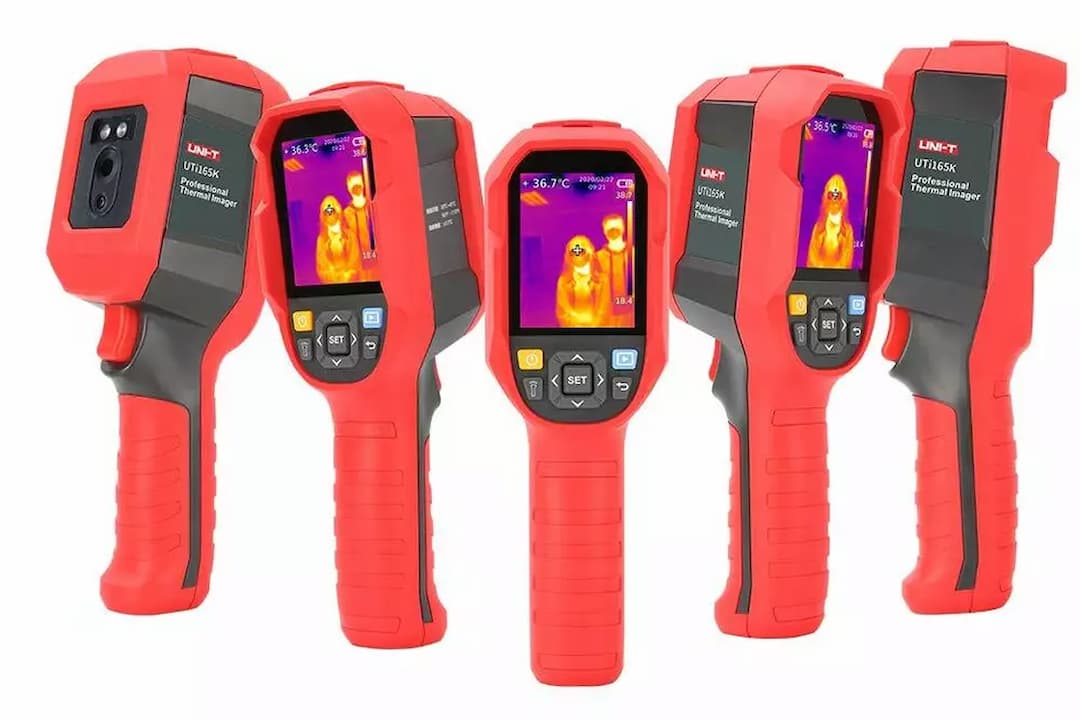
Thermal scanning cameras became common in public spaces to check for elevated body temperatures. You might have seen them at airports or workplaces during the pandemic.
These cameras detect heat emitted from your skin using infrared technology. They don’t see inside your body but give a quick way to spot someone who may have a fever.
While not perfect, they helped reduce close contact by allowing fast, contactless temperature checks. You might still find them useful in some settings today.
Pulse oximeters
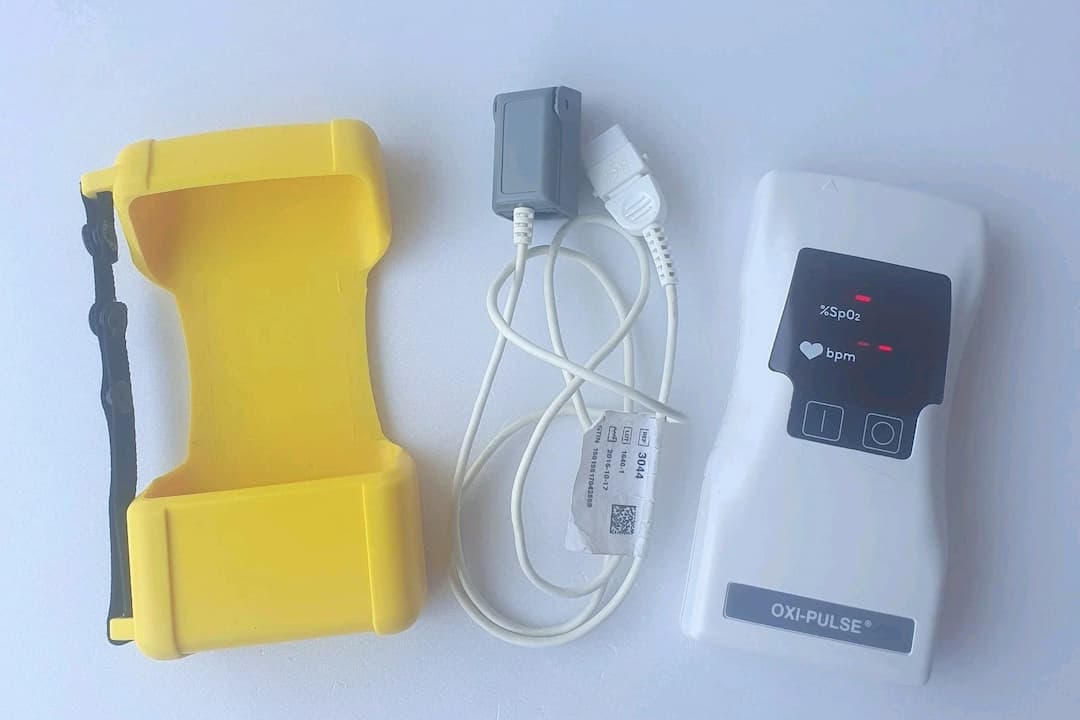
You might not have used a pulse oximeter before the pandemic, but now they’re familiar household tools. These small devices measure the oxygen levels in your blood, helping you and your doctor keep an eye on your health from home.
During COVID-19, pulse oximeters became important for spotting early signs of trouble. You can easily check if you need medical care without leaving your house.
They’re portable, simple to use, and have helped many people manage chronic conditions too, like asthma or COPD.
Virtual meeting backdrops
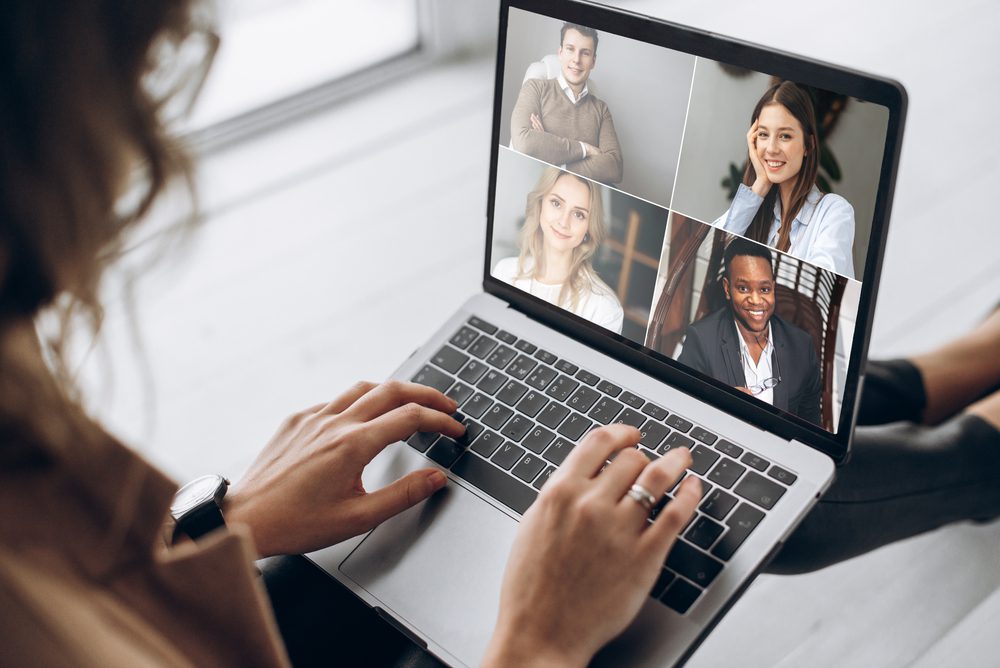
You’ve probably seen virtual meeting backdrops pop up during video calls. They help create a professional or fun background without showing your real space.
These backdrops are easy to set up and can work in any room. Whether for work or social chats, they give your video feed a polished look.
You can choose from simple designs or custom images that reflect your style. They’ve become a small but useful tool in adapting to remote meetings.
UV-C sanitizing lamps
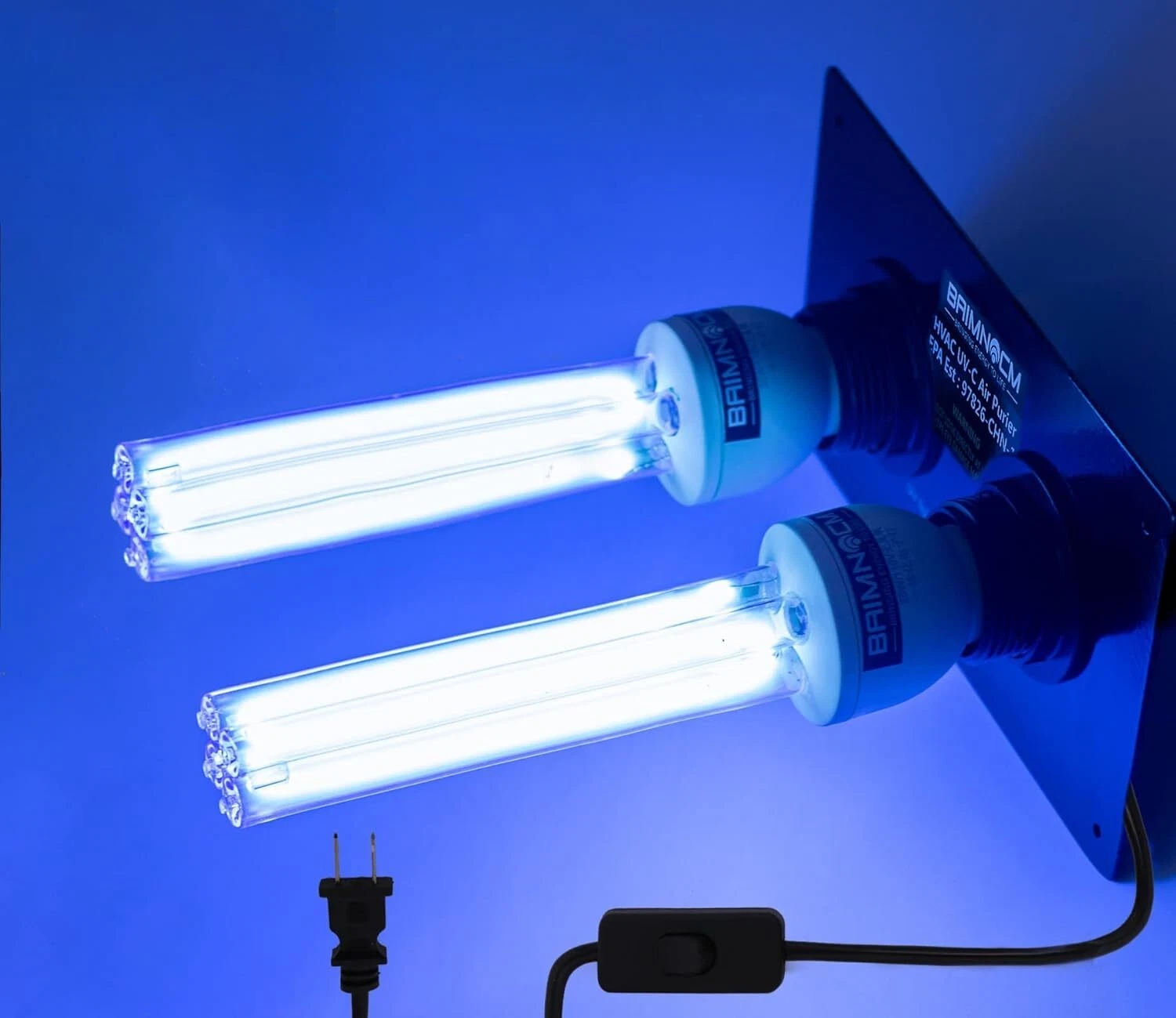
You might have seen UV-C lamps being used to disinfect surfaces during the pandemic. These lamps emit ultraviolet light that can kill some viruses and bacteria by damaging their DNA or RNA.
Using UV-C lamps can help reduce germs on objects, but you need to be careful. Direct exposure to your skin or eyes can be harmful. Make sure to follow safety guidelines if you use one at home.