


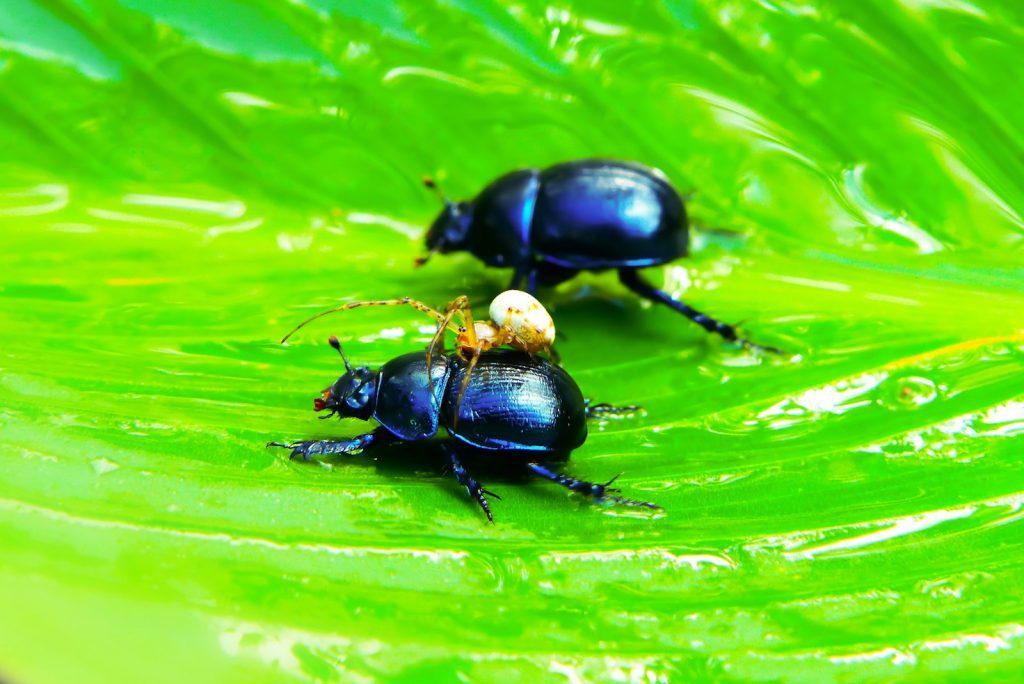
When you’re planning your garden, it’s not just about choosing the plants that catch your eye or provide the most beautiful blooms.
It’s also about considering the side effects these plants might have, including their potential to attract certain pests.
As an experienced gardener, I’ve learned that some plants can be irresistible to the bugs we’d rather keep out of our yards. So, let’s dive in and identify these plants that may be inviting unwanted guests into your garden.
The Venus Flytrap: A Magnet for Spiders and Ants
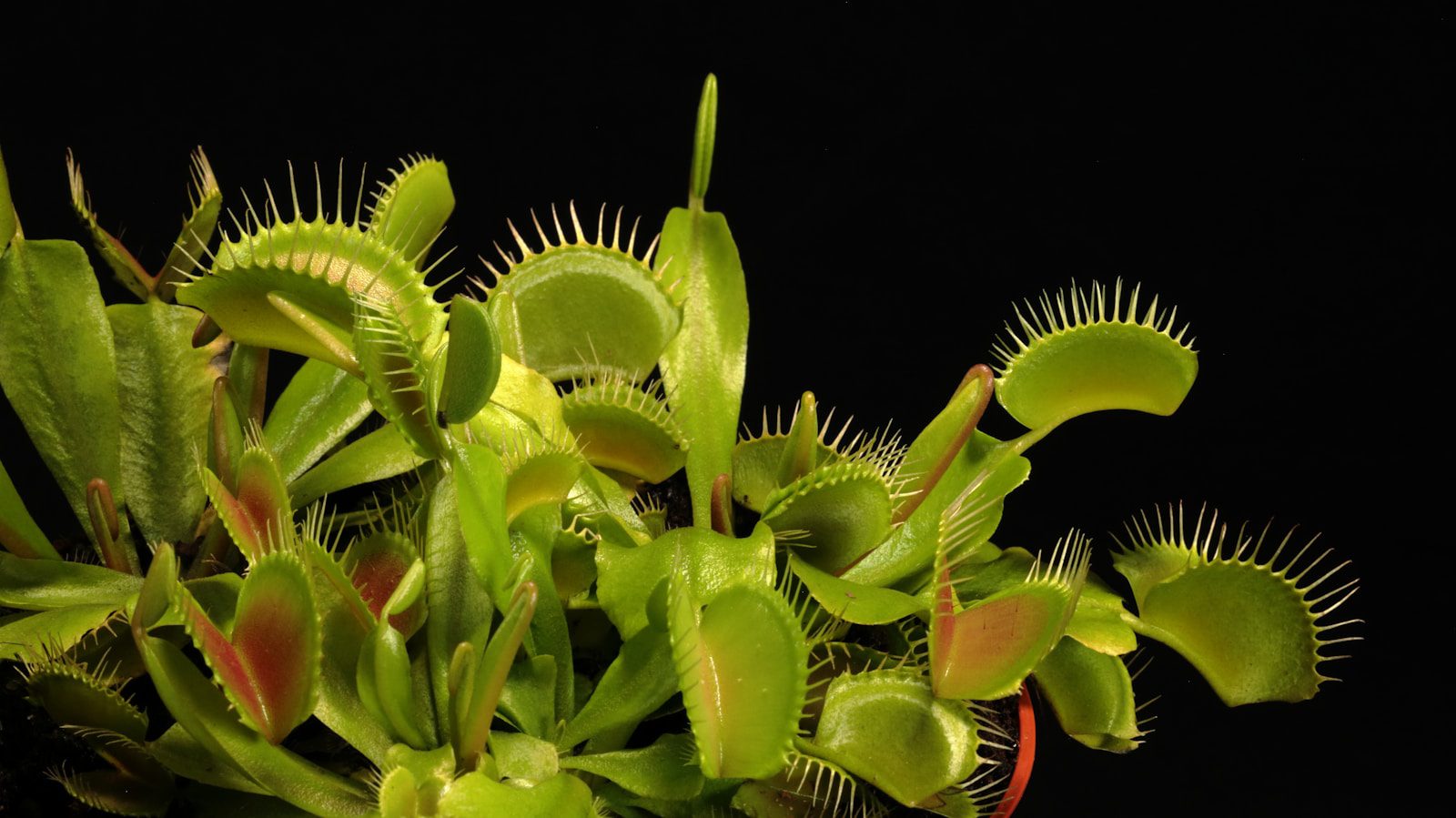
While the Venus Flytrap is famous for its bug-trapping abilities, it can actually attract more spiders and ants than it devours. These bugs are drawn to the plant’s sweet scent, but often escape the trap before it snaps shut. The result? A potential infestation in your yard.
Moreover, because these plants need to be watered frequently, they may create an ideal moist environment for other bugs like mosquitoes. So, unless you’re fascinated by these carnivorous plants, it may be better to admire them from afar.
The Goldenrod Plant: Attracting Stink Bugs

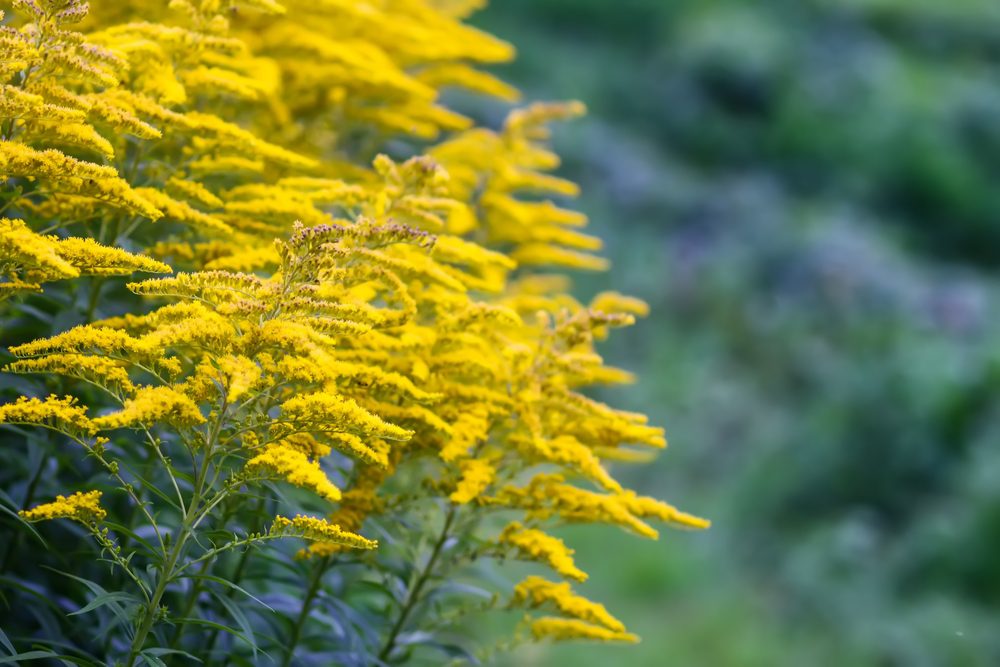
Goldenrods are beautiful perennial plants that can brighten up any garden. However, their vibrant yellow flowers are a beacon for stink bugs. These bugs feed on the plant’s seeds and are attracted by its strong fragrance.
Not only can stink bugs cause damage to your goldenrods, but they can also invade your home when the weather gets colder. So, if you don’t want to deal with these smelly intruders, it’s best to stay away from goldenrods.
The Evening Primrose: A Beacon for Moths
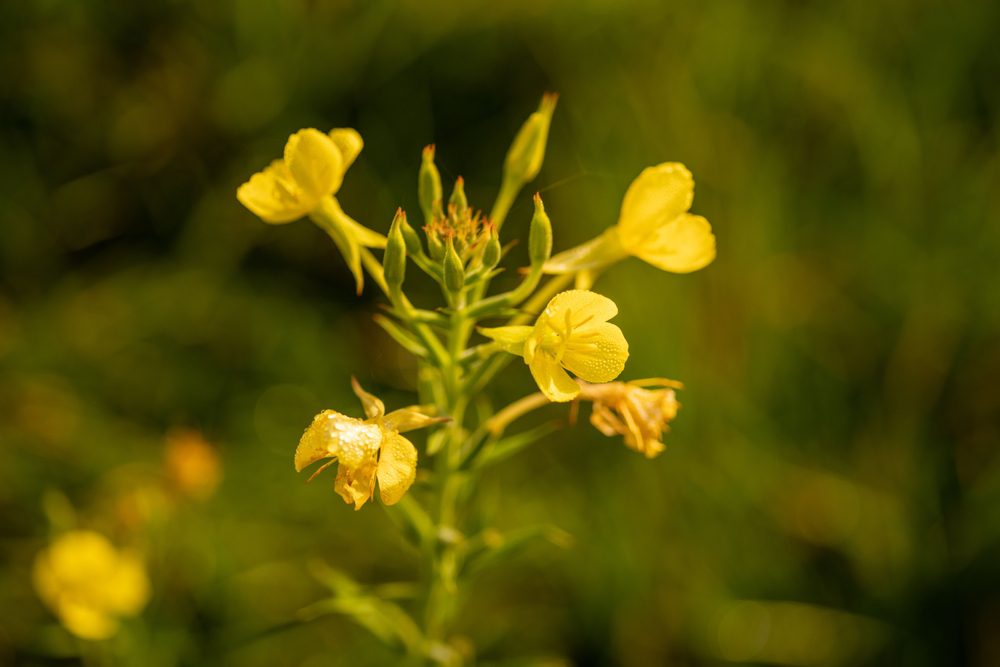
Evening Primroses are widely known for their beautiful, fragrant flowers that bloom at night. This, however, makes them a prime target for moths, which are known for their nocturnal habits.
While moths might not seem as harmful as other pests, they can be quite a nuisance, especially if they find their way into your home. They can also lay eggs on the plant, leading to a caterpillar infestation that can damage your garden.
The Sunflower: Inviting Aphids
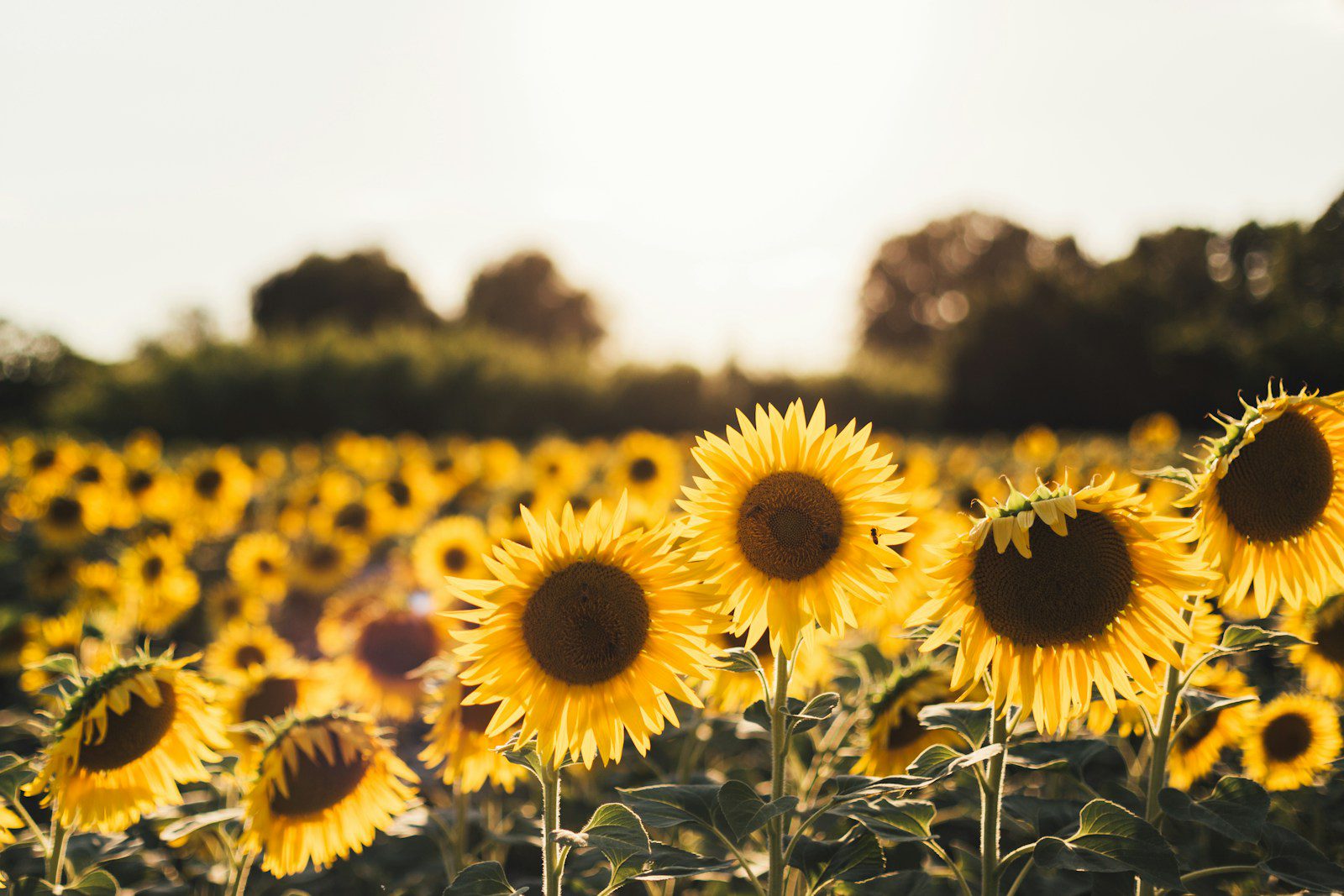
Who doesn’t love the sight of a sunflower? It’s a symbol of summer and a favorite among gardeners. However, these cheery flowers are a favorite of aphids too. Aphids suck sap from the plant, causing the leaves to curl and yellow.
In addition to damaging the plant, aphids can also attract other pests like ants, who feed on the sweet honeydew that aphids produce. So, while sunflowers can make a garden glow, they might also invite trouble.
The Fennel Plant: Welcoming Slugs and Snails

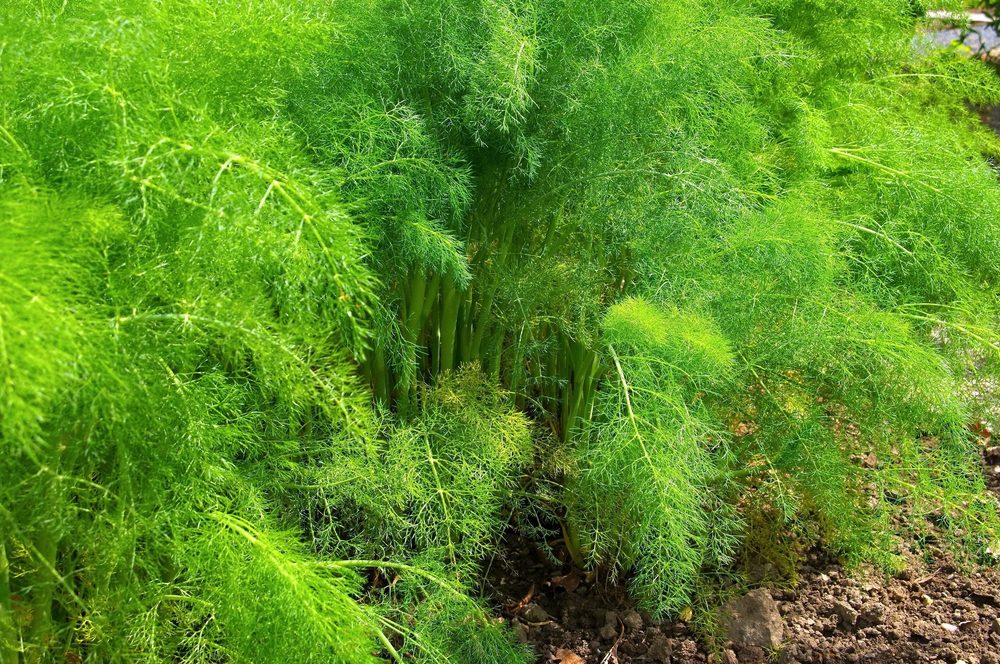
Fennel is a popular plant among gardeners due to its aromatic leaves and seeds. However, this plant is also a magnet for slugs and snails. These pests love the taste of fennel and can cause significant damage to the plant.
Moreover, slugs and snails can be difficult to control, especially in damp conditions. They can also spread to other plants in your garden, causing further damage.
The Butterfly Bush: Drawing in Beetles
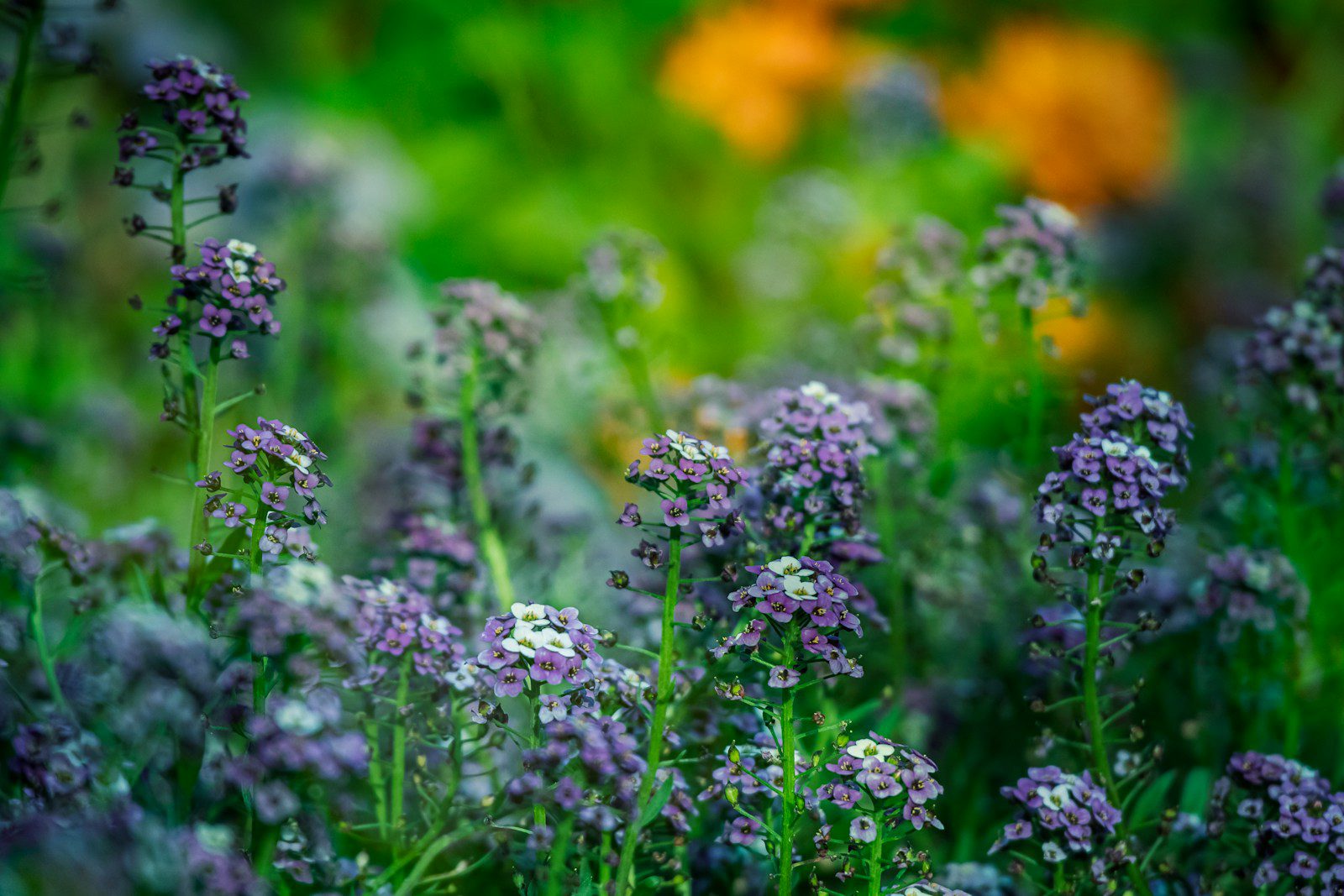
The Butterfly Bush, known for its fragrant flowers and ability to attract butterflies, also attracts beetles. Beetles can cause significant damage to the plant by eating its leaves and flowers.
Not only can beetles damage your Butterfly Bush, but they can also spread to other plants in your garden. So, think twice before planting a Butterfly Bush, especially if beetles are common in your area.
The Shasta Daisy: A Favorite of Earwigs

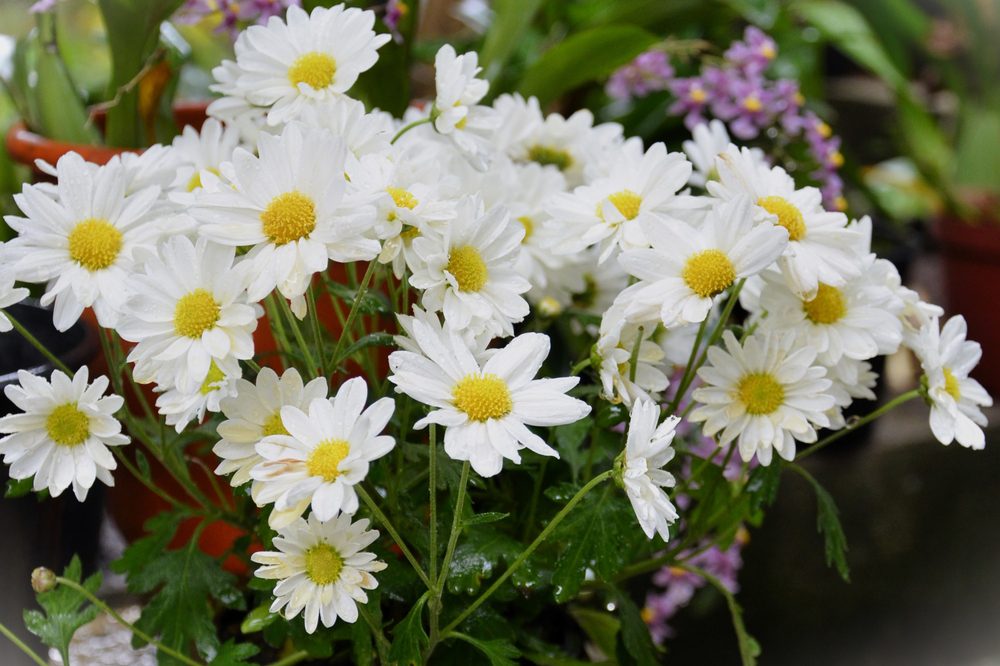
Shasta Daisies, with their bright white petals and sunny yellow centers, are a classic addition to any garden. However, their lush foliage and flowers are a favorite of earwigs.
Earwigs can cause significant damage to the plant by eating its leaves and flowers. Plus, they can quickly multiply and become a nuisance in your garden. So, if you’re not keen on sharing your garden with earwigs, you might want to skip the Shasta Daisies.
The Sweet Alyssum: Alluring to Whiteflies
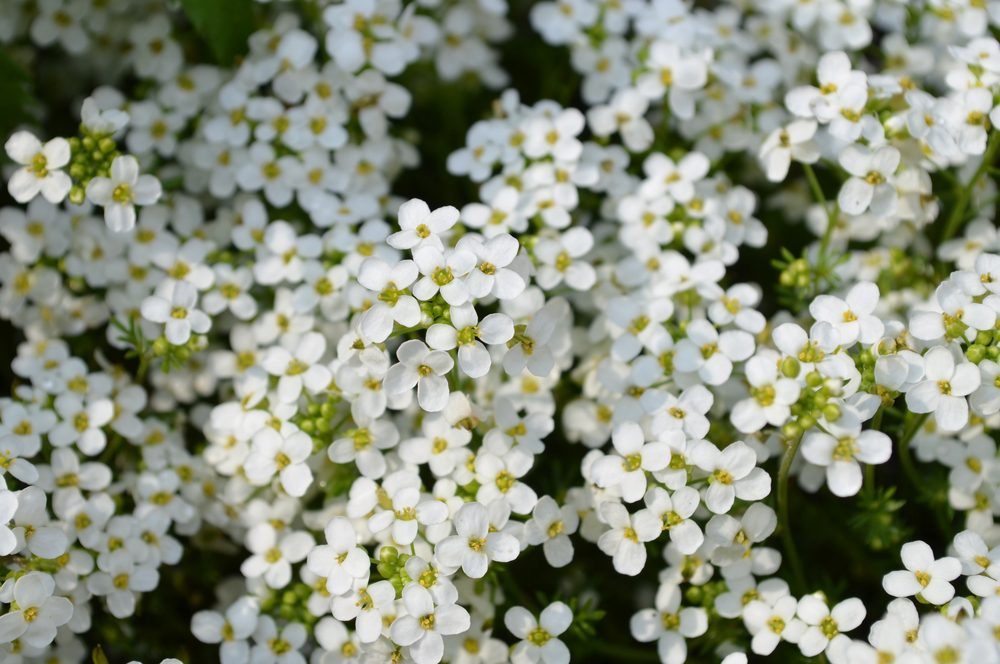
Sweet Alyssum, known for its tiny, fragrant flowers, is a favorite among many gardeners. However, its sweet scent also attracts whiteflies. These tiny insects feed on the plant’s sap, causing its leaves to yellow and curl.
Also, whiteflies can spread diseases to your plants, making it even more important to keep them away. If you’re looking to avoid a whitefly infestation, it’s best to stay away from Sweet Alyssum.
The Petunia: Loved by Leaf Miners
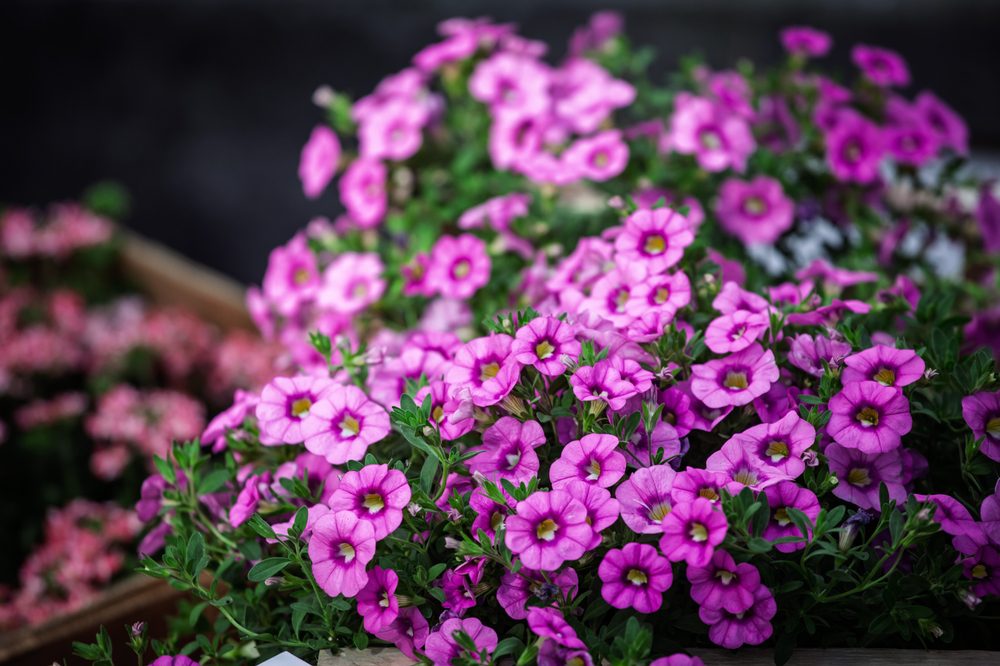
Petunias, with their vibrant, trumpet-shaped flowers, are a popular choice for many gardens. However, these beautiful blooms are a favorite of leaf miners. Leaf miners burrow into the plant’s leaves, leaving behind unsightly trails and potentially harming the plant.
It’s worth noting that leaf miners can also affect other plants in your garden. So, if you want to keep your garden free from these pests, you might want to think twice before planting petunias.
The Zinnia: Attracting Japanese Beetles
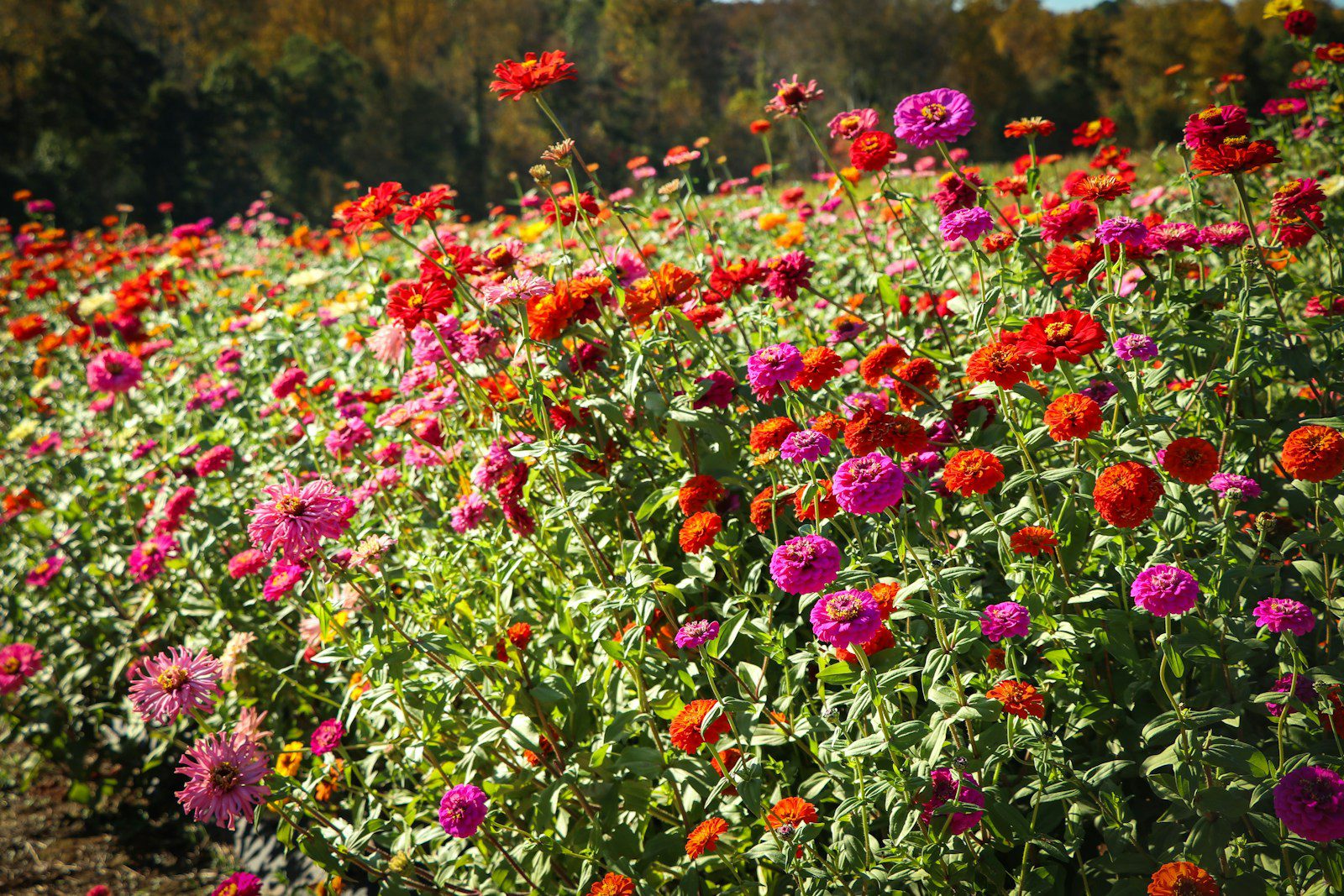
Zinnias, known for their bright and cheerful flowers, can add a pop of color to any garden. However, their vibrant blooms are not just attractive to us humans but also to Japanese beetles.
These beetles can eat away at the plant’s leaves and flowers, causing significant damage. So, if you don’t want to deal with these destructive pests, it’s best to avoid planting Zinnias.
The Yucca: Inviting Grasshoppers
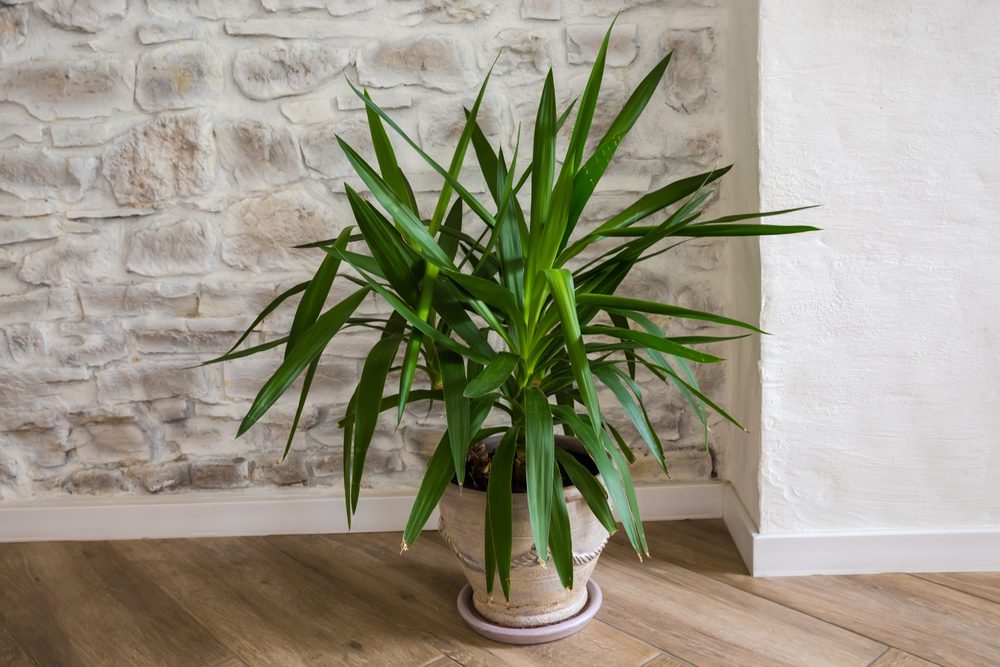
Yucca plants, with their spiky leaves and tall flower stalks, can add an exotic touch to your garden. However, these plants are a favorite of grasshoppers. These pests can eat the plant’s leaves, causing significant damage.
Grasshoppers can also multiply quickly, turning a small problem into a big one in no time. So, if you don’t want to deal with a grasshopper infestation, it’s best to avoid planting Yuccas.
While these plants can add beauty to your garden, they can also invite unwanted guests. However, don’t let this discourage you from gardening. There are plenty of other beautiful plants that won’t attract these pests. And, if you’re dealing with a bug problem, there are also various pest-repelling plants that can help keep bugs away naturally. So, keep exploring and enjoy your gardening journey!
Before you go — if this inspired you, check out these readers-loved favorites: