Before you make any purchase, taking a moment to run through a few simple checks can help you avoid unnecessary expenses. Shopping with a plan and some basic preparation often leads to smarter spending and better deals.
These pre-shopping checks are designed to help you save money by spotting discounts, comparing prices, and avoiding common pitfalls. By paying attention to a few key details before you buy, you can stretch your budget further without sacrificing what you need.
Make a detailed shopping list based on planned meals

Start by listing all the ingredients needed for your planned meals. Include exact quantities to avoid buying too much or too little.
Having a clear list helps you stick to what you need, reducing impulse purchases. It also saves time while shopping since you know exactly what to look for.
Review your list to combine similar items and double-check for any missing essentials. This simple step can help you stay on budget and reduce food waste.
Check pantry and fridge for existing ingredients

Before you start your shopping list, take a quick look inside your pantry and fridge. This helps you avoid buying things you already have.
Noticing what’s close to expiring can guide your meal plan for the week. Using those ingredients first means less waste and more savings.
By checking what’s on hand, you shop smarter and prevent impulse buys. It’s a simple step that keeps your grocery budget in check.
Compare unit prices to find the best deals

When you shop, checking the unit price helps you see which product really costs less. Instead of just looking at the total price, compare costs per ounce, pound, or liter.
This is especially useful when choosing between different sizes or brands. A bigger package might seem cheaper but could cost more per unit.
Use tools or labels showing unit prices to quickly find the better deal. This simple step can save you money without sacrificing what you need.
Review weekly supermarket flyers for discounts

Checking weekly supermarket flyers before shopping helps you spot current discounts. You can plan your list around sale items, which can lower your total bill.
Many stores release their flyers online, making it easy for you to browse deals from home. Look for staples and items you regularly use to maximize savings.
Look up digital coupons before shopping

Before you head out or shop online, take a moment to search for digital coupons. These coupons can offer discounts, cashback, or special deals specific to stores or products you plan to buy.
You can find digital coupons in store apps, browser extensions, or coupon websites. Checking these saves you money effortlessly and can add up over time.
Sign up for store loyalty programs

You can save money simply by joining store loyalty programs. Many retailers offer perks like special discounts, exclusive pricing, and early access to sales.
Signing up is usually free and easy, often done online or in-store. Once you’re a member, you can start earning rewards on your purchases right away.
Check if the program lets you combine rewards with coupons or other discounts. This helps you maximize your savings every time you shop.
Use grocery rewards credit cards

Using a grocery rewards credit card can help you earn points or cashback on your purchases. Look for cards that offer higher rewards specifically for grocery spending.
Some cards give you multiple points per dollar spent at supermarkets, boosting your savings. Just make sure to pay off the balance each month to avoid interest charges.
Check if your card has partner stores or offers bonus points for certain brands. This way, your everyday grocery trips can earn you rewards faster.
Plan shopping trips on weekdays for better discounts

You’ll often find better deals on weekdays because stores want to boost sales during slower times. Fewer shoppers mean more attention from staff and sometimes extra markdowns.
Shopping on weekdays also helps you avoid crowds, making it easier to compare prices and spot discounts. Plus, you can take your time without feeling rushed. This simple timing choice can stretch your budget further.
Check apps like Ibotta for cashback offers
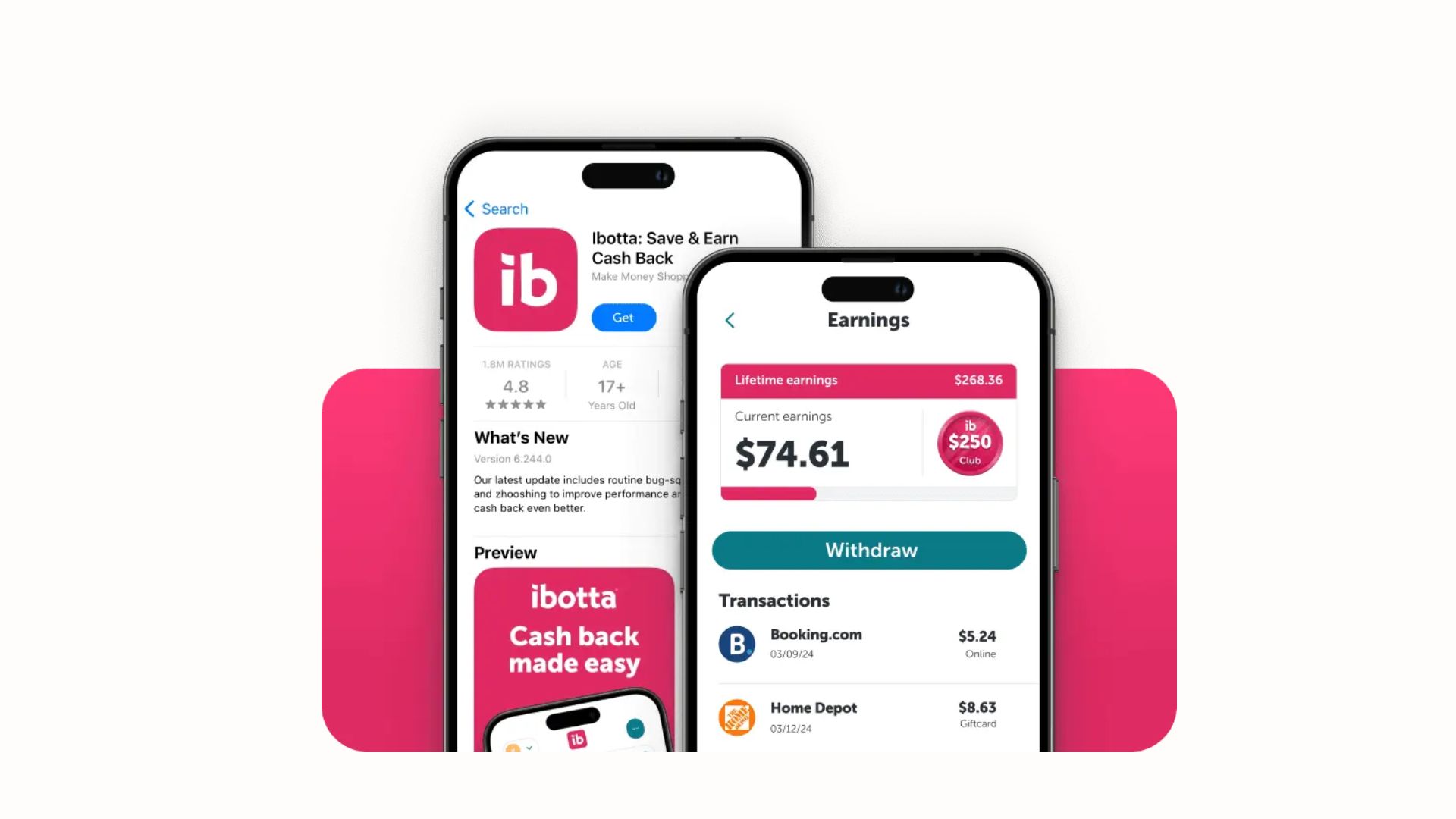
Before you shop, check apps like Ibotta for cashback deals on groceries and everyday items. These apps let you earn money back simply by scanning your receipts or shopping through their platforms.
You can use several apps at once, such as Fetch Rewards, Receipt Hog, or RetailMeNot. This way, you maximize your savings without much extra effort.
Estimate quantities to avoid overbuying

Before you shop, think about how much of each item you’ll actually use. It helps to check your meal plan or calendar for the week.
Buying only what you need means less waste, which saves money and space in your fridge.
If you spot a good deal on items you can freeze or store, consider buying a bit extra. Just be sure you can use it before it spoils.
Note items on sale to adjust your list

Before you head to the store, check the weekly ads for sales. You might find discounts on items you regularly buy or need soon.
Adjust your shopping list based on these deals. This helps you save without buying things you don’t need.
Keep an eye out for buy-one-get-one-free offers or price cuts on staples. Planning this way lets you get more value for your money.
Bring your own reusable bags to avoid fees

Bringing your own reusable bags can help you skip the fees some stores charge for plastic or paper bags. These fees may seem small but can add up over time.
Reusable bags are stronger and bigger, so you can carry more in fewer bags. Plus, some stores even offer small discounts when you bring your own bags. It’s a simple way to save money and reduce waste every time you shop.