
Let’s talk about something we all do: grocery shopping. Admittedly, it’s not the most riveting topic, but it’s something that greatly impacts our health and wellness.
As we meander through the aisles, we’re confronted with a myriad of choices. In the interest of time and convenience, many of us often opt for ready-made, prepackaged foods. However, not all of these options are created equal.
Despite their convenience, many prepared foods are loaded with hidden sugars, unhealthy fats, and excessive sodium. So, which prepared foods should you pass by during your next grocery store run? Let’s take a look.
1. Prepackaged Salads and Sandwiches

Prepackaged salads and sandwiches seem like a convenient and healthy option, but don’t be fooled. Many of these items are loaded with hidden sugars and unhealthy fats. Dressings, toppings, and sandwich condiments can add unnecessary calories and artificial ingredients. Plus, these items often lack the fresh taste and nutritional value of their homemade counterparts.
Additionally, they can contain higher levels of sodium and preservatives to prolong their shelf life. The takeaway here? Opt for fresh ingredients and make your own salads and sandwiches at home whenever possible.
2. Canned Soups

Canned soups might be your go-to comfort food, but they’re often high in sodium. While they’re convenient and relatively inexpensive, they can contribute to high blood pressure and other health issues when consumed regularly.
Many canned soups also contain preservatives and artificial flavors. Consider making soup from scratch or look for low-sodium, preservative-free options. Better yet, check out this guide for healthier soup alternatives.
3. Frozen Diet Meals
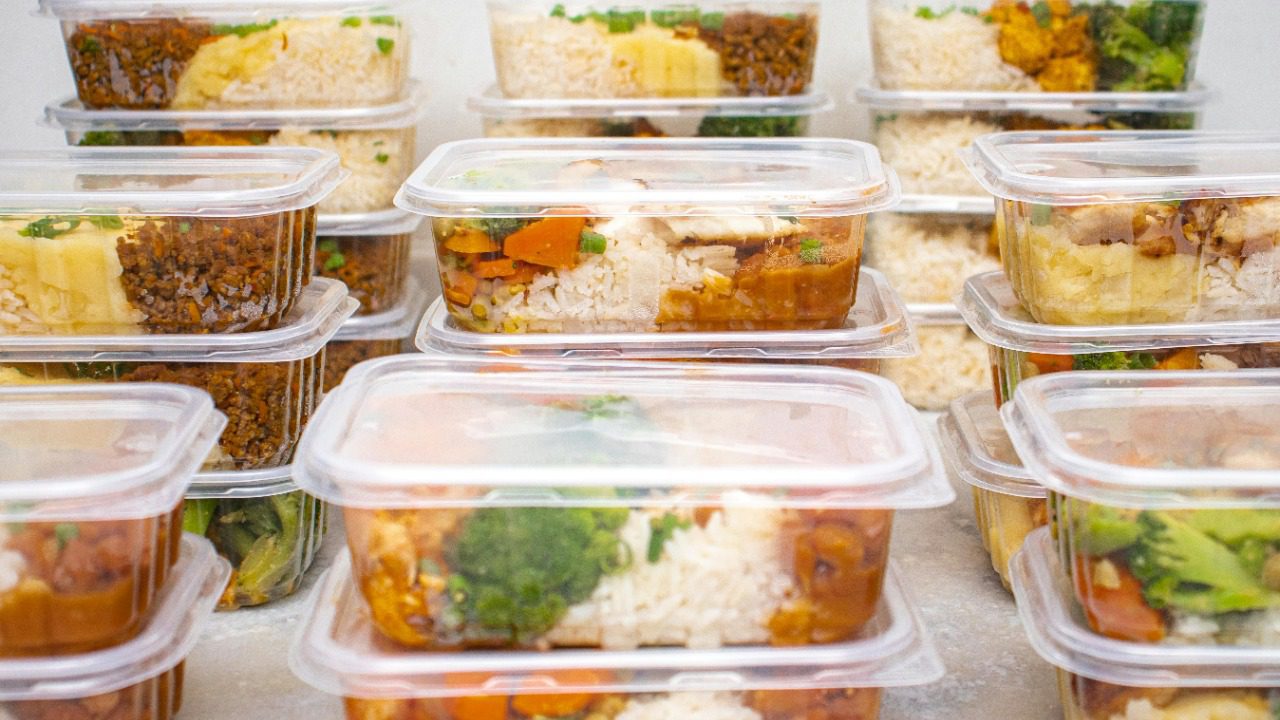
While they may be low in calories, frozen diet meals often lack substantial nutritional value. They’re typically low in fiber and protein—two key nutrients that keep you feeling full and satisfied.
Plus, these meals often contain high levels of sodium to enhance flavor and act as a preservative. Instead of relying on frozen meals, try preparing your own meals using fresh, whole ingredients. It’s not only healthier, but it also allows you to control portion sizes and ingredient quality.
4. Pre-Made Smoothies and Juices

Pre-made smoothies and juices may seem like a healthy, convenient option, but many are packed with added sugars. While they often contain fruits and vegetables, the nutritional benefits can be overshadowed by the high sugar content.
It’s also worth noting that many of these drinks lack the fiber found in whole fruits and vegetables. Consider making your own smoothies and juices at home using fresh produce—you’ll know exactly what’s going into your drink, and you can control the sweetness by adding natural sweeteners like honey or agave.
5. Ready-to-Eat Breakfast Cereals
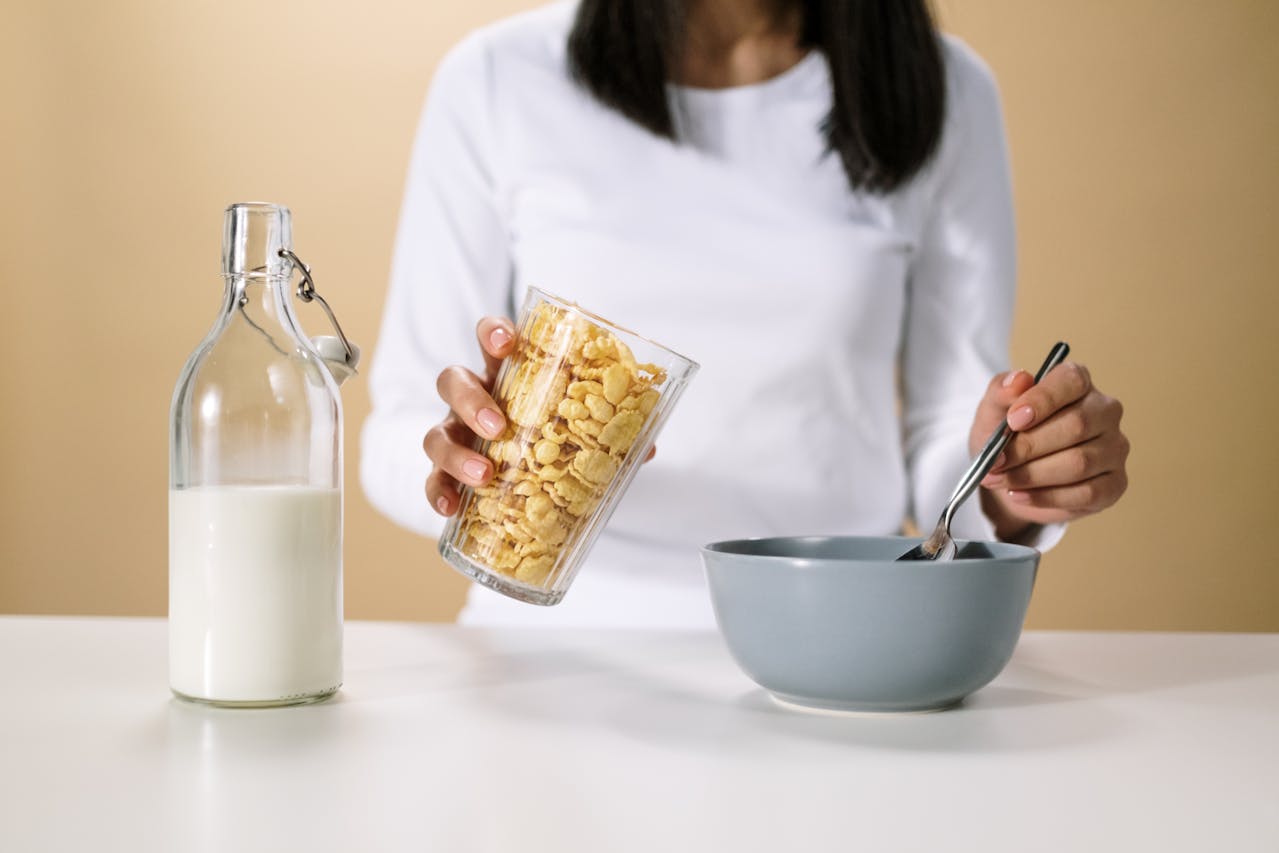
Many ready-to-eat breakfast cereals are high in sugar and low in fiber, making them a poor choice for a nutritious start to your day. While they may be convenient, they’re often not the best option for sustained energy throughout the morning.
Instead, opt for whole grain cereals, oatmeal, or other high-fiber options. Better yet, prepare a balanced breakfast with a mix of protein, healthy fats, and complex carbohydrates. Your body (and your taste buds) will thank you.
6. Packaged Baked Goods
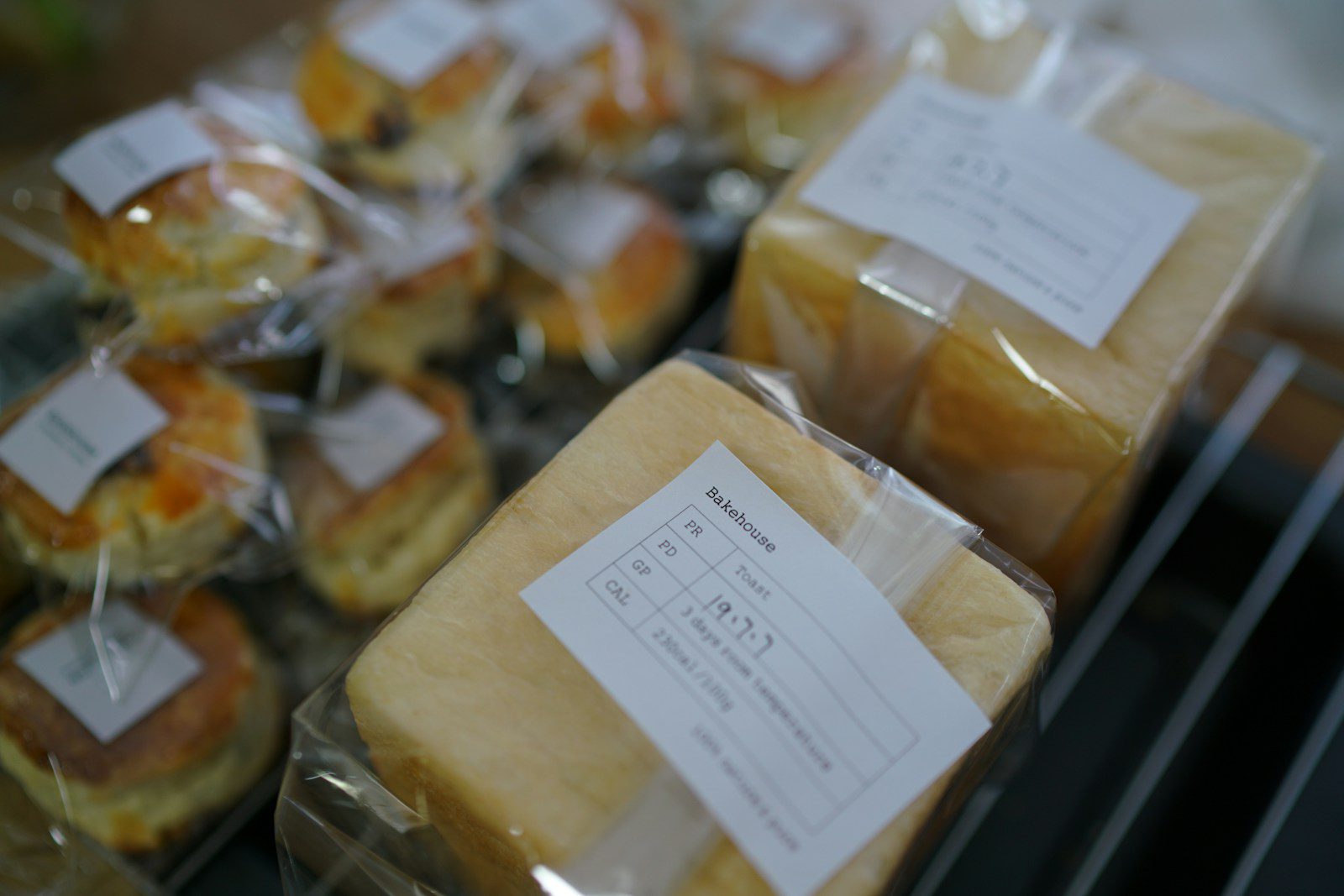
Packaged baked goods like muffins, cakes, and cookies can be a tempting treat, but they’re often loaded with unhealthy fats, sugar, and artificial ingredients. Plus, they’re typically low in nutritional value.
If you’re in the mood for a sweet treat, consider making your own baked goods at home. This allows you to control the ingredients and portion sizes. You can also experiment with healthier substitutions, like using whole wheat flour or replacing sugar with natural sweeteners.
7. Instant Noodles and Pasta

Instant noodles and pasta are convenient and cheap, but they’re often lacking in nutritional value. They’re typically high in sodium and unhealthy fats, and low in fiber and protein.
Instead, consider making your own pasta dishes using whole grain pasta and fresh ingredients. It might take a little more time, but it’s worth it for the nutritional benefits and improved taste.
8. Prepared Meat Products

Prepared meat products like sausages, hot dogs, and deli meats often contain high levels of sodium and unhealthy fats. They can also contain nitrates, preservatives that have been linked to various health issues.
Instead, opt for fresh, lean meats and prepare them yourself. Not only will this allow you to control the ingredients and seasoning, but it can also be a healthier and tastier option.
9. Store-Bought Sushi

Store-bought sushi might seem like a healthy option, but it’s not always the case. It can often contain high levels of sodium, especially in soy sauce and pickled ingredients. Plus, the freshness and quality of the ingredients can be questionable.
If you’re a sushi lover, consider making it at home or eating at a trusted sushi restaurant where you can ensure the quality and freshness of the ingredients.
10. Pre-Cooked Rice and Pasta Dishes
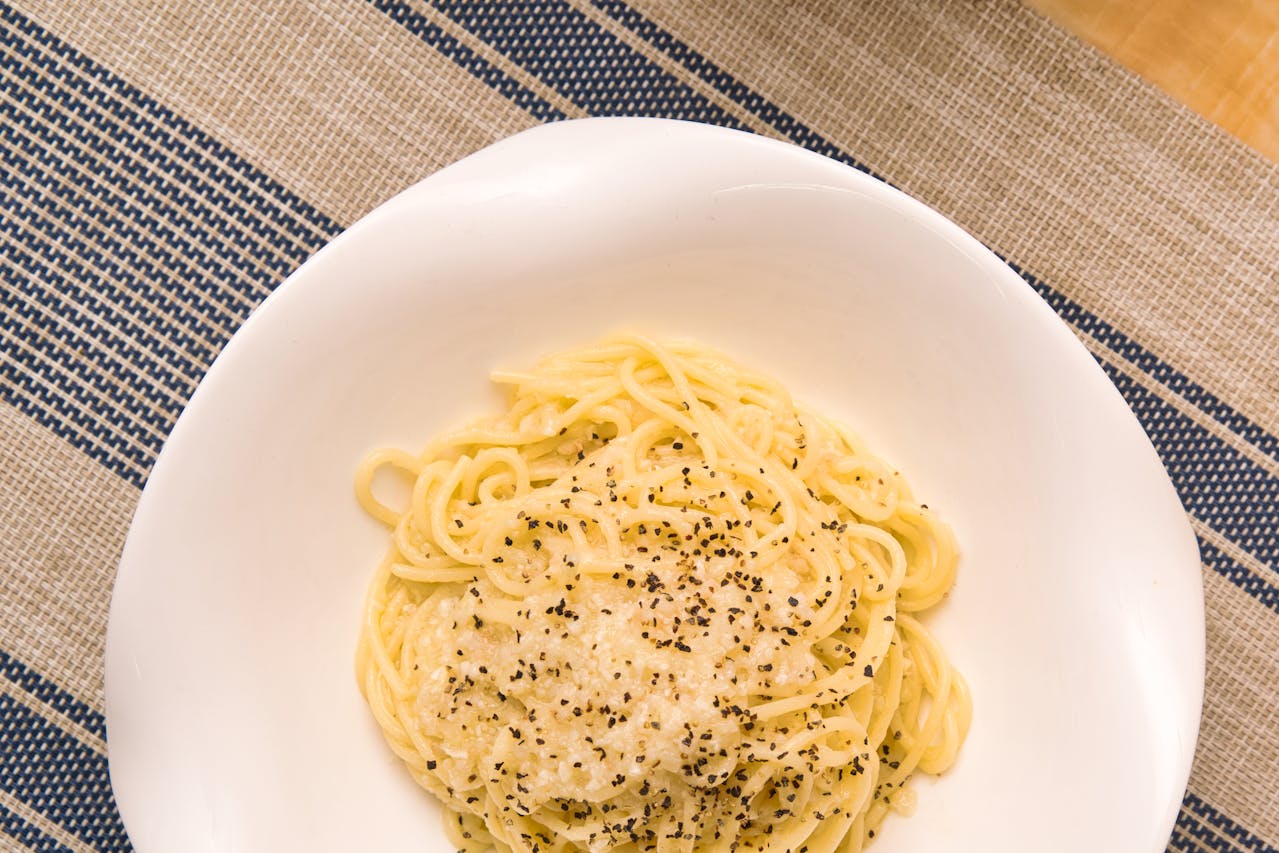
Pre-cooked rice and pasta dishes can save you time, but they’re often high in sodium and preservatives. Plus, they can lack the fresh taste and nutritional value of freshly cooked meals.
Instead, consider cooking your own rice and pasta dishes at home. This allows you to control the ingredients, seasoning, and portion sizes. Plus, it’s usually more delicious and satisfying!
11. Packaged Deli Meats

Packaged deli meats, like ham, turkey, and chicken, are often loaded with sodium, nitrates, and other preservatives. While they may be a convenient option for sandwiches and salads, they’re not the healthiest choice.
Instead, consider roasting your own meats at home or opt for fresh, lean meats from the deli counter. It’s a healthier and tastier option, and you can control the seasoning and portions.
12. Frozen Pizzas

Frozen pizzas are a quick and easy meal option, but they’re often high in sodium, unhealthy fats, and preservatives. Plus, the crust can often be made from refined grains, which lack the fiber and nutrients of whole grains.
Instead, consider making your own pizza at home using fresh ingredients. You can use whole grain dough for a healthier crust, and top it with your favorite fresh vegetables, lean meats, and cheeses.
Navigating the grocery store can be a challenge, especially when it comes to choosing healthy and nutritious foods. By avoiding these prepared foods and opting for fresh, whole ingredients, you can make healthier choices that benefit your overall wellbeing. Remember, it’s not just about convenience—it’s also about nourishing your body with wholesome, delicious foods.