Managing clutter in a busy home can feel overwhelming, especially when time is limited. You don’t need hours or a large empty space to make meaningful progress on organizing your living environment.
These proven decluttering hacks are designed to help you simplify your space effectively without adding stress to your routine. With practical and easy-to-follow methods, you can create a more comfortable and manageable home, even on your busiest days.
Set a 15-minute timer for quick decluttering sprints

Set a timer for 15 minutes to keep your decluttering focused and manageable. This short burst helps you avoid feeling overwhelmed and makes it easier to fit decluttering into your busy day.
Choose one small area to tackle, like a drawer or a shelf. When the timer goes off, stop and celebrate your progress. This simple trick keeps you motivated and consistent.
Use six labeled boxes: trash, recycle, donate, garage sale, relocate, fix

To keep your decluttering organized, grab six boxes and label each one clearly. Use these for trash, recycle, donate, garage sale, relocate, and fix.
Sorting items this way helps you quickly decide what to do with each thing. When a box fills up, handle it right away to avoid second-guessing.
This method saves time and makes your space feel more manageable as you work through it.
Try the hanger trick: flip hangers backward and only keep worn clothes

Flip all your hangers so the hooks face the opposite direction. When you wear a piece of clothing, turn the hanger back the right way.
After several months, you’ll easily see which items you never wore. Those clothes are good candidates to donate or sell.
This simple trick helps you make clear decisions without stress. It takes almost no time and can keep your closet clutter-free.
Do a daily declutter challenge: remove five items every day

You can start small by getting rid of five items each day. It adds up quickly without feeling overwhelming.
This simple habit helps you clear space consistently. In just 30 days, you’ll have removed 150 items.
Try to keep this routine going by later removing five items a week for maintenance. It keeps clutter from coming back.
Start with a clear decluttering plan for each room

You’ll make better progress when you have a plan for every room. Think about what you want that space to feel and look like.
Write down your goals for each room before you begin. This helps keep you focused and motivated as you work.
Break the task into small steps. Tackle one area at a time to avoid feeling overwhelmed.
Having a plan makes it easier to decide what stays, what goes, and where things belong.
Turn decluttering into a fun household challenge

You can make decluttering a simple game for the whole family. Try the 12-12-12 challenge: find 12 items to throw away, 12 to donate, and 12 to relocate.
This breaks the task into small, doable parts, and everyone can join in. It adds a sense of accomplishment without feeling overwhelming.
Turning it into a challenge helps keep motivation high and can even bring some laughs while you tidy up together.
Donate items instead of selling for faster decluttering

If you want to clear your home quickly, donating is often easier than selling. Selling takes time to list, respond to buyers, and wait for a sale.
Donating skips these steps. You can drop off items right away or schedule a pickup.
This helps you avoid holding onto clutter for too long. Plus, your items go to people who need them faster.
Recycle cardboard tubes to organize plastic bags in kitchen drawers
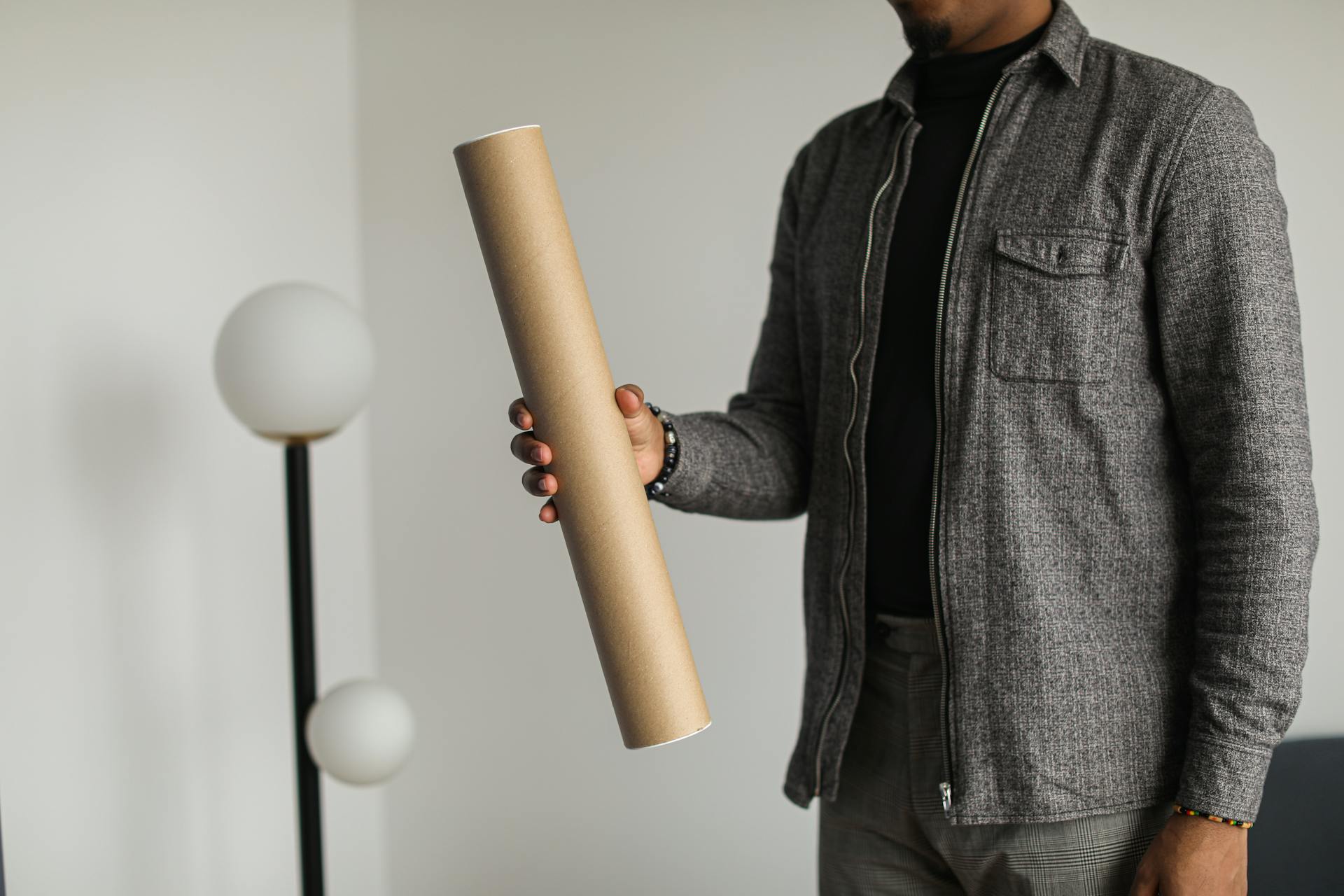
You can use empty cardboard tubes to keep your plastic grocery bags neat and easy to access. Just stuff the bags inside a tube, and they’ll stay compact instead of cluttering your drawers.
This small trick saves space and helps you grab a bag quickly when you need one. It’s a simple, eco-friendly way to recycle and organize at the same time.
Focus on one small area at a time to avoid overwhelm

Start with a small, manageable space, like a drawer or a countertop. This makes decluttering less overwhelming and more achievable.
Tackling one area helps you see quick progress, which can motivate you to keep going. It also creates a clear, focused task, so you don’t get distracted by bigger messes.
By breaking your home into small sections, you can maintain control and reduce stress during the process. This steady approach fits better into busy schedules.
Use a ‘one-in, one-out’ rule to maintain order

You can keep clutter under control by adopting the “one-in, one-out” rule. When you bring a new item home, remove an old one. This helps prevent excess buildup and keeps your space feeling balanced.
It might feel tricky at first, but soon it becomes a natural habit. This simple practice encourages mindful spending and helps you focus on what truly adds value to your home.
Sort clutter by category, not location

When you declutter by category, you focus on similar items all at once. This helps you see exactly how much you have and decide what to keep or let go of.
For example, gather all your clothes from every room before sorting. It’s easier to spot duplicates or items you no longer use.
This method saves time and stops clutter from just moving around your home. Plus, it makes donating or selling items simpler since they’re already grouped.
Keep a ‘maybe’ box and revisit it after 30 days

When you’re unsure about certain items, put them in a ‘maybe’ box. This helps you avoid making quick decisions you might regret.
After 30 days, go back and check the box. If you haven’t missed or needed anything from it, you can let those items go.
This method gives you time to think without clutter piling up. It’s a gentle way to declutter at your own pace.