Is your electric bill astonishingly high every month? You’re not alone. Many of us often find ourselves scratching our heads, wondering why we’re paying so much for electricity.
It may seem like a mystery, but several factors could be causing your bill to skyrocket. It’s important to understand these factors to help manage your energy consumption and save money.
So, let’s delve into some potential reasons why your electric bill could be higher than it should be.
1. Inefficient Heating and Cooling Systems

Inefficient heating and cooling systems can seriously inflate your energy bills. Older models are not as energy-efficient, and if they’re not well-maintained, they can consume a lot more energy than necessary to function. This could be one of the reasons why your bill is higher than expected.
Consider upgrading to a newer model or ensuring your existing system is regularly serviced. According to a study, a well-maintained heating or cooling system can reduce energy consumption by up to 20%.
2. Overreliance on Electrical Appliances
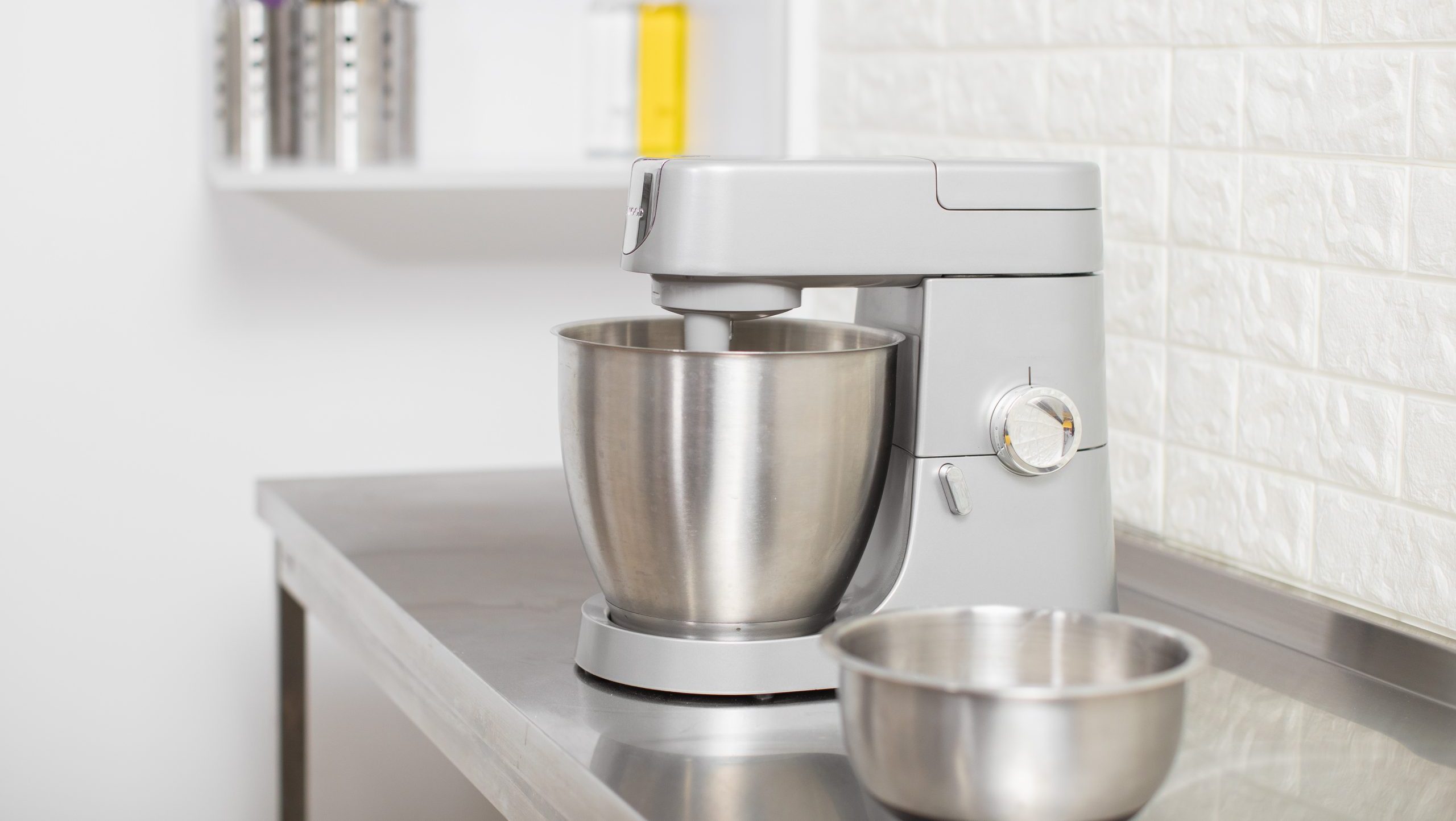
We live in an age of convenience where electrical appliances are integral to our daily routines. However, overusing these appliances can significantly increase your energy consumption. From the microwave to the washing machine, every appliance adds to your bill.
Consider using appliances more efficiently or investing in energy-efficient models to help bring down your energy costs. For instance, washing clothes in cold water or air-drying dishes in your dishwasher can save energy.
3. Running Appliances at Peak Times

Did you know that the time you use your appliances can affect your energy bill? Many utility companies charge more during peak usage hours. Running your dishwasher, washing machine, or other high-energy appliances during these times can cause your bill to spike.
To combat this, try to run your appliances during off-peak hours. Check with your utility company to find out when these times are and plan your usage accordingly.
4. Outdated Electrical Devices

Just like inefficient heating and cooling systems, outdated electrical devices can be a significant drain on your energy resources. Older models of televisions, computers, and even cell phone chargers can consume more energy than their modern, energy-efficient counterparts.
Upgrading to energy-efficient devices can be an investment up front, but it can save you money in the long run. Also, unplugging devices when they’re not in use can help reduce phantom power consumption.
5. Overusing Incandescent Light Bulbs

Incandescent light bulbs consume more energy than LED or CFL bulbs. If your home is still filled with incandescent bulbs, they could be adding a substantial amount to your energy bill.
Consider replacing them with energy-efficient bulbs. Not only do they use less energy, but they also last longer, saving you money on replacement costs.
6. Poor Insulation in Your Home
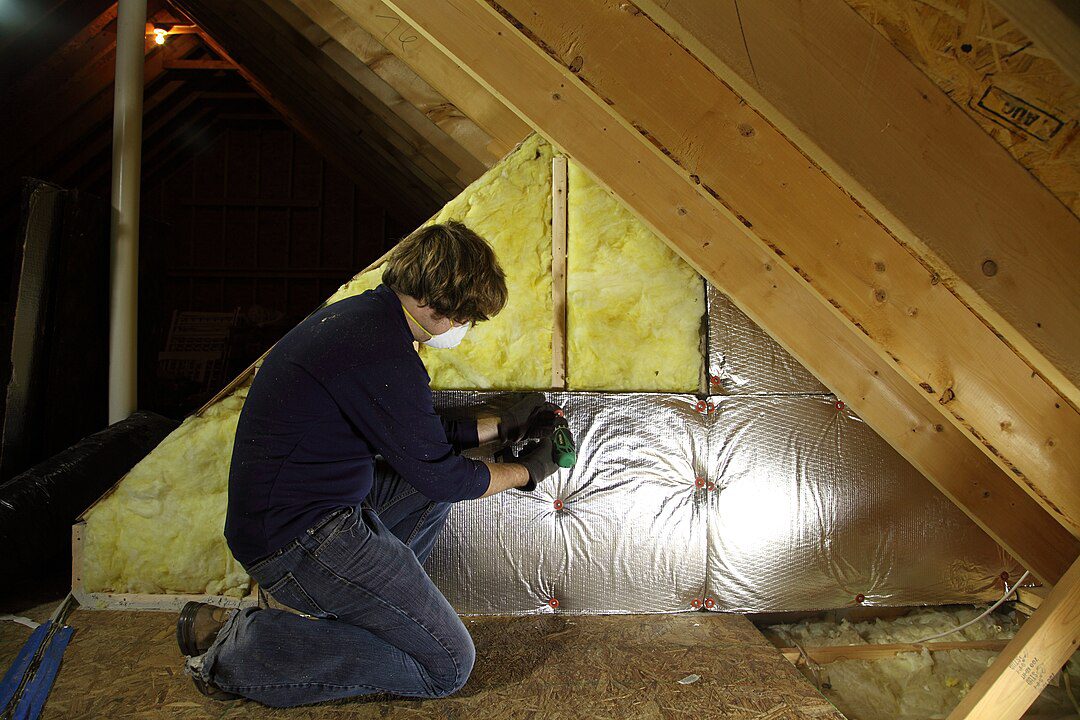
Poor insulation can cause your heating and cooling systems to work overtime, leading to higher energy consumption. If your home isn’t well-insulated, heat can escape during the winter and cool air can leak out during the summer.
Investing in better insulation can help maintain a comfortable temperature in your home, reducing the need for excessive heating or cooling. This can significantly reduce your energy usage and lower your bill.
7. Phantom Energy Drains
Did you know that your devices consume energy even when they’re not in use? This is known as phantom or standby power. Everything from your television to your coffee maker can draw power when they’re plugged in, even if they’re turned off.
Unplugging devices when they’re not in use or using a power strip with a switch can help combat phantom power consumption. It’s a small step, but it can make a big difference in your energy bill.
8. Ineffective Use of Natural Light

Relying on artificial light during the day can unnecessarily increase your energy consumption. If you’re not making the most of the natural light in your home, you could be paying more than you need to for electricity.
Opening curtains and blinds during the day can reduce the need for artificial light. Also, consider arranging your living spaces to maximize exposure to natural light.
9. High Energy Consumption During Winter

Winter can be a high-energy consumption period due to the need for heating. If you’re cranking up the heat to stay warm, it could be driving up your energy bill.
Instead of turning up the heat, consider other ways to stay warm, like wearing warmer clothing or using blankets. You can also lower your thermostat when you’re not home to save energy.
10. Inadequate Maintenance of Electrical Equipment

Just like a car, electrical equipment needs regular maintenance to run efficiently. If you’re not maintaining your appliances and devices, they could be consuming more energy than necessary.
Regular maintenance, such as cleaning filters or defrosting your fridge, can help your appliances run more efficiently and reduce energy consumption. This can help lower your electric bill.
11. Ignoring Energy Saving Settings on Devices
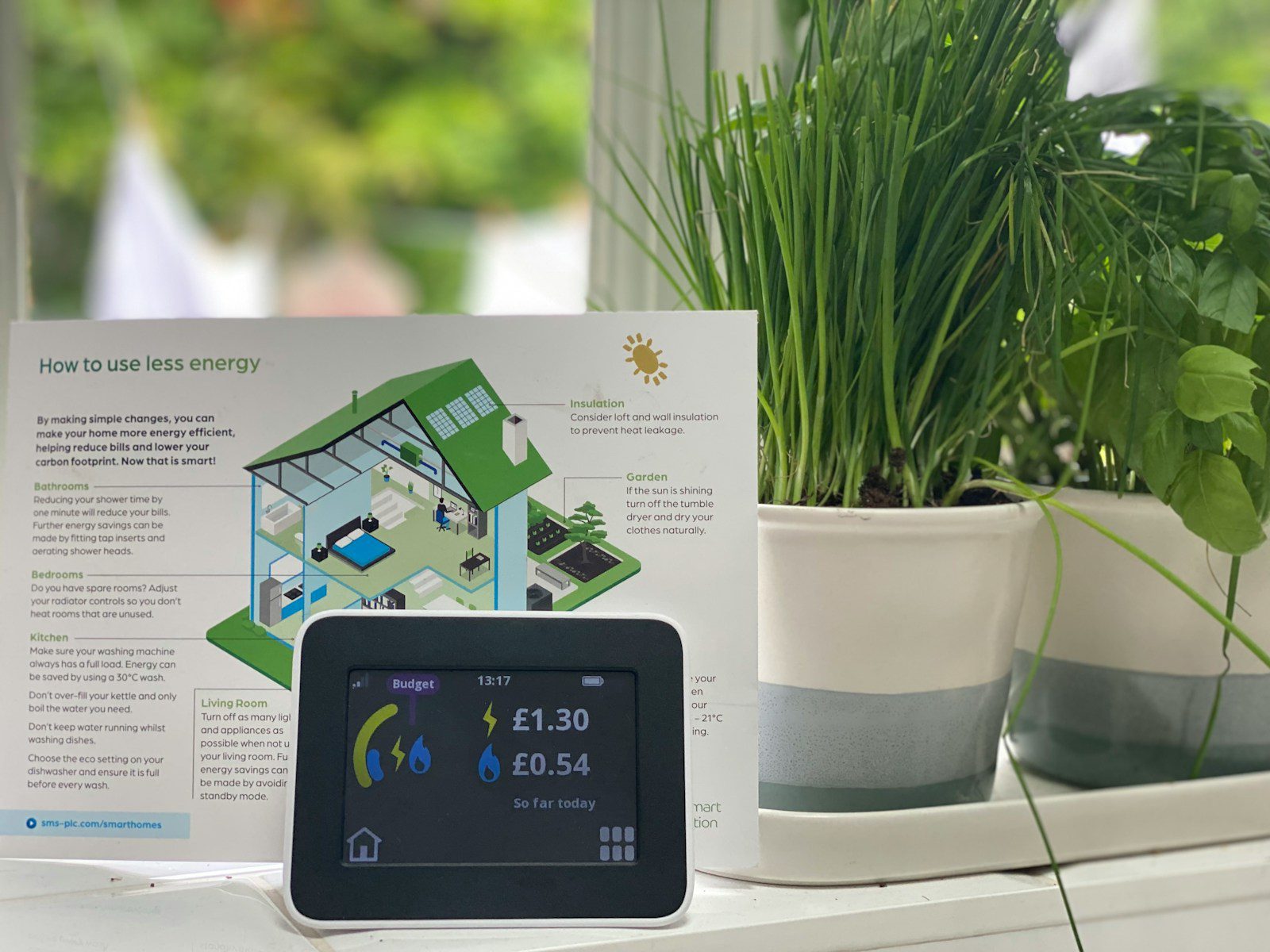
Many modern devices come with energy-saving settings, but if you’re not using them, you could be wasting energy. These settings are designed to reduce energy consumption without compromising the device’s performance.
Take the time to explore these settings on your devices. From your television to your computer, using these settings can help reduce your energy bill.
12. Lack of Energy Audit in Your Home

If you’ve never had an energy audit for your home, you could be overlooking several energy-wasting issues. An energy audit can identify areas where you’re losing energy and suggest ways to improve efficiency.
Many utility companies offer free or low-cost energy audits. Consider scheduling one to identify potential energy savings and make your home more energy-efficient. This could significantly reduce your energy bill.