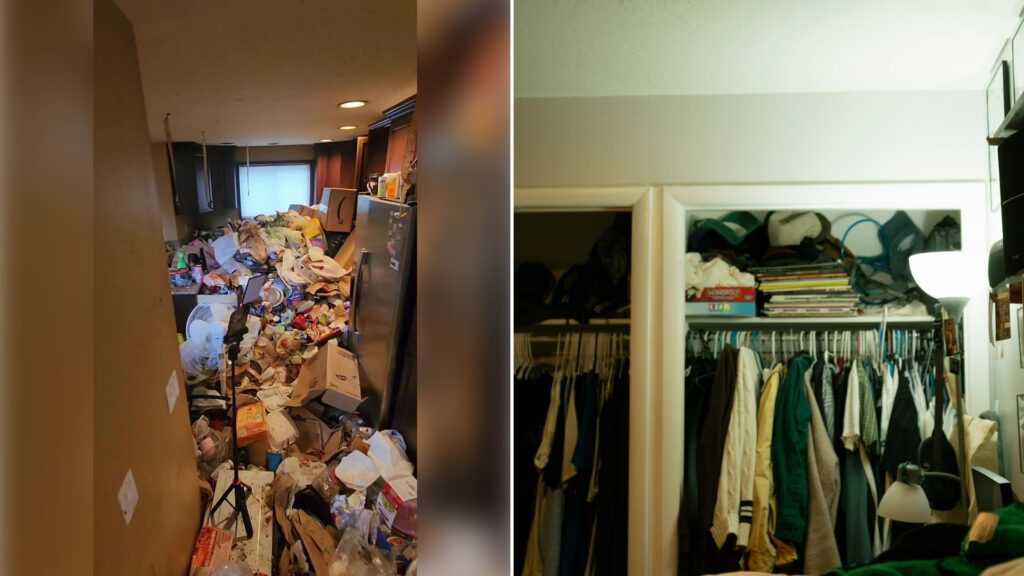
Decluttering your space can feel like a fresh start, but keeping that order over time is often the real challenge. You might find that without a plan, clutter slowly creeps back, undoing all your hard work.
The key to maintaining order after decluttering is learning practical habits that prevent clutter from returning. These simple changes help you enjoy a tidy, calming space without constant effort.
Assign a specific home for every item

To keep your space organized, give each item a specific spot. When everything has a designated home, you’ll know exactly where to find it and where to put it back.
Use shelves, drawers, or containers to create clear places for your belongings. This habit helps prevent clutter from creeping back in over time.
Once you assign a home for your things, try to stick with it. Consistency makes maintaining order much easier and less time-consuming.
Make tidying a daily habit

You can keep your space orderly by spending just a few minutes each day tidying up. Simple actions like putting items back where they belong right after use prevent clutter from building.
Set a short daily time, like 10 minutes, to focus on tidying. This quick routine helps maintain the order you’ve worked hard to create. Consistency is key to making tidying feel natural and effortless.
Start with small, manageable decluttering tasks

Begin by picking a small area, like a drawer or a single shelf. This keeps the task from feeling overwhelming and helps you build momentum.
Try the 12-12-12 method: find 12 items to toss, 12 to donate, and 12 to put back where they belong. It breaks the process into easy steps.
Focusing on small parts of your space regularly creates steady progress and makes maintaining order much easier.
Declutter first, organize later

Start by removing what you no longer need before thinking about where things will go. This helps you see clearly what you really have.
Once you’ve pared down your belongings, sorting the leftover items into categories makes organizing easier.
Focus on creating a system that suits your lifestyle, rather than forcing everything into a pre-made plan. This keeps your space practical and tidy long-term.
Use a 10-minute nightly tidy-up routine

You can keep your space orderly by spending just 10 minutes each night tidying up. Set a timer and focus on putting away items, wiping counters, or clearing clutter.
Doing this daily prevents mess from building up and makes mornings feel more relaxed. Even small efforts add up to a big difference over time. Keep it simple and consistent to maintain your clean space.
Create a realistic organization system you enjoy

Your organization system should fit your lifestyle and feel natural to you. Don’t stress about what others might find logical—focus on what helps you stay on track.
Try simple methods like setting timers for tasks or making daily to-do lists. These small habits can make your system easier to maintain.
Remember, it’s okay to have a little space for mess. This makes staying organized more flexible and less stressful.
Recycle or donate unused items regularly

You can keep clutter under control by making recycling or donating a routine. Set aside time often to sort through items you no longer use.
Donating helps others and clears your space quickly. Plus, you can feel good knowing your items find a new home.
Recycling prevents waste and helps the environment. Check local guidelines to dispose of things properly without harm.
By doing this regularly, you avoid buildup and keep your home feeling fresh and organized.
Label storage containers clearly

Labeling your storage containers helps you find what you need quickly. Use clear labels so you can see the contents without opening every bin.
Place labels on the front of each container for easy visibility. If possible, use a label maker for neat, consistent tags that look good and last longer.
This simple step keeps your space organized and saves time when putting things away or searching for items.
Avoid buying new storage until decluttering is done

You might feel tempted to buy new storage before you finish decluttering. Hold off on that. Using what you already have helps you see exactly what you need.
Decluttering first means you won’t buy extra bins for things you might toss. This can save you money and prevent unnecessary clutter.
Focus on sorting your items before organizing. Once everything is clear, you can find the right places for what you keep without overbuying.
Keep frequently used items easily accessible

Keep the things you use daily within easy reach. This saves time and reduces frustration when you need them quickly.
Use baskets, trays, or designated shelves to group these items together. This helps you stay organized and prevents clutter from building up again.
Avoid storing frequently used items in deep drawers or hard-to-reach places. When everything has its spot, you’ll find it easier to maintain order every day.
Set weekly goals to maintain progress

Setting small weekly goals helps you keep your space organized without feeling overwhelmed. You can focus on one area at a time, making steady improvements that add up.
Reflect on your progress each week. This helps you see what’s working and plan your next steps.
Weekly goals keep you motivated and create a habit of tidying up regularly. Even simple tasks, like clearing a shelf or donating a few items, make a difference.
Limit sentimental clutter thoughtfully

When keeping sentimental items, set clear physical limits, like a single memory box. This helps you focus on what truly matters without becoming overwhelmed.
If you have more than one thing you want to keep, contain them in a specific, small space. This way, you honor memories while maintaining order.
Remember, the goal is to preserve feelings, not just objects. You can also create a scrapbook or photo album to store memories in a compact, meaningful way.