When it comes to holding onto sentimental items, it’s easy to assume that what means a lot to you will carry the same weight for the next generation. But often, your kids or grandkids won’t share the same connection to certain belongings.
Knowing which items are unlikely to hold meaning for those who come after you can help you decide what’s really worth keeping. This can save you space, reduce clutter, and make it easier to pass things on with intention.
Broken wooden keepsakes
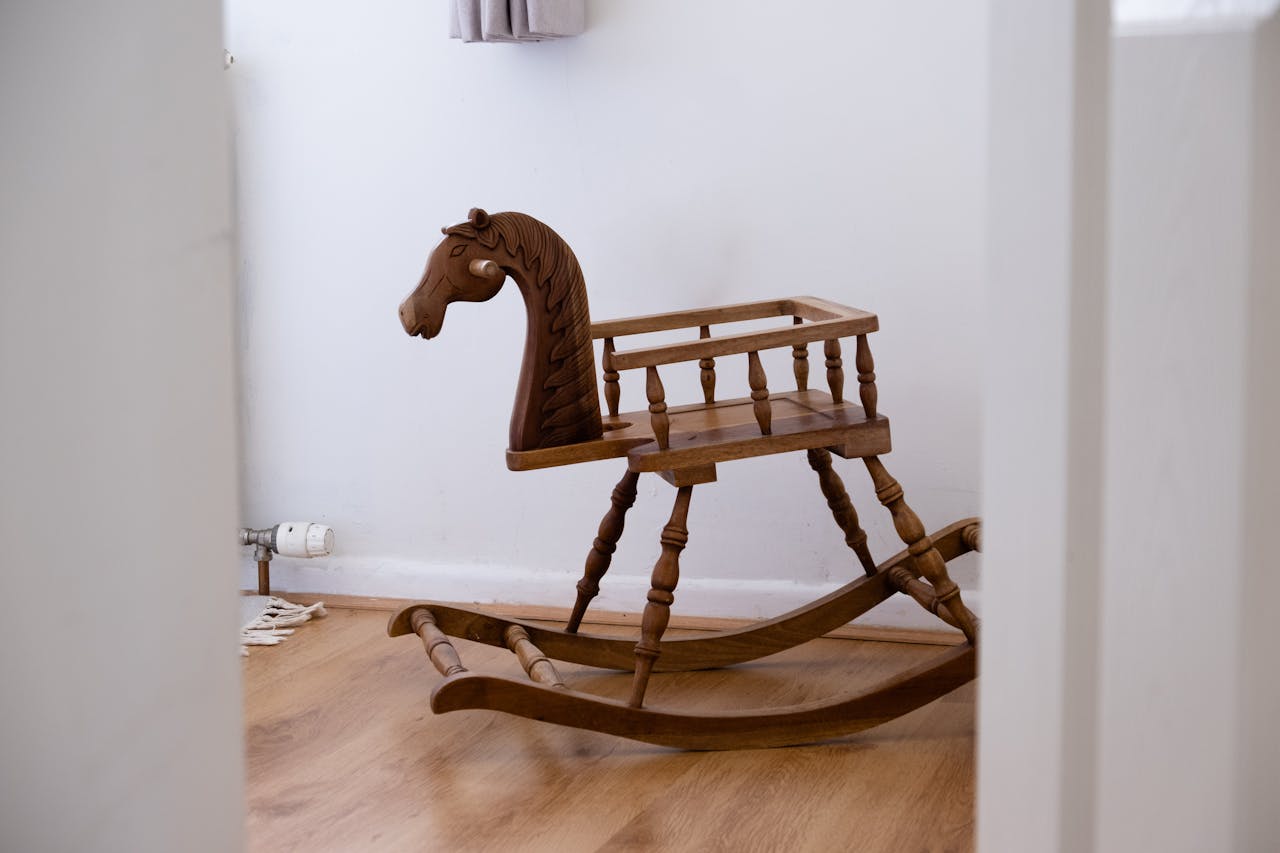
You might have some old wooden keepsakes that are cracked or missing pieces. While they hold memories for you, the damage can make them less meaningful to others.
If the wood is worn or broken, the story might get lost. You could consider keeping a photo instead, so the memory stays without the clutter.
Old concert ticket stubs

You might have a bunch of old concert ticket stubs tucked away somewhere. To you, they hold memories of great shows and fun nights out.
But for the next generation, these paper slips probably won’t mean much. Digital tickets and streaming concerts have replaced the physical keepsakes.
Still, if you want to hold onto those stubs, they can be a cool reminder of your music history—even if they lose value for others.
Faded handwritten birthday cards

You might have a box full of birthday cards with kind words penned in your favorite handwriting. But to the next generation, these cards might just seem like old paper, especially as fewer people write by hand today.
The charm of a handwritten note is slowly fading. Digital messages are faster and easier, so your faded cards may not hold much meaning for those used to screens.
Worn-out coffee mugs

You might have a favorite coffee mug that’s chipped or stained from years of use. To you, it holds memories of quiet mornings or important conversations.
But chances are, your kids or grandkids won’t see the same value in it. They’ll probably just see a mug that’s seen better days.
Those grey scratches or coffee stains don’t add meaning for them—they might even just toss it without a second thought.
Outdated family photo albums
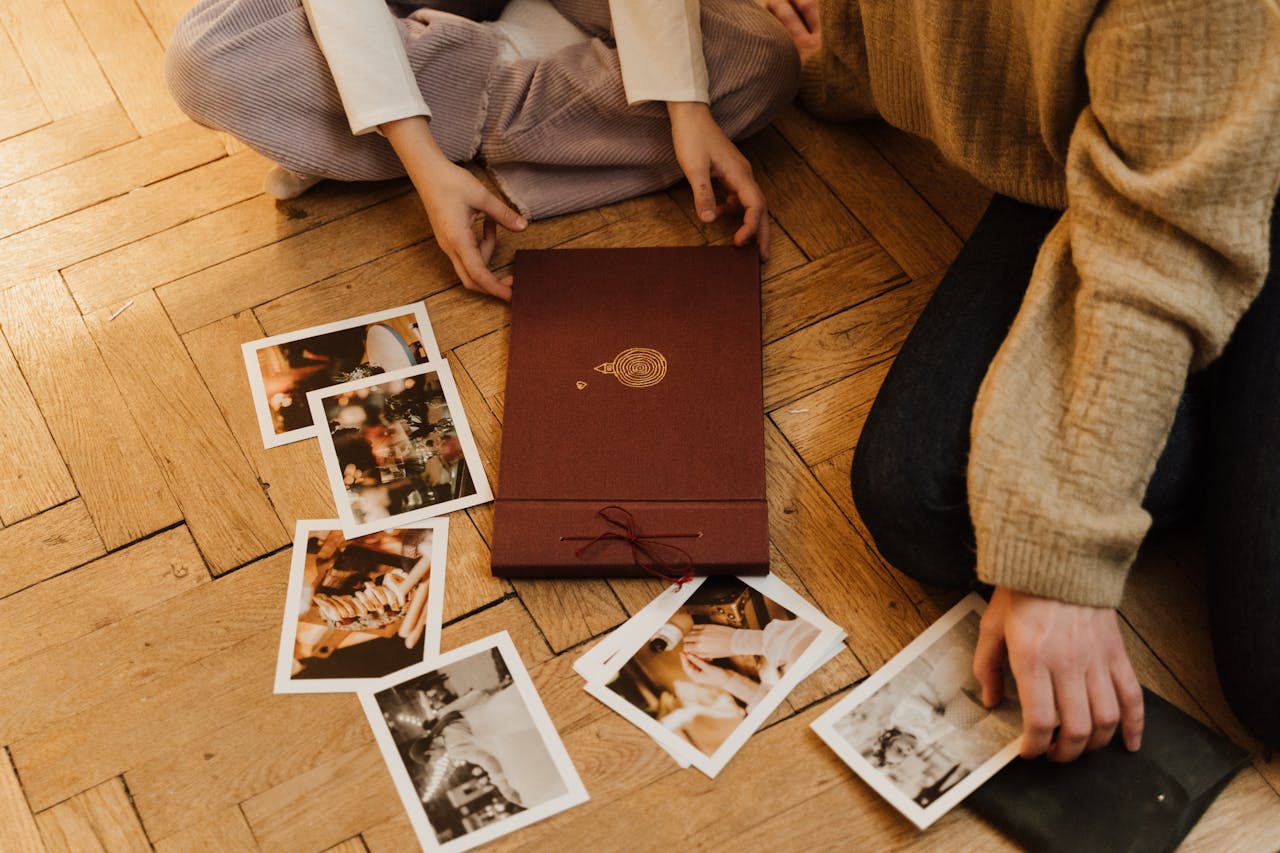
You might have old photo albums gathering dust that don’t get much attention anymore. For the next generation, these bulky albums may feel less meaningful than digital photos they can scroll through anytime.
If you want to keep the memories, consider digitizing them. You can also donate albums to local historical or genealogy groups if you’re ready to part with them.
Torn love letters

You might find old love letters tucked away, fragile and worn. To you, they hold memories and emotions that feel personal and valuable.
But to the next generation, these letters may seem outdated or even awkward. The style and expressions can feel foreign in a world of texts and quick messages.
Even if you treasure every word, torn or faded love letters often lose meaning for those who didn’t share the same moments or feelings.
Vintage holiday postcards

You might have a box of vintage holiday postcards tucked away somewhere. These cards were once a popular way to send greetings during the holidays.
Today, you could find lots of sets for sale, often featuring classic holiday images like Santa and Christmas trees. But for younger generations, the charm of these postcards may not hold much meaning.
They’re mostly seen as old paper, not something connected to newer digital ways of sharing holiday wishes.
Souvenir trinkets

You might have a box full of old keychains, magnets, or tiny statues from trips long ago. These little things often feel special because they remind you of memories.
But when it comes to the next generation, these rusty trinkets usually don’t hold much meaning. They may see them as clutter, not the keepsakes you cherish.
If you want to keep memories alive, it’s better to focus on photos or stories instead of worn-out souvenirs.
Unused baby clothes from decades ago
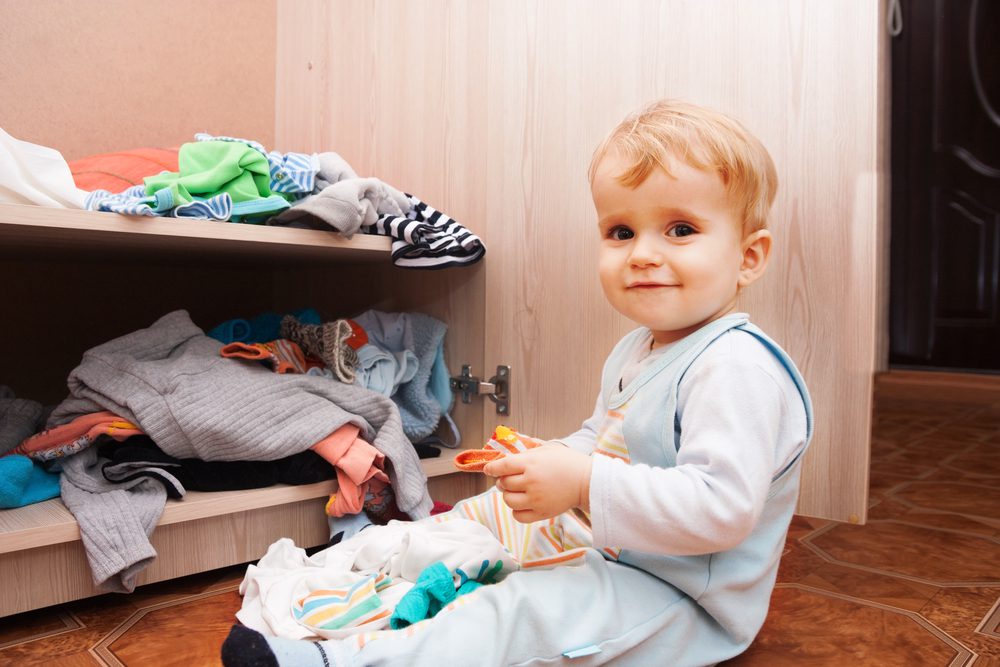
You might think saving those tiny baby clothes from years ago will be meaningful. But tastes and fabrics change, so they often don’t hold much value for the next generation.
Many items like onesies and old tees can feel outdated or worn out, even if unused.
Keeping a few special pieces is fine, but most of these clothes aren’t likely to spark much interest later on.
Old magazines and newspapers

You might hold onto old magazines and newspapers for nostalgia or reference. But for the next generation, these often feel like bulky paper that no longer fits their digital habits.
Libraries are even clearing out entire collections, which shows how little value print media holds now. If you keep them, it’s usually for personal reasons, not because anyone expects you to.
Frayed fabric from childhood blankets

You probably grew up clutching a soft, worn blanket that gave you comfort. It’s a security object, something that made tough moments feel a bit easier.
But to the next generation, those blankets might just look like old, ragged fabric. The emotional value you feel won’t automatically transfer to them.
They won’t see the same memories or sense of safety wrapped up in those frayed threads. It’s your story, not theirs.
Unplayable cassette tapes or VHS tapes

You might have boxes of old cassette or VHS tapes lying around, packed with memories. But chances are, the next generation won’t know how to use the players needed to watch or listen to them.
Even if the tapes still work, the devices to play them are rare. If you want to keep those memories, digitizing the content is your best bet. Otherwise, these tapes risk becoming just piles of unused plastic.
Like what you read? Here’s more by us: