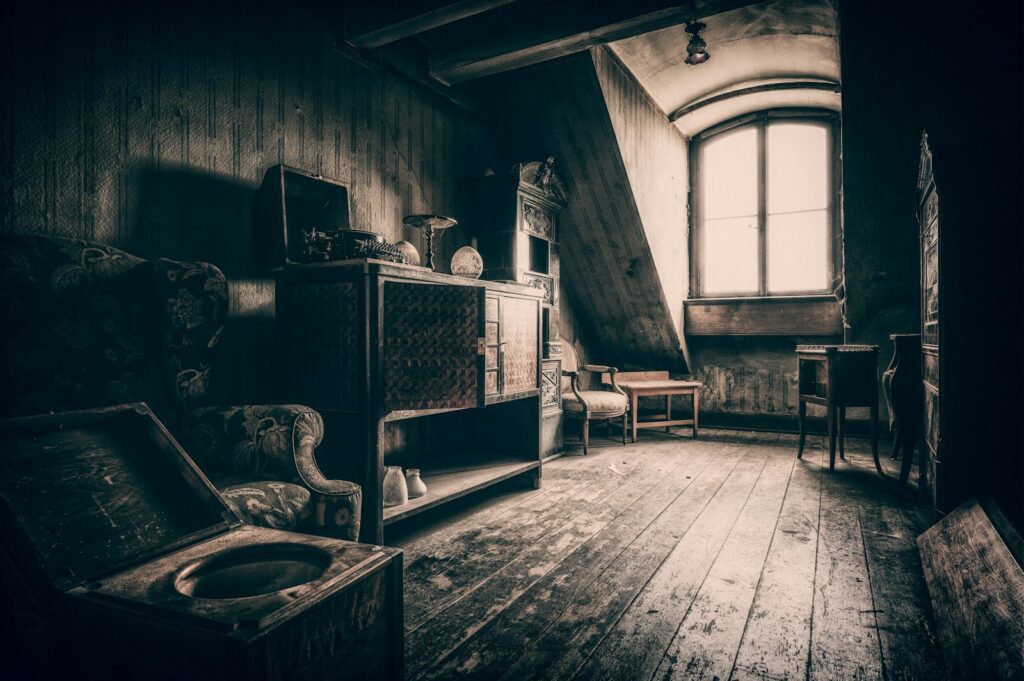
Clutter can start out as just a little mess, but sometimes it grows into something more that affects how you live. When your space feels overwhelming and hard to manage, it might be a sign that clutter has become an addiction.
Understanding the signs of clutter addiction can help you recognize when the problem is more than just untidiness. Noticing these signs can be the first step toward making positive changes in your environment and mindset.
Difficulty discarding old or unnecessary items

You find it tough to throw things away, even if they no longer serve a purpose. Items that seem useless to others feel important or hard to part with.
This struggle can lead to piles of stuff building up around your space. Letting go feels stressful, making you hold onto things “just in case.”
Feeling anxious or distressed when trying to declutter

You might notice a weird feeling of anxiety creeping in whenever you start to get rid of stuff. It’s common to feel overwhelmed, like you’re making a mistake by letting things go.
Sometimes the clutter feels like a safety net. The thought of decluttering can bring up fears about losing control or facing past insecurities. If this sounds like you, it might explain why decluttering feels less like a chore and more like an emotional battle.
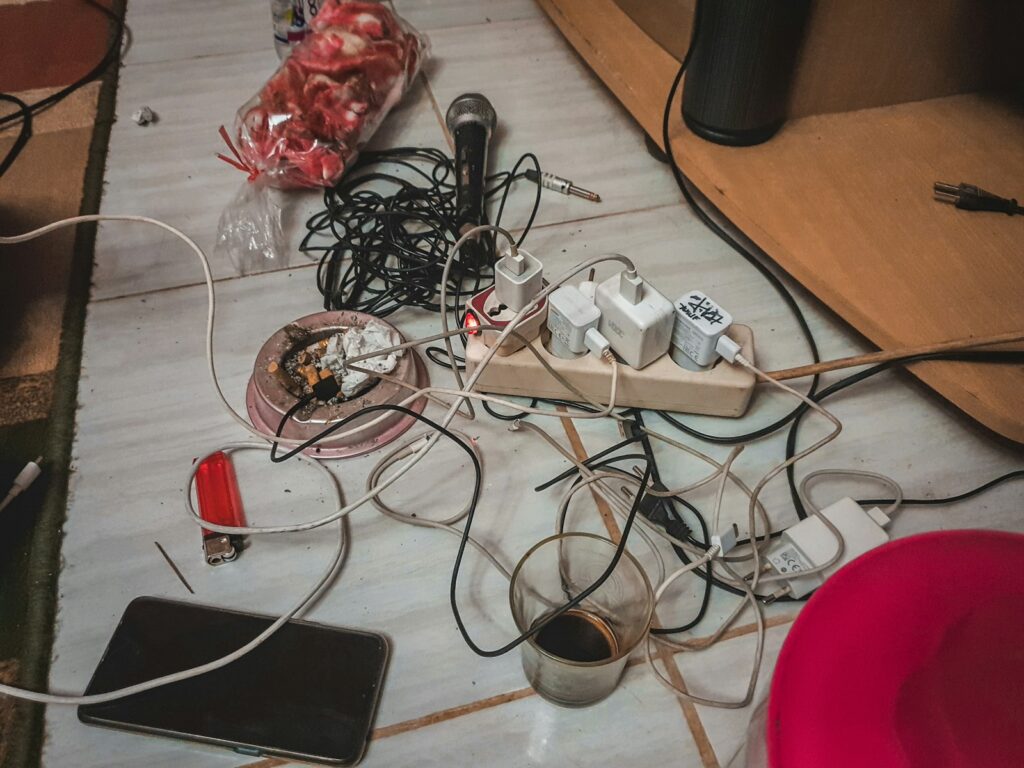
Living spaces overwhelmed with stuff to the point of being unusable

You might notice areas in your home that you can’t use properly because they’re buried under clutter. This could be a kitchen counter, a chair, or even a whole room.
When your space feels overwhelming or stressful because stuff is everywhere, it’s a sign that clutter is taking over. It makes it hard to relax or focus in your own home. You may avoid these spots altogether.
Constantly acquiring new items despite lack of space

You keep bringing in new stuff even though you don’t have room for it. Your shelves and drawers are already packed, but you still find reasons to buy more.
This habit can make your space feel crowded and stressful. Sometimes, you might not even use the things you get, but the urge to acquire keeps growing. It’s a sign that clutter is taking over your priorities, not just your home.
Hiding possessions from family or friends

You might start hiding stuff because you feel embarrassed about how much you keep. It can be a way to avoid judgment or questions.
If you find yourself sneaking items into closets or other secret spots, that’s a sign. It’s like protecting your clutter instead of letting others see it. This behavior often leads to more stress and anxiety. You’re carrying the weight of your secret collection on your own.
Using clutter to fill emotional voids or cope with stress

You might find yourself holding onto things as a way to manage stress or uncomfortable feelings. Clutter can become a distraction, filling the emptiness when you’re feeling lost or overwhelmed.
It’s common to use stuff as a comfort, even if it creates more chaos. Recognizing this pattern can help you take steps toward healthier coping methods.
Avoiding social visits due to embarrassment about clutter

You might start skipping plans because you don’t want anyone to see your space. The clutter can make you feel ashamed or worried about being judged.
This often leads to isolating yourself even though you want to connect. Avoiding guests is a way to hide the mess instead of dealing with it. It’s common to feel stuck, unsure of how to fix the clutter before visitors arrive, so staying home feels easier.
Repeated failed attempts to organize or clean up

You keep trying to tidy your space but somehow end up right back where you started. The clutter piles up again, no matter how hard you work.
It’s frustrating because you want change, but something keeps pulling you back. Maybe you start with good intentions but lose momentum quickly.
This cycle can make you feel stuck, like organizing just isn’t possible for you. That’s a common sign that clutter might be more than just a mess—it could be an addiction.
Keeping items with little or no value just in case

You might hang on to things “just in case” you need them someday. It feels safer to keep stuff, even if it rarely, or never, gets used.
This habit can come from worry about the future or past experiences where you lacked resources. The problem is, this kind of saving usually just creates more clutter and stress in your space.
Letting go can be hard, but asking yourself when you last used the item helps decide if it’s really necessary. If it’s been gathering dust, it’s probably safe to say goodbye.
Difficulty making decisions about what to keep or toss

You might find yourself stuck, unable to decide if something is worth keeping or should be thrown away. Each item feels like it holds some value, even when it’s just taking up space.
This hesitation can make decluttering overwhelming. You worry about losing memories or needing something “just in case,” which slows down your decision-making. It’s normal to struggle here, but it can keep clutter piling up without clear reasons.
Noticing safety hazards caused by clutter such as blocked exits

You might start to see pathways in your home getting narrower because of piles of stuff. When exits or doors are blocked, it can become a real safety problem, especially in an emergency.
Clutter behind doors or in hallways can trap you inside, making it harder to leave quickly if needed. It’s not just about convenience—blocked exits can increase risks during fires or other urgent situations. Keep an eye out for these hidden hazards to stay safe.
Feeling a strong emotional attachment to possessions

You might find it hard to let go of items, even if they don’t have much use. Those things could feel like they hold memories or protect you from anxiety.
Sometimes, the idea of losing an object can cause real stress or sadness. It’s not just about stuff; it’s about what you feel connected to.
This kind of attachment can make your space crowded because you keep holding on to things “just in case.” It’s more about feelings than the actual value of the items.