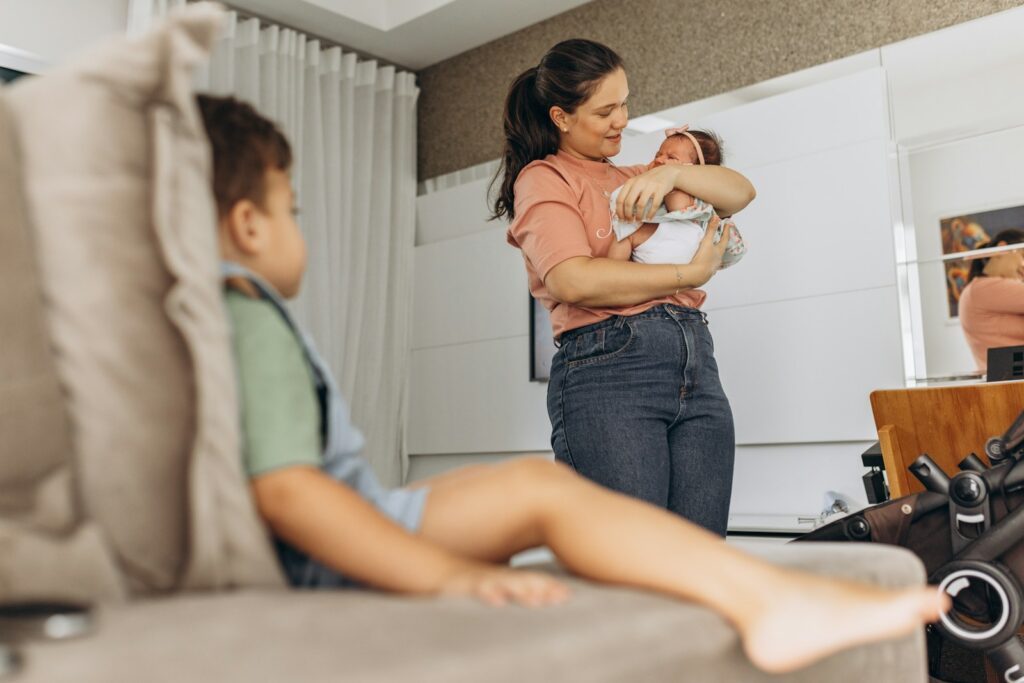
Finding the right balance between keeping what matters and letting go of what doesn’t can be challenging. Your personal clutter limit is the point where your space feels comfortable, organized, and functional without feeling overwhelmed by stuff.
Understanding your own threshold helps you make smarter decisions about what to keep and what to release. This article will guide you through simple steps to identify that limit so you can create a space that truly works for you.
Identify spaces where clutter stresses you most

Look around your home and notice which areas make you feel tense or distracted. It might be your desk, living room, or even the kitchen.
Focus on spots where you spend the most time. Clutter in these places often affects your mood and energy the most.
Pay attention to how clutter impacts your relationships and daily routines. Finding these zones helps you set clear limits and create calm.
Set a small, manageable decluttering goal

Start by choosing a small area to focus on. This could be a single drawer, shelf, or corner of a room.
Keeping your goal manageable helps avoid feeling overwhelmed and keeps you motivated to continue.
When you complete this small task, you’ll gain confidence and clarity about your personal clutter limit.
Sort items into keep, donate, and toss piles

Start by gathering all your items in one spot. Use containers or baskets to create clear piles for keep, donate, and toss.
Be honest with yourself as you decide. Keep things that serve a purpose or bring you joy.
Donate items in good condition that you no longer need. Toss broken or unusable stuff without hesitation. This makes decisions easier and speeds up the process.
Create a ‘personal treasures’ box with size limits
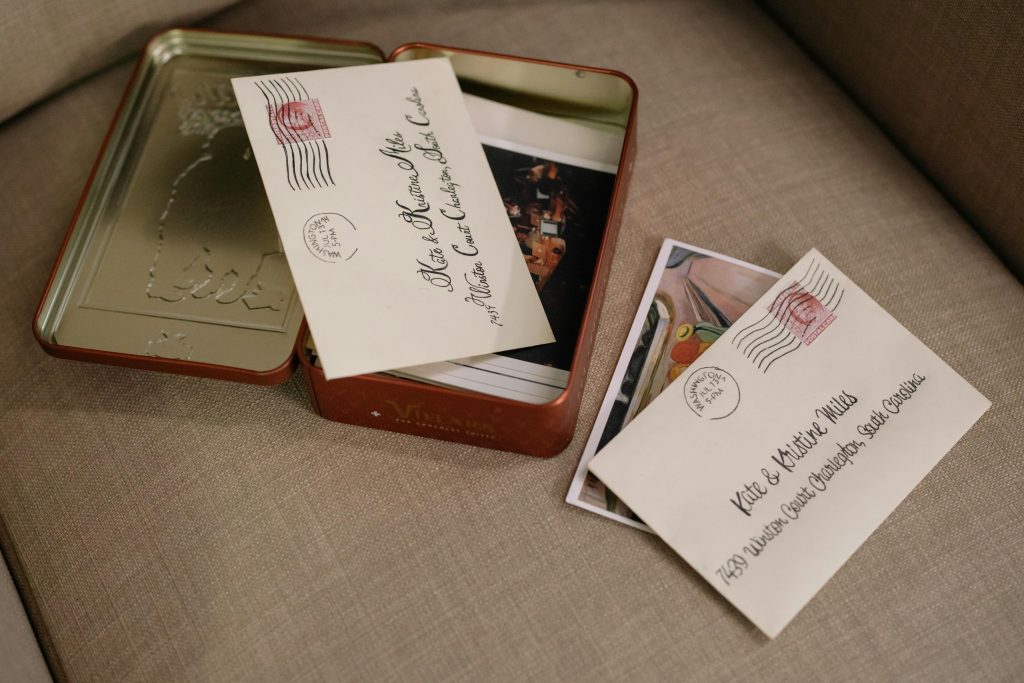
Choose one box or container to hold your personal treasures. Limiting yourself to this single space helps keep clutter in check.
Make sure the box is a size that fits your storage area and your lifestyle.
Only keep items that truly matter to you inside. This makes it easier to appreciate what you have and avoid unnecessary things.
Define what ‘useful’ and ‘beautiful’ mean to you
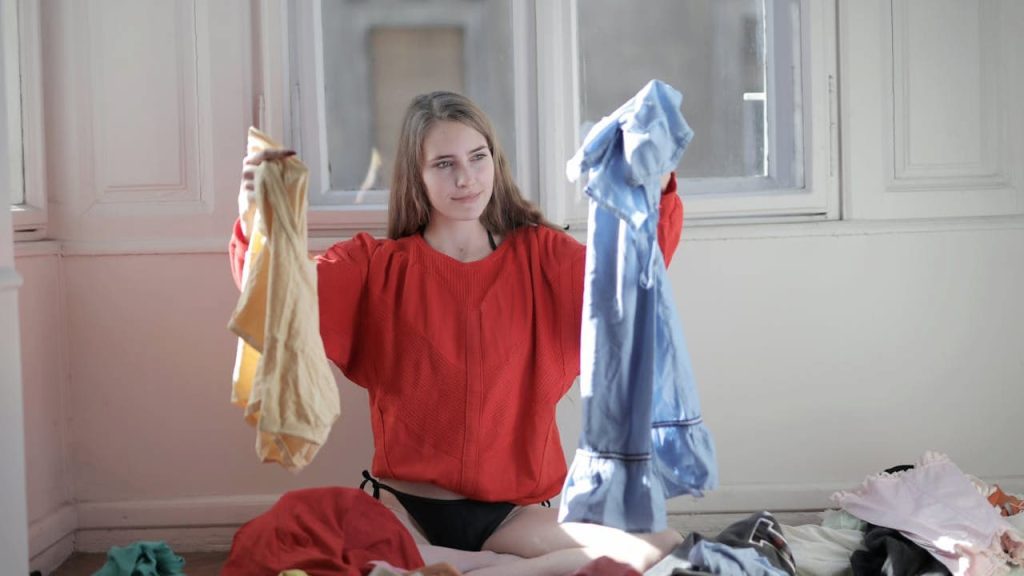
You need to decide what makes something truly useful in your life. It could be an item that serves a practical purpose or one that improves your daily routine.
Beauty is personal. Think about what colors, shapes, or styles bring you joy or calm.
When you define these terms clearly, it becomes easier to decide what to keep and what to let go. This helps you stay within your personal clutter limit.
Schedule regular declutter sessions—monthly works well
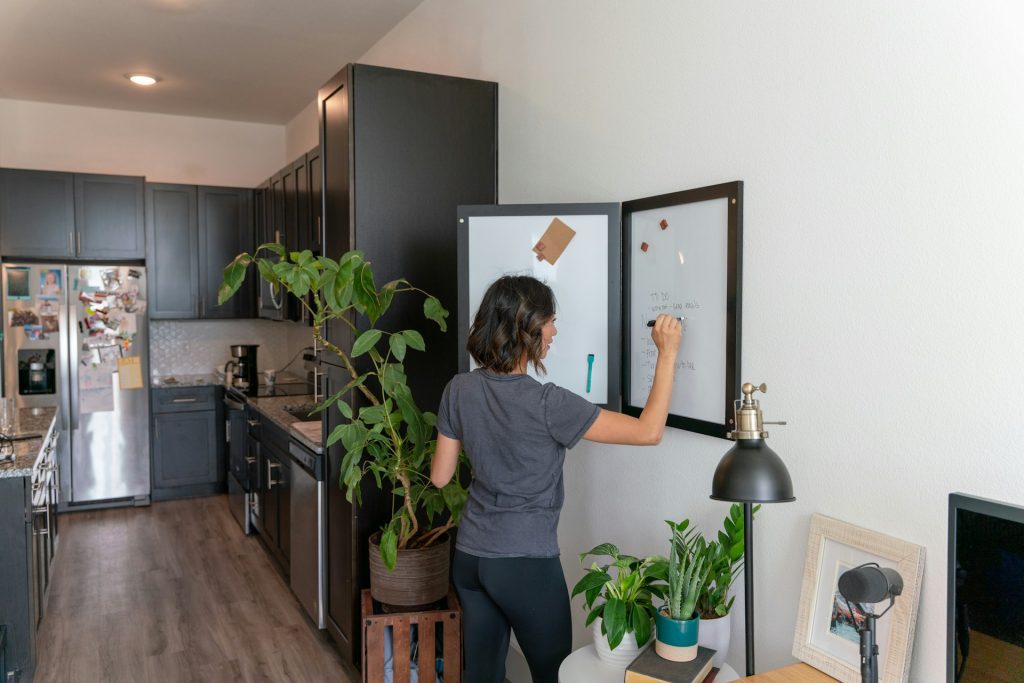
Set aside time each month to focus on decluttering. It helps prevent clutter from building up and keeps your space manageable.
Choose a specific area or category to tackle during each session. This approach makes the task less overwhelming and more rewarding.
Consistency is key. Regular sessions create a rhythm that supports your personal clutter limit without turning into a big chore.
Use labeled storage bins for categorized items

Using labeled storage bins helps you keep your items organized and easy to find. When you sort your belongings into clear categories, you reduce clutter and save time searching later.
Choose labels that stand out, like bright colors or contrasting marker shades. You can even use color-coded tape to quickly spot different categories.
If your needs change, simply replace the labels. This flexibility keeps your system working as your clutter limits evolve.
Scan or digitize old photos and papers
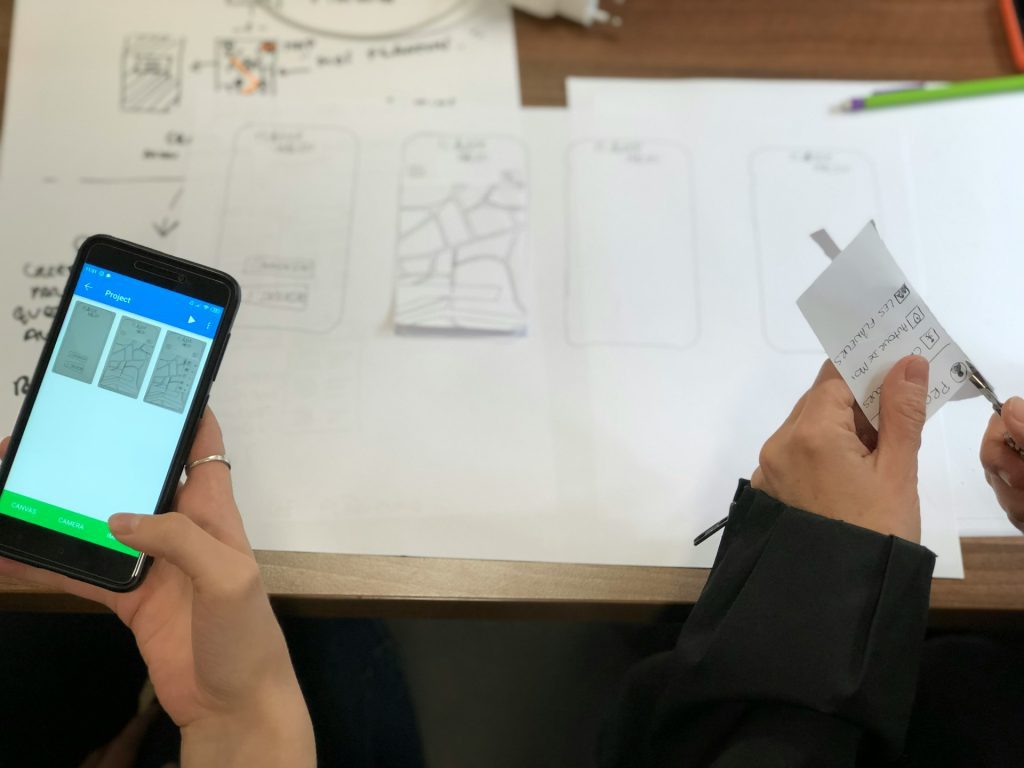
You can reduce physical clutter by scanning old photos and important papers. Using a flatbed scanner or a smartphone app makes the process easy.
Digitizing lets you keep memories safe and share them without risking damage to originals. Remember to store digital files securely and back them up regularly. This way, you keep your history accessible without piles of paper or photo boxes.
Limit keepsakes to one dedicated container

Choose a single container for your most meaningful keepsakes. This helps you control the amount of sentimental items you hold onto.
It could be a decorative box, a vintage trunk, or any sturdy container that feels special to you.
By setting this limit, you focus on what truly matters without letting clutter take over your space. This simple step makes decision-making easier and keeps your memories organized.
Celebrate small wins to stay motivated

When you clear a corner or organize a drawer, celebrate that progress. Small wins like these help you see how far you’ve come.
Recognizing your efforts releases positive feelings that make you want to keep going. It’s a simple way to stay motivated on your clutter journey.
Remember, every small step gets you closer to your ideal space. Keep acknowledging those moments—they add up faster than you think.
Visualize your ideal clutter-free space
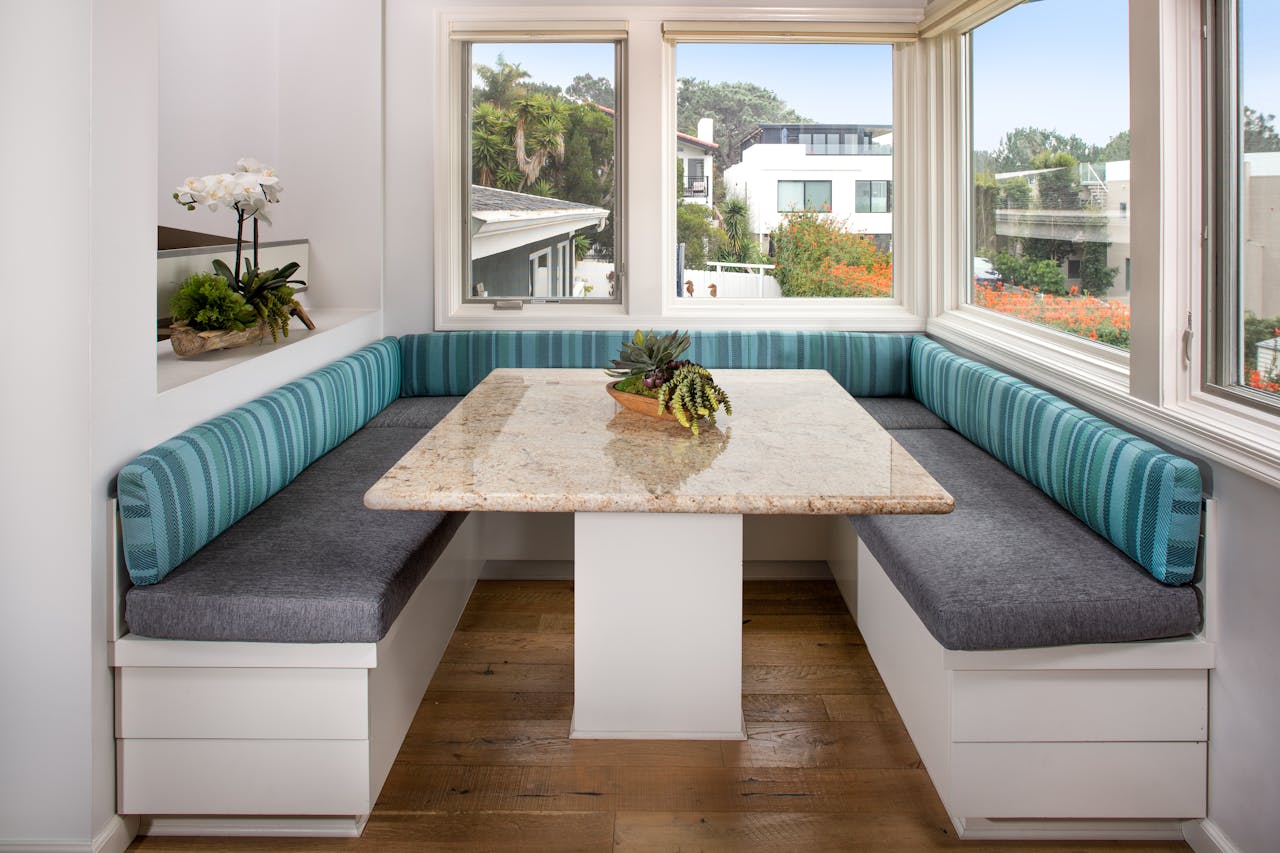
Picture the space where you feel most relaxed and focused. What does it look like?
Imagine the surfaces clear, with only items that bring you joy or serve a purpose.
This vision will guide you in deciding what clutter to keep or let go.
Keep your ideal space in mind to stay motivated as you work toward your personal clutter limit.
Ask yourself if an item sparks joy or adds value

When you pick up an item, ask yourself if it sparks joy or serves a clear purpose in your life. Notice how your body feels—does the item bring a positive emotion or help you in some way?
If everything seems to spark joy, consider what you truly want from your space and life. Focus on keeping items that either make you happy or add practical value. This helps you stay aware of your personal clutter limit.