Decluttering is supposed to make life easier, but for busy moms it can quickly become another exhausting chore. Instead of chasing a perfectly minimal home, you can focus on a few high-impact categories that truly need regular editing so your space works for real family life, not an idealized version of it.

1) Kids’ Clothes That No Longer Fit
Kids’ clothes that no longer fit are one of the fastest-growing clutter categories in any family home. Growth spurts mean drawers fill with too-short jeans, stained T-shirts, and outgrown pajamas that never make it to the donation bag. When you keep these pieces in circulation, you waste time every morning sorting through items your child cannot actually wear, which adds stress to already rushed school-day routines.
Regularly pulling anything that is too small, damaged, or seasonally wrong keeps closets functional and teaches kids that belongings have a life cycle. Instead of purging everything, you can follow the gentler approach many mothers used, keeping a small box of sentimental outfits while still moving everyday items along to consignment, donation, or younger siblings. That balance respects your budget and your memories without letting clutter take over.
2) Toys and Games with Missing Pieces
Toys and games with missing pieces quietly sabotage playtime and storage space. Board games without dice, puzzles missing corner pieces, and building sets with half the bricks turn into constant frustration for kids and parents. When these broken sets pile up, toy bins overflow, and children struggle to find complete, engaging options, which often leads to more screen time and less creative play.
Setting a regular schedule to sort toys, test games, and check for missing parts keeps the collection usable. You can combine incomplete sets into a single “spare parts” bin and retire anything that no longer functions. This habit mirrors the practical mindset of earlier generations, who repaired and curated toys instead of constantly replacing them. It also helps kids learn to care for what they own and understand that items must be complete and safe to earn a spot in the playroom.
3) Paper Piles, Artwork, and Schoolwork
Paper piles, especially kids’ artwork and schoolwork, can take over kitchen counters and home offices if you do not declutter them regularly. Every week brings new worksheets, graded tests, and colorful drawings, and it is tempting to keep everything for sentimental reasons. Over time, those stacks become unmanageable, making it hard to find important forms, permission slips, or medical records when you actually need them.
A consistent routine of sorting, recycling, and filing helps you separate keepsakes from everyday paperwork. You might save a few standout projects in a labeled bin or digital photo book while letting the rest go. This approach aligns with the idea that not every item must be preserved to honor a memory, a perspective echoed in discussions about keeping clutter in check without erasing the past. By curating instead of hoarding, you protect both your storage space and your peace of mind.
4) Pantry Items Past Their Prime
Pantry items past their prime are a hidden source of clutter that can also affect your family’s health and budget. Expired spices, stale crackers, and long-forgotten cans pushed to the back of the shelf make it harder to see what you actually have. That confusion leads to duplicate purchases, wasted food, and last-minute scrambles when you realize a key ingredient is no longer usable.
Scheduling a quick pantry sweep every month or two keeps shelves honest. You can group foods by type, rotate older items to the front, and clearly mark open dates on jars and condiments. This habit reflects the practical, use-what-you-have mindset many mothers relied on, where a well-managed pantry supported meal planning and reduced waste. For busy moms today, it also means faster grocery lists, easier weeknight dinners, and fewer unpleasant surprises when you open a package.
5) Bathroom Products and Medications
Bathroom products and medications accumulate quietly in drawers and cabinets, turning a small space into a cluttered, sometimes unsafe zone. Half-used shampoos, dried-out mascara, and expired sunscreen crowd out the items you actually reach for every day. Old medications, especially prescription drugs, can pose real risks if children or teens access them or if you accidentally take the wrong pill.
Regularly checking expiration dates and removing anything you no longer use keeps the bathroom streamlined and safer. You can decant products into smaller containers, store daily essentials in a single basket, and dispose of medications through approved take-back programs. This kind of routine maintenance mirrors the steady, behind-the-scenes work many mothers have always done to keep households running smoothly. It also reduces visual clutter, making mornings calmer and helping everyone find what they need quickly.
6) Digital Photos and Phone Storage
Digital photos and phone storage may not take up physical space, but they create a different kind of clutter that weighs on your attention. Thousands of nearly identical snapshots, blurry images, and screenshots fill camera rolls until your device sends constant “storage full” warnings. When that happens, capturing new memories becomes stressful, and finding a specific picture for a school project or family album can feel impossible.
Setting aside time to delete duplicates, organize albums, and back up important images keeps your digital life manageable. You might create yearly folders, highlight a few favorites for printing, and clear out old apps that no longer serve your family. This digital decluttering echoes the same thoughtful editing you apply to physical spaces, focusing on what truly matters instead of trying to keep everything. For moms juggling schedules, it also means fewer tech headaches and more confidence that cherished moments are safely preserved.
7) Email Inboxes and School Notifications
Email inboxes and school notifications are another modern clutter zone that can quietly overwhelm you. Between teacher updates, sports schedules, PTA messages, and promotional emails, important information gets buried quickly. When you cannot find the latest field trip reminder or sign-up link, you risk missed deadlines, late fees, or last-minute scrambles that add stress to family life.
Regularly unsubscribing from unnecessary lists, creating folders for each child, and using filters for school domains keeps your inbox functional. You can also set aside a short daily window to process messages so they do not pile up. This habit reflects the same practical mindset that guided earlier generations in managing paper mail and calendars, updated for the digital age. By treating your inbox like a workspace instead of a dumping ground, you protect your time and ensure that truly important messages stand out.
8) Seasonal Gear and Sports Equipment
Seasonal gear and sports equipment can quickly overrun garages, mudrooms, and closets if you do not edit them regularly. Outgrown cleats, cracked helmets, deflated balls, and duplicate water bottles often linger long after a season ends. When the next activity starts, you waste time digging through piles, only to discover that key items are broken or missing.
Taking inventory at the end of each season helps you decide what to keep, donate, or discard. You can label clear bins by sport, store off-season items on higher shelves, and keep only one or two backups of essentials. This approach mirrors the practical, space-conscious habits many mothers used when storage was limited and every item had to earn its place. For today’s families, it also means smoother transitions between activities and fewer last-minute runs to buy replacement gear.
9) Kitchen Gadgets You Rarely Use
Kitchen gadgets you rarely use are notorious for eating up cabinet and counter space. Single-purpose tools like novelty waffle makers, specialty slicers, or oversized blenders often sound helpful but end up gathering dust. When drawers are packed with these items, it becomes harder to reach everyday essentials like measuring cups, cutting boards, and reliable pots and pans.
Regularly reviewing which gadgets you actually use lets you reclaim valuable space. You might keep a few high-quality multitaskers and let go of duplicates or impulse buys. This mindset echoes the way many mothers relied on a small set of trusted tools, cooking family meals without a gadget for every task. For busy moms now, a streamlined kitchen means faster cleanup, easier meal prep, and less visual clutter competing for your attention during already hectic evenings.
10) Linens, Towels, and Bedding
Linens, towels, and bedding tend to multiply quietly, especially as kids grow and guests come and go. Old beach towels, mismatched pillowcases, and worn-out sheets often get shoved to the back of the closet “just in case.” Over time, that stash makes it hard to see which sets are complete, which are comfortable, and which should have been retired years ago.
Decluttering this category on a regular basis helps you maintain a practical, comfortable rotation. You can keep two or three sets of sheets per bed, donate usable extras, and cut threadbare towels into cleaning rags. This approach reflects the resourceful habits many mothers used, stretching textiles while still keeping closets orderly. For your household, it means faster laundry days, easier linen changes, and a more pleasant experience for both family members and overnight guests.
11) Sentimental Keepsakes and Memorabilia
Sentimental keepsakes and memorabilia are some of the hardest items for moms to declutter, yet they can quietly crowd closets and under-bed storage. Baby blankets, first birthday outfits, handmade cards, and souvenirs from family trips all carry emotional weight. When every item feels important, you may end up with boxes you never open, which does little to honor the memories they represent.
Regularly revisiting these boxes with a gentle but honest eye helps you curate what truly matters. You might choose a few representative pieces, photograph bulky items, or create a small memory box for each child. This balanced approach respects the emotional value of objects while preventing them from overwhelming your living space. It also models for your kids that memories live in experiences and stories, not just in the number of things you keep.
12) Your Own Closet Staples
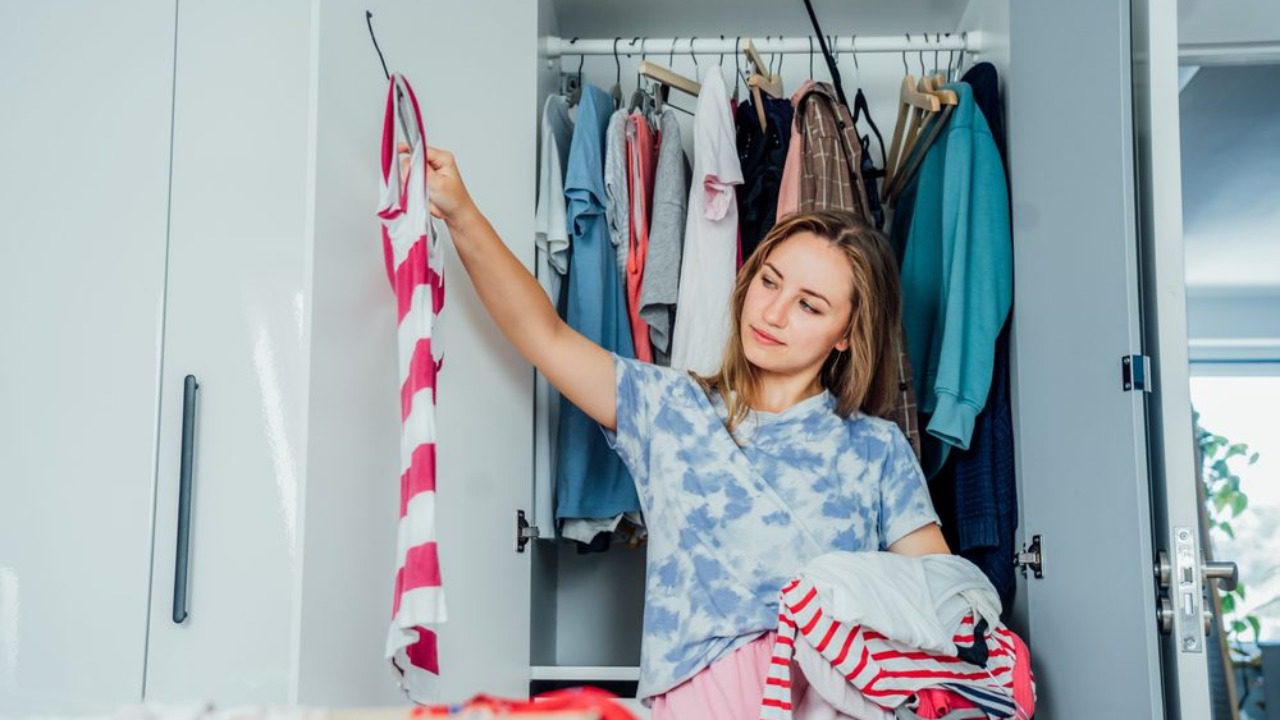
Your own closet staples deserve regular attention, even when you are focused on everyone else’s needs. Clothes that no longer fit, shoes that hurt your feet, and impulse buys that never leave the hanger all take up space and mental energy. When your wardrobe is crowded with items you do not actually wear, getting dressed becomes frustrating, and you may feel like you have “nothing to wear” despite a full closet.
Editing your closet with care, rather than constant extreme purges, helps you find a sustainable middle ground. You can keep timeless pieces that still work, remove items that no longer suit your lifestyle, and store a few sentimental garments without guilt. This more measured approach reflects conversations about decluttering less aggressively, similar to how earlier generations often lived with a stable, well-loved wardrobe. For moms, a thoughtfully edited closet supports confidence, saves time, and reinforces that your needs matter in the family home.
More from Decluttering Mom: