There are many things that we do out of convenience, misinformation, or simply because it’s a habit we’ve developed over time. One of these habits is the kind of items we put in our freezers. While the freezer is a fantastic invention for preserving food longer, not everything belongs in there. In fact, some things can be downright disastrous when frozen. Here are 12 things that I wish I had never put in my freezer.
1. Hot Foods

Placing hot food directly into your freezer may seem like a quick way to cool it down, but it’s a bad idea for several reasons. First, it can raise the overall temperature of your freezer, forcing it to work harder and potentially causing other foods to partially defrost. Second, the rapid cooling can lead to a loss of quality in your food, potentially making it soggy or textureless.
For example, I once placed a pot of hot soup directly into the freezer. Not only did it take a long time to cool down, but the vegetables in the soup became mushy and the broth lost a lot of its flavor. Now, I always let hot foods cool to room temperature before placing them in the freezer.
2. Raw Potatoes

Freezing raw potatoes might seem like a good way to preserve them, but I’ve found that it can change their texture dramatically. The water in potatoes turns to ice when frozen, which can cause the potato cells to burst. When defrosted, this leads to a mushy, grainy texture that’s not very appetizing.
I once froze a bag of raw potatoes because I couldn’t use them up in time. When I defrosted them to make mashed potatoes, they were grainy and watery, completely ruining the dish. Now, I only freeze potatoes after they’ve been cooked, as the change in texture is less noticeable.
3. Eggs in Their Shell

Eggs in their shell should never be frozen. The freezing process causes the egg white and yolk to expand, often leading to the egg shell cracking. Additionally, the texture of the egg can change when frozen and defrosted, leading to a rubbery consistency that’s not very pleasant.
I learned this the hard way when I tried to freeze a carton of eggs that were nearing their expiration date. When I went to defrost them, I found a mess of cracked eggs and frozen egg liquid. Now, if I need to freeze eggs, I crack them into a container first.
4. Coffee
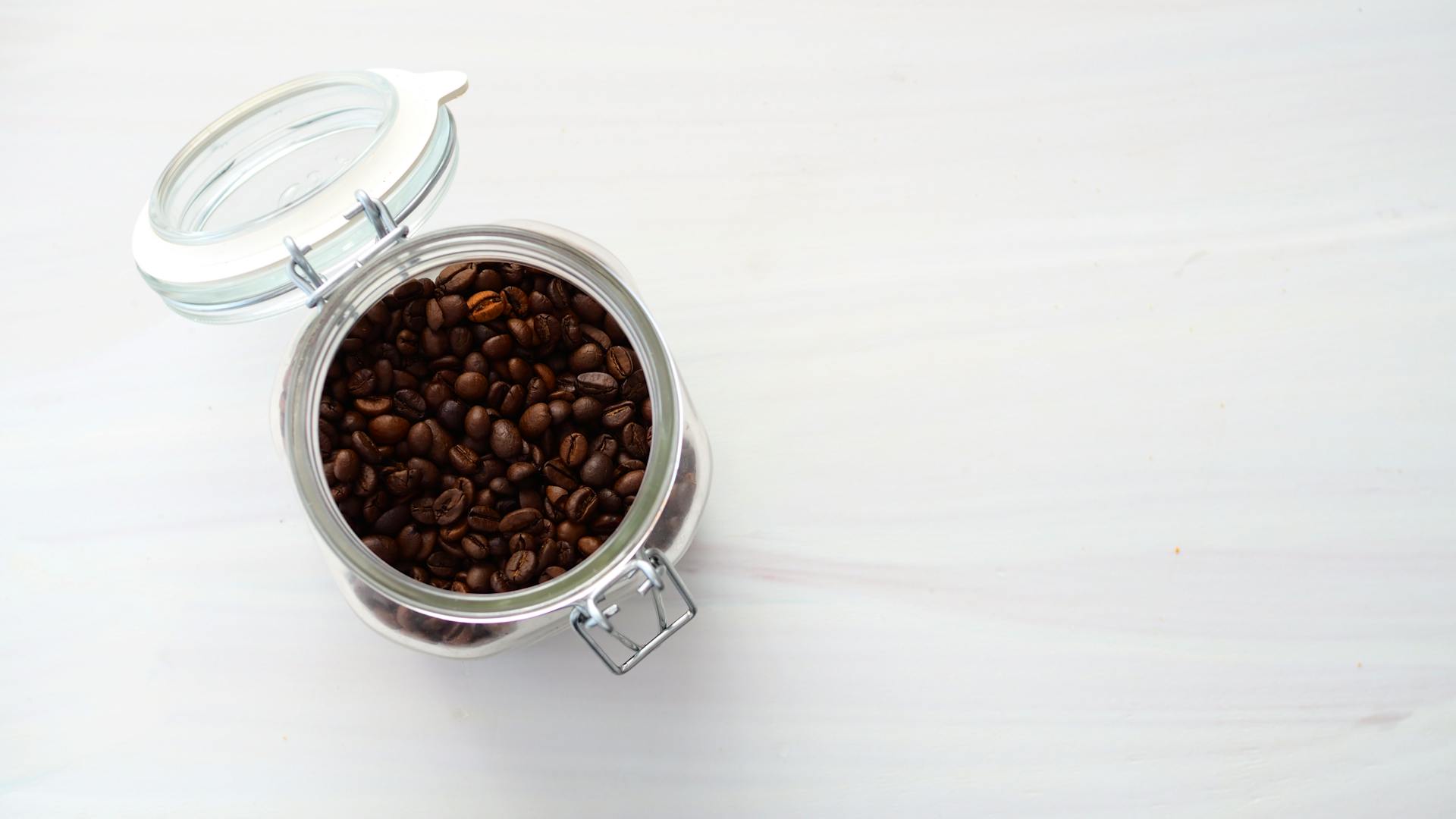
While it might seem like a good idea to keep your coffee beans or grounds in the freezer to keep them fresh, it can actually do more harm than good. Freezing coffee can cause it to absorb odors from other foods in the freezer. Additionally, the freezing and defrosting process can lead to moisture condensing on the beans or grounds, which can dilute the flavor.
I once froze a bag of expensive coffee beans, thinking it would keep them fresh. When I went to make a cup of coffee, I noticed that it tasted off and had a strange odor. After some research, I found out that the beans had likely absorbed some of the other flavors from my freezer. Now, I keep my coffee beans in an airtight container in my pantry.
5. Bread

Bread is another food item that doesn’t fare well in the freezer. While it won’t harm you or the bread to freeze it, the texture and taste can be significantly affected. The freezing process can cause the bread to become dry and crumbly, and it can also cause the flavors to become muted.
I used to freeze bread all the time, thinking it was a great way to keep it fresh. However, I noticed that the bread always tasted a little stale and dry after being defrosted. Now, I only buy as much bread as I can eat before it goes bad, and I keep it in a bread box to maintain its freshness.
6. Whole Apples

While apples can be frozen, they should be peeled, cored, and sliced first. Freezing whole apples can cause them to become mealy and mushy when defrosted. The skin can also become tough and unappetizing.
I once tried to freeze a bag of apples that I didn’t have time to use. When I defrosted them, I found that the texture had changed dramatically and the skins were nearly inedible. Now, if I need to freeze apples, I always take the time to prepare them properly first.
7. Raw Vegetables and Fruits

While freezing can be a great way to preserve many fruits and vegetables, not all of them freeze well. Many raw fruits and vegetables have high water content, and when this water freezes, it can cause the cell walls of the produce to rupture. When defrosted, this leads to a mushy, watery texture.
For example, I once froze a bag of fresh spinach, thinking I could use it in salads later. When I defrosted it, I found that it had turned into a soggy, unappetizing mess. Now, I know to blanch vegetables before freezing them, and to only freeze fruits that will be used in cooking or baking.
8. Opened Cans

Freezing an opened can might seem like a fast and convenient way to store leftovers, but it can be dangerous. The can’s metal can react with the freezing process, potentially causing the food to absorb some of the metal’s flavors. Additionally, the can could potentially rupture as the food expands while freezing.
I learned this the hard way when I froze an opened can of tomato paste. Not only did the paste acquire a metallic taste, but the can also expanded and was difficult to open. Now, I always transfer leftovers to a freezer-safe container before freezing them.
9. Dairy Products

While some dairy products can be frozen, many do not freeze well. Milk, for instance, can separate and become grainy when frozen and then defrosted. The same goes for cream, yogurt, and sour cream. Cheese can also change texture, often becoming crumbly and hard.
I once froze a carton of milk because I was going on vacation and didn’t want it to spoil. When I returned and defrosted the milk, I found that it had separated and was no longer good for drinking. Now, I only freeze dairy products if I plan to use them in cooking or baking, where the texture change is less noticeable.
10. Fried Foods

Fried foods are best enjoyed fresh. When frozen, they lose their crispy texture and become soggy. Plus, freezing can cause the flavors to become muted, leading to a less enjoyable eating experience.
I once made the mistake of freezing leftover fried chicken. When I defrosted and reheated it, I found that it was soggy and lacked the crispiness and flavor of the original. Now, I always try to only make as much fried food as I can eat in one sitting to avoid leftovers.
11. Leafy Greens
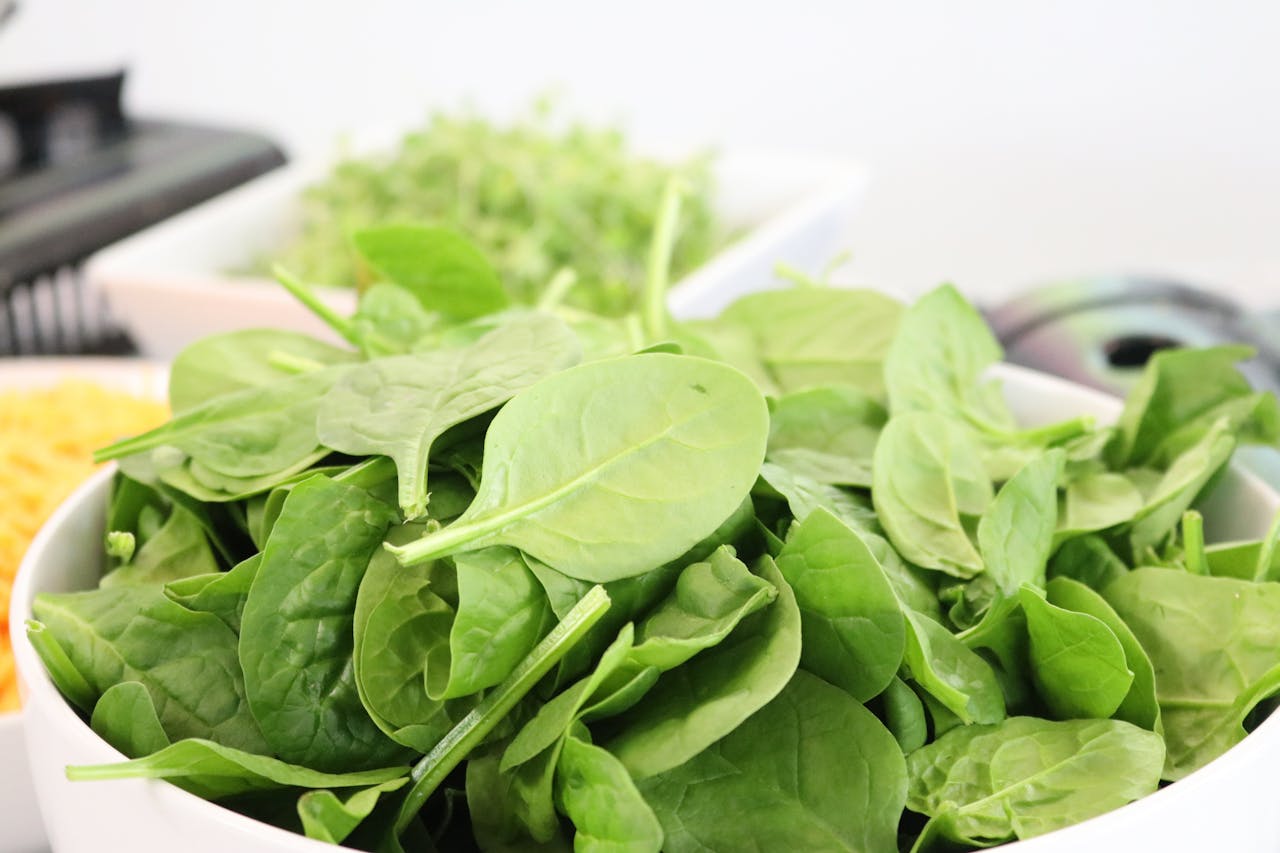
Raw leafy greens like lettuce, spinach, and arugula don’t freeze well. Like many fruits and vegetables, they have a high water content, which can rupture the cell walls when frozen, leading to a mushy texture when defrosted.
I once froze a bag of mixed salad greens, thinking I could use them in salads later. When I defrosted the greens, I found that they had turned into a soggy, unappetizing mess. Now, I only purchase as much fresh produce as I can eat before it spoils.
12. Fully Cooked Pasta
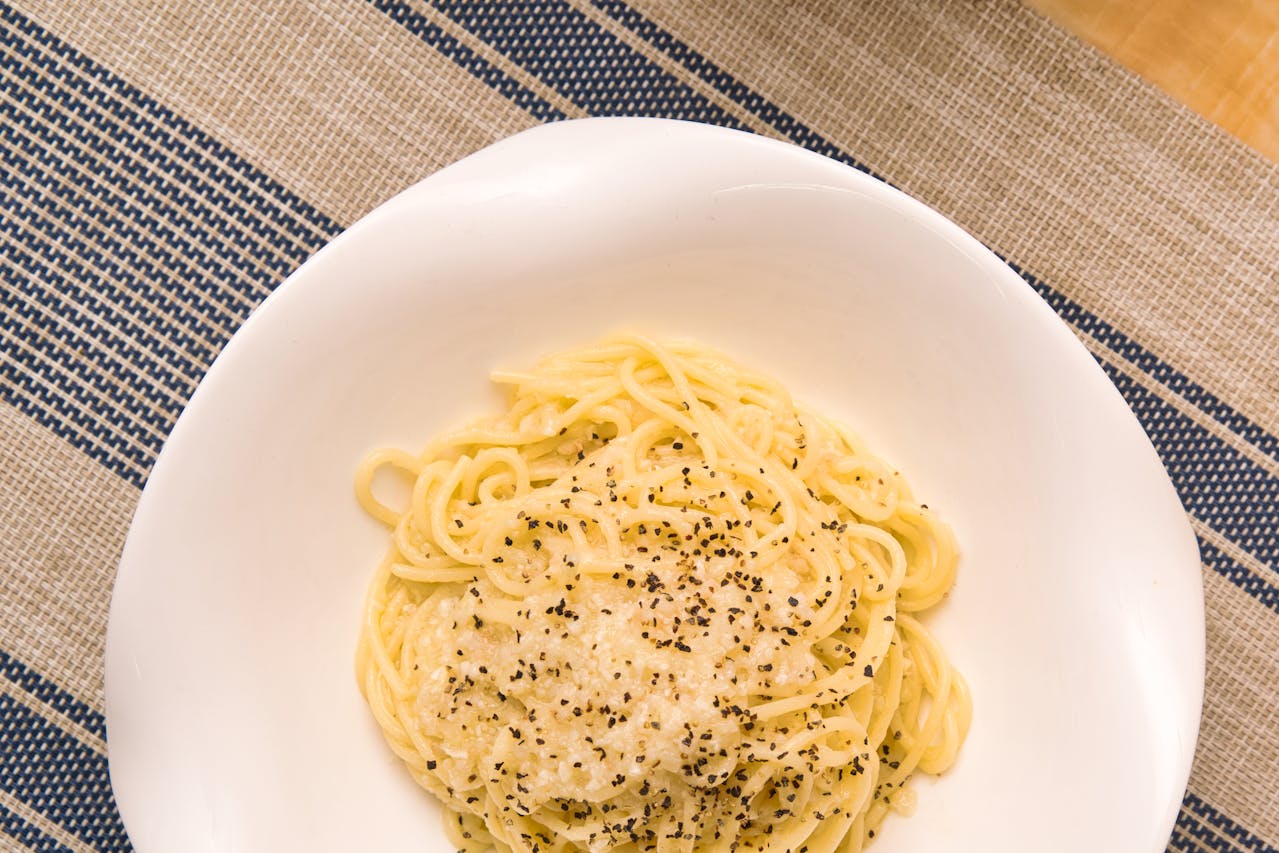
Fully cooked pasta doesn’t freeze well. When defrosted, it often becomes mushy and loses its shape. Additionally, the flavor can become muted, leading to a less enjoyable eating experience.
I once froze a batch of fully cooked spaghetti, thinking it would be a quick and easy meal for later. When I defrosted and reheated it, I found that it had lost its texture and flavor. Now, if I need to freeze pasta, I undercook it slightly, as it will finish cooking when reheated.