Dishwashers are a godsend for many of us, saving us from wasting time on a chore that is both tedious and time-consuming. As magical as they may seem, however, they are not all-powerful. Certain items are better off being washed by hand, even if it means getting your hands a bit dirty. Here’s a list of 12 items that I wish I hadn’t put in the dishwasher, in hopes of saving you from making the same mistakes.
1. Wooden Utensils and Cutting Boards

Wooden utensils and cutting boards are kitchen essentials. They add a touch of elegance and can be incredibly durable. However, putting them in a dishwasher could drastically reduce their lifespan. The high temperatures and moisture in the dishwasher can cause wood to warp, split, or even crack. A better alternative is to wash these items by hand with warm, soapy water. After washing, dry them immediately to prevent moisture from soaking in. Regularly oiling them with food-grade mineral oil can also help to maintain their durability and prevent damage.
2. Cast Iron Skillets

Cast iron skillets are beloved for their heat retention and versatility. But these kitchen workhorses are a big no-no for the dishwasher. The harsh detergents and high water temperature can strip the skillet of its seasoning (the coating that makes it naturally non-stick), and can even lead to rusting. Instead, wash your skillet by hand using a brush or sponge and a little dish soap (contrary to popular belief, it won’t ruin the seasoning). Dry it immediately and thoroughly to prevent rust, and re-season it with oil as needed.
3. Nonstick Pans

Nonstick pans may seem like fair game for the dishwasher, but they’re actually not. The heat and harsh detergents can degrade the nonstick coating over time, potentially leading to flaking or peeling. This can make your pan less effective and may even pose health risks if bits of the coating end up in your food. Wash your nonstick pans by hand with a soft sponge and warm, soapy water. Avoid using abrasive cleaners or scrubbers, as they can scratch the surface and damage the nonstick coating.
4. Insulated Travel Mugs
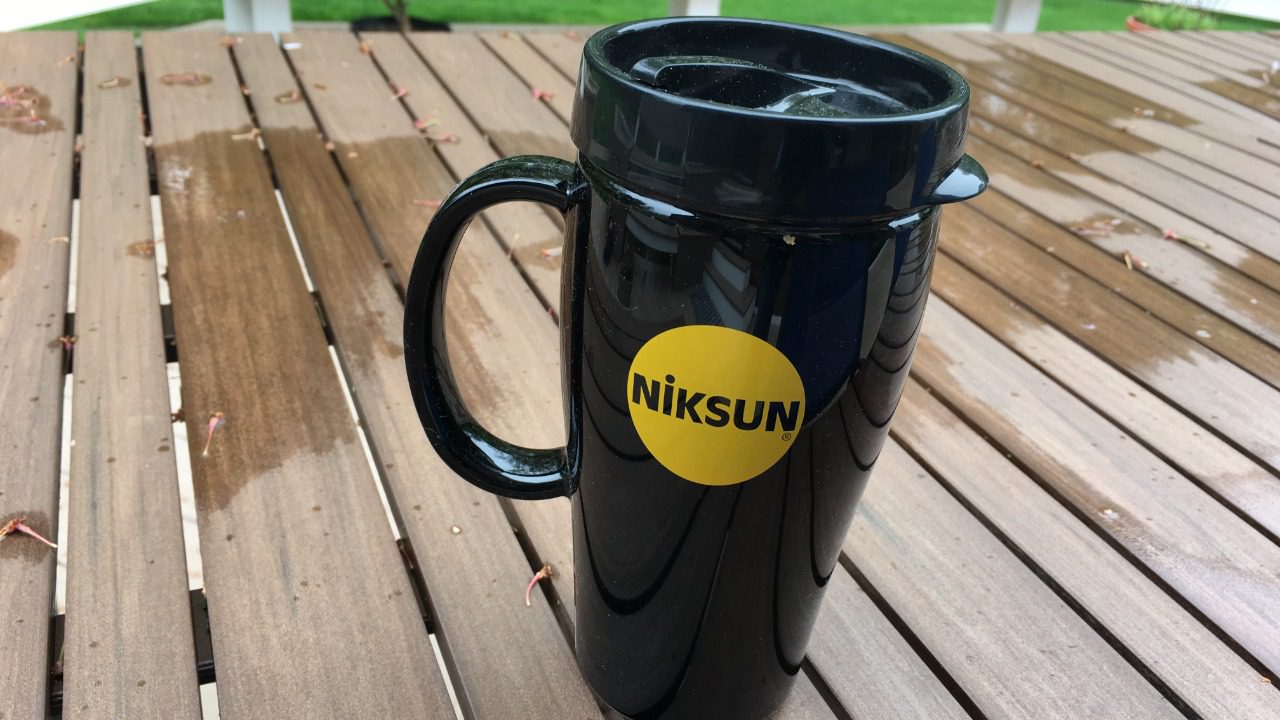
Insulated travel mugs are great for keeping your drinks hot or cold on the go, but they’re not so great in the dishwasher. The high heat can mess with the insulation, reducing the mug’s ability to maintain temperature. The exterior can also get scratched or discolored. Instead, wash your travel mug by hand with warm, soapy water. Most have a removable lid that can be washed separately. Be sure to rinse thoroughly to remove any soap residue that could affect the taste of your drinks.
5. Sharp Knives
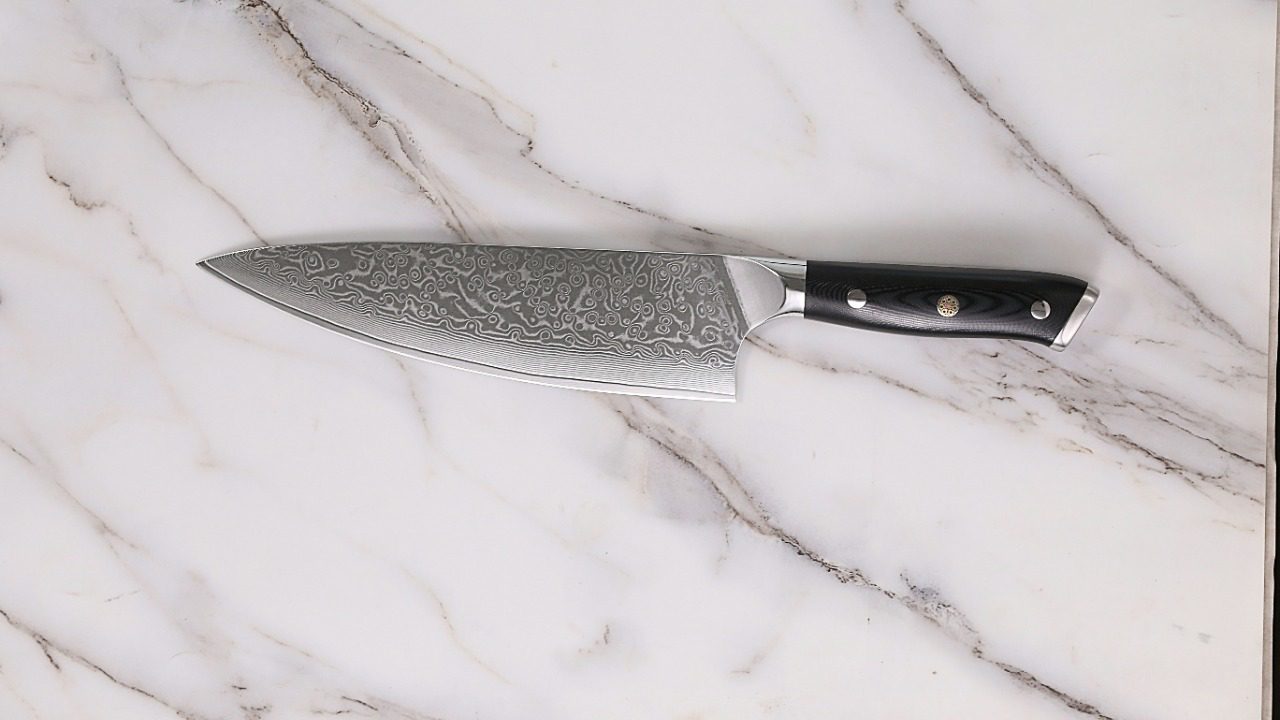
Sharp knives are indispensable in any kitchen, but they should always be washed by hand. The dishwasher can dull the blades, making them less effective and potentially dangerous (a dull knife requires more force to cut, increasing the risk of slipping and injury). Wash your knives by hand with warm, soapy water, taking care to avoid the sharp edge. Dry them immediately to prevent rusting, and keep them in a knife block or on a magnetic strip to protect the blades.
6. Crystal Glassware
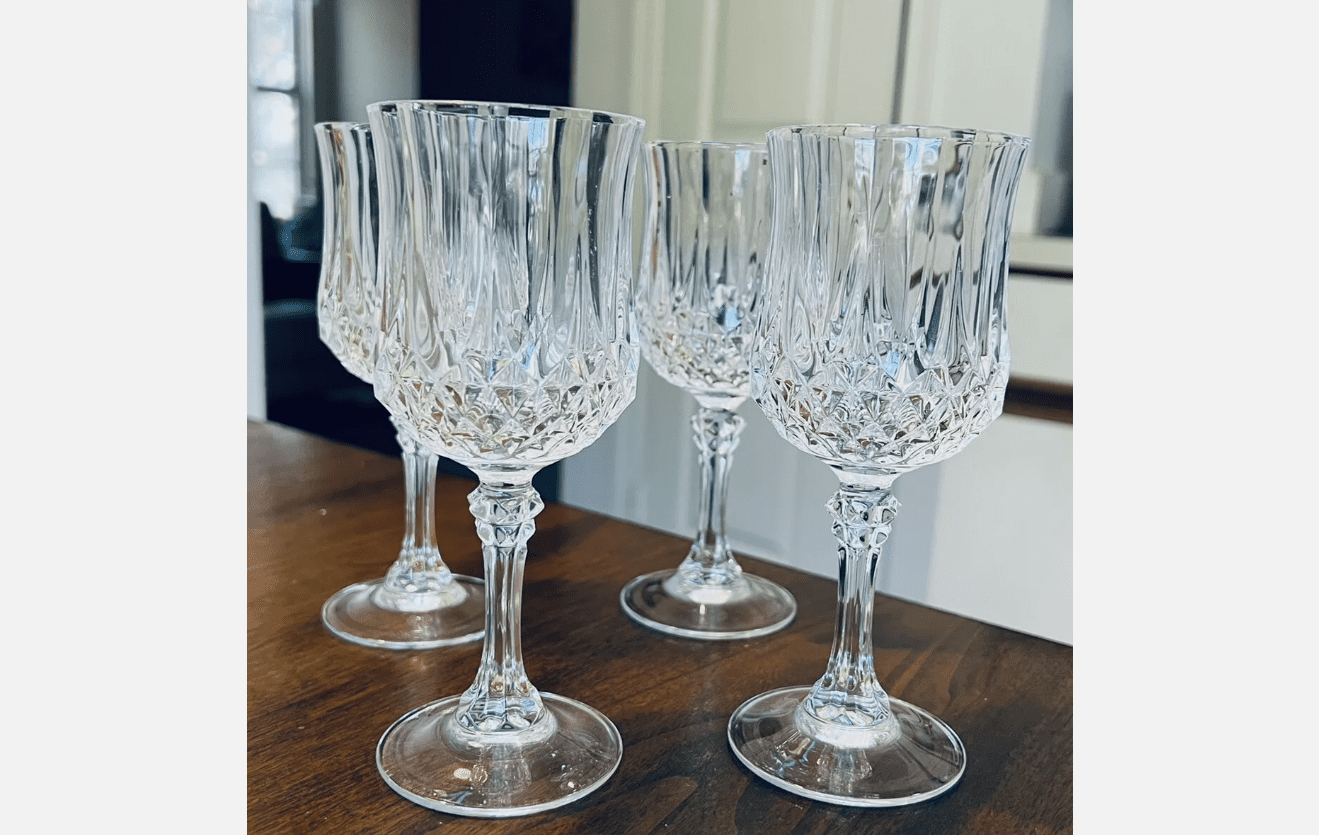
Crystal glassware adds a touch of elegance to any occasion, but it’s incredibly delicate and should never be put in the dishwasher. The high heat and harsh detergents can cause clouding or etching, and the glass can easily get chipped or cracked. Wash your crystal by hand in warm, soapy water. Use a soft sponge or cloth to avoid scratching the surface, and dry with a lint-free towel to prevent water spots.
7. Hand-Painted Ceramics and Fine China
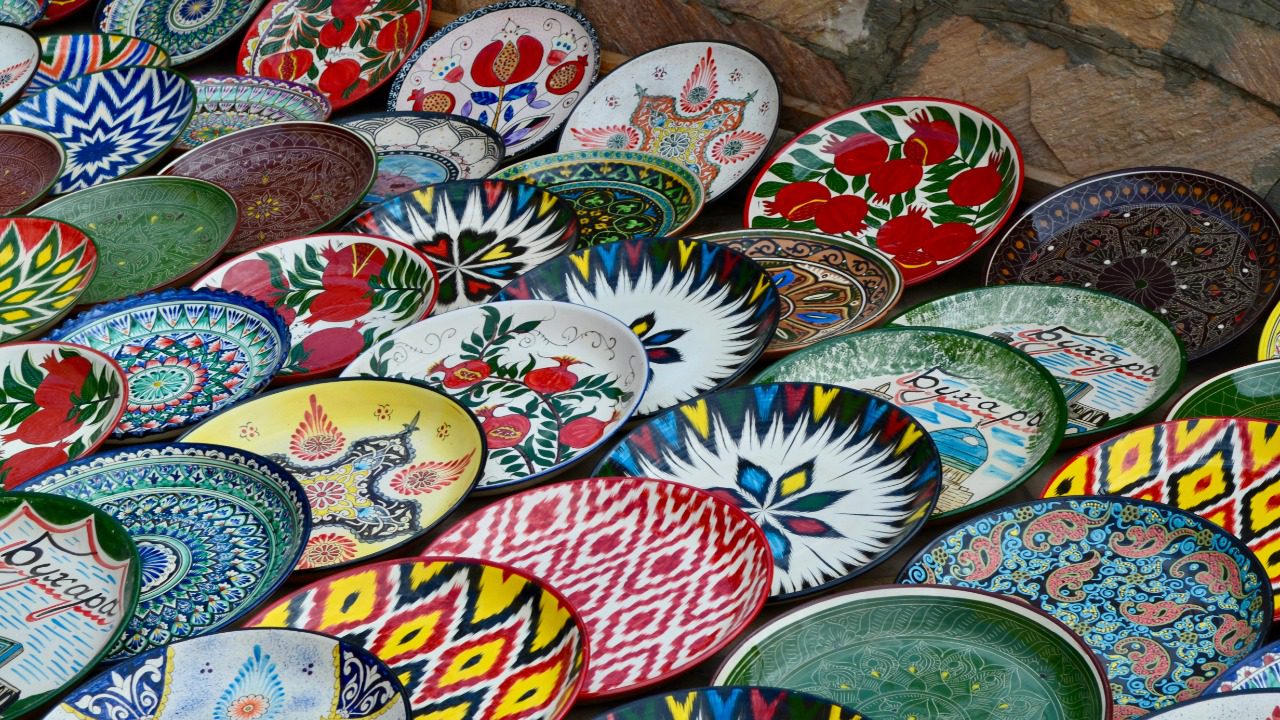
Hand-painted ceramics and fine china are often family heirlooms and should be handled with care. The dishwasher can cause the paint to fade or chip, and the pieces can get damaged by the water pressure or by banging against other items. Wash these precious items by hand with a soft sponge and warm, soapy water. Dry them immediately to prevent water spots, and store them carefully to avoid chipping or cracking.
8. Aluminum Cookware
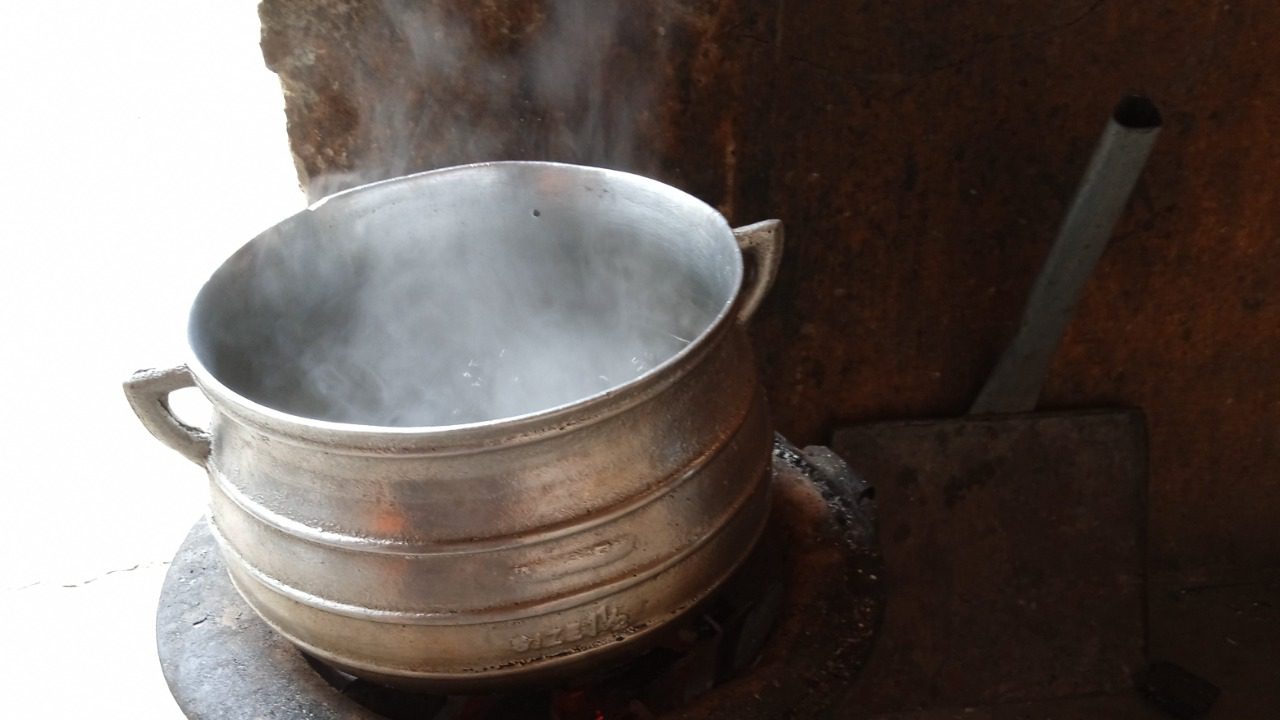
Aluminum cookware is lightweight and heats up quickly, but it doesn’t fare well in the dishwasher. The high heat and harsh detergents can cause discoloration and pitting, and aluminum can react with other metals, causing them to tarnish. Wash your aluminum cookware by hand with a non-abrasive sponge or cloth and warm, soapy water. Dry them immediately to prevent water spots and to keep them looking their best.
9. Copper Mugs and Cookware
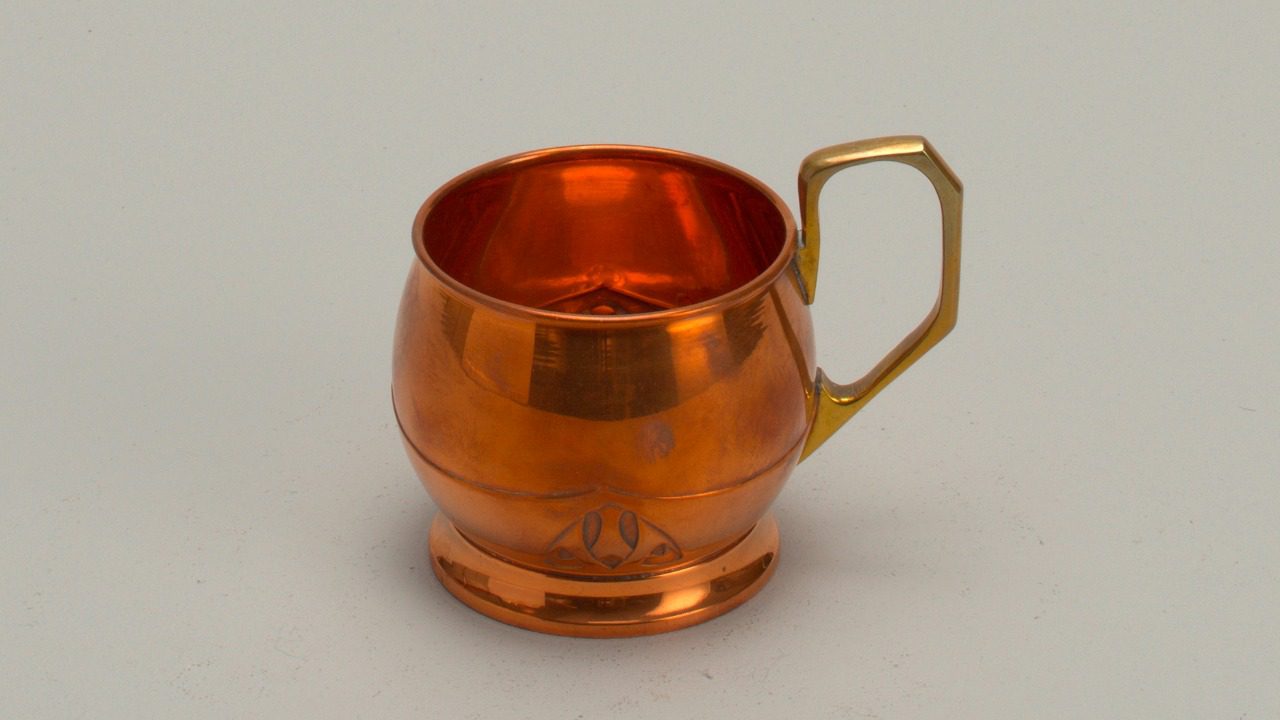
Copper mugs and cookware are beautiful and functional, but they’re not dishwasher safe. The high heat can discolor the copper and the harsh detergents can cause it to tarnish. Wash your copper items by hand with a soft cloth and warm, soapy water. Dry them immediately to prevent water spots, and polish them regularly with a copper cleaner to keep them looking shiny and new.
10. Gold-Plated Cutlery
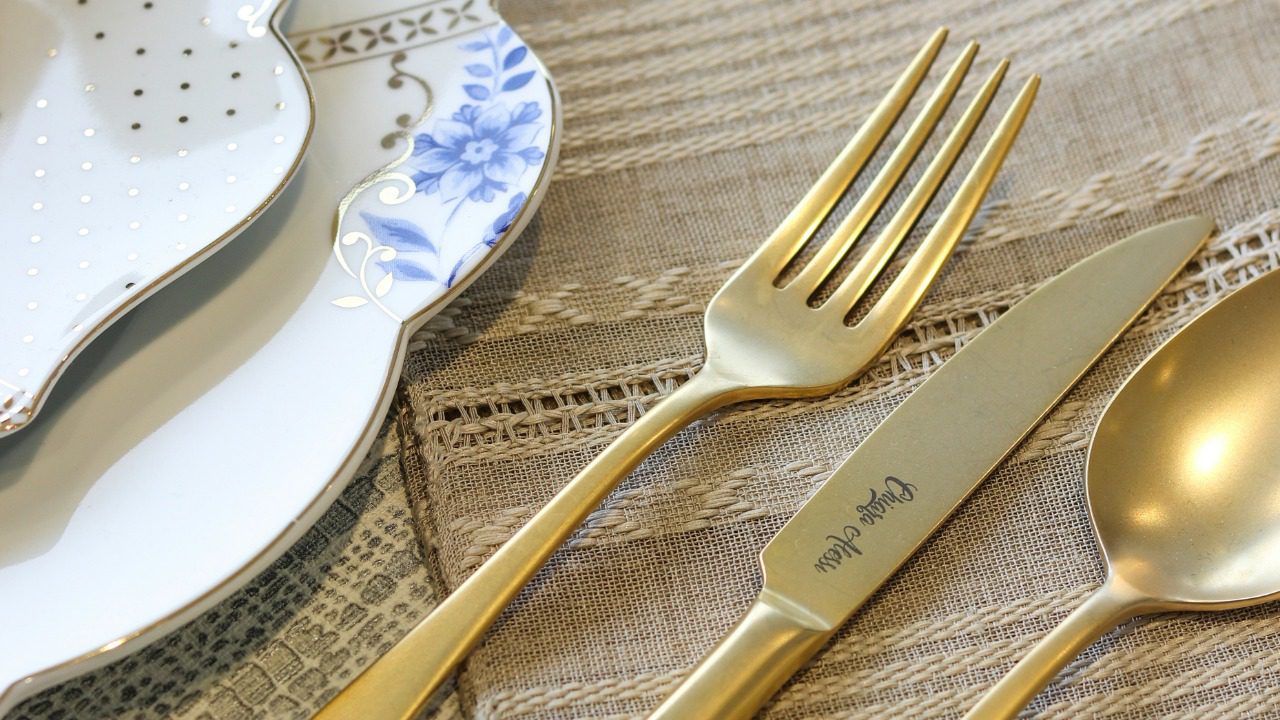
Gold-plated cutlery is a luxurious addition to any table setting, but the dishwasher can strip away the gold coating, leaving your cutlery looking dull and tarnished. Wash your gold-plated cutlery by hand with a soft cloth and warm, soapy water. Dry them immediately to prevent water spots, and store them in a cutlery box or roll to protect them from scratches and tarnishing.
11. Plastic Tupperware

Plastic Tupperware is a kitchen staple, but not all plastic is dishwasher safe. The high heat can warp or melt certain types of plastic, and plastic can absorb the taste and smell of dishwasher detergent. Check the bottom of your Tupperware for a dishwasher safe symbol before washing. If in doubt, wash by hand with warm, soapy water. Avoid using abrasive cleaners or scrubbers, as they can scratch the surface and make it more susceptible to staining.
12. Anything with Adhesive Labels

Finally, anything with adhesive labels should be kept out of the dishwasher. The heat and water can cause the labels to peel or disintegrate, leaving a sticky residue that’s hard to remove. Peel off any labels before washing, or wash these items by hand. If you’re dealing with stubborn residue, a bit of cooking oil or a product like Goo Gone can help to remove it. Just be sure to wash the item thoroughly afterwards to remove any oily residue.