As a culinary enthusiast, I’ve always been one to make the most of my freezer space. Whether it’s prepping meals in advance, saving leftovers for a rainy day or simply keeping things fresh, the freezer often acts as my best friend in the kitchen.
However, over the years, I’ve also learned that not everything belongs in the icebox. Sometimes, what seems like a good idea at the time can turn out to be a total disaster. So, for the benefit of all you fellow home cooks out there, here are 12 things I wish I’d never stored in my freezer.
1. Whole Fruits and Vegetables
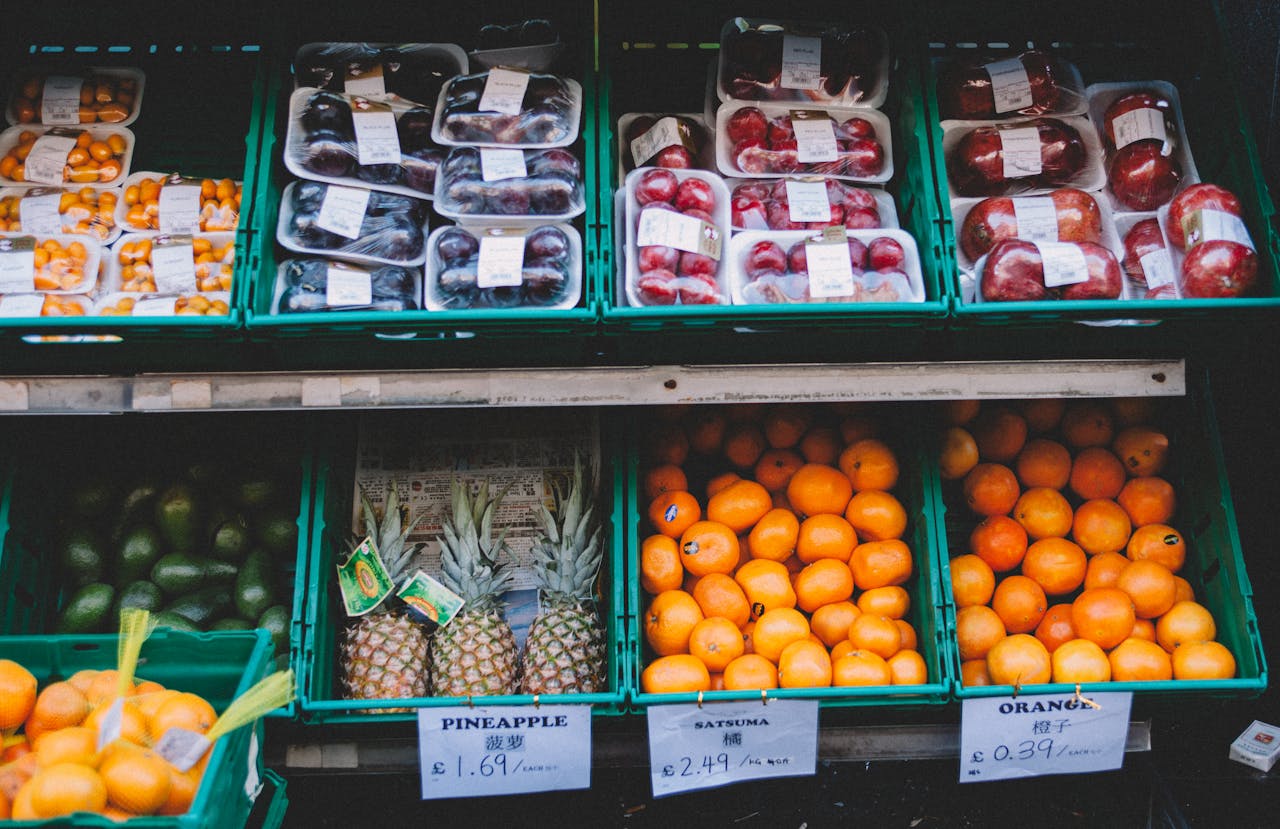
I’ve learned the hard way that many fruits and vegetables don’t react well to freezing. While they may look fine in the beginning, once thawed, they often turn into a mushy, unappetizing mess. This is due to the high-water content in fruits and vegetables; when frozen, the water inside the cells expands and bursts the cell walls resulting in a mushy texture upon thawing.
Consider your purpose before freezing. If you plan to use the fruits or vegetables in a cooked dish, freezing might not be a problem. But if you’re looking forward to a crisp salad or fresh fruit, it’s best to keep them in the fridge or at room temperature.
2. Coffee
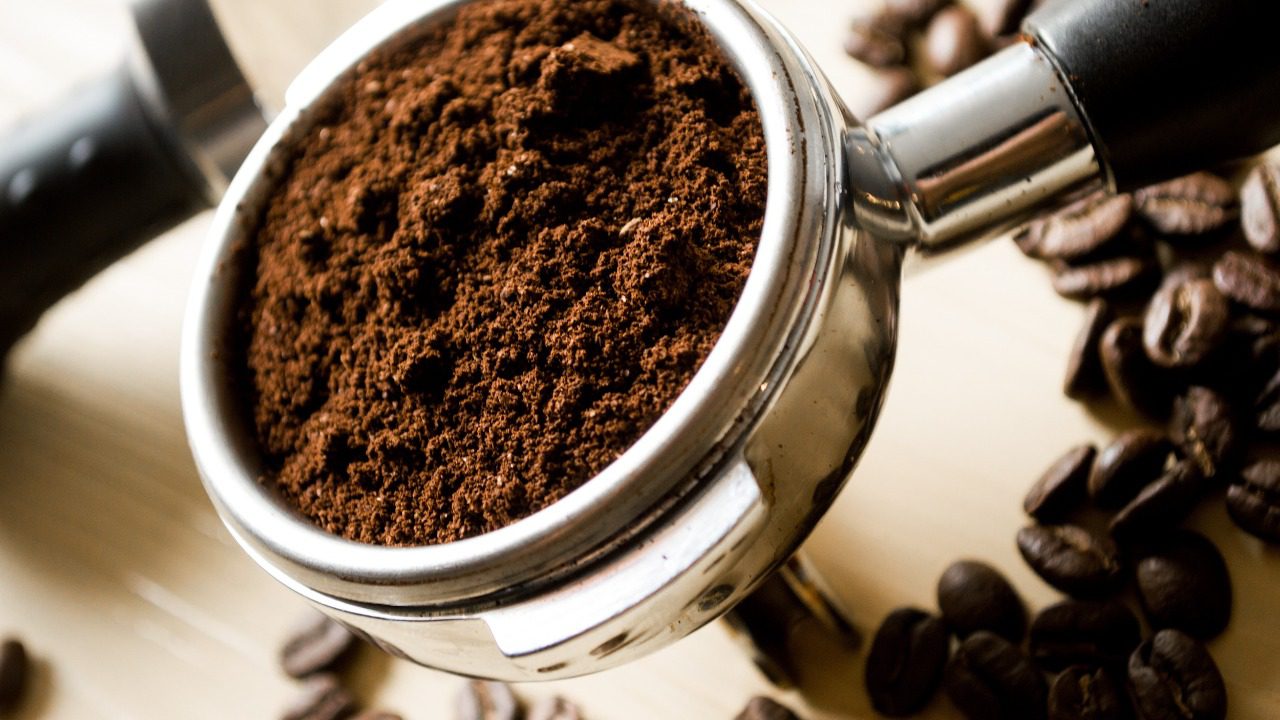
Freezing coffee might seem like a good idea to preserve its freshness, but it can actually do more harm than good. The freezer can introduce moisture to your coffee, which can ruin the flavor. Additionally, coffee can absorb odors from other items in the freezer, leading to an unpleasant taste.
A better way to store coffee is in an airtight container in a cool, dark place. This will help keep your coffee fresh without compromising its flavor. And if you want to extend the life of your coffee, consider buying whole beans and grinding them as needed.
3. Dairy Products

Certain dairy products like milk, cream, and soft cheeses can separate or become grainy when frozen. This is because the fat separates from the water in the product, leading to a change in texture.
There are exceptions, of course. Hard cheeses, like cheddar or gouda, and butter freeze well. But for the most part, it’s best to keep dairy products in the fridge. If you do need to freeze them, be sure to use them in cooking or baking, where the texture change won’t be as noticeable.
4. Fried Foods

Fried foods lose their crispiness when frozen and reheated, becoming soggy instead. The high fat content in fried foods doesn’t freeze well and can lead to a greasy, unappealing texture.
Instead of freezing, try to enjoy fried foods as soon as possible after they’re made. If you must store them, keep them in the fridge and reheat in an oven or toaster oven to help retain some crispiness.
5. Gravy and Sauces
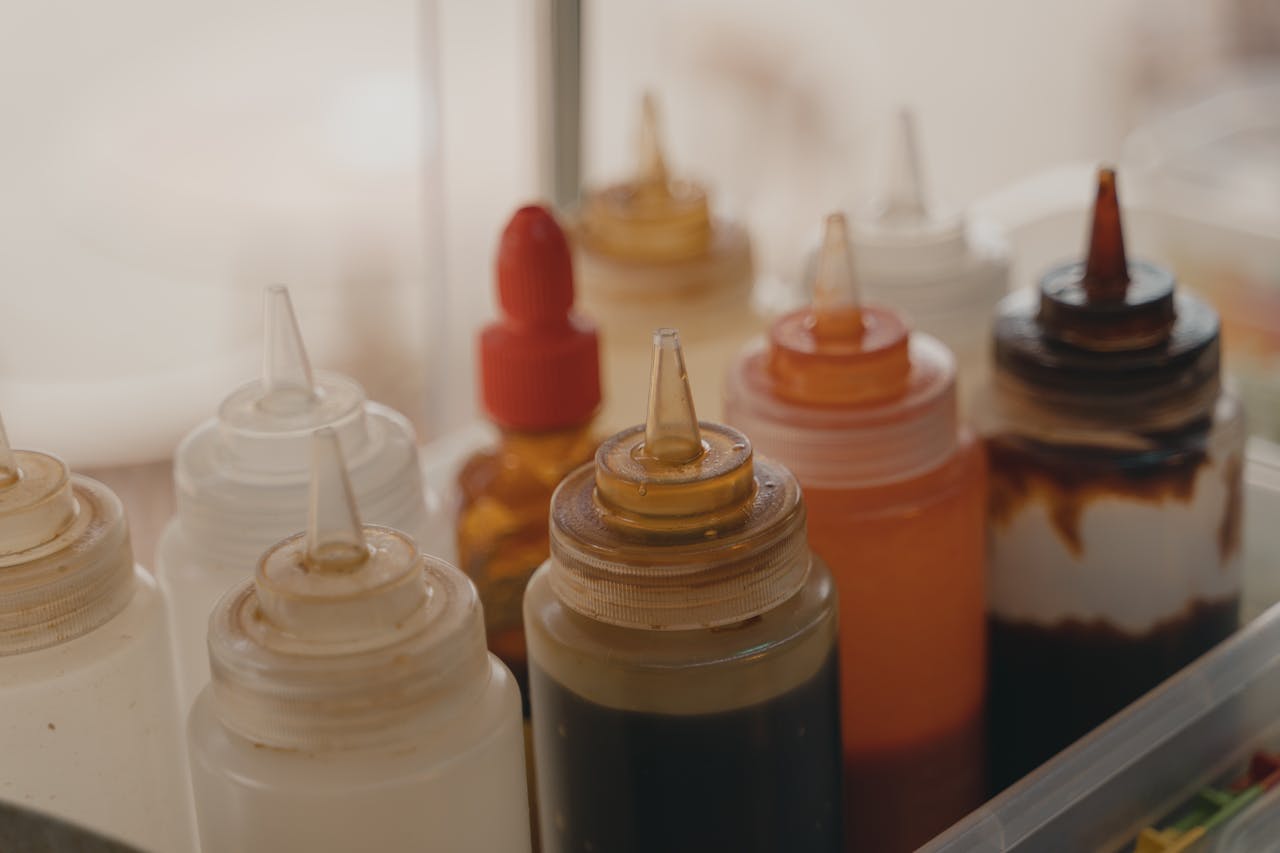
Gravy and sauces that are thickened with flour or cornstarch can separate when frozen. This can make them grainy and less appetizing when reheated.
If you need to freeze gravy or sauce, consider freezing it before adding the thickener. Then, when you’re ready to use it, thaw it and add the thickener as you heat it up.
6. High-Water Content Foods

Foods with a high-water content, like cucumbers, watermelon, and lettuce, become limp and waterlogged when frozen. This is because the water in the cells expands when frozen, bursting the cell walls and leading to a mushy texture.
If you want to freeze these types of foods, consider using them in a different way when they’re thawed. For example, thawed cucumber could be used in a soup or smoothie, where the texture doesn’t matter as much.
7. Raw Eggs

Freezing raw eggs in their shells can cause them to burst due to the expansion of the liquid inside. Additionally, the yolk can become thick and syrupy when frozen, making it hard to use in recipes later.
If you need to freeze eggs, a better way is to crack them and lightly beat them before freezing. This way, you can use them in baking or cooking without any issues.
8. Raw Potatoes

Raw potatoes can turn black or brown when frozen due to oxidation. They can also become grainy or watery due to the breakdown of their starches.
If you need to freeze potatoes, it’s better to cook them first. Mashed, roasted, or fried potatoes all freeze well and can be reheated easily.
9. Rice and Pasta

Freezing cooked rice and pasta can make them mushy and sticky when thawed. This is because the water in the grains or noodles expands when frozen, leading to a change in texture.
A better option is to slightly undercook your rice or pasta if you plan on freezing it. This way, it will finish cooking when you reheat it and maintain a better texture.
10. Soft Herbs
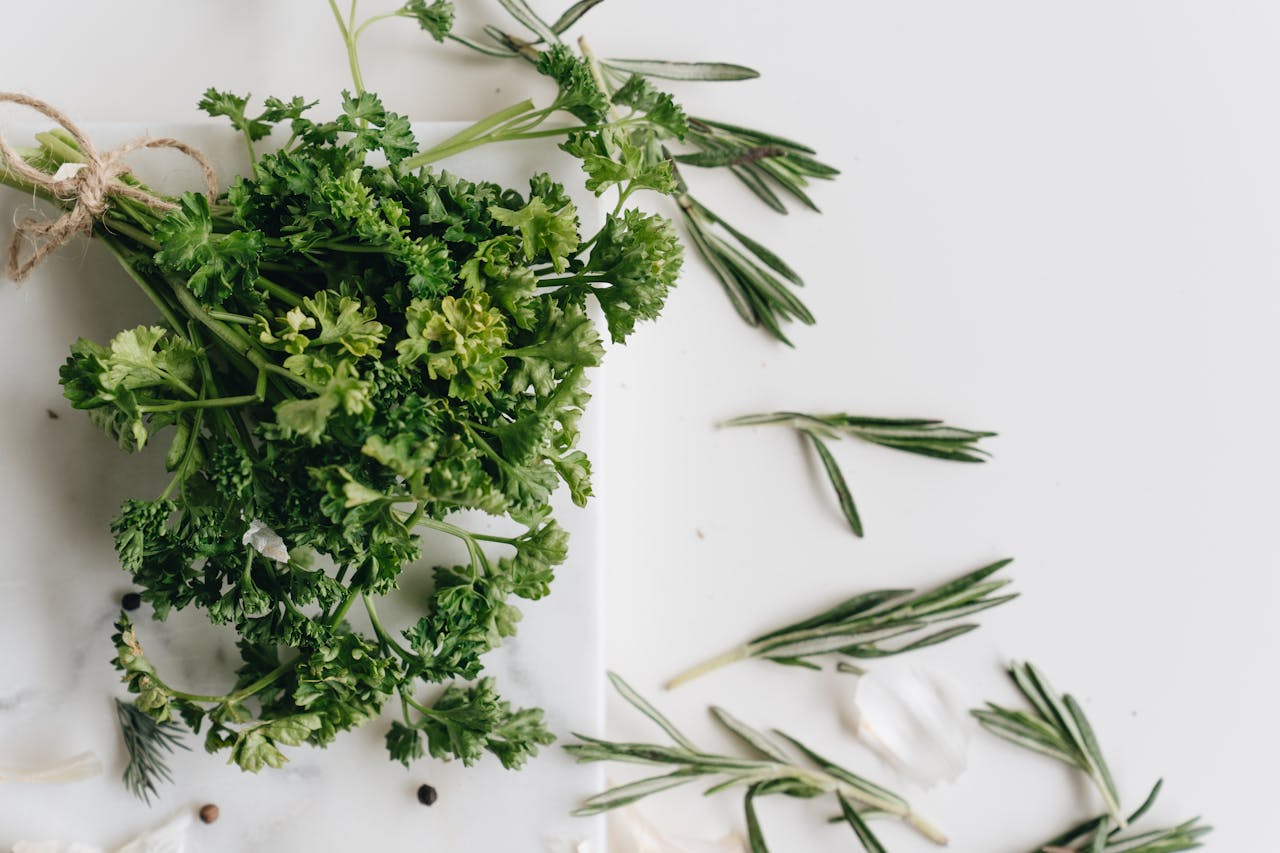
Soft herbs like basil, parsley, and cilantro don’t freeze well. They lose their texture and often their flavor when frozen.
If you need to store soft herbs, a better option is to dry them or store them in the fridge. You can also make a paste or pesto with them and freeze that instead.
11. Spices
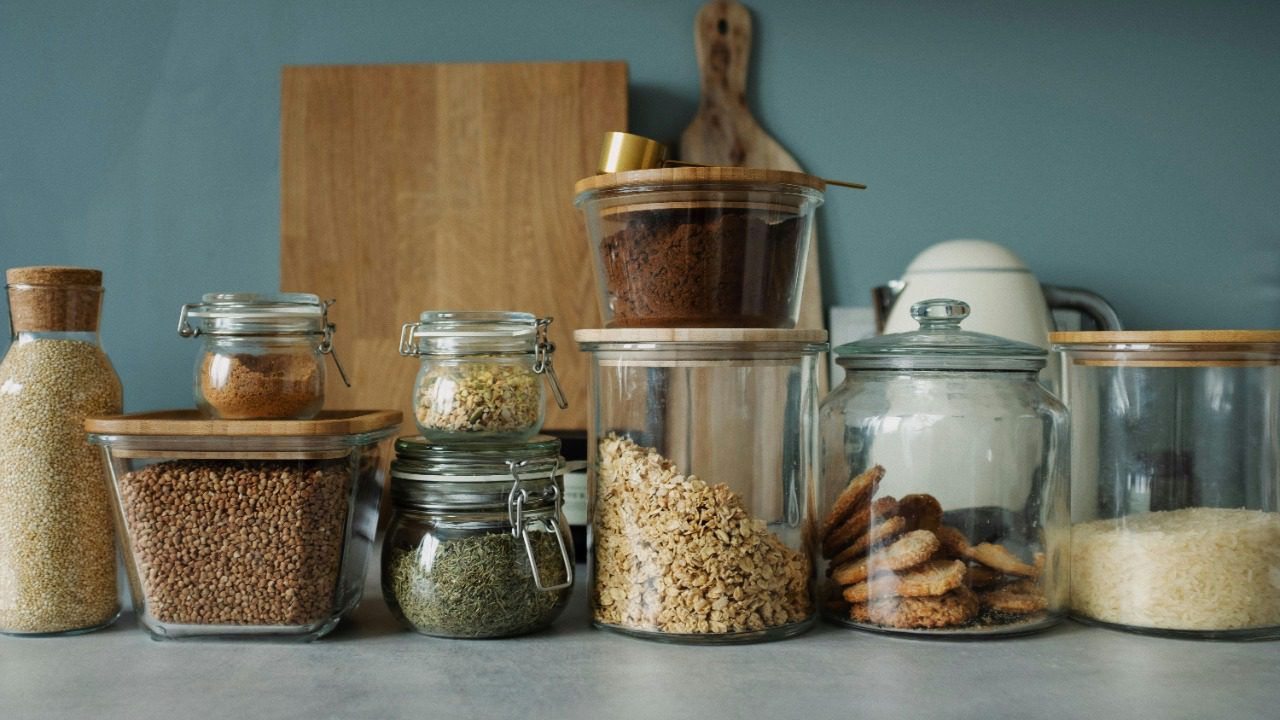
While freezing won’t harm spices, it won’t extend their shelf life either. Spices lose their potency over time, regardless of whether they’re stored in the freezer or the pantry.
Instead of freezing, store your spices in a cool, dark place. And remember to check them periodically for freshness. If they’ve lost their aroma or flavor, it’s time to replace them.
12. Yogurt
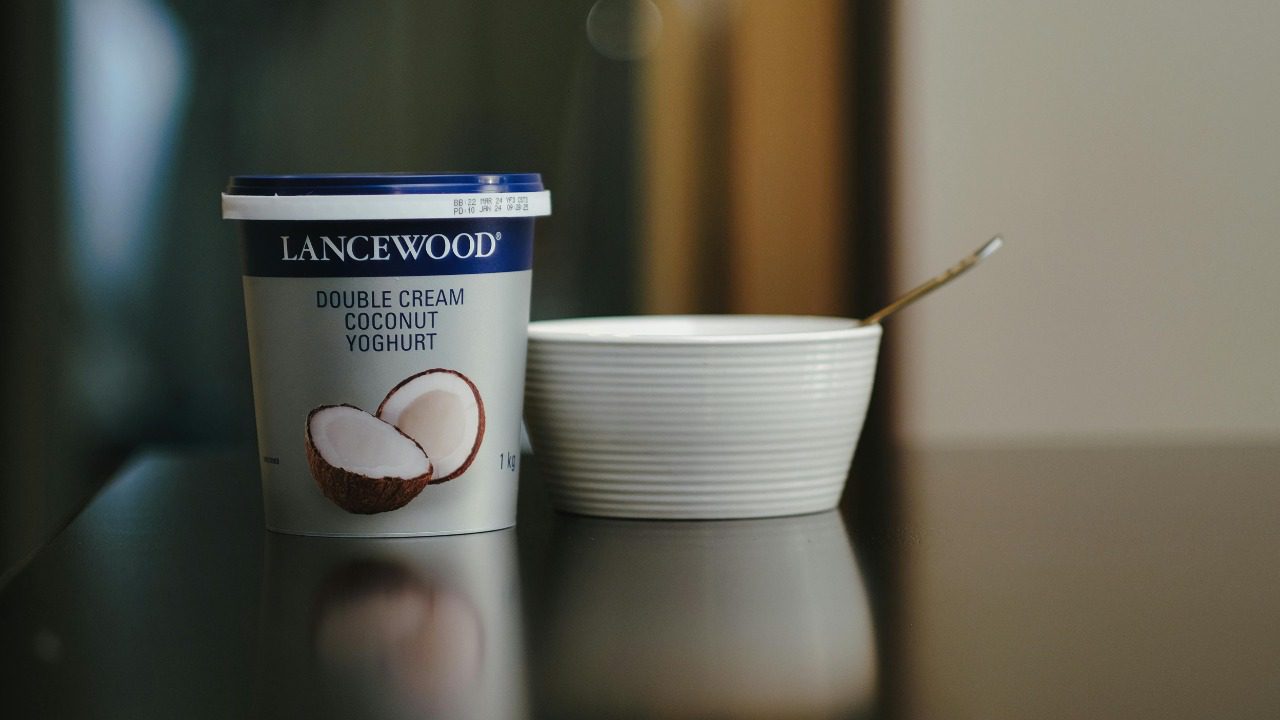
Yogurt can separate and become grainy when frozen, due to the breakdown of its proteins. While it’s safe to eat, the texture can be off-putting.
If you need to freeze yogurt, consider using it in smoothies or baking, where the texture change won’t be as noticeable. Or, freeze it in an ice cube tray for quick, easy-to-use portions.