
Take a trip down memory lane to the 1970s – a time of bell-bottom jeans, disco fever, and some home habits that would raise more than a few eyebrows today. The 70s were a different time, with different norms and standards, especially when it came to practices at home. From smoking indoors to the use of hazardous materials, let’s take an enlightening journey through some of these practices from yesteryears that wouldn’t pass muster in today’s world.
I. Smoking Indoors: A Common Practice in the 70s

Believe it or not, back in the 70s, smoking was considered not only acceptable but also a symbol of sophistication. Lighting up a cigarette indoors, whether at home or in public places, was a common sight. This was a time when the health risks associated with smoking weren’t as well-known, so people smoked freely, oblivious to the second-hand smoke they were subjecting others to. Today, the idea of lighting up inside is largely frowned upon, thanks to the increased awareness about the dangers of second-hand smoke.
II. Using Lead-Based Paint for Home Décor

Decorating your home in the 70s often involved the use of lead-based paint. It was popular for its durability and the rich, vibrant colors it offered. Unfortunately, we now know that lead-based paint is a serious health hazard, especially for children, who can suffer from developmental issues if exposed. Today, the sale of lead-based paint for residential use is banned, and homeowners are advised to take precautions if they live in a home that was painted with lead-based paint before the ban.
III. Not Recycling Household Waste

Recycling wasn’t a widespread practice in the 70s. Instead, most people would simply throw all their waste in the trash, where it would end up in a landfill. Fast forward to today, and recycling is an essential part of waste management. We have become more conscious of our impact on the environment and the importance of minimizing waste. We separate our trash, compost our food scraps, and recycle as much as we can.
IV. Allowing Children to Play with Unsafe Toys

Back in the 70s, safety standards for children’s toys were pretty lax. Toys with small parts, sharp edges, and even toxic materials were common. However, as times have changed, so have safety regulations. Today’s toys are subject to rigorous testing and must meet strict safety standards to ensure they pose no harm to our little ones.
V. Using Asbestos in Building Materials
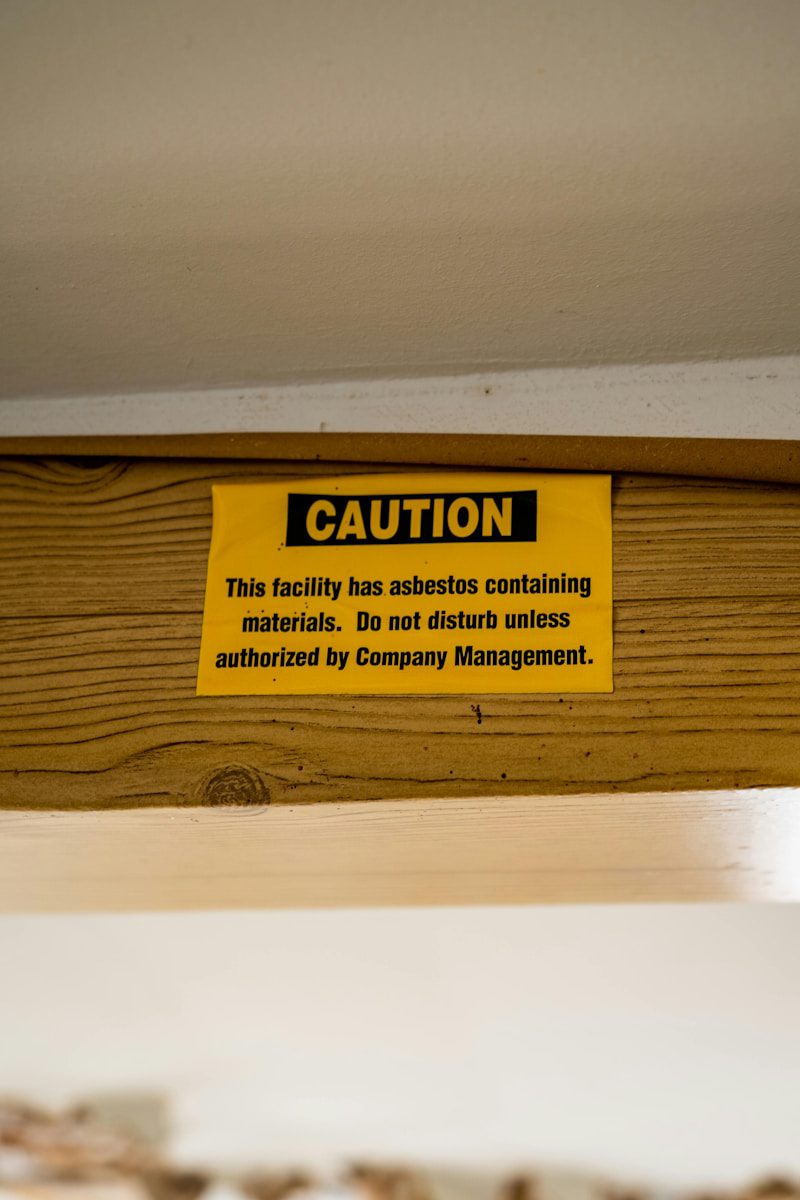
Asbestos was a popular material used in construction during the 70s because of its fire-resistant properties. However, we now know that prolonged exposure to asbestos can lead to serious health issues, including lung cancer. Today, the use of asbestos is heavily regulated, and homeowners are urged to take precautions if they live in a home built during the era of asbestos use.
VI. The Absence of Child-Proofing the Home

In the 70s, the concept of child-proofing was almost non-existent. Children were left to explore their surroundings, often resulting in accidents. Today, we understand the importance of making our homes safe for our children. From installing safety gates to securing furniture and using outlet covers, child-proofing has become a must for homes with young children.
VII. Keeping Open Containers of Hazardous Cleaning Supplies

Cleaning supplies of the 70s were often left out in the open, within easy reach of children and pets. Today, we know the dangers these substances can pose if ingested or mishandled. We now store cleaning supplies out of reach of children and pets, and use child-resistant packaging and warning labels to prevent accidents.
VIII. Lacking Fire Safety Measures like Smoke Detectors

Smoke detectors were not a common fixture in homes during the 70s. Many people relied on their senses to alert them of a fire. Today, we understand the importance of early detection in preventing fire-related injuries and deaths. Smoke detectors are now a standard feature in homes, and many localities require their installation in new builds.
IX. The Habit of Not Wearing Seat Belts in Cars

Seat belts were available in cars in the 70s, but many people chose not to use them. Today, wearing a seat belt is not only mandatory but also universally accepted as a crucial safety measure. Studies have shown that wearing a seat belt can reduce the risk of fatal injury by 45%. This video details the importance of seat belts and the drastic difference they can make in a collision.
X. The Absence of Internet Parental Controls

The internet was not a part of daily life in the 70s, and therefore, there were no concerns about children’s online safety. Today, with the internet being a major part of our lives, parental controls have become crucial in protecting children from inappropriate content and ensuring their online safety. From setting time limits to blocking certain websites, modern-day parents have a host of tools at their disposal to monitor their children’s internet usage.
XI. Using DDT and Other Harmful Pesticides in Gardens

DDT was a commonly used pesticide in the 70s. It was later banned due to its harmful effects on the environment and wildlife. Today, we understand the importance of using safe and environmentally friendly pesticides. Organic gardening and the use of natural pest control methods have gained popularity, reflecting our growing awareness of the need to protect our environment.
XII. The Normalization of Drunk Driving

In the 70s, drunk driving was not viewed as severely as it is today. The dangers associated with drunk driving were not as widely recognized, and enforcement of DUI laws was less stringent. Today, thanks to extensive research and advocacy efforts, there is a greater understanding of the dangers of drunk driving, leading to stricter laws and penalties.