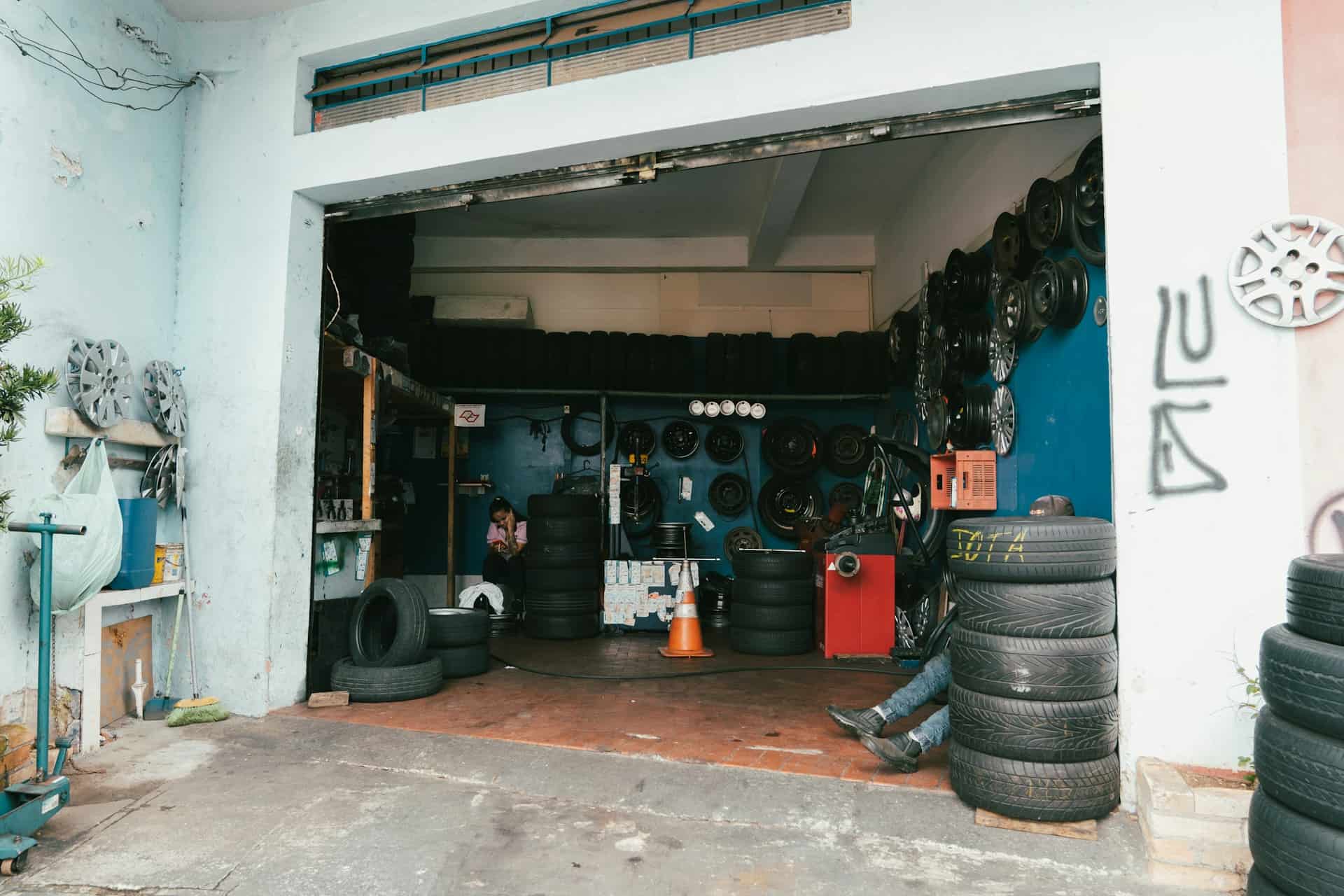
You might think your garage is full of “just-in-case” items, but let’s be honest—some of that stuff hasn’t seen daylight in years. Whether it’s broken tools, outdated gadgets, or sports gear from a hobby you abandoned, your garage has likely become a clutter zone.
This list is based on surveys from decluttering experts, resale trends on eBay, and organizing advice from sites like Apartment Therapy and The Spruce. These 12 items are the most commonly forgotten—and the least likely to get used again.
1. Old Paint Cans

Unless you’re planning to touch up the same wall color soon, those half-empty paint cans are just taking up shelf space. Most paints have a shelf life of 2–5 years, and after that, the texture changes and it becomes unusable. According to Family Handyman, old paint should be properly disposed of through your local hazardous waste program—not left to dry out in the garage.
2. Rusty Tools
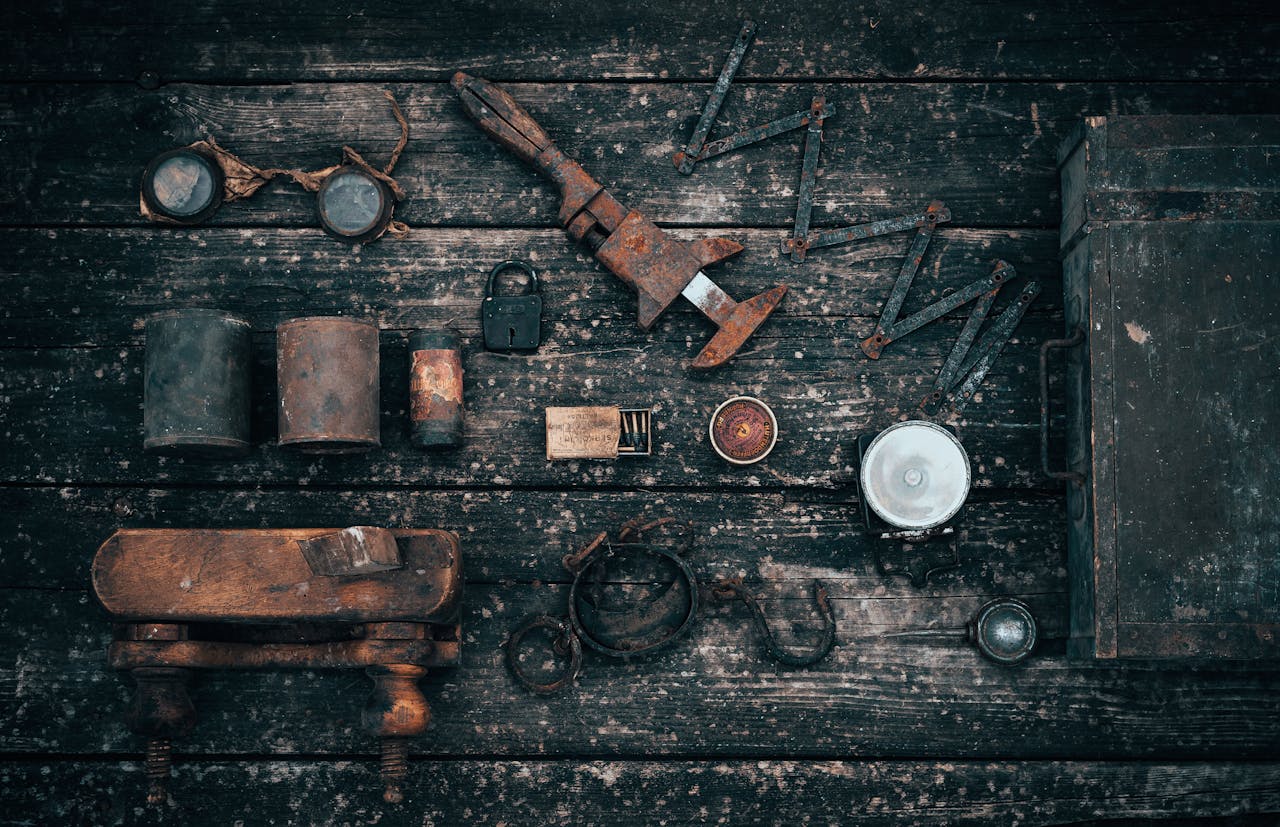
You may have inherited a toolbox or two, but if you haven’t touched those rusted pliers in a decade, it’s time to let them go. Tools that are rusted beyond use are unlikely to be restored without effort you’re never going to make. Many metal recycling programs will take old tools, and newer, safer replacements are usually more efficient anyway.
3. Deflated Sports Balls

Basketballs, soccer balls, and footballs that have lost their bounce are often forgotten in garage corners. If you don’t have an air pump—or a reason to play—the chances you’ll reinflate them are slim. According to decluttering experts on Real Simple, these are prime candidates for donation or recycling.
4. Broken Lawn Equipment

That weed whacker that hasn’t started since 2015 probably isn’t magically fixing itself. Holding onto broken lawn tools “just in case” takes up valuable space. If it costs more to fix than replace—or you’ve already replaced it—it’s time to recycle it or drop it off at an equipment repair shop for parts salvage.
5. Outdated Electronics

Old DVD players, camcorders, or forgotten stereo systems pile up fast. Most aren’t compatible with modern setups and aren’t worth much on the resale market. According to Earth911, many towns offer free e-waste recycling events where you can offload these responsibly. Don’t just shove them in a garage bin.
6. Holiday Lights That Don’t Work

You know the ones—half a string of lights that don’t turn on, tangled in a ball since last year. If you’ve already bought replacements, there’s no need to keep broken strands around. Some hardware stores like Home Depot offer seasonal light recycling programs so you can let go without guilt.
7. Old Car Parts
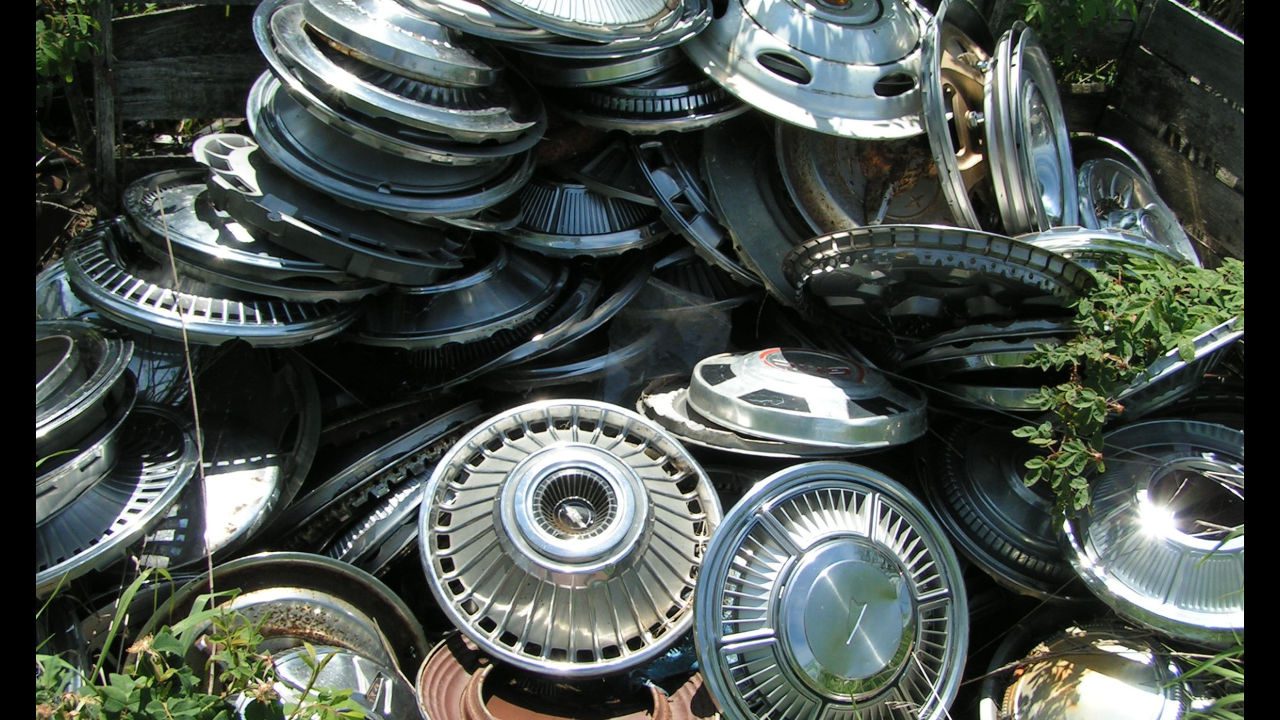
If you’ve swapped out a headlight or battery and kept the old one “just in case,” you’re not alone. But these components rarely get reused and often just take up valuable shelving. AutoZone and Advance Auto Parts offer recycling programs for used parts and batteries, which can even earn you a few bucks back.
8. Exercise Equipment You Never Use

That dusty treadmill or resistance band set seemed like a good idea at the time. But if you’re not using them now, you probably won’t later. According to a OnePoll survey, over 40% of Americans admit their home gym equipment collects dust. Consider selling or donating it to someone who will actually use it.
9. Random Screws, Bolts, and Nails

A random jar of hardware might come in handy—until you realize you can never find what you need in the chaos. Most of these pieces don’t match current projects and just create clutter. Organizing expert Marie Kondo suggests keeping only what “sparks usefulness,” not confusion.
10. Empty Boxes from Old Appliances

Unless you’re planning to return or ship the item, there’s no reason to keep its original box. These cardboard containers break down over time and can attract pests. If you’re holding onto them “just in case,” ask yourself: when’s the last time you actually needed one?
11. Dried-Out Gardening Supplies

That bag of potting soil from five years ago? It’s likely compacted and nutrient-depleted. Fertilizers and herbicides also have expiration dates, and expired products can harm your plants more than help. If the packaging is cracked or contents are clumped, it’s time to toss them.
12. Mystery Cords and Chargers

We all have that tangled pile of chargers for devices we no longer own. If you haven’t identified the matching gadget in years, you probably never will. Consider using a cord identifier or sorting system for the ones you actually need—and recycle the rest through an e-waste program.