Your bedroom should be a space that helps you relax and get restful sleep. Sometimes, what you keep in there can actually work against that goal without you realizing it.
Removing certain items from your bedroom can improve your sleep quality and create a more peaceful environment. This article will guide you through twelve things experts recommend clearing out so you can rest easier.
Workspace electronics

You might be tempted to keep your laptop or work phone nearby, but these devices can trick your brain into staying alert. Having them in your bedroom makes it harder to disconnect from work and relax.
Try to create a clear boundary by removing workspace electronics from your sleeping area. This helps your mind associate the bedroom with rest, not work.
Mobile phone

You should keep your mobile phone out of your bedroom to improve your sleep quality. Phones emit blue light, which can delay your natural sleep cycle and make it harder to fall asleep.
Using your phone before bed can also keep your brain active, making it tough to wind down. Try switching to a traditional alarm clock instead of using your phone as one. This helps reduce nighttime distractions and supports better rest.
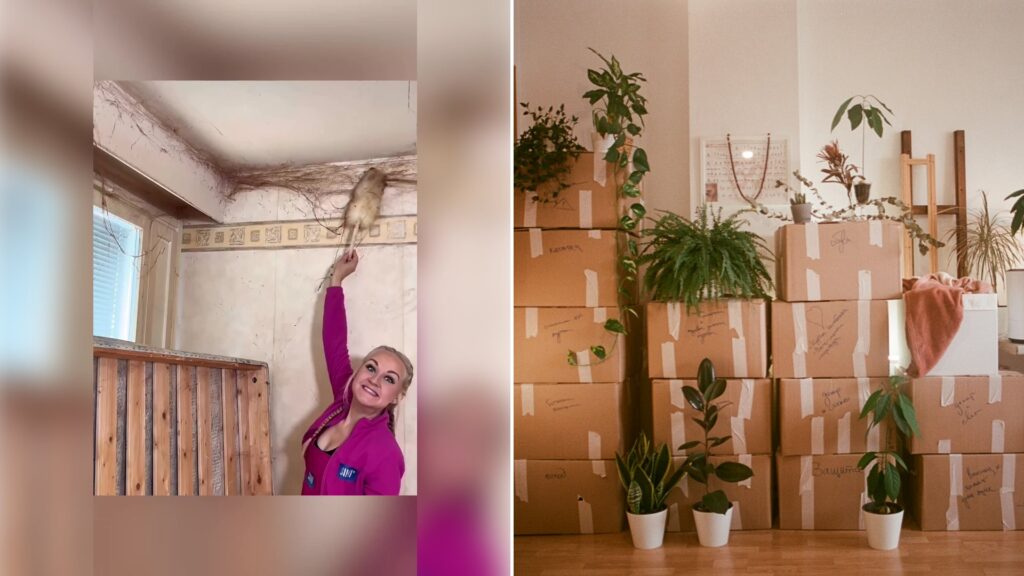
General clutter

Clutter can make your bedroom feel chaotic, even when you want to relax. When your space is crowded with items, your mind may have trouble winding down.
Try to keep surfaces clear and only keep things that serve a purpose or bring you joy. A tidy room helps create a calm atmosphere, making it easier to fall asleep and rest well.
Pets

Having pets in your bedroom might feel comforting, but it can affect your sleep quality. Some studies show pets can cause interruptions, leading to poorer rest and increased insomnia symptoms.
That said, the impact varies by person and pet. If your pet is calm and doesn’t disturb you, it might not be a problem. Still, experts often recommend keeping pets out to maintain a quiet, restful space.
Old pillows

You should replace your pillows every one to two years. Over time, they accumulate sweat, dead skin, dust mites, and other irritants.
These buildups can affect your sleep quality and even trigger allergies. Don’t keep pillows that feel lumpy or smell bad.
Instead of tossing old pillows, consider repurposing them as pet beds or draft stoppers to reduce waste.
Sweaty sheets
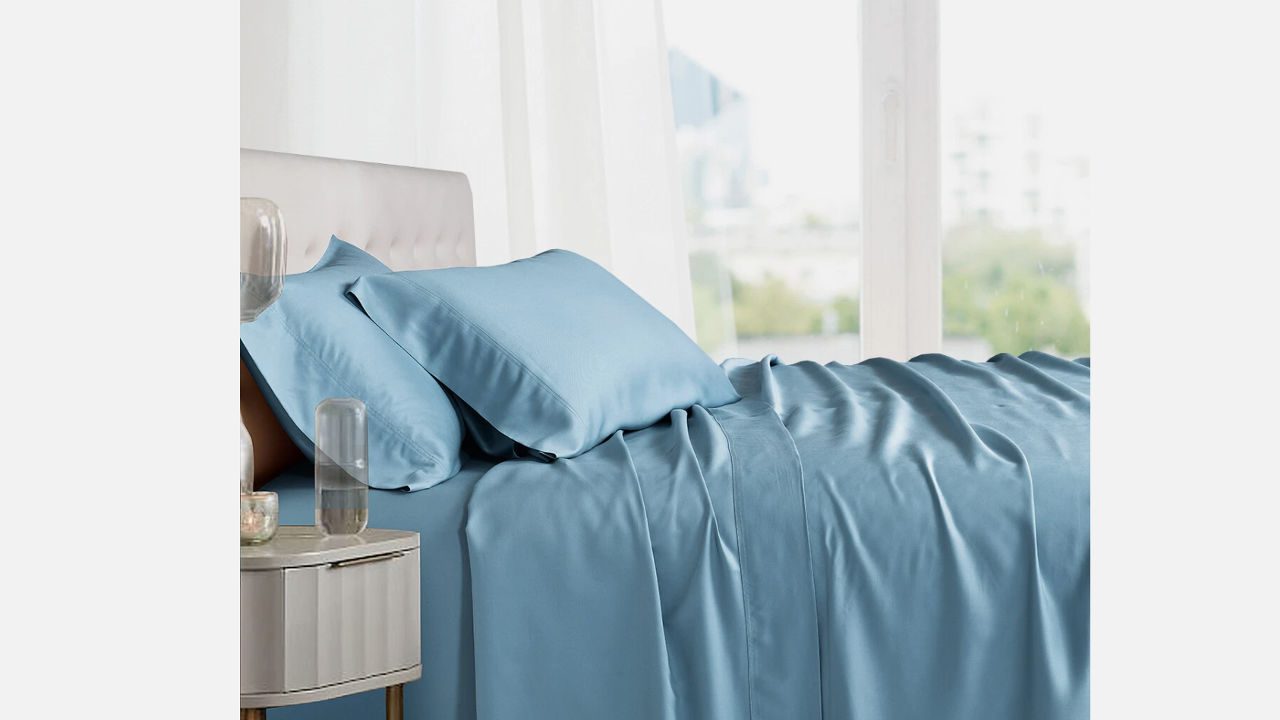
If your sheets stay damp from sweating, they can make your sleep uncomfortable and disrupt rest.
Try washing your sheets at least every two weeks to keep them fresh and dry.
Using a fan can help dry sheets faster and keep your bedroom cooler through the night.
Choose lightweight, breathable bedding to reduce sweating and improve comfort.
Flat, floppy pillows
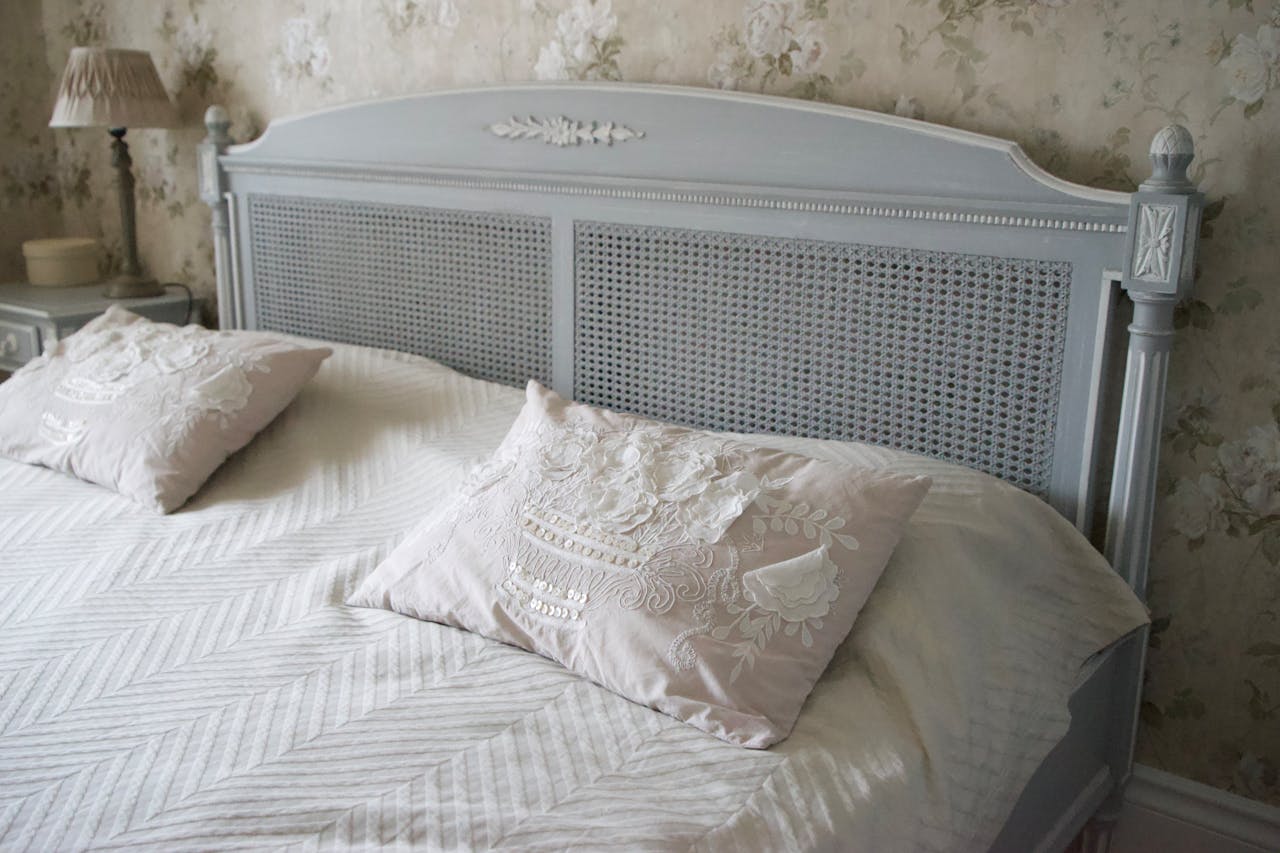
If your pillows feel flat or floppy, they may not be supporting your neck properly. This can lead to discomfort and restless sleep.
You should consider replacing them with firmer options like memory foam or latex. These materials keep their shape throughout the night and provide better support.
Having the right pillow can make a noticeable difference in how rested you feel when you wake up. Don’t hesitate to upgrade for better comfort.
Thin, flimsy curtains

Thin curtains often let in too much light, which can disrupt your sleep cycle.
If outside light seeps through, it might make it harder for you to fall asleep or stay asleep.
Switching to thicker, blackout curtains can create a darker environment, helping your body relax and rest better.
A good set of curtains also helps block noise and keeps your room cooler, both important for sleep quality.
Poor air quality devices

You might not realize how some devices can affect your bedroom’s air quality. Items like certain air fresheners or humidifiers without proper maintenance can release particles that irritate your lungs.
Poor ventilation and high carbon dioxide buildup from enclosed spaces also reduce sleep quality. To improve your air, consider using an air purifier and keep the room well-ventilated.
Be mindful of new furniture or mattresses as they may emit chemicals that worsen air quality. Air them out before bringing them into your sleep space.
Wrong mattress

Your mattress plays a big role in how well you sleep. If it’s old, worn out, or doesn’t support your body properly, it can cause discomfort and restless nights.
Make sure to replace your mattress if you notice sagging or if you wake up with aches. Using a waterproof mattress protector can also help keep it clean and in good condition.
Choosing the right firmness and material for your sleeping style will improve your comfort significantly. Don’t hesitate to test mattresses before buying.
Stressful items like bills or work papers

You should keep bills and work papers out of your bedroom. Seeing them can remind you of tasks and stress.
This can make it harder for you to relax and fall asleep.
Create a separate space for work-related items to help your bedroom feel calm and restful.
When your sleeping area is clear of these reminders, it’s easier to focus on rest.
Television
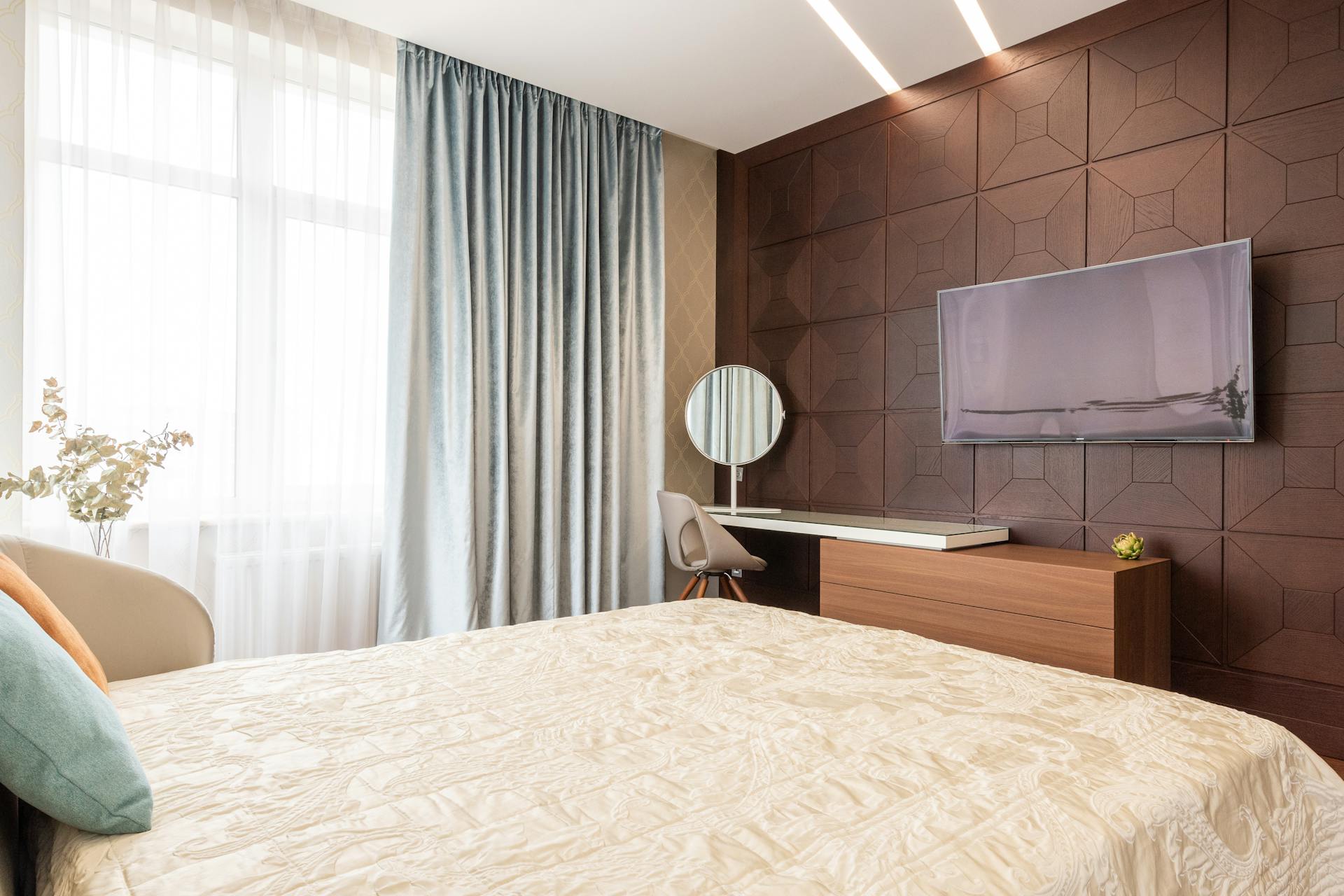
Having a TV in your bedroom can make it harder to fall asleep. The light from the screen can interfere with your body’s natural sleep signals.
Even if you watch calmly, it may keep your mind active when it should be winding down.
Removing the TV helps create a calm, tech-free space that encourages better rest. It’s a small change that might improve how quickly you relax at night.