The ‘70s and ‘80s were transformative decades in American history, marked by unique cultural trends, technological advancements, and social shifts that shaped everyday life. You might be surprised to learn how many of these defining elements have faded away, leaving a distinct mark on the memories of those who lived through that time.
As you explore this article, you’ll discover twelve aspects of American life from those decades that are now almost gone. Each of these elements contributed to a vibrant tapestry of experiences and influences that have significantly changed over the years.
Bell-bottom jeans

Bell-bottom jeans were a staple in the ‘70s fashion scene. You likely remember them as a symbol of youth and rebellion. Often associated with the hippie movement, they allowed for a sense of freedom in expression.
By the early ‘80s, these iconic pants had mostly fallen out of favor. Many joked that wearing them was no longer cool. You might still find them making a comeback in modern fashion trends, reminding us of those vibrant decades.
Disco Fever

Disco fever swept through America in the ’70s, turning dance floors into vibrant scenes of joy. You could feel the pulse of the music, and everyone was invited to join in.
Clubs filled with shimmering lights and funky outfits created a unique atmosphere. You might remember the joy of dancing the night away to the beat of disco hits. This era left a lasting impression on music and pop culture.
Vinyl Records

Vinyl records were a cherished part of your music experience in the ‘70s and ‘80s. They offered rich sound quality and a tangible way to connect with your favorite artists.
As CDs emerged, vinyl began to fade. However, interest in vinyl has surged again, making your old records surprisingly valuable. They bring back nostalgia and a unique listening experience you can’t find in digital formats.
Payphones

Remember when payphones were a common sight on street corners? They offered a reliable way to make calls when you were away from home.
In the ‘70s and ‘80s, you could find them almost everywhere, from busy urban areas to small towns. Now, they have largely disappeared, replaced by the convenience of mobile phones.
While they seem like a relic of the past, payphones hold a nostalgic charm for many. They remind you of a time when calling someone required a little more effort and interaction.
Atari 2600

The Atari 2600 was a revolutionary home gaming console that brought video gaming into American living rooms. Launched in 1977, it popularized cartridge-based games, allowing you to play a variety of titles without needing a new system.
You might remember classics like “Pong” and “Space Invaders,” which became cultural phenomena. The Atari 2600’s influence shaped the future of gaming and remains a nostalgic symbol of the ’70s and ’80s.
VHS Tapes

VHS tapes became a household staple in the ‘70s and ‘80s. You could record your favorite shows and watch them at your convenience. Renting movies from video stores was a popular weekend activity.
As technology advanced, VHS tapes slowly faded away, replaced by DVDs and digital streaming. Many people remember the excitement of playing a new tape or rewatching a favorite classic.
Saturday Morning Cartoons

Saturday morning cartoons were a cherished tradition for you as a kid. You would wake up early, excited to catch your favorite shows while munching on cereal.
These cartoons, like the mystery-solving crew from Scooby-Doo, became cultural icons. They offered a mix of adventure and laughter that defined your weekends.
Though fewer kids watch cartoons on Saturday mornings now, those memories still bring a smile. They were more than just entertainment; they were a nostalgic part of growing up.
Pet Rocks

Remember the Pet Rock craze? It was a unique collectible toy that took off in 1975. Created by advertising executive Gary Dahl, these rocks came packaged in custom cardboard boxes.
You could buy one for just $4, and it included a manual with fun tricks to teach your new “pet.” With over a million sold, it was a memorable moment in American pop culture.
Polaroid Cameras

Polaroid cameras were a staple of American life in the ‘70s and ‘80s. You could capture moments instantly, creating a tangible photo in minutes.
These cameras allowed for spontaneous memories at parties, vacations, and family gatherings.
The unique square prints, with their iconic white borders, had a charm that many still cherish today. Polaroid’s legacy reminds you of a simpler time in photography.
Drive-in theaters

Drive-in theaters were a quintessential part of American culture in the ‘70s and ‘80s. You could enjoy a movie under the stars from the comfort of your car, often with friends and family.
These theaters offered a unique blend of convenience and nostalgia, making movie nights special. From classic films to double features, drive-ins created lasting memories. You could grab snacks and enjoy the film experience right outside your vehicle.
Rubik’s Cube

You might remember the Rubik’s Cube as the colorful puzzle that captured the imagination of many in the ’70s and ’80s. Created in 1974 by Ernő Rubik, this 3D combination puzzle became a cultural phenomenon.
It challenged you to think strategically while also providing a sense of accomplishment upon solving it. Whether you struggled for hours or solved it in minutes, it added a unique element to your childhood.
Mood Rings
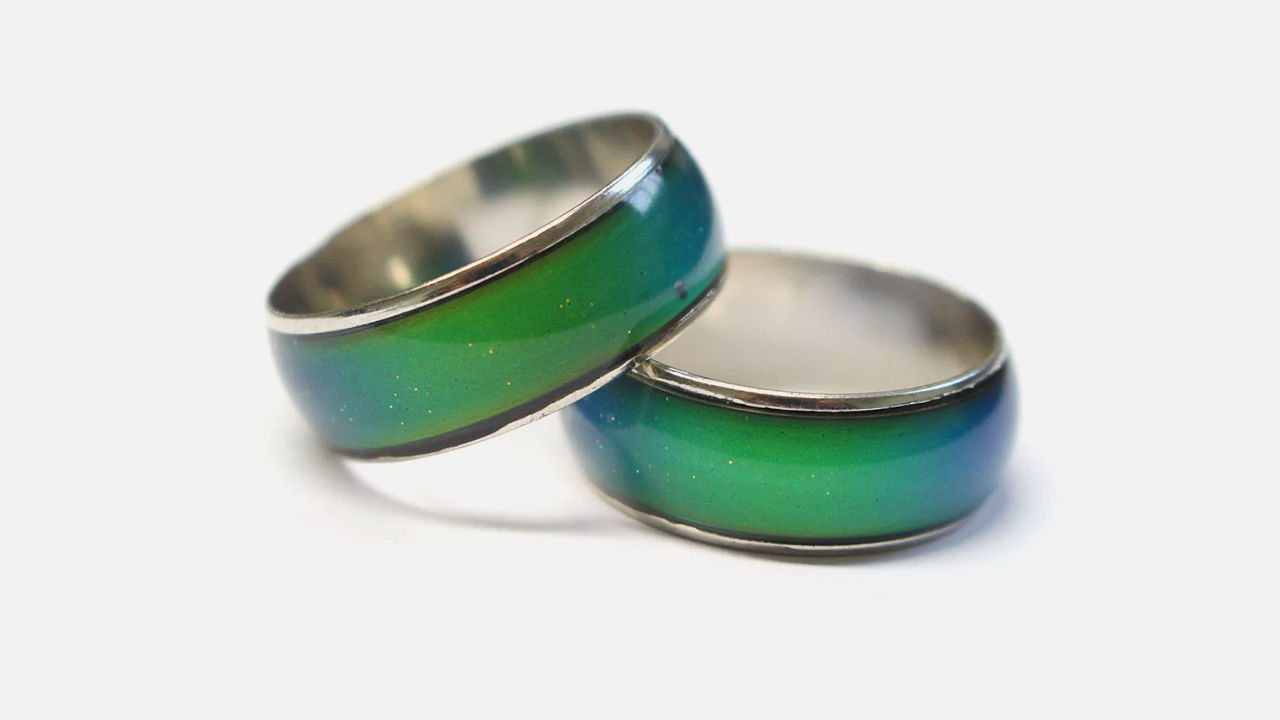
Mood rings were a fun accessory popular in the 1970s. These colorful rings changed hues based on your body temperature, claiming to reflect your feelings.
You may remember wearing one as a kid, fascinated by how it shifted colors. Made from a quartz stone, they combined self-expression with a little bit of mystical charm. Mood rings captured the spirit of individualism that defined the era.