Your kitchen counters should be a clear, functional work zone, not a storage unit for everything that wanders into the room. When you keep only true essentials within reach, you cook more efficiently, clean faster, and feel less visual stress.
Here are 12 things that do not belong on your kitchen counters, plus what to do with them instead so the space finally matches the calm, clutter free kitchen you want.

1) Small Appliances Like Toasters
Small appliances like toasters, blenders, and food processors quickly turn your counters into what one guide calls an appliance parking lot, a problem highlighted in advice on things to never leave on your kitchen countertops. You are encouraged to limit how many gadgets live out in the open, because every extra cord and crumb tray steals prep space and makes wiping down surfaces harder. When counters are crowded, you are more likely to skip home cooking altogether or rely on takeout because the space feels like a hassle.
Instead, follow the lead of organizers who recommend using cabinet inserts and appliance garages to store bulky gadgets between uses, a strategy echoed in recommendations for Costco products that declutter your kitchen. Pull out shelves, rolling carts, and lift up stands let you stash a toaster or mixer behind closed doors while keeping them easy to access. The payoff is a clear, open counter where you can chop vegetables, roll out dough, or pack lunches without dodging hot metal or tangled cords.
2) Loose Utensils and Gadgets
Loose utensils and gadgets scattered across your counters create instant visual noise, even if they are technically “organized” in a crock or tray. When every spatula, whisk, and garlic press is on display, the room feels busier and harder to clean. Storage experts point to drawer organizers and in cabinet caddies, often sold in bulk packs, as smart ways to keep tools sorted and out of sight, a tactic highlighted in recommendations for removing items from your kitchen counters. Hiding the clutter does not just look better, it also protects utensils from grease splatter.
Relocating gadgets into drawers forces you to edit what you own, which is crucial because specialty Gadgets like mini waffle makers or popcorn machines are singled out as space hogs you rarely use in advice on things in your kitchen to toss. When you reserve counter space for a single crock of everyday tools and move the rest into well divided drawers, you speed up cooking and reduce the temptation to let new gadgets pile up. The result is a calmer, more intentional workspace that supports how you actually cook.
3) Expired Pantry Staples
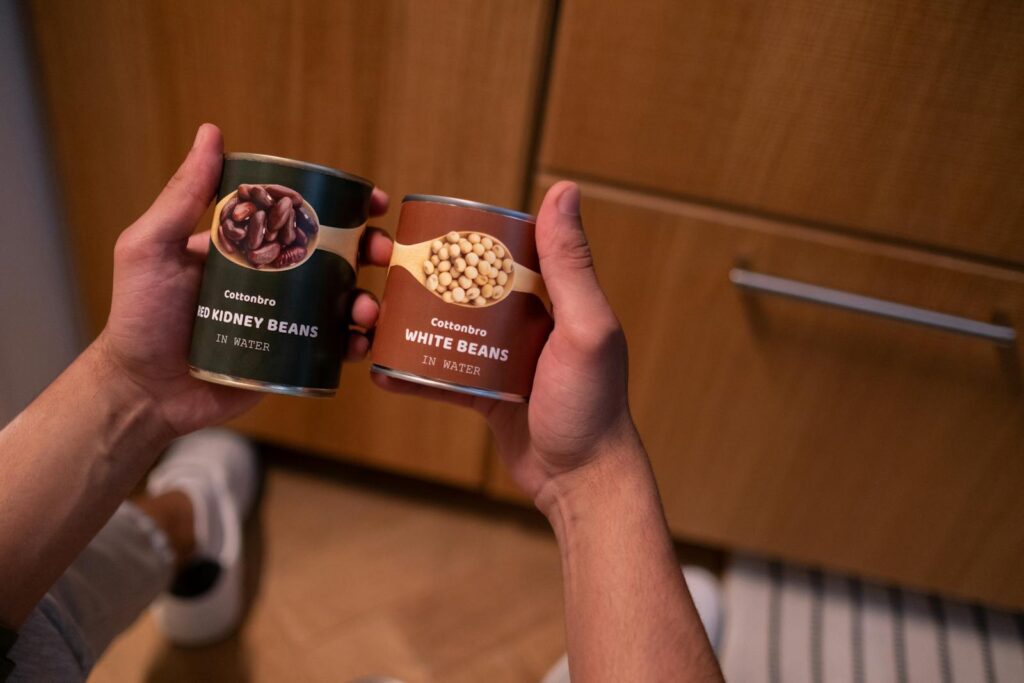
Expired pantry staples like old spices, stale rice, and forgotten cans often migrate from cabinets to counters as you dig for fresher ingredients. Guidance on pantry items you should toss immediately stresses that outdated staples not only lose flavor, they can leak, crumble, or attract pests. When you leave those half used bags and dusty jars on the counter “to use up soon,” they usually just sit there, shedding crumbs and taking over valuable prep space. That clutter makes it harder to see what you actually have and increases the odds of buying duplicates.
Regularly clearing expired staples keeps your counters from becoming a holding zone for food you will never eat. Set a recurring reminder to check dates on baking mixes, beans, and condiments, then either use them in a planned recipe that week or discard them. When your pantry is edited and current, you can pull out only what you need for a meal and put it back immediately, instead of leaving a lineup of questionable jars and boxes along the backsplash. That habit keeps surfaces cleaner and supports safer, more efficient cooking.
4) Piles of Mail and Papers
Piles of mail and Papers do not belong on your kitchen counters, even if the room is the main entry point to your home. Research on clutter related stress notes that Stacks of unsorted envelopes and school forms are a major source of anxiety, a point underscored in a survey highlighted in advice on items you should not keep on your kitchen counter. When bills, coupons, and permission slips spread across your prep area, you are more likely to misplace something important and less likely to wipe down surfaces thoroughly.
Decluttering experts recommend that you Banish All Mail and Papers from the counter unless you have a dedicated, contained system, advice echoed in guidance that says Unless you use a specific basket, mail does not belong there, as explained in tips on keeping clutter off kitchen countertops. A wall mounted file, a small desk in another room, or a single in tray can handle incoming paper without invading your cooking zone. By separating food prep from paperwork, you protect both hygiene and your focus, turning the kitchen back into a place for meals rather than mental to do lists.
5) Bulky Coffee Makers
Bulky coffee makers, especially multi appliance setups with grinders, frothers, and pod drawers, can dominate an entire stretch of counter. Advice on how to hide kitchen appliances notes that Looking to free up space starts with moving large machines off the main work surface. When your brewer, kettle, and mug tree crowd the area where you chop and mix, you end up prepping food in cramped corners or over the sink, which is less safe and more frustrating.
Instead, consider creating a dedicated coffee station on a cart or inside a cabinet with a pull out shelf so you can slide the machine forward only when needed. Storage bins and risers, similar to those recommended in lists of Costco style organizers, help corral filters, pods, and syrups vertically rather than across the counter. By containing your caffeine ritual to a smaller footprint, you reclaim room for cooking while still enjoying a streamlined morning routine. That shift also makes it easier to deep clean around the machine, reducing stains and sticky rings.
6) Old Jars of Condiments
Old jars of condiments, from crusty mustard to long forgotten chutneys, often linger on counters after a meal and never quite make it back to the fridge or pantry. Guidance on things in your kitchen to toss immediately stresses that expired sauces and spreads should be discarded right away to avoid leaks and off smells. When you let these jars sit out “just for now,” they leave sticky rings, attract ants, and crowd the space you need for chopping and plating.
Making a habit of checking dates on condiments and tossing anything past its prime keeps both your fridge and counters under control. Store frequently used items in a shallow bin that you can pull out for meals and return in one motion, instead of lining them up along the backsplash. That simple system reduces the temptation to abandon bottles on the counter and makes it obvious when something has been sitting untouched for months. The result is a fresher, more sanitary kitchen where every surface is easier to wipe clean.
7) Excess Kitchen Towels
Excess kitchen towels stacked or draped across your counters create a low level sense of mess, even if they are technically clean. Advice on things to get rid of in your bedroom that are quietly stressing you out points out that extra textiles and linens can raise your stress level simply by crowding surfaces. The same principle applies in the kitchen, where piles of dishcloths, oven mitts, and napkins make the room feel cluttered and give crumbs and moisture more places to hide.
Limit yourself to a small, rotating set of towels on display, such as one at the sink and one near the stove, and store the rest in a drawer or cabinet. When you keep only what you are actively using on the counter, you are more likely to launder items promptly and less likely to let damp fabrics sit and develop odors. Editing your towel collection also frees up storage space for other essentials, reinforcing a broader shift toward a streamlined, functional kitchen.
8) Sponges and Cleaning Tools
Sponges and cleaning tools left on the counter introduce both visual clutter and hygiene concerns. Wet scrubbers, brushes, and cloths can harbor bacteria and mildew, especially when they sit in puddles near the faucet. Organizing advice that highlights cabinet risers and under sink storage, similar to the solutions recommended in lists of steps to declutter your kitchen counters, encourages you to relocate these items off the main work surface. When you tuck them into a caddy or mount them inside a cabinet door, you protect food prep zones from cross contamination.
Consider using a small, ventilated holder inside the sink or under the cabinet where sponges can dry without touching cutting boards or dishes in progress. Keeping only a discreet pump of dish soap on the counter, and moving everything else below, instantly simplifies the look of the room. This approach also makes it easier to replace worn out tools on a schedule, since you can see at a glance what needs to be swapped without rummaging through a messy pile near the faucet.
9) Stale Baking Ingredients
Stale baking ingredients like old flour, baking soda, and powdered sugar often end up living on the counter after a burst of holiday baking or a single cake project. Guidance on 10 things to remove from your kitchen counters emphasizes that rarely used ingredients should be stored away, not left out as permanent decor. When you keep canisters and open bags within arm’s reach “just in case,” they collect dust, spill easily, and make it harder to wipe down the surface thoroughly.
Regularly checking these items for freshness and either using them in planned recipes or discarding them prevents a slow buildup of unused staples. Clear, labeled containers stored in a cabinet or pantry shelf keep ingredients accessible without sacrificing counter space. This habit also encourages you to bake more intentionally, pulling out only what you need for a specific recipe and putting it back immediately afterward. Over time, your counters stay clearer, and you avoid the frustration of discovering that a key ingredient has gone flat right when you need it.
10) Decorative Trinkets
Decorative trinkets like figurines, photo frames, and non functional vases might look charming at first, but they quickly chip away at your usable counter space. Organizing advice that highlights shelving and wall mounted storage, similar to the solutions recommended in lists of Costco products that declutter your kitchen, suggests moving decor off horizontal surfaces. When you reserve counters for cooking and cleaning tasks, you reduce the number of items you need to dust and protect from splatters.
If you love displaying personal items in the kitchen, consider installing a narrow shelf, using the top of the fridge, or hanging art on the wall instead. This approach lets you enjoy personality and warmth without sacrificing function. It also makes it easier to deep clean, since you are not constantly lifting fragile objects to wipe underneath. Over time, a less cluttered visual field can make the room feel larger and more relaxing, supporting both everyday cooking and entertaining.
11) Random Keys and Personal Items
Random keys and personal items, from sunglasses to earbuds, tend to land on the kitchen counter the moment you walk in the door. Advice on 5 steps to declutter your kitchen counters notes that Here are a few ideas like using a small basket for things that belong in another room, but the goal is to keep these drops temporary. When you let wallets, chargers, and receipts linger, they quickly multiply into a catchall pile that crowds out meal prep.
Creating a designated drop zone away from the main work surface, such as a wall hook strip, entry table, or drawer organizer, keeps essentials accessible without invading your cooking area. This small shift reduces daily friction, since you always know where to find your keys, and it also protects personal items from spills and splatters. By treating the counter as a no parking zone for non kitchen belongings, you reinforce the idea that the space is for food and family, not for everything else that comes through the door.
12) Unused Oil Bottles
Unused oil bottles, especially large or specialty varieties, often sit out near the stove “for convenience” but end up collecting dust and grease. Guidance on pantry items you should toss immediately stresses that old oils can go rancid and should be discarded rather than left to linger. When you keep multiple bottles on the counter, you not only clutter the space, you also increase the risk of sticky rings, drips, and even small flare ups if containers are too close to heat.
Limit yourself to a single, frequently used oil in a clean dispenser by the stove and store backups in a cool, dark cabinet. Periodically check dates and give oils a quick sniff to catch off odors before they affect your cooking. By editing your collection and relocating extras, you free up room for safe prep and make it easier to wipe down the backsplash and range. This simple change supports both better flavor and a more streamlined, clutter free kitchen counter.
More from Decluttering Mom: