Even if you clean regularly, certain design choices and everyday habits can make your home look grimier than it really is. Small details, from wall color to clutter, change how light hits surfaces and how much dust, hair, and residue you notice. Understanding the specific features that exaggerate mess helps you tweak your space so it reads “freshly cleaned” longer, even between deep scrubs.
1) Dark Walls and Trim
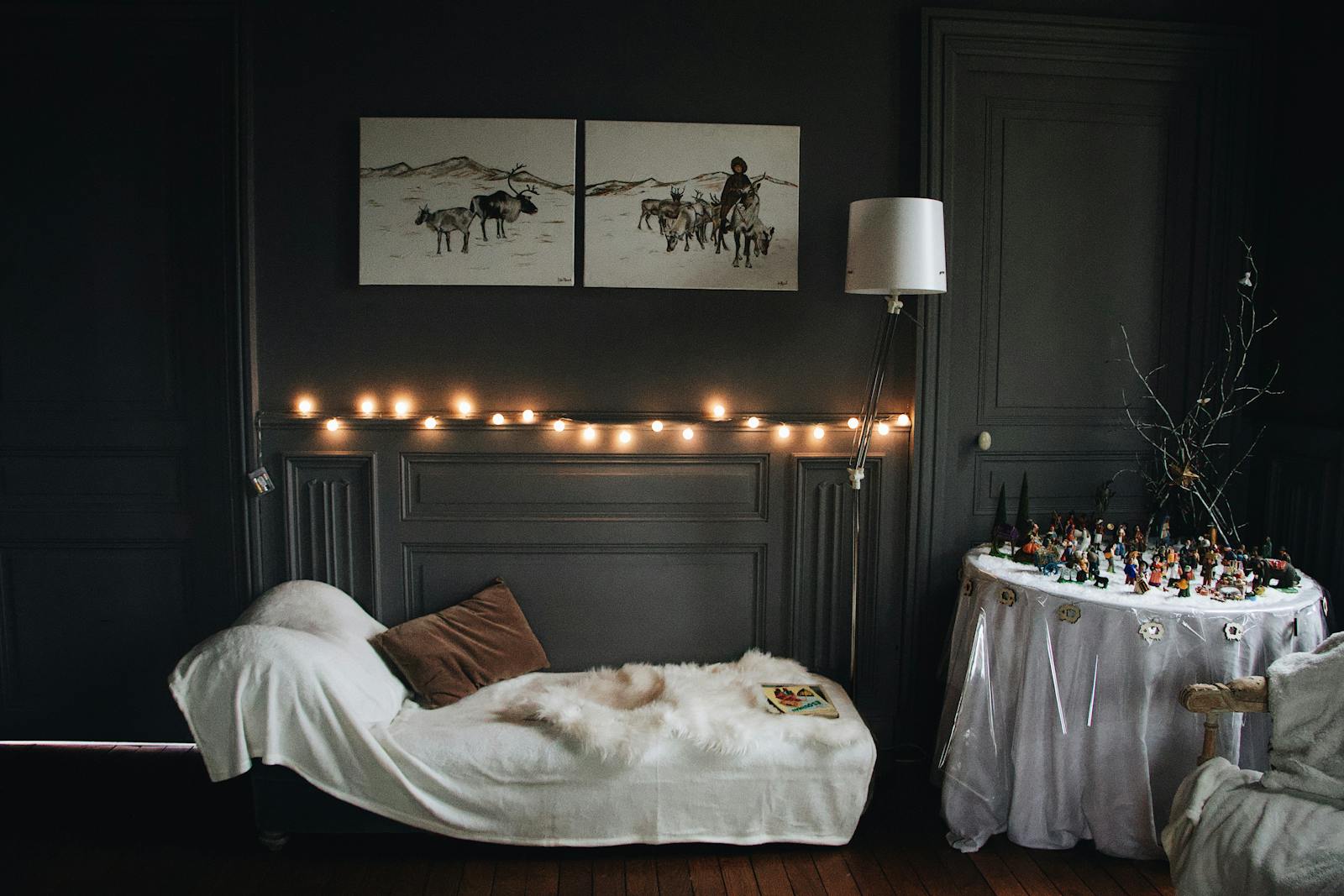
Dark walls and trim make dust, lint, and even tiny scratches jump out, so rooms can look dirty shortly after you finish cleaning. Design pros note that deep hues and saturated finishes are among the design choices that will make home dirtier faster because every pale speck contrasts sharply with the background. When sunlight or overhead lighting hits a navy or charcoal wall, it highlights streaks from wipedown marks and any missed cobwebs.
For you, that means dark accent walls, black doors, and espresso trim demand more frequent dusting and careful touch-ups to look polished. If you love moody color, consider using it on smaller surfaces, like a single feature wall, and pairing it with satin or matte finishes that hide minor imperfections better than high gloss. Balancing darker paint with lighter furnishings can also soften the visual impact of everyday dust.
2) Textured Wall Finishes
Textured wall finishes, such as heavy knockdown, faux plaster, or patterned treatments, trap dust and grime in every ridge. Experts flag rough or patterned textures as a design feature that makes a home look dirtier because dirt settles into crevices that a quick wipe cannot reach. Even when you clean, the surface can still read as shadowy or dingy, especially in hallways and stairwells.
In practical terms, textured walls often require vacuuming with a brush attachment or careful scrubbing to dislodge buildup, which is easy to skip during routine cleaning. Over time, those missed layers create a gray cast that suggests neglect. If you are renovating, opting for smoother drywall or subtle texture keeps walls easier to maintain and helps your cleaning efforts look more complete.
3) Carpeted Floors in High-Traffic Areas
Carpeted floors in busy zones like hallways, family rooms, and stairs quickly show wear, even when you vacuum often. Reporting on common cleaning mistakes notes that carpets overflowing with dust and debris make your home look dirty because fibers hold onto soil, pet dander, and crumbs. Thick pile also mats down along traffic paths, creating dark lanes that read as grime even when the rest of the room is tidy.
For households with kids, pets, or frequent guests, this visual wear can undermine hours of cleaning elsewhere. Swapping wall-to-wall carpet for hard flooring in entryways and main corridors, then using washable rugs, keeps dirt on removable layers. If replacing flooring is not an option, regular deep extraction cleaning and strict no-shoes rules help carpets look fresher and prevent that permanently dingy appearance.
4) Heavy Drapes or Curtains
Heavy drapes or layered curtains act like dust filters, catching airborne particles on every fold. Design specialists point out that everyday habits and small design choices can make a space look dirtier, and bulky fabric window coverings are a prime example. As dust settles, the fabric takes on a dull, gray film that makes the entire room feel stale, even if your floors and furniture are spotless.
Because drapes are cumbersome to remove and wash, they are often cleaned less frequently than other textiles, which compounds the problem. Choosing lighter-weight curtains you can launder at home, or switching to blinds that wipe down easily, keeps window areas from broadcasting neglect. If you prefer the look of full drapery, scheduling seasonal vacuuming with an upholstery attachment helps maintain a crisper, cleaner impression.
5) Glossy or Metallic Hardware
Glossy or metallic hardware on cabinets and doors shows every fingerprint, smudge, and splash. Design pros warn that finishes that highlight daily mess undermine a clean look because oils from your hands leave visible marks after just a few uses. Polished chrome, brass, and high-gloss black pulls can look streaky within hours, especially in kitchens and bathrooms where moisture and cooking residue are common.
For you, that means even a freshly scrubbed room can appear grimy if the hardware is dotted with prints. Swapping to satin, brushed, or matte finishes reduces the contrast so minor smudges are less obvious between cleanings. When replacing hardware is not feasible, keeping a small microfiber cloth and gentle cleaner under the sink for quick wipe-downs helps maintain a consistently tidy impression.
6) Low or Directional Lighting
Low or directional lighting can unintentionally spotlight dust and grime while leaving other areas in murky shadow. Design experts note that one forgotten area can make your whole kitchen look dirty, and poor lighting often hides those zones until guests notice them. Spotlights grazing across a wall or cabinet front exaggerate streaks, grease splatters, and uneven paint, making surfaces appear less clean than they are.
At the same time, dim corners become dust traps because you simply do not see buildup during everyday cleaning. Upgrading to layered lighting, with a mix of ambient, task, and under-cabinet fixtures, distributes light more evenly so dirt is easier to spot and remove. Choosing bulbs with a neutral color temperature also prevents yellow or blue casts that can make white surfaces look dingy.
7) Accumulated Clutter on Surfaces
Accumulated clutter on counters, nightstands, and coffee tables instantly makes a room feel messy, even if the underlying surfaces are clean. Professional cleaners explain that piles of items block cleaning access and create an illusion of overall disorder. When mail, chargers, cosmetics, and toys cover every flat area, dust collects around and under them, and you are less likely to move everything for a proper wipe-down.
Beyond aesthetics, clutter also slows down any help you hire, since they must sort or shift items before they can actually clean. Establishing simple drop zones, like baskets for mail and trays for keys, keeps surfaces mostly clear so a quick pass with a cloth restores order. The visual payoff is significant, making your home read as cleaner with far less effort.
8) Pet Hair on Furniture
Pet hair on sofas, rugs, and bedding gives rooms a fuzzy, dusty look that lingers even after you vacuum the floors. House cleaners emphasize that shedding fur clings to everything, especially textured fabrics and soft furnishings. Light-colored hair on dark upholstery, or dark hair on pale textiles, is particularly noticeable and can make guests assume you rarely clean.
For pet owners, this means regular vacuuming alone is not enough. Lint rollers, rubber grooming gloves, and upholstery attachments become essential tools between deeper cleans. Choosing tightly woven fabrics and removable, washable slipcovers for high-use seating can dramatically reduce the visual impact of shedding, helping your home look fresher even when your dog or cat spends all day on the couch.
9) Hard Water Stains in Bathrooms
Hard water stains on shower doors, faucets, and tiles create a spotted, cloudy film that reads as dirt, no matter how recently you scrubbed. Cleaners report that soiled, dirty or dusty fabrics are not the only culprit, because mineral deposits also make pristine spaces look neglected. White crust around fixtures and streaks on glass suggest soap scum and buildup, even when the surfaces are sanitized.
These deposits are stubborn, so quick wipe-downs rarely remove them once they set. Using a squeegee after showers, along with regular descaling products, keeps glass and chrome clear so the bathroom feels brighter and cleaner. If your water is particularly hard, installing a simple showerhead filter can reduce new staining and protect the effort you put into deep cleaning.
10) Grease Buildup on Kitchen Appliances
Grease buildup on stoves, range hoods, and cabinet fronts gives the entire kitchen a sticky, dull sheen. House cleaners warn that finishes that retain fingerprints or smudges make spaces look dirtier instead of cleaner, and cooking residues are a major offender. Even a thin film of oil attracts dust, turning stainless steel and painted surfaces into magnetized grime collectors.
Because you use the kitchen daily, this buildup accumulates quickly, especially around knobs, handles, and vent filters. Wiping appliances with a degreaser after heavy cooking sessions and scheduling regular cleanings for hood filters prevents that perpetual haze. Choosing smooth cabinet fronts that are easy to wipe, as highlighted by designer Christopher Boutlier and others, also helps your kitchen maintain a crisp, freshly cleaned appearance.
11) Stained Upholstery Fabrics
Stained upholstery fabrics quietly drag down the look of an otherwise tidy room. Cleaning professionals note that everyday habits like eating on the sofa or letting pets nap on chairs lead to spills that dark or patterned sofas may hide at first. Over time, those spots show up as faded, dirty patches, making the entire piece of furniture appear worn and unclean.
Since sofas and armchairs dominate living spaces, their condition heavily influences how guests judge your home’s cleanliness. Treating stains promptly, using washable throws on high-traffic seats, and choosing performance fabrics that resist moisture and dirt all help preserve a fresher look. When upholstery is beyond saving, even a simple slipcover can reset the visual baseline and make the room feel newly maintained.
12) Tracked-In Dirt at Entrances
Tracked-in dirt at entrances spreads quickly, making floors look perpetually muddy no matter how often you mop. House cleaners consistently recommend entry mats because shoe-tread soil spreads quickly from doorways into living areas. Grit and moisture grind into flooring, leaving scuffs on hardwood and dark stains on grout that signal neglect even in otherwise clean rooms.
Since everyone passes through these zones, the visual impact is immediate for guests. Setting up a clear landing area with sturdy outdoor and indoor mats, a shoe rack, and a bench encourages people to remove shoes and contain debris. Regularly shaking out or washing mats keeps them from becoming another dirty surface, helping your whole home look cleaner from the moment someone steps inside.