After a big life change, your space often feels out of sync with who you are now. Decluttering specific categories helps you reset faster, reduce decision fatigue, and make room for what actually supports your next chapter. Use these 12 targeted areas as a checklist so your home, schedule, and daily habits match the life you are building, not the one you just left.

1) Clothes That Belong To Your “Old Life”
Clothes that no longer fit your lifestyle are one of the first things to declutter after a major shift. If you have changed jobs, retired, or moved climates, a closet full of outdated suits, worn-out scrubs, or heavy coats you never wear only slows you down each morning. Guidance on how often to clean out your closet emphasizes that regular edits keep your wardrobe aligned with how you actually live, not how you used to live. After a big change, that alignment becomes even more urgent.
Letting go of “old life” clothes also has emotional stakes. Keeping stacks of maternity jeans after you are done having children, or hanging on to a row of corporate blazers after you switch to remote work, can quietly anchor you to a version of yourself you have already outgrown. Curating a smaller, current wardrobe makes daily decisions easier and signals to your brain that it is safe to move forward. Donate anything that no longer fits your body, climate, or identity, and keep only what you would happily wear into this new season.
2) Duplicates And “Just In Case” Kitchen Gear
Kitchen drawers often reveal how much your life has changed. After a divorce, a move, or kids leaving home, you may no longer need four cutting boards, three colanders, and a full set of wineglasses for entertaining. Duplicates and “just in case” gadgets crowd out the tools you actually use, making everyday cooking feel more chaotic than it needs to be. When your routines shift, your kitchen should shrink or expand to match, instead of preserving a past hosting style or family size.
Clearing these extras has practical and emotional benefits. Fewer items mean faster cleanup and less visual noise, which matters when you are already managing the mental load of a big transition. It also helps you see what is missing for your new reality, whether that is a good nonstick pan for solo meals or sturdy lunch containers for a new commute. Keep one reliable version of each tool, let go of the rest, and treat the freed-up space as a concrete sign that your home is catching up with your life.
3) Paperwork From A Closed Chapter

Paper clutter quietly accumulates through every life stage, and a major change is the moment to question what still deserves space. Old lease agreements, expired insurance policies, and manuals for appliances you no longer own can usually be shredded once you confirm there is no legal or financial reason to keep them. After a divorce or job change, you may also be holding on to outdated contracts, benefit packets, or joint financial statements that belong to a chapter that has ended.
The stakes here are both practical and psychological. Outdated paperwork makes it harder to find the documents you actually need, such as current tax records or medical information, at exactly the moment you may be filling out new forms or renegotiating services. Emotionally, thick folders tied to a former employer, a previous address, or a past relationship can keep you mentally anchored to obligations that no longer exist. Create a small, clearly labeled file system for what is still relevant and shred the rest, so your desk reflects the life you are managing now.
4) Sentimental Items That Feel Heavy, Not Helpful
After a big life change, sentimental clutter can either comfort you or keep you stuck. Boxes of wedding favors after a divorce, stacks of school projects after a child moves out, or souvenirs from a city you left under stressful circumstances may no longer feel like happy memories. Instead, they can trigger grief every time you open a closet. Decluttering does not mean erasing your past, but it does mean choosing which physical reminders still support your emotional health.
Thoughtfully editing these items has real stakes for your ability to move forward. Keeping everything “just in case” often turns storage spaces into archives of unresolved feelings, which can make your home feel more like a museum than a place to rest. Start by identifying what genuinely makes you smile, then photograph or digitize the rest before letting it go. A small box of meaningful mementos, intentionally chosen, honors your story without overwhelming your present.
5) Digital Files And Apps You No Longer Need
Big life changes often come with new email addresses, logins, and digital workflows, yet old accounts and files tend to linger. Inboxes full of newsletters from a previous industry, folders of outdated client work, and unused apps tied to a former routine all create digital noise. Over time, that clutter makes it harder to find the documents and tools that matter for your current goals, especially when you are already juggling new responsibilities.
Cleaning up your digital life has stakes beyond aesthetics. Old cloud backups and redundant photo libraries can cost money, while unused productivity apps may still be pulling subscription fees each month. Deleting what no longer serves you, from abandoned project folders to social media accounts you have outgrown, reduces distraction and potential privacy risks. Curate your home screen so only the apps that support your new chapter, such as a budgeting tool after a financial reset or a meditation app during a health change, are front and center.
6) Subscriptions And Memberships That No Longer Fit
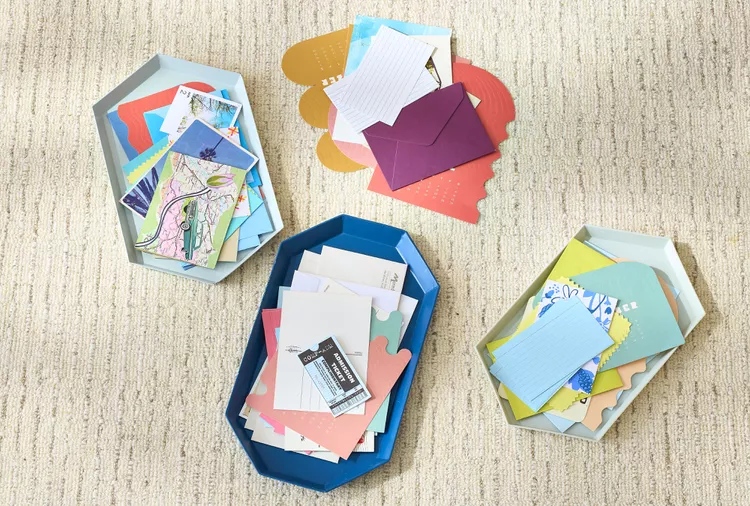
After a major transition, recurring subscriptions are easy to overlook yet powerful to reassess. Gym memberships near an old office, streaming services you signed up for during a different phase, and subscription boxes tailored to a past hobby can quietly drain your budget. Advice on removing things from your life often highlights the importance of editing not just physical items but also ongoing commitments that no longer match your priorities.
The stakes are financial and psychological. Every unused membership is money that could support new goals, whether that is building an emergency fund after a job loss or investing in classes for a career pivot. There is also a mental cost to seeing charges for services you do not use, which can reinforce a sense of being behind or disorganized. Schedule a focused hour to audit your bank and app-store statements, cancel what no longer fits, and intentionally choose any new subscriptions that align with where you are headed.
7) Outdated Work Supplies And Office Files
Career changes, promotions, or retirement often leave behind a trail of office clutter. Old notebooks filled with notes from roles you have left, stacks of printed presentations, and branded swag from previous employers can quickly overwhelm a home office. When your professional identity shifts, keeping a workspace dominated by past projects can make it harder to focus on the work in front of you.
Decluttering these items has clear stakes for productivity and mindset. A desk covered in outdated materials increases visual stress and makes it harder to locate the tools you actually need, such as current project folders or reference books for a new field. It can also subtly reinforce imposter feelings if your surroundings do not match your new responsibilities. Keep a small archive of key documents that might be useful for your portfolio or records, recycle the rest, and set up your workspace to reflect the role you hold now, not the one you left.
8) Bathroom Products Past Their Prime
Life transitions often come with new routines, medications, or skincare needs, yet bathroom cabinets rarely get a full reset. Expired sunscreen, half-used hair products from a style you no longer wear, and makeup that predates a major move or health change can all linger for years. These items take up space and may no longer be safe or effective, especially if they have been opened for a long time.
The stakes here include both health and daily efficiency. Using old products can irritate skin or fail to provide the protection you expect, while digging through cluttered drawers each morning adds unnecessary friction to your routine. After a big change, whether it is a new job schedule or a medical diagnosis, you need your bathroom to support you, not slow you down. Toss anything expired or unused, then organize what remains so the products that fit your current needs are easy to reach.
9) Bags, Purses, And Their Hidden Clutter

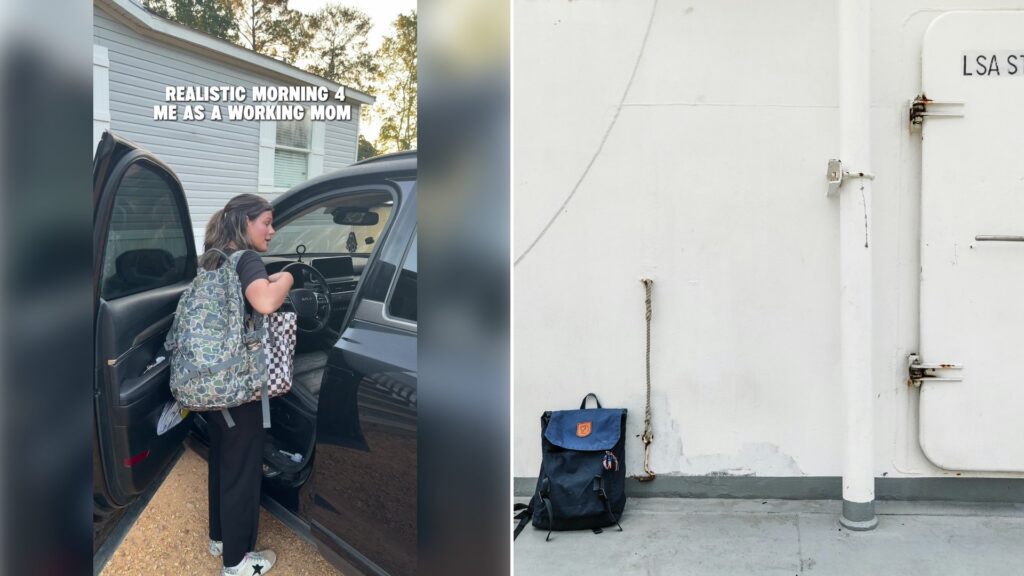
Bags and backpacks often become time capsules of your previous life stage. A diaper bag full of toddler snacks long after your child is in school, a work tote stuffed with old access badges, or a travel backpack still holding boarding passes from a move can all weigh you down. When your daily routine changes, the contents of your bags should change with it, yet they are often the last things people declutter.
Organizing these items has practical stakes for your time and stress levels. Constantly digging for keys, medication, or a transit card in a messy bag can make every commute or school run feel more frantic. Tools designed to organize messy bags show how much smoother daily life becomes when everything has a clear place. Empty each bag completely, discard old receipts and trash, and rebuild the contents around your current routine so you can grab what you need without a daily scavenger hunt.
10) Furniture That No Longer Fits Your Space
After a move, breakup, or kids leaving home, certain furniture pieces may no longer make sense. Oversized sectionals that dominated a former living room, extra dressers from a shared bedroom, or a large dining table meant for big family gatherings can overwhelm a smaller space or feel emotionally loaded. Keeping furniture that does not fit physically or emotionally can prevent you from fully settling into your new environment.
The stakes are both spatial and psychological. Bulky or mismatched pieces limit how you use your rooms, making it harder to create zones for work, rest, or hobbies that support your new life. They can also carry memories that feel out of step with where you are now, such as a bed frame tied to a difficult relationship. Selling, donating, or repurposing these items opens up literal and mental space, allowing you to arrange your home around how you live today instead of how you lived before.
11) Hobbies And Craft Supplies You Have Outgrown
Big life changes often shift how you spend your free time. You might have less bandwidth for elaborate crafts after becoming a caregiver, or more time for outdoor activities after retirement. Yet closets and bins can remain packed with yarn, scrapbooking paper, or specialized tools for hobbies you have not touched in years. These supplies take up space and can quietly guilt you every time you see them.
Decluttering unused hobby materials has stakes for both creativity and clarity. When your storage is dominated by past interests, it is harder to see what you are genuinely excited about now, whether that is learning guitar, joining a hiking group, or simply reading more. Letting go of old projects you no longer intend to finish frees up room for supplies that match your current energy and schedule. You can donate materials to schools, community centers, or local groups, turning your unused stash into resources for someone else’s new chapter.
12) Old Calendars, To-Do Lists, And Planning Systems
After a major transition, your time management needs often change dramatically. A wall calendar filled with kids’ activities after they have moved out, a planner structured around a job you no longer have, or a task app overloaded with outdated projects can all keep you mentally tied to a schedule that no longer exists. These planning tools shape how you see your days, so outdated ones can distort your sense of what actually demands your attention.
Clearing and resetting your planning systems has high stakes for how you navigate the new phase. If your calendar is cluttered with recurring reminders that no longer apply, you are more likely to miss the commitments that do matter, such as medical appointments, job interviews, or legal deadlines tied to your life change. Archive old lists, delete obsolete recurring tasks, and set up a fresh calendar that reflects your current responsibilities and goals. This simple reset helps your time, like your space, line up with the life you are living now.
More from Decluttering Mom: