
January is the perfect time to reset your home by decluttering the things that quietly drain space and energy. Starting the year by editing what you own helps you see what you actually use, simplifies daily routines, and supports healthier habits. These 12 categories, drawn from professional organizers and home experts, give you a focused checklist of what to clear out every January so your home feels lighter and more intentional all year.
1) Expired Pantry Staples
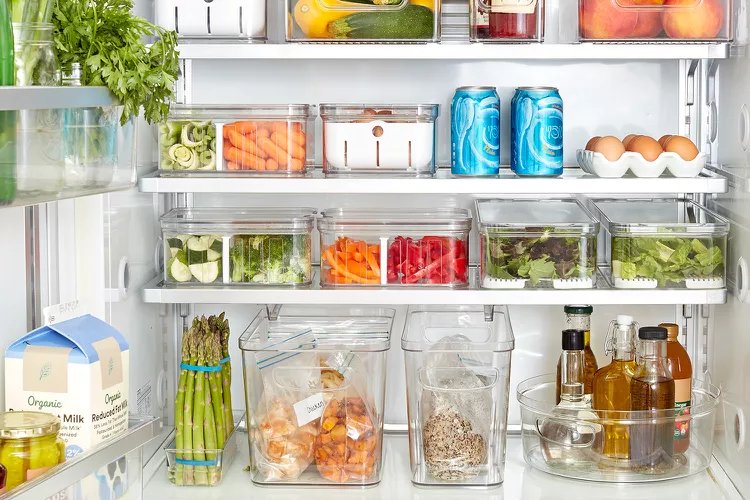
Expired pantry staples are one of the easiest and most impactful things to declutter every January. Food safety experts consistently warn that outdated canned goods, boxed mixes, and grains can lose quality and, in some cases, become unsafe, which is why guidance on kitchen items to throw away now urges you to check dates and condition. Start with shelves where items get pushed to the back, like baking supplies, oils, and snacks, and pull everything out so you can see what you have.
As you sort, look for bulging cans, torn packaging, and anything past its “use by” date, and discard those immediately. This is also the moment to let go of specialty ingredients you tried once and never touched again. Clearing expired pantry staples not only protects your health, it also reveals what you actually cook with, which can sharpen your grocery list and reduce food waste in the year ahead.
2) Duplicate Utensils and Gadgets
Duplicate utensils and gadgets quietly crowd drawers and countertops, making everyday cooking feel more chaotic than it needs to be. Decluttering experts who focus on kitchen efficiency note that duplicate spoons, spatulas, and other tools are prime candidates to go, especially when they are rarely used. Lay out all your ladles, tongs, peelers, and measuring cups, then choose your one or two best versions of each and set the rest aside for donation or recycling.
Professional organizers also point out that “just in case” gadgets, like extra garlic presses or novelty slicers, often sit untouched for years. Removing these duplicates frees up space for items you reach for daily, such as a sharp chef’s knife or sturdy cutting board. The broader trend here is toward streamlined, multiuse tools rather than cluttered drawers full of single-task gadgets, which makes meal prep faster and your kitchen easier to clean.
3) Old Spices and Condiments
Old spices and condiments are another January decluttering priority because they directly affect how your food tastes. Storage guidance on items cluttering up your kitchen singles out Old Spices and Takeout Condiment Packets and Menus as classic examples of things people keep long after they have lost their punch. Ground spices typically fade within one to three years, and oils, sauces, and dressings can go rancid or separate in ways that no amount of shaking will fix.
To reset, pull every jar and bottle from your spice rack and refrigerator door, check dates, and give older items a sniff test. If the aroma is weak or off, it is time to toss. Clearing out these stale flavorings makes room for fresh cumin, paprika, soy sauce, and hot sauce that actually elevate your cooking. On a larger scale, this habit supports better nutrition, because you are more likely to cook at home when your ingredients taste good.
4) Holiday Decorations
Holiday decorations can easily overrun storage spaces if you never edit what you own, which is why professional organizers list them among the key areas to tackle in January. Advice on things you need to organize in your home for January emphasizes boxing up seasonal items promptly and deciding what truly deserves space until next year. As you pack away ornaments, lights, and tabletop decor, separate broken items, duplicates, and pieces you did not use this season.
Instead of reflexively keeping every strand of lights or every novelty mug, ask whether you would buy it again today. Donate intact items that no longer fit your style and recycle what is damaged beyond repair. This annual edit keeps your holiday bins manageable and prevents garages, attics, and closets from filling with decor you have emotionally moved on from. It also makes next year’s decorating faster, because you will only be unpacking pieces you genuinely like.
5) Closet Wardrobe Overhaul
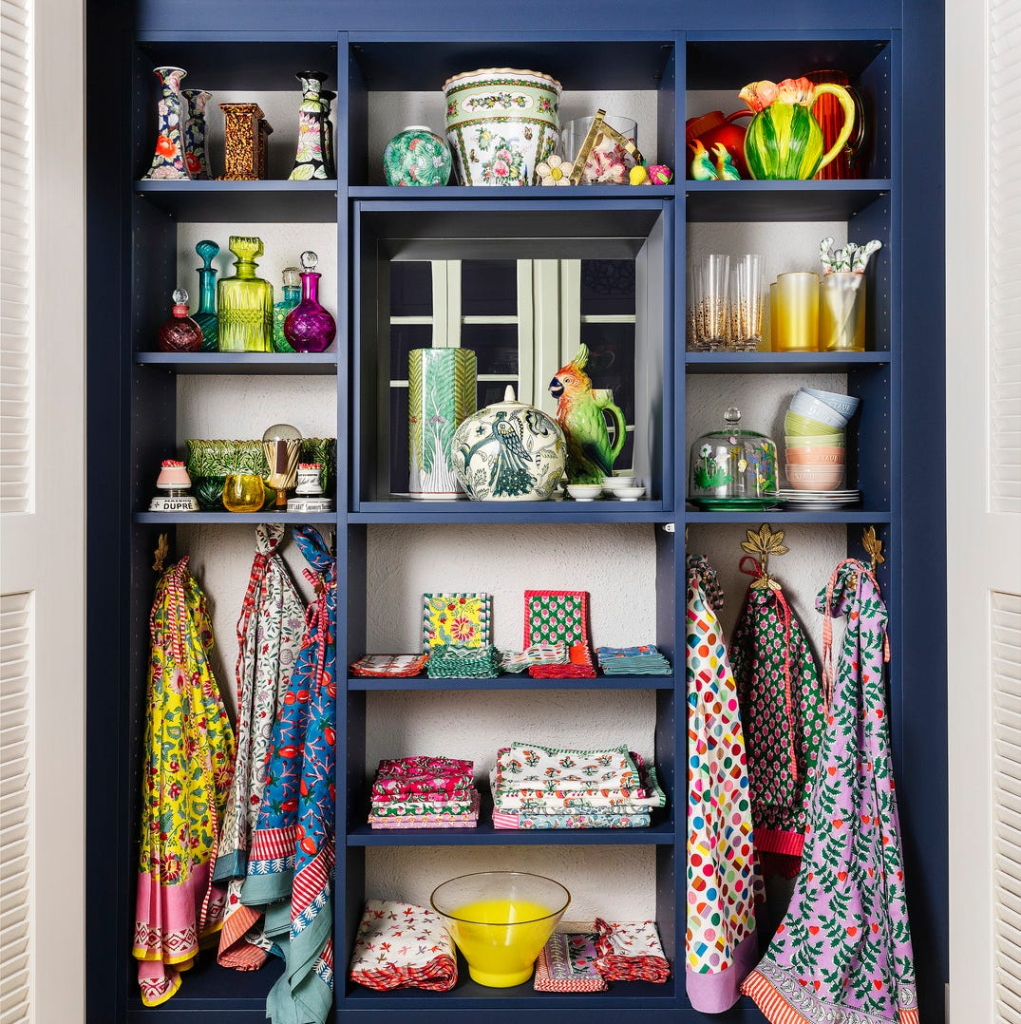
A closet wardrobe overhaul each January helps you start the year with clothes that actually fit your life. Organizing checklists that outline Clothes You No Longer Wear as a top category to purge align with pro advice to review every hanger at least once a year. Begin by pulling out anything you did not wear in the last season, items that are uncomfortable, and pieces that need repairs you realistically will not do.
From there, sort into clear piles: donate, sell, tailor, or recycle. Keeping only what fits and feels good reduces decision fatigue each morning and highlights gaps you may want to fill, such as a reliable winter coat or work-appropriate shoes. On a broader level, this habit pushes back against overconsumption by encouraging you to shop your own closet first and send usable garments back into circulation instead of letting them stagnate on a crowded rod.
6) Paperwork and Files
Paperwork and files tend to pile up quietly, which is why organizers consistently recommend a January sweep. Guidance on things to declutter this year highlights the value of reviewing documents and removing extras you rarely need, then choosing what to Donate or shred. Start with obvious clutter like Old Magazines and Newspapers, expired coupons, and duplicate statements, and create a small “to file” stack for anything that truly needs to be kept.
Once the excess is gone, set up simple categories such as taxes, medical, home, and school so new papers have a clear landing spot. Many people also scan key documents and store them securely online to reduce physical volume. The stakes here go beyond aesthetics: streamlined files make it easier to find insurance information in an emergency, prepare taxes on time, and avoid missed payments or fees because a bill disappeared into a paper pile.
7) Bathroom Essentials
Bathroom essentials, from toiletries to linens, benefit from a yearly reset to keep the space hygienic and functional. Organizing advice that lists January tasks professional organizers always do includes editing expired skincare, half-used products, and worn-out towels. Begin by checking dates on medications, sunscreen, and cosmetics, since expired formulas can irritate skin or lose effectiveness, especially products like SPF and acne treatments.
Next, look at duplicates such as multiple open shampoos or Unwanted Skincare samples you tried once and disliked, a category also flagged in Things Pro Organizers Will Always Toss In January. Consolidate what you can, toss what you will not use, and donate unopened items to local shelters when appropriate. Releasing this clutter frees up cabinet and drawer space, makes your morning routine smoother, and reduces the risk of using products that no longer perform as intended.
8) Digital Files and Devices
Digital files and devices may not take up physical space, but they create significant mental clutter if you never clear them out. Experts who outline organizing habits for the new year consistently include digital cleanups alongside physical decluttering. Start by deleting blurry photos, duplicate screenshots, and unused videos from your phone, then move on to your laptop or tablet to remove outdated downloads and documents you no longer need.
January is also a smart time to review apps on your devices and uninstall anything you have not opened in months, from old games to redundant note tools. Clearing storage improves performance and can extend the life of your hardware, delaying the need for new purchases. On a broader level, organizing your digital life, including backing up important files to the cloud, reduces stress and makes it easier to focus on meaningful work instead of hunting through cluttered folders.
9) Leftover Holiday Wrapping
Leftover holiday wrapping, including crumpled paper, bent gift bags, and tangled ribbons, often lingers long after celebrations end. Lists of things to toss in January specifically call out Holiday Cards and other seasonal paper goods as clutter that should not stick around indefinitely. Begin by gathering all wrapping supplies into one spot, then sort out anything torn, too small to be useful, or stained with tape and labels.
Keep a curated selection of sturdy gift bags, neutral tissue paper, and quality ribbon that can work for birthdays and other events throughout the year. Recycle what you can and discard the rest, being mindful that some metallic or glittery papers may not be recyclable. This small project has outsized impact, freeing up closet shelves and preventing you from buying more supplies simply because you cannot see what you already own.
10) Outdated Calendars and Planners
Outdated calendars and planners are easy to overlook, yet they quietly anchor you to last year’s schedule and obligations. Organizing rundowns that group Paperwork with other items in Things Pro Organizers Will Always Toss In January underscore that old planning tools rarely need to be kept. Once tax-related dates or key medical appointments have been recorded elsewhere, most wall calendars and daily planners can be recycled.
Before you let them go, quickly scan for any information you still need, such as confirmation numbers or contact details, and transfer those to your new system. Then, clear your desk, fridge, and bags of last year’s paper planners and pocket calendars. This simple act signals a psychological fresh start and makes room for updated tools, whether that is a new paper planner or a digital app, so your focus stays on the year ahead rather than what has already passed.
11) Sentimental Keepsakes Like Old Letters
Sentimental keepsakes like old letters can feel almost “illegal” to declutter, yet experts argue it is healthy to let some of them go. Guidance that explicitly addresses official permission to let go of cherished things explains that emotional value does not obligate you to keep every item forever. Start by gathering cards, childhood notes, and school papers into one place, then choose a small number that truly capture important relationships or milestones.
For the rest, consider taking photos or scanning pages so you preserve the memory without storing every envelope. Some people create a single “memory box” per decade or family member to impose a gentle limit. The broader trend here is toward intentional memory keeping rather than default hoarding, recognizing that a curated collection of letters can be more meaningful and easier to revisit than several overflowing bins you never open.
12) Inherited or Gifted Items
Inherited or gifted items often carry layers of obligation, which is why they are among the hardest things to declutter each January. The same guidance on cherished things that are okay to release stresses that you are not required to keep objects simply because they once belonged to a relative or were expensive presents. Begin by identifying pieces you store out of guilt rather than genuine affection, such as a heavy china set you never use or decor that does not suit your style.
Once you acknowledge that the person who gave the item likely wanted you to be happy, it becomes easier to pass it on through donation, resale, or gifting to someone who will appreciate it. Keeping only inherited or gifted items that actively enrich your daily life honors both your space and the original owner. Over time, this approach shifts your home from a storage unit for other people’s choices to a reflection of your own values and needs.
More from Decluttering Mom: