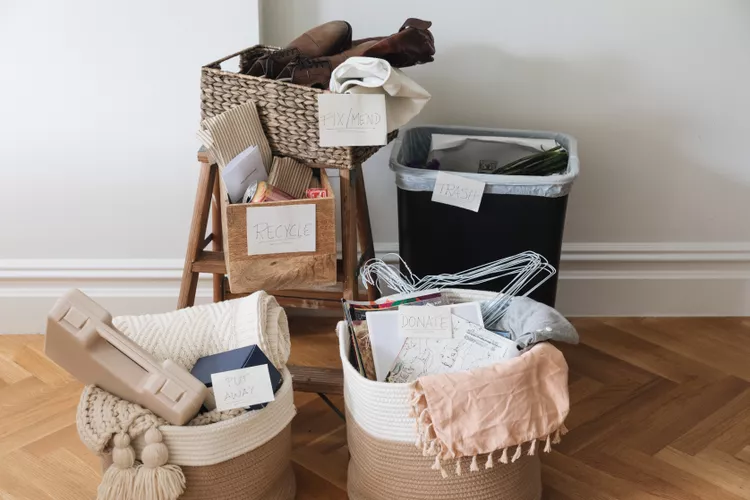
A peaceful home starts with what you choose to keep in it. When you clear the items that quietly drain your energy, every room feels lighter, calmer, and easier to live in. These 12 decluttering targets focus on the things that most often block that sense of peace, and show you how to let them go without guilt.

1) Old Clothes Piling Up in Closets, as they create visual chaos that disrupts daily calm.
Old clothes piling up in your closet are classic “it feels wrong to toss this” clutter. Many people treat gifted sweaters, expensive jeans that never fit, or special-occasion outfits as untouchable, even when they have not been worn in years. Guidance on official permission to let go of cherished things stresses that emotional attachment alone is not a reason to keep every item. When you open your closet each morning, that backlog of decisions you are avoiding can spike stress and decision fatigue.
To reclaim calm, separate clothes into what you actually wear, what truly holds meaning, and what simply represents guilt or “someday.” Keeping a few deeply meaningful pieces is different from storing boxes of forgotten outfits. Donating or selling the rest turns stagnant fabric into something useful for someone else, while you gain a closet where every hanger signals ease instead of obligation. That shift in daily visual input directly supports a more peaceful home and a more focused start to your day.
2) Dusty Bookshelves Overloaded with Unread Volumes, which silently contribute to bedroom tension.
Dusty bookshelves overloaded with unread volumes can quietly undermine the restful feeling you want in a bedroom. Advice on things to get rid of in your bedroom highlights that clutter in this space is not just visual, it is psychological. Stacks of “to be read” books can feel like unfinished homework, reminding you of goals you have not met every time you try to unwind. When those shelves collect dust, they also add to the cleaning workload you mentally track but rarely tackle.
Start by separating books you genuinely plan to read soon from those you are keeping out of habit or aspiration. Move reference titles and work-related volumes to an office or living area, and limit bedside shelves to a small, current selection. Passing along novels you have finished or will never start, whether to a local library or a neighbor, reduces that sense of pressure. A calmer, less crowded bedroom backdrop supports deeper rest, which then shapes how peaceful the rest of your home feels.
3) Expired Pantry Staples Before a Trip, to avoid return-home overwhelm from neglected spaces.
Expired pantry staples are easy to ignore until you are rushing to pack for a trip and realize half your shelves are filled with stale snacks and outdated cans. Travel-focused decluttering advice on what to toss before vacation emphasizes clearing obvious trash and expired food before you leave. When you remove old spices, rancid oils, and long-forgotten crackers, you cut down on odors, pests, and the visual noise that greets you when you return.
Doing a quick sweep for expiration dates as part of your pre-trip checklist also has emotional benefits. Instead of coming home to a pantry that feels like a neglected project, you open the door to shelves that are already edited and ready for simple meals. That matters on the first night back, when you are tired and more likely to feel overwhelmed by mess. Regularly pairing travel prep with pantry checks keeps this zone from becoming a long-term stressor and reinforces the habit of maintaining a peaceful, functional kitchen.
4) Sentimental Mementos Gathering Dust, that hold onto past emotions blocking present peace.
Sentimental mementos gathering dust, from childhood trophies to stacks of old birthday cards, often feel like the hardest category to declutter. Guidance on things that feel illegal to declutter explains that emotional barriers, not practical value, usually keep these objects in place. You may fear that letting go of a souvenir or program means erasing the memory or disrespecting the person who gave it to you. As these items accumulate, they can dominate shelves and drawers, turning your home into a storage unit for the past.
To protect your peace, focus on curating rather than hoarding memories. Choose a limited number of items that genuinely spark warmth when you see them, and consider photographing others before recycling or donating them. Creating a small memory box or a single gallery shelf honors your history without allowing it to overwhelm your present space. This intentional editing makes room for new experiences and reduces the subtle emotional weight that comes from living among piles of unresolved nostalgia.
5) Electronics Cables and Chargers in Drawers, fostering subtle anxiety in sleeping areas.
Electronics cables and chargers tangled in bedroom drawers are another source of quiet stress. Advice on bedroom clutter that is “quietly stressing you out” notes that visual and hidden mess both contribute to mental overload, and a drawer stuffed with random cords is a prime example. Old phone chargers, mystery USB cables, and obsolete adapters create a sense of chaos every time you open the drawer, even if you quickly slam it shut again. That background disorder undermines the bedroom’s role as a place for rest.
Sorting these items into “currently used,” “maybe useful,” and “definitely obsolete” categories can quickly restore order. Keep only the cables that match devices you actually own, and store them in labeled pouches or small boxes so they are easy to find. Recycle outdated electronics responsibly instead of letting them migrate from drawer to drawer. When your nightstand and dresser hold only what you need, you remove one more layer of low-level anxiety and support a calmer nightly routine.
6) Unused Travel Souvenirs from Past Trips, cluttering shelves and inviting pre-vacation stress.
Unused travel souvenirs from past trips, such as novelty mugs you never drink from or decorative plates you never display, can quietly crowd your shelves. Pre-trip decluttering advice that focuses on what to clear before you travel stresses that editing visible surfaces reduces the sense of chaos you feel when packing and planning. When every ledge is lined with trinkets, dusting becomes harder, and you may even hesitate to bring home new items because you know there is no space left.
To keep your home peaceful, decide which souvenirs still reflect your current taste and which simply represent the fact that you went somewhere. A single framed photo or one meaningful object from each destination often carries more emotional weight than a dozen impulse buys. Donating or gifting the rest does not erase the trip, it just frees your shelves from visual clutter. As you prepare for your next vacation, this habit also encourages you to choose future mementos more intentionally, prioritizing items that truly add to your everyday environment.
7) Faded Family Photos in Frames, that feel untouchable but weigh down living spaces.
Faded family photos in frames can feel almost sacred, which is why they often stay on walls and side tables long after they stop bringing joy. Advice on things that feel illegal to declutter explains that people frequently keep framed pictures out of obligation, even when the images are damaged or no longer reflect current relationships. The result is a visual landscape that may feel stuck in time, or even painful, instead of comforting.
Refreshing your photo displays is a powerful way to lighten the emotional tone of your home. You might scan and digitally archive older prints, then replace sun-bleached frames with updated images that reflect your life now. Rotating a small selection on a single gallery wall or shelf keeps memories present without overwhelming every surface. By giving yourself permission to store, update, or even let go of certain photos, you reclaim your living spaces as places that support who you are today, not just who you used to be.
8) Cluttered Corners After a Home Blessing, to enhance the peaceful energy from intentional rituals.
Cluttered corners that remain untouched after a home blessing can dilute the very sense of peace you are trying to cultivate. Guidance on why you should bless your home emphasizes intentional rituals that invite calm, gratitude, and protection into each room. When piles of boxes, laundry, or random storage linger in those same spaces, the physical environment conflicts with the spiritual or emotional tone you are setting, making it harder to feel the full impact of the blessing.
To align your surroundings with your intentions, pair any blessing ritual with a practical sweep of the room. Focus on corners, entryways, and surfaces where clutter tends to accumulate, and remove items that do not serve a clear purpose. Even simple actions, like clearing a hallway or emptying a chair that has become a dumping ground, can make prayers or affirmations feel more grounded. This combination of ritual and realistic tidying reinforces the message that your home is a place of care, not chaos.
9) Duplicate Kitchen Tools You Rarely Use, contrasting with pro organizer advice on keepers to clarify what to declutter.
Duplicate kitchen tools you rarely use, such as extra spatulas, multiple garlic presses, or stacks of nearly identical baking pans, quietly crowd drawers and cabinets. Professional guidance on things you should never throw away highlights that some items deserve protection during Declutter sessions because they are genuinely valuable or hard to replace. By contrast, generic duplicates with no special function or sentimental value are prime candidates for donation, especially when they make it harder to access the tools you actually rely on.
Sorting your kitchen by function helps clarify what stays and what goes. Keep high quality, multiuse tools and anything that truly earns its space in your daily cooking. Let go of backup gadgets that have not left the drawer in months, as well as novelty items that only work for one recipe you never make. A streamlined kitchen not only looks calmer, it also makes meal prep faster and less frustrating, which can significantly reduce everyday stress in a busy household.
10) Piles of Unworn Shoes Under the Bed, amplifying hidden stressors in rest zones.
Piles of unworn shoes under the bed are a classic example of hidden clutter that still affects how peaceful your bedroom feels. Advice on things you shouldn’t throw out when decluttering your bedroom underscores that editing a sleep space requires discernment, not just tossing everything. While some under-bed storage can be practical, a jumble of old sneakers, heels that hurt, and single shoes without matches traps dust and makes cleaning difficult, subtly undermining the room’s calm.
To restore order, pull every pair out and assess comfort, condition, and frequency of wear. Keep shoes that fit your current lifestyle and store them in clear bins or a simple rack so you can see what you own. Donate or recycle anything that no longer works for you, rather than letting it linger out of sight. Clearing this hidden clutter improves air flow, simplifies cleaning, and supports the idea that your bed is surrounded by intentional choices, not forgotten piles.
11) Outdated Magazines and Coupons Before Leaving Town, preventing accumulated mess upon return.
Outdated magazines and expired coupons are easy to ignore until they form teetering stacks on coffee tables and kitchen counters. Travel-focused decluttering advice on when you are overwhelmed points out that paper clutter, including old mail and flyers, is one of the fastest categories to clear before a trip. Tossing issues you will never read and coupons that are no longer valid prevents those piles from multiplying while you are away.
Before you leave town, do a quick sweep of every surface where paper tends to land. Recycle anything outdated, file only what you truly need, and consider switching some subscriptions to digital formats to reduce future buildup. Returning to a home where flat surfaces are clear, instead of buried under weeks of print clutter, makes unpacking and resetting far less stressful. This small habit supports a more peaceful transition between travel and everyday life.
12) Heirlooms You’ve Outgrown, granting official permission to release for a lighter, more serene home.
Heirlooms you have outgrown, such as furniture that does not fit your space or china you never use, can feel like the ultimate “illegal” items to declutter. Guidance that encourages you to release the burden of objects that no longer serve you stresses that Decluterring habits that feel illegal are not actually forbidden. Donating gifts you do not use, Getting rid of random cords and remotes, and Tossing the phone box are all framed as reasonable choices that free your home and mind.
Apply that same logic to inherited pieces. Keeping one or two meaningful items, such as a ring you wear or a small table you love, honors your family history without forcing you to live in a museum. Passing along other heirlooms to relatives who will appreciate them, or selling them so they can be used elsewhere, respects both the object and your need for a serene, functional home. Giving yourself explicit permission to make these decisions is often the final step in creating the peaceful environment you want.
More from Decluttering Mom: