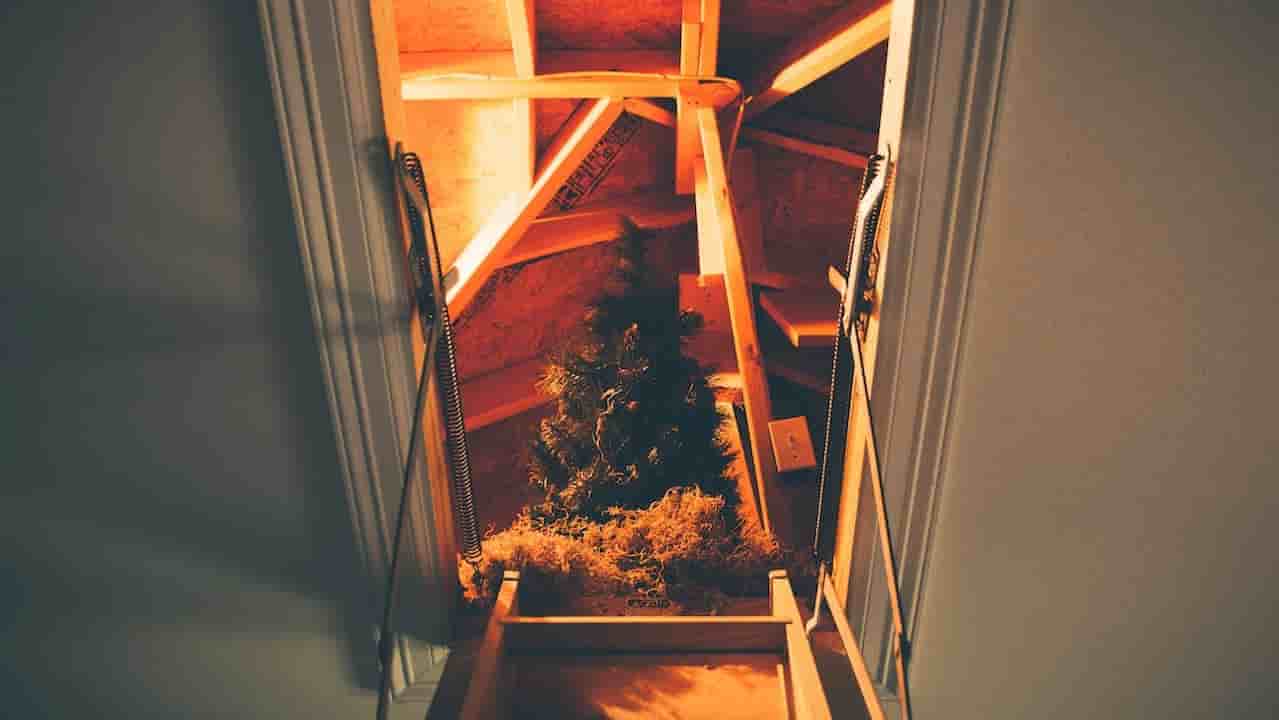
Your attic can be a tempting place to store extra items, but not everything is safe to keep up there. The temperature and humidity levels can vary widely, which can damage many types of belongings over time.
Knowing what not to store in your attic helps you protect your valuables and keep your home in good condition. Understanding these limits will save you from costly damage and frustration down the road.
Important documents like birth certificates and passports
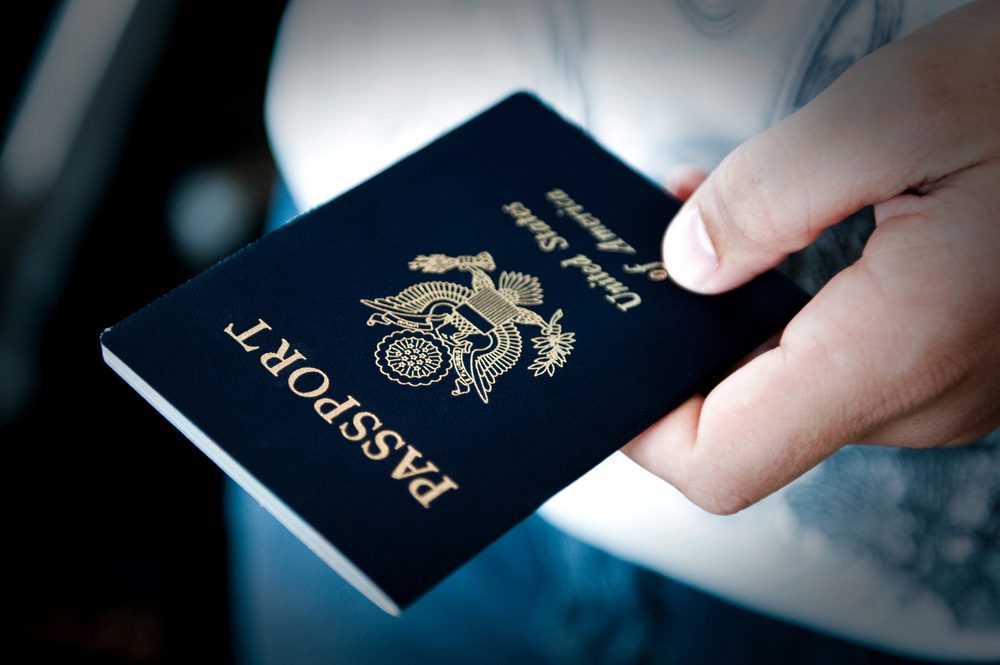
You should never store important documents like birth certificates and passports in your attic. Attics are often hot and humid, which can cause paper to deteriorate over time.
Pests like insects and rodents can also damage these valuable papers. Instead, keep your documents in a cool, dry place that’s easy to access.
Consider using a fireproof and waterproof safe to protect your documents from accidents. This way, you’ll have peace of mind knowing your important papers are safe.
Paint cans and chemicals

You should avoid storing paint cans in your attic. The temperature changes up there can cause the paint to break down or separate, making it unusable.
Chemicals like thinners, pesticides, and other hazardous materials also don’t do well in extreme heat or cold. They can become unstable or even dangerous if exposed to these conditions.
Keeping these items in a climate-controlled space is safer for both you and your belongings.
Old textbooks and beloved childhood books
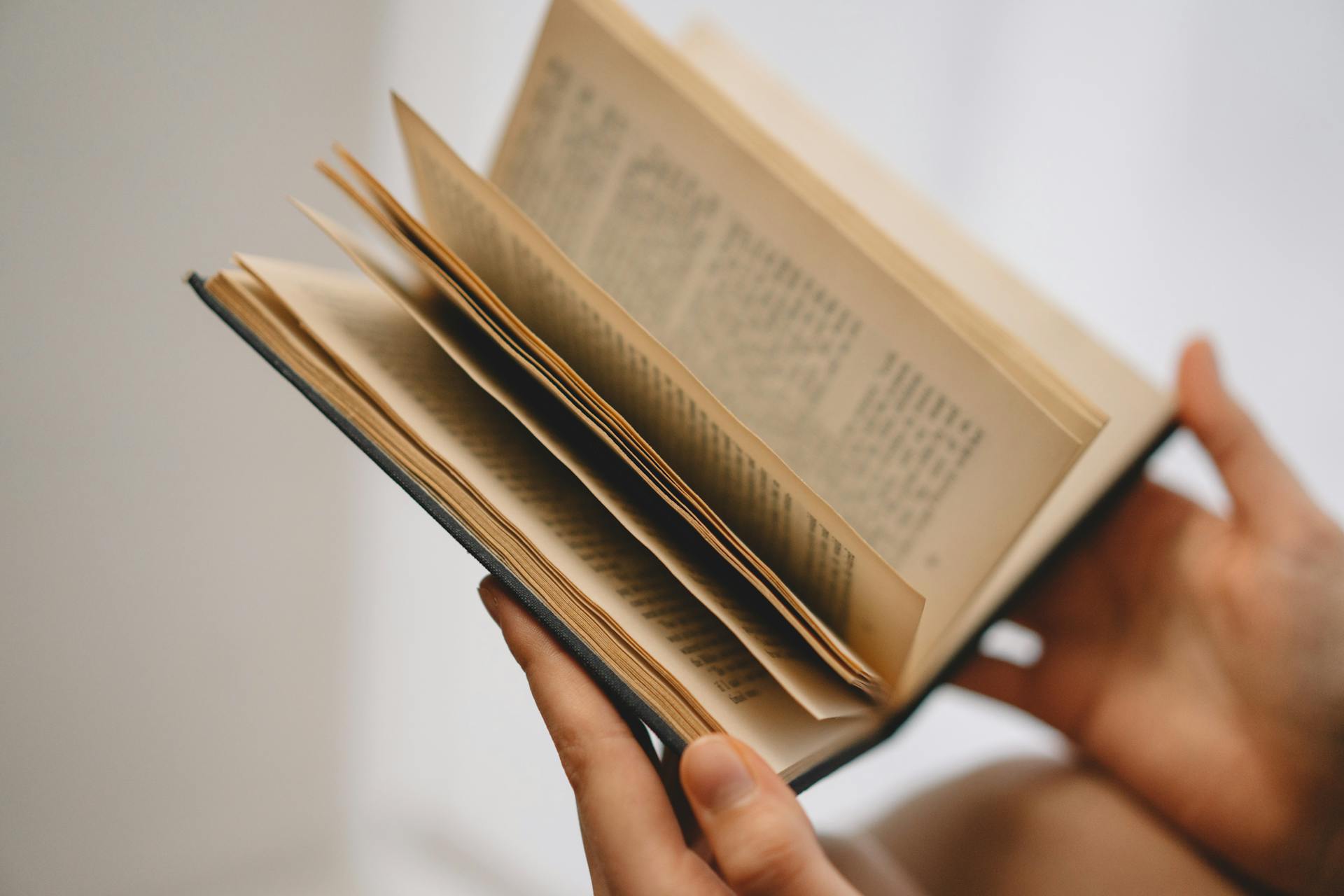
You might want to keep your old textbooks and childhood books safe, but the attic isn’t the best place. High humidity and temperature changes can cause mold and mildew to grow, damaging pages and covers.
Old textbooks can also become outdated, so storing them away in the attic doesn’t help if you want to use or donate them later. Instead, find a dry, climate-controlled spot for books you care about.
Holiday decorations with fragile materials
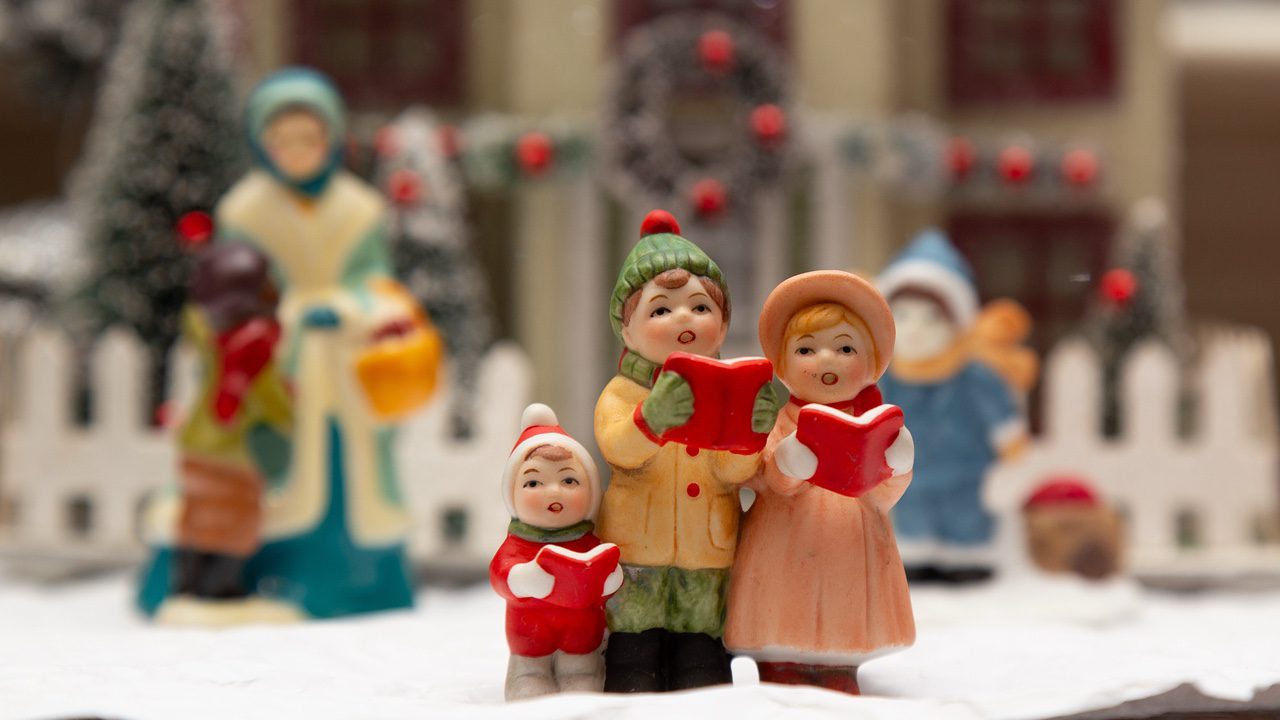
You should avoid storing fragile holiday decorations in the attic. Fluctuating temperatures and humidity can cause delicate materials like glass or paper to crack or warp over time.
If you want to keep your cherished decorations safe, consider a climate-controlled space instead. Using sturdy containers with padding can help protect fragile items during storage.
Keeping your holiday decorations in better conditions makes decorating easier and helps them last for many seasons.
Wool blankets and clothing prone to moths

You should avoid storing wool blankets and clothing in your attic. Wool attracts clothes moths, which can cause damage by eating the fibers.
Moths thrive in dark, undisturbed spaces like attics. If you must store wool items, use airtight containers or vacuum-sealed bags to protect them.
Make sure your woolen items are clean before storing, as moth larvae feed on skin oils and food stains left on fabric. This helps reduce the risk of damage.
Electronics and laptops

You should avoid storing electronics and laptops in your attic. Attics can get extremely hot in summer and cold in winter, which can damage delicate components.
Temperature fluctuations may cause batteries to leak or circuit boards to warp. Moisture and dust in the attic can also harm your devices over time.
If you need to store them, choose a climate-controlled space to keep your electronics safe and functional.
Photos and photo albums

You should avoid storing photos and photo albums in your attic. The temperature and humidity can change a lot up there, which can damage your pictures over time.
If you want to keep your memories safe, it’s better to store them in a cooler, drier place inside your home. This helps prevent fading, warping, or mold growth.
Think about using storage options that protect photos from moisture and heat, like sealed plastic containers in climate-controlled rooms.
Cardboard boxes with sentimental items
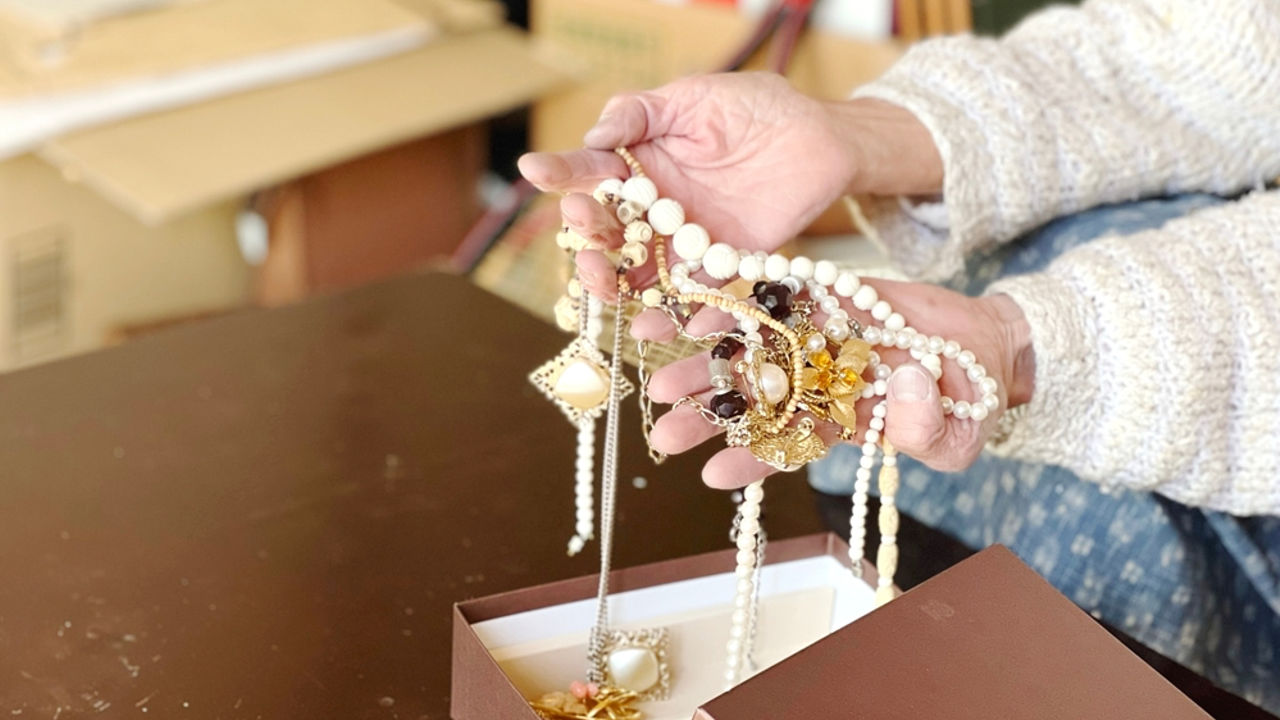
You might be tempted to stash sentimental items in cardboard boxes in your attic. However, these boxes aren’t sturdy enough to protect delicate items like photos, letters, or keepsakes.
Attics can get humid and warm, which causes cardboard to weaken and can damage your precious memories.
Pests like mice can also chew through boxes, putting your sentimental items at risk. It’s better to use plastic bins with seals to keep your treasures safe and dry.
Antique wooden furniture

You might love your antique wooden furniture, but attics are not the best place for it. Temperature and humidity changes can cause wood to warp, crack, or weaken over time.
Pests like insects also find wooden pieces attractive, which can lead to damage.
To protect your valuable items, store them in a climate-controlled space where conditions are stable and pests are less of a concern.
Musical instruments

You should avoid storing musical instruments in your attic. Temperature and humidity changes can cause wood to warp, crack, or develop mold.
If you keep guitars, violins, or similar instruments there, they may not stay in good shape.
Instead, store them in a climate-controlled space to protect their sound quality and structure.
Vinyl records

You should avoid storing vinyl records in the attic. The temperature and humidity there can easily warp your records and damage covers.
Heat is the main problem, but moisture also causes issues like warping and mold. If you want to keep your collection safe, store them in a cool, dry place inside your home.
Pack records upright to prevent bending. Using archival boxes designed for vinyl is a good idea to protect them further from damage.
Artwork and paintings

You should avoid storing artwork and paintings in your attic. The extreme heat and fluctuating humidity can cause paint to crack and canvas to warp.
These changes can permanently damage your pieces, even if they seem fine at first. If you want to keep your art safe, choose a climate-controlled space with stable temperatures. This will protect your precious works for years to come.