Clutter can feel impossible to let go of, even when you know it’s weighing you down. Often, it’s not just about the stuff itself but the beliefs you hold about those things that keep you stuck. These thoughts can quietly convince you to hang on, making it harder to clear out your space and mind.
Understanding the toxic beliefs behind your attachment to clutter can help you break free and create a more peaceful environment. By recognizing these mental blocks, you can start to change how you view your belongings and why you keep them. This shift is key to making lasting progress with clutter.
I might need this someday, so I can’t get rid of it.

You probably hold onto stuff because you think it might come in handy later. It feels safer to keep things “just in case.”
But “someday” often doesn’t arrive, and old clutter just piles up.
Ask yourself how likely it really is that you’ll use it again. If you haven’t needed something in months or years, it’s okay to let it go.
Holding onto things for vague future needs usually creates more stress than solutions.
Letting go means losing a part of my past.

You might feel like holding onto clutter keeps your memories alive. It’s easy to think that getting rid of things means erasing a part of your history.
But items are just reminders, not the memories themselves. Letting go doesn’t mean losing your past; it means freeing yourself from stuff that weighs you down.
You can honor your past without keeping everything. Choosing what to keep helps you focus on what truly matters.
Clutter doesn’t affect my mental space.

You might think clutter is just stuff, and it doesn’t really impact how you feel. But even if you don’t notice it, clutter can weigh on your mind in subtle ways.
It can create a constant, low-level distraction that drains your energy. Over time, that mental noise can add up without you realizing it.
Ignoring clutter doesn’t make it disappear—it often makes your mental space feel more crowded than you expect.
If I toss this, I’m wasting money.

You probably feel like throwing something away is like flushing money down the drain. That old gadget or clothes you never wear might seem like a future bargain or a big loss.
But holding on to items just because of their price can fill up your space and stress you out. Sometimes, letting go is smarter than clinging to past expenses. You’re not losing money by tossing clutter; you’re freeing up room for what really matters.
Organizing is too overwhelming to even start

You might feel stuck because organizing feels like a huge task. When everything seems out of place, starting can seem impossible.
Break it down into tiny steps. Pick one small area, like a drawer or a shelf, and focus only on that.
Remember, you don’t have to do it all at once. Small progress adds up and makes the process less scary.
I’m holding onto clutter to avoid regret.

You might keep stuff because you’re worried you’ll regret getting rid of it later. That old sweater or broken gadget feels like a safety net for “what if” moments.
But holding on to things just in case often leads to more stress and mess. The truth is, most items you save out of regret rarely become useful again. Letting go can actually free up space for what really matters now.
I’m not worthy of a tidy space.

You might feel like you don’t deserve a clean, organized home. That belief can keep you stuck, holding on to clutter as if it reflects your value.
But your worth isn’t tied to how tidy your space is. Everyone deserves an environment that feels comfortable and peaceful.
Letting go of clutter is a way to show yourself some respect and care. You can create a space that supports your well-being.
Getting rid of this will hurt someone’s feelings.

You might worry that tossing certain items will upset someone you care about. Maybe it’s a gift or something passed down. That fear can make it hard to let go.
But holding on just because of how others might feel keeps you stuck. You can keep the memory without keeping the stuff. It’s okay to set boundaries for your space and peace.
Clutter represents who I am and my achievements.
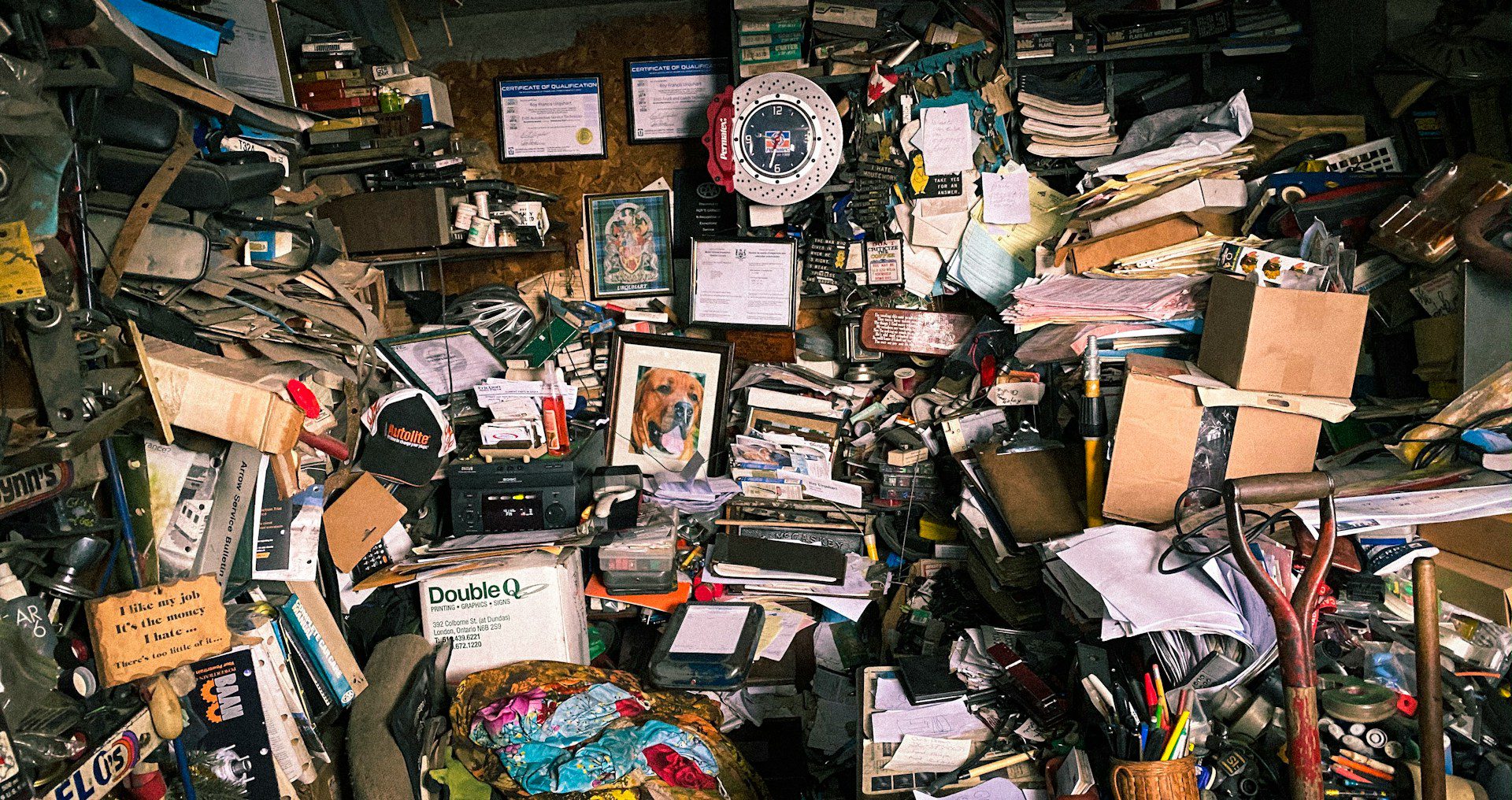
You might feel like your stuff shows your story and success. Letting go can feel like erasing parts of yourself.
But clutter doesn’t define your worth or accomplishments. Your value isn’t tied to objects or past purchases.
Holding on can actually keep you stuck instead of celebrating growth. Your achievements live in your actions, not in things.
I can’t trust myself to decide what’s important.

When you don’t trust your own judgment, it’s easy to hold onto everything “just in case.” You might think you need all that stuff because you’re afraid of making the wrong choice.
But the truth is, your preferences and priorities can change, and that’s okay. Start small—practice choosing what really matters to you right now. Over time, you’ll build confidence in your decisions.
If I clear this out, I’ll feel empty inside.

You might worry that getting rid of stuff will leave a gap inside you. It’s normal to tie memories and emotions to your things.
But clutter doesn’t fill you up; it often weighs you down. Clearing out can create space for new experiences instead of emptiness.
Letting go doesn’t mean losing your past. It means making room to focus on what really matters to you now.
I deserve to keep everything because I worked hard for it.

You’ve put time and effort into earning your stuff, so it feels natural to want to hold on to it. It’s easy to think that letting go means you’re not valuing your hard work.
But holding onto things just because you worked for them can weigh you down. Sometimes, keeping everything stops you from making space for what truly matters now. You can honor your effort without keeping every single item.