
In the ever-changing world of trends, it is fascinating to see how societal norms and traditions evolve over time. As new generations rise, they bring with them fresh perspectives that shape the cultural landscape.
Let’s explore 12 traditions that younger generations are quietly abandoning. These itemized trends are not meant to stir controversy but to foster understanding of the shifting dynamics in our society.
1. Owning a Car

For many years, owning a car was seen as a rite of passage. It symbolized independence and freedom. However, younger generations are shifting away from this tradition. Ride-sharing apps, environmental concerns, and the rising costs of ownership have made car-free lifestyles more appealing. Many now choose to spend their money on experiences instead of vehicles.
2. Traditional TV Viewing

Television was once the main source of entertainment for families, but that’s no longer the case. Streaming platforms now dominate, offering on-demand content that fits busy lifestyles. Younger audiences prefer the flexibility and variety of digital streaming over scheduled programming, leading to a sharp decline in traditional TV viewing.
3. Marriage Before 30

The expectation of marrying before 30 is fading. Many young adults are choosing to focus on education, careers, and personal growth before committing to marriage. The idea of settling down later in life reflects changing priorities and a greater emphasis on self-discovery.
4. Landline Telephones

Landline phones were once a household staple, but smartphones have replaced them almost entirely. Younger generations rely solely on mobile devices for communication, making the landline a relic of the past. The convenience of carrying one device for calls, texts, and apps has sealed the decline of this tradition.
5. Newspaper Subscriptions
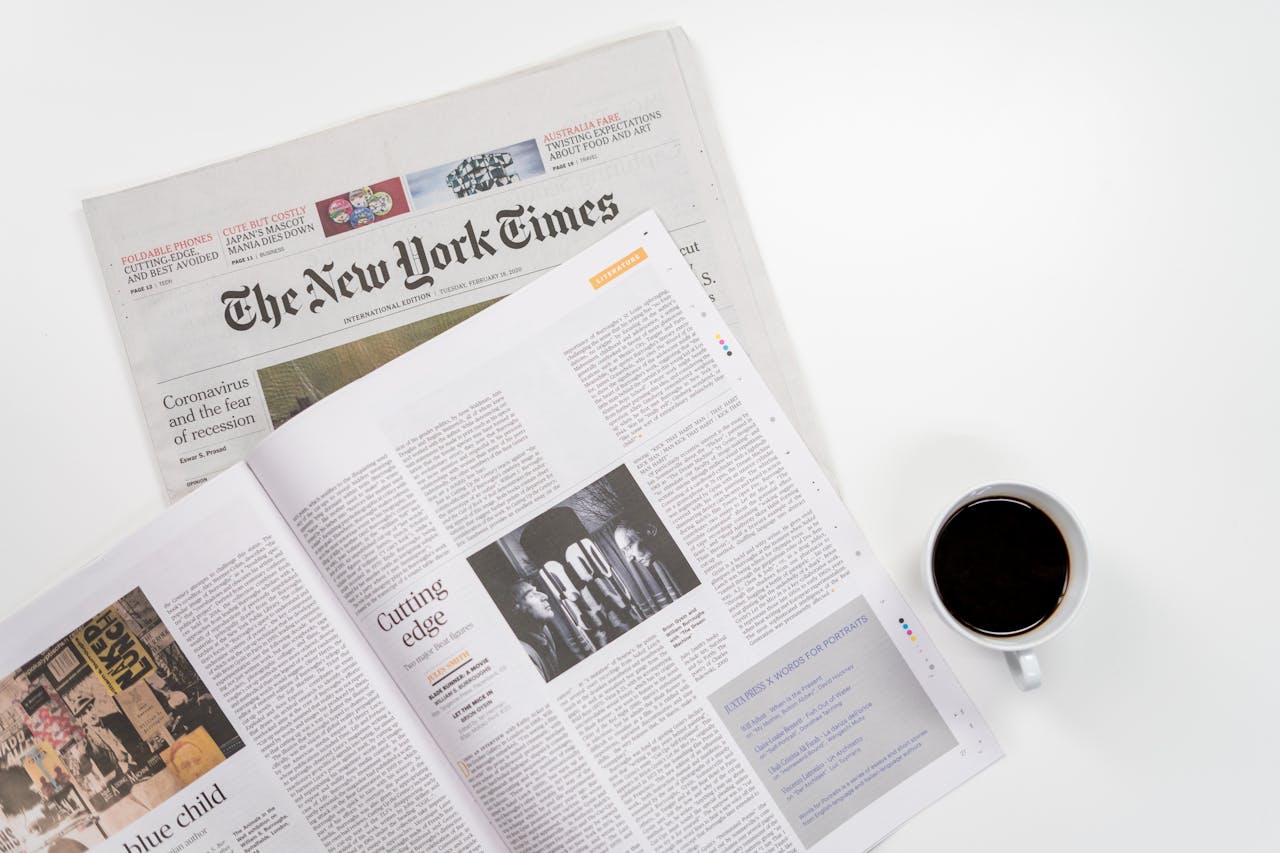
Print newspapers, once a daily ritual, are quickly disappearing. Younger generations prefer getting their news online, where updates are immediate and interactive. Social media, apps, and digital outlets have replaced the traditional morning paper for many households.
6. Full-Time Jobs

The classic 9-to-5 office job is losing its appeal. Many young adults are turning to freelance work, flexible schedules, and entrepreneurial ventures. The gig economy offers more autonomy and work-life balance, allowing people to build careers that fit their lifestyles rather than the other way around.
7. Owning a Home

For past generations, buying a home was the ultimate milestone. Today, high housing costs, student debt, and the desire for mobility are leading many younger people to rent instead. Homeownership is no longer the default dream, with flexibility and freedom often winning out.
8. Traditional Retirement Plans

The idea of retiring at a set age with a pension is becoming outdated. Many younger people expect to keep working in some capacity well into their later years. Some are building alternative financial strategies, focusing less on the traditional retirement model and more on flexibility and long-term stability.
9. Gender-Specific Roles

Rigid gender roles are being left behind as younger generations embrace more equality and flexibility in daily life. Household chores, careers, and parenting are no longer viewed as belonging to one gender. This move away from tradition reflects growing acceptance of individuality and shared responsibility.
10. Formal Dining Rooms

Formal dining rooms, once the centerpiece of family gatherings, are disappearing from modern homes. Open floor plans and multipurpose spaces are now preferred. Younger homeowners want rooms that can be used flexibly for work, play, and casual meals rather than a space reserved for special occasions.
11. Shopping in Brick-and-Mortar Stores

Online shopping has transformed the way younger generations purchase goods. The convenience of browsing from home, faster shipping, and a wider selection have made brick-and-mortar stores less appealing. While physical shops still exist, they are no longer the go-to option for many people.
12. Traditional Bank Branches

Walking into a bank to handle financial matters is becoming rare. Mobile apps and online banking have taken over, offering speed and convenience. Younger generations rarely see the need for in-person visits, signaling the decline of the traditional bank branch.