Clutter isn’t just a visual annoyance; it quietly eats up your time every day. You might not notice how much effort goes into sorting through piles or hunting for misplaced items, but it adds up.
Understanding how clutter wastes your time can help you take control and make daily life smoother. When you clear the mess, you free yourself to focus on what really matters without constant distractions.
Spending extra minutes searching for lost keys or wallets

You probably waste more time than you realize looking for everyday things like keys or your wallet. Even a few minutes each day adds up to hours over the year.
It’s frustrating when you’re rushing and can’t find those items. A simple spot to keep them can save you stress and time.
Being organized doesn’t mean spending hours sorting. Just small habits can help you avoid those extra minutes every day.
Decision fatigue from too many visible items

When your space is full of stuff, your brain has to make a lot of tiny decisions every day. Choosing what to grab, what to ignore, or what to put away can wear you out without you even realizing it.
This constant decision-making drains your energy and focus. With less mental bandwidth, other tasks feel harder or get pushed aside. Keeping only what you need in sight can help reduce this overload. Fewer items mean fewer choices, making it easier to stay on track and save time.
Wasting time sorting through piles of mail and papers

You lose time every day digging through piles of mail and random papers. Sorting what’s important and what’s junk interrupts your day and adds up.
If you don’t open and sort mail right away, clutter grows fast. It makes finding bills or important notes harder when you actually need them.
Taking a few minutes daily to toss ads and unwanted envelopes can save you hassle later. Paper piles slow you down because they demand constant attention.
Constantly tidying up instead of focusing on tasks

When clutter piles up, you spend more time tidying than actually doing what matters. Your attention gets pulled away, making it hard to concentrate on important work.
You might find yourself cleaning the same spots repeatedly, which wastes time and energy. This constant shift from task to mess breaks your flow and slows you down.
Keeping clear boundaries while decluttering helps. Set small goals like clearing one drawer, so you don’t get stuck in a never-ending clean-up loop instead of moving forward.
Getting distracted by cluttered surfaces
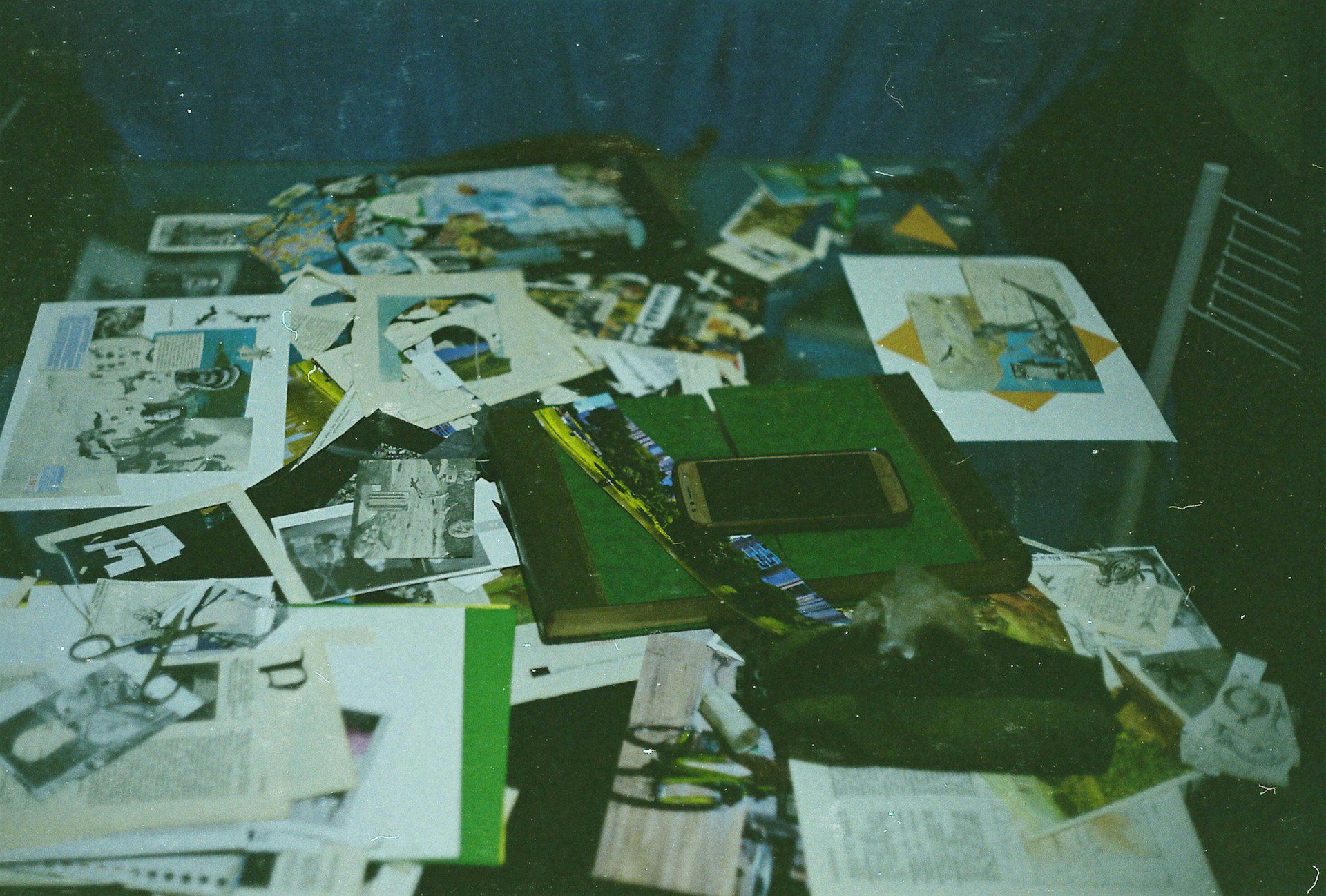
When your desk or countertop is covered with stuff, your eyes keep jumping from item to item. This constant distraction makes it harder to focus on what you’re actually trying to do.
You end up spending more time sorting through the mess than working. Small tasks take longer because you need to clear space before starting them.
Procrastinating because clutter feels overwhelming

When your space is cluttered, it can feel like a lot to tackle. That feeling alone might make you put off cleaning or organizing.
Clutter creates a mental block because it demands decisions you’re not ready to make. You end up delaying tasks just to avoid that stress.
This delay adds up, wasting time that could be spent on more important things. The longer clutter sits, the harder it feels to start.
Misplacing important documents and scrambling to find them

When you don’t have a system for your papers, you end up wasting time hunting for important documents. Bills, receipts, and forms pile up, making it frustrating to locate what you need quickly.
You might spend several minutes—or even hours—searching for something simple, like a warranty or tax paper. Setting up a simple filing system can save you a lot of this hassle. It keeps your important stuff organized and easy to find when you actually need it.
Reorganizing spaces frequently when things aren’t put away

When stuff isn’t put back where it belongs, you end up spending extra time tidying up. You have to move things around just to find space or clear surfaces.
This constant reshuffling breaks your flow and steals minutes from your day. It can feel like you’re working hard but never really making progress.
If you don’t create habits to put things away right away, reorganizing becomes a regular, frustrating task. It’s a sign your space needs better systems or less stuff.
Time spent untangling cords and cables

You probably don’t realize how much time you lose dealing with tangled cords. Every time you need a charger or cable, you have to sort through a mess.
This small frustration adds up, wasting minutes daily. If you can organize or remove unused cables, you’ll save time and avoid needless hassle. Simple steps like labeling or bundling cords can make a big difference in your routine.
Delays caused by clutter blocking walkways or work areas

When clutter builds up around your workspace or home, it can slow you down. You might trip over things or have to move items just to get where you need to go.
This creates small interruptions that add up, wasting precious time every day. It’s frustrating when your flow gets broken just because something’s in the way.
Clearing these paths helps you move faster and focus better, without those annoying delays.
Sorting through unread or unwanted mail daily

You spend a lot of time each day just deleting or skimming emails you don’t really need. That daily task might seem small, but it adds up and eats into your focus.
When your inbox is cluttered, finding important messages takes longer. This interrupts your workflow and makes you less productive.
Taking a few minutes to sort or delete emails regularly can save you bigger headaches later. Automating filters or using AI tools can help keep things under control without much effort.
Repeating tasks because missing items cause errors

When your space is cluttered, it’s easy to lose track of important things. Missing items mean you might start a task without everything you need, leading to mistakes.
These errors force you to redo work or fix problems, which wastes your time. Keeping things organized helps you avoid these unnecessary repeats and makes your daily routine smoother.