
We often underestimate the power of lighting when it comes to home decor. It’s not just about creating the right atmosphere, but also about enhancing the visual space. A well-lit room can transform into a welcoming and expansive space, while a poorly lit room can feel small and confining. In this blog post, I’ll share 12 ways I use lighting to make my home feel more open, spacious and inviting.
1. Make Use of Natural Light

Natural light is the best and most affordable way to open up your space. Large windows, glass doors, and skylights can flood your rooms with sunlight, making them appear larger and more inviting. If you’re lucky enough to have them, ensure they’re unobstructed to let in as much light as possible.
In homes where large windows aren’t an option, mirrors can help. Placing a mirror opposite a window will reflect the natural light and give the illusion of extra windows. Similarly, using light, airy curtains instead of heavy drapes can also help maximize the natural light in your space.
2. Install Recessed Lighting

Recessed lighting, or downlights, are a great option for spaces with low ceilings. These lights are installed into hollow openings in the ceiling, meaning they don’t hang down and take up space. This helps to create an illusion of a higher ceiling, making the room feel more open.
The number of recessed lights you’ll need will depend on the size of your room and the type of bulbs you use. A general rule of thumb is to divide the height of the ceiling by two to find out how many feet apart each light should be. For example, if your ceiling is 8 feet high, place your lights 4 feet apart.
3. Use Pendant Lights Strategically

Pendant lights are fantastic for creating a sense of height and space. Hanging from the ceiling, they draw the eye upwards, making the room feel taller. They’re perfect for areas like the kitchen island or dining table, where they provide focused light while also acting as a design element.
However, it’s important not to overdo it. Too many pendant lights in a small space can make the room feel cluttered. Stick to one or two statement pieces, or a row of smaller lights, and ensure they’re hung at the right height – generally, the bottom of the pendant should be about 30-36 inches above the surface.
4. Choose Light Colored Lamp Shades

When choosing lamp shades, opt for light colors like white or cream. Dark shades can absorb light, making the room feel smaller. Light shades, on the other hand, reflect light into the room and create a brighter, more open space.
This doesn’t mean you can’t have fun with your lamp shades. Play around with different shapes and textures to add interest to your space. Just remember, the lighter the color of the shade, the more light it will emit.
5. Opt for Dimmable Lights

Dimmers are a great way to control the lighting in your home. They allow you to adjust the brightness of your lights to suit your mood and the time of day. This can help create the illusion of space, especially in the evenings when you want a cozy atmosphere without making the room feel small.
Installing dimmers is a relatively simple DIY project, but always consult with an electrician if you’re unsure. Once they’re installed, you can have fun playing around with different brightness levels to find your perfect lighting scheme.
6. Use Floor Lamps in Corners
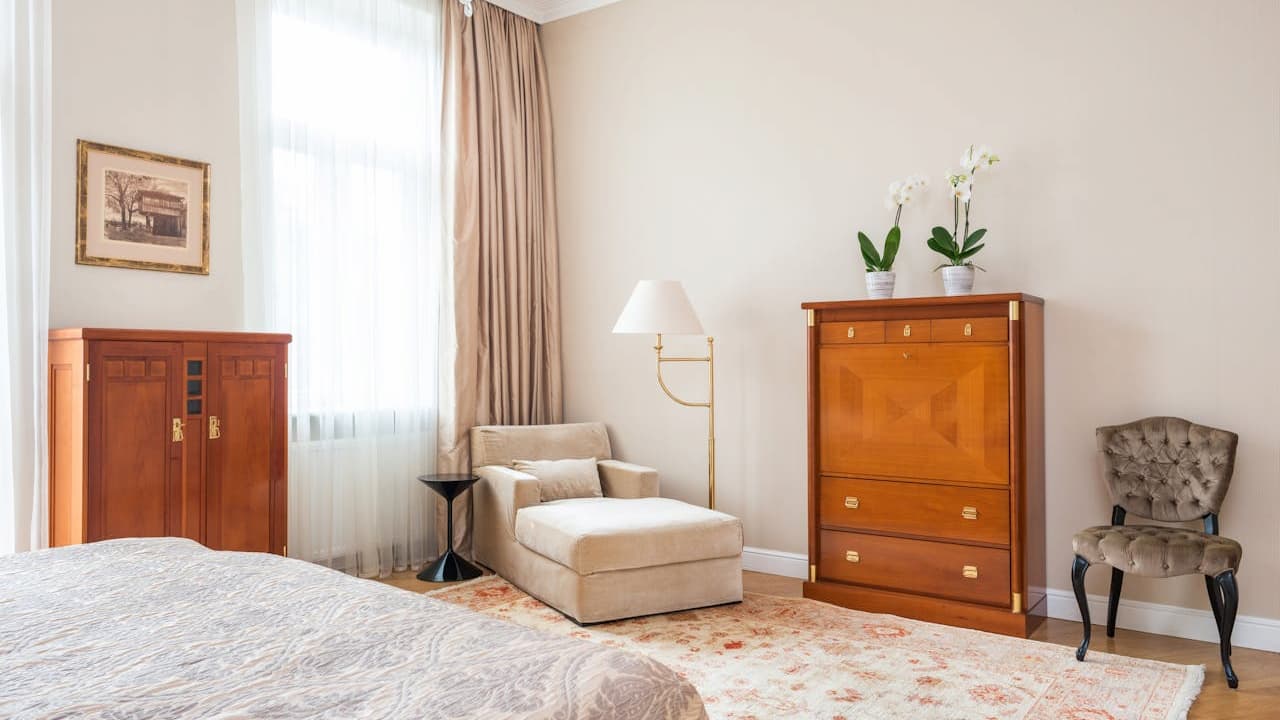
Floor lamps can bring light to dark corners and make a room feel more spacious. Choose a lamp with a tall, slender design to draw the eye upwards and create a sense of height.
When choosing a floor lamp, consider the type of light it emits. A lamp with a transparent or semi-transparent shade will allow more light to diffuse into the room, making the space feel larger. On the other hand, a lamp with a solid shade will direct light upwards and downwards, creating a cozy, intimate atmosphere.
7. Illuminate Your Bookshelves
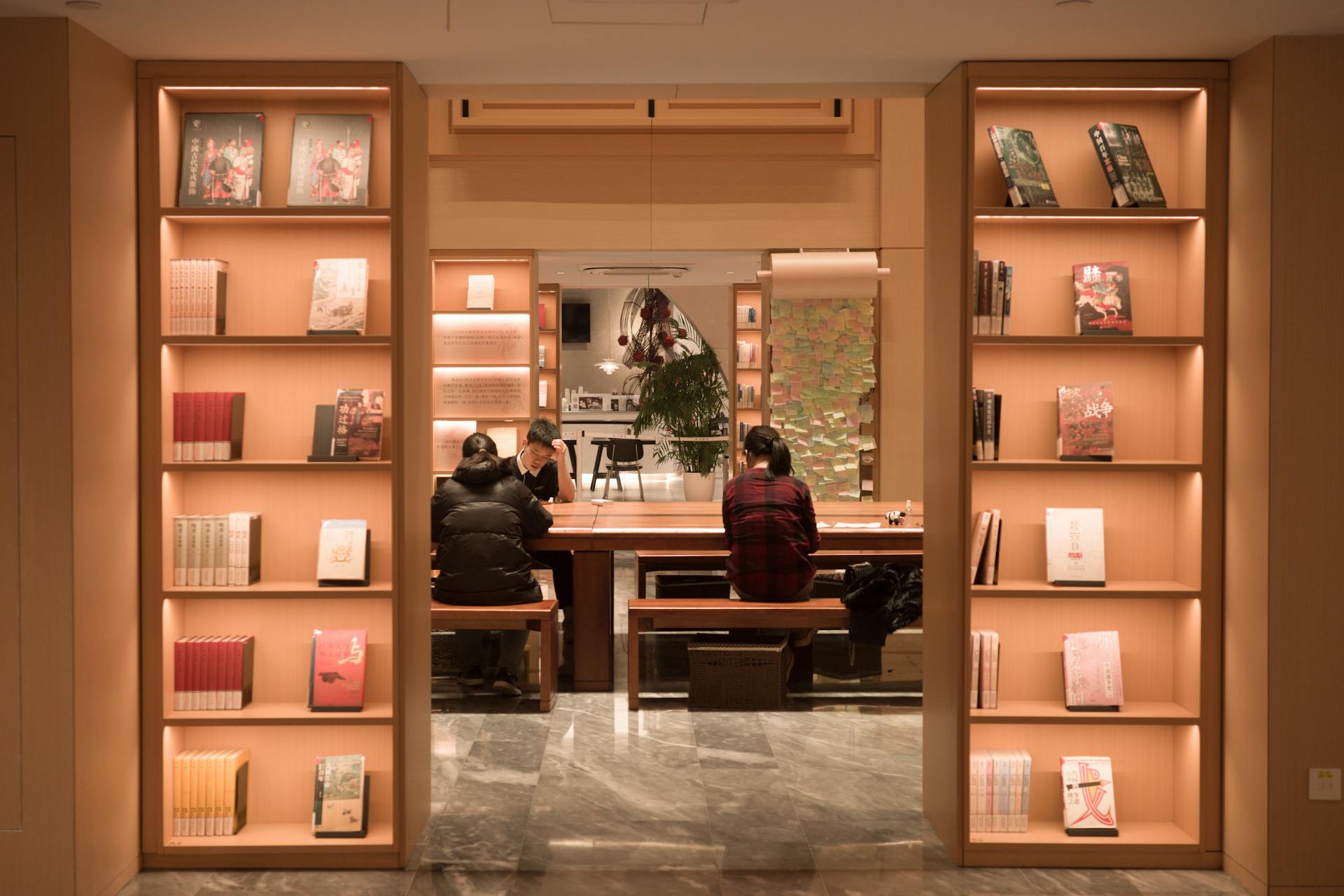
Bookshelves are often overlooked when it comes to lighting, but illuminating them can create depth and make a room feel larger. Install small lights or LED strips along the edges of the shelves, or use a picture light above the bookshelf.
This not only highlights your book collection but also casts shadows on the walls, adding depth to the room. Plus, it’s a great way to add a touch of sophistication and elegance to your space!
8. Layer Your Lighting
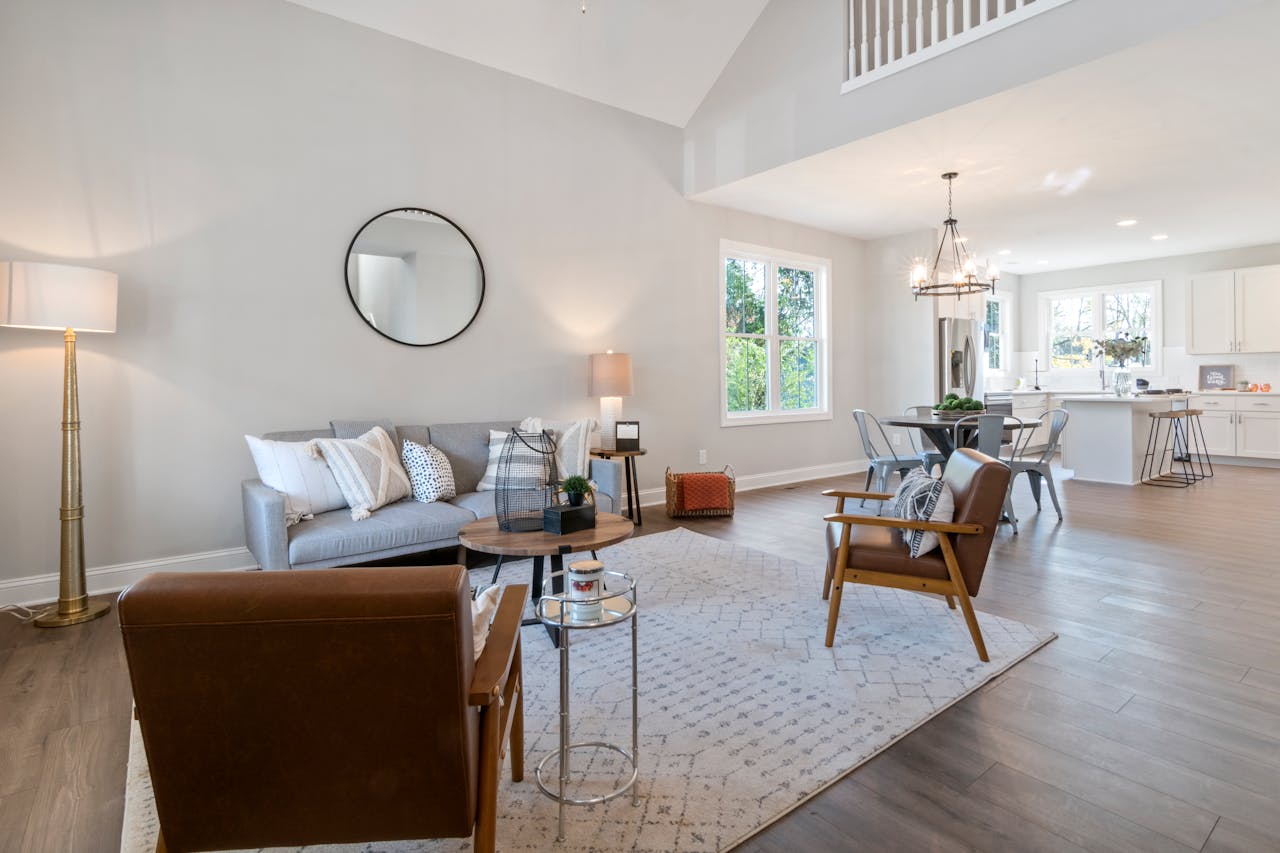
Layering your lighting means using a mix of different light sources at different levels to create a balanced and spacious ambience. This usually involves a combination of ambient lighting (general room lighting), task lighting (for specific tasks like reading), and accent lighting (to highlight certain features).
Layering your lighting can help create a sense of height and depth in your space. For example, using table lamps on side tables, floor lamps in corners, and pendant lights or chandeliers for overhead lighting can draw the eye upwards and make the room feel taller.
9. Use Light Strips Under Cabinets
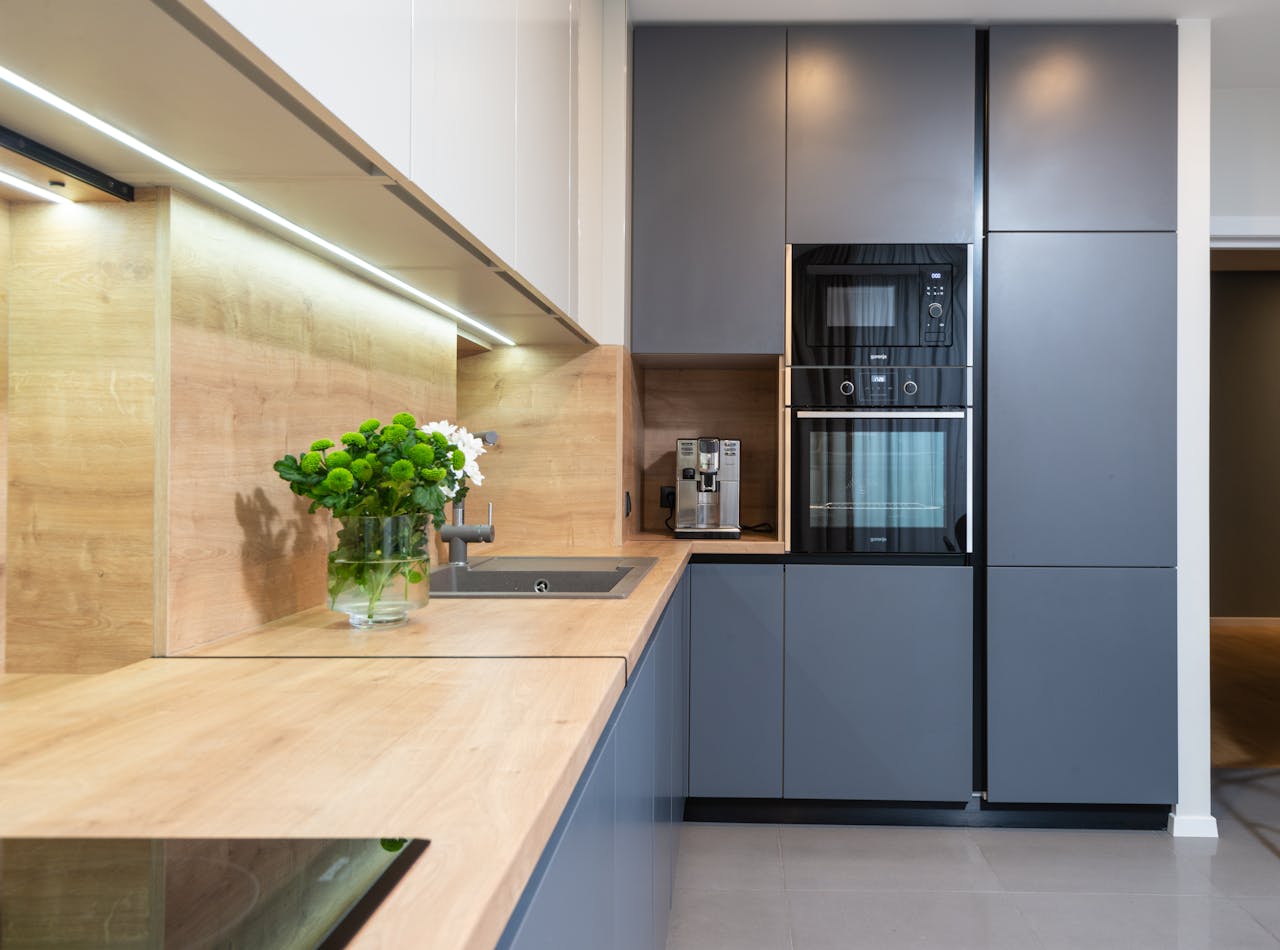
Under-cabinet lighting is an often overlooked way to make your kitchen feel larger. Installing light strips under upper cabinets illuminates the countertops, making the space feel brighter and more open.
This is also a practical solution, as it provides extra light for food preparation. Opt for LED light strips for energy efficiency, and consider installing a dimmer switch so you can adjust the brightness as needed.
10. Opt for Transparent Light Fixtures
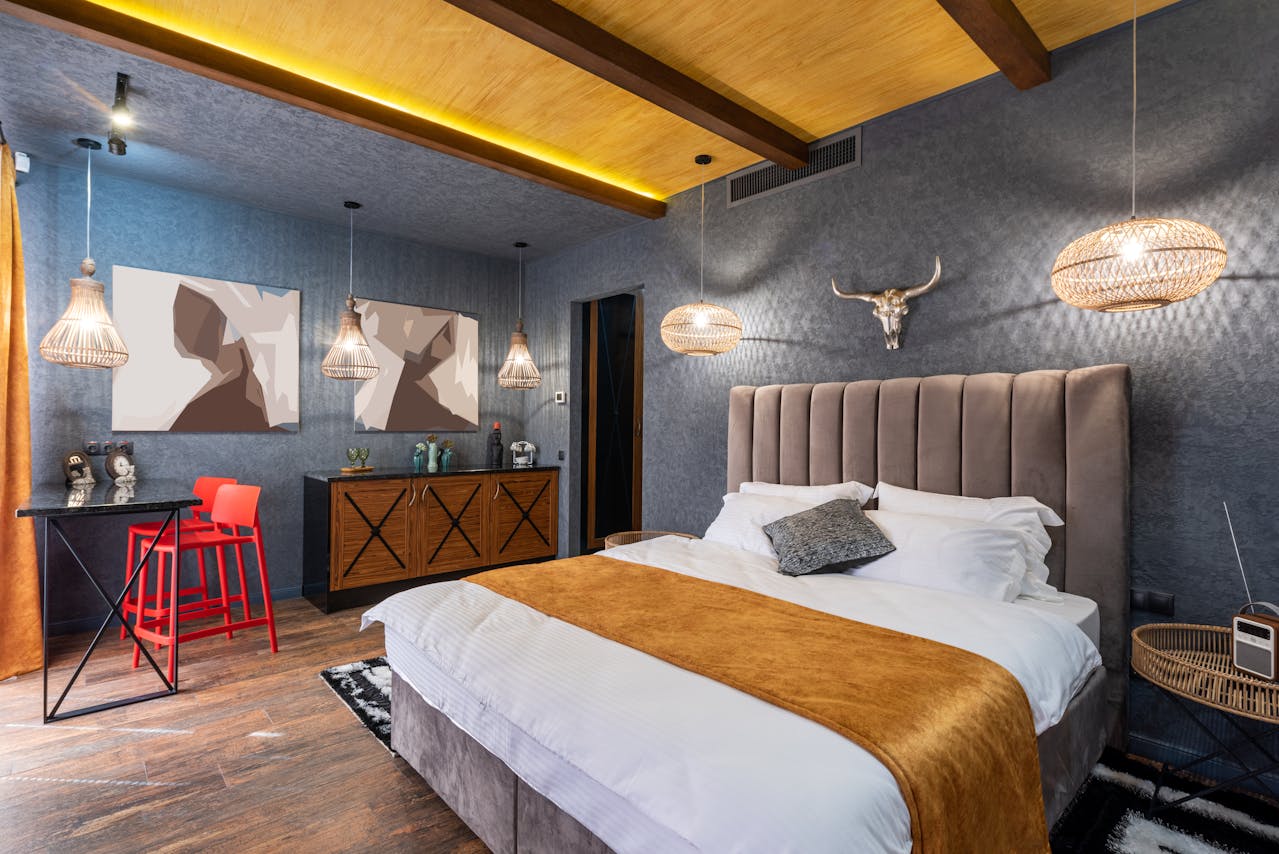
Light fixtures made from transparent materials like glass or acrylic can make a room feel more open. They allow light to pass through, illuminating the space more effectively and creating an airy, spacious feel.
This doesn’t mean you have to sacrifice style for space. There are plenty of chic and modern light fixtures available in transparent materials. From glass pendant lights to acrylic table lamps, the options are endless.
11. Install Wall Sconces
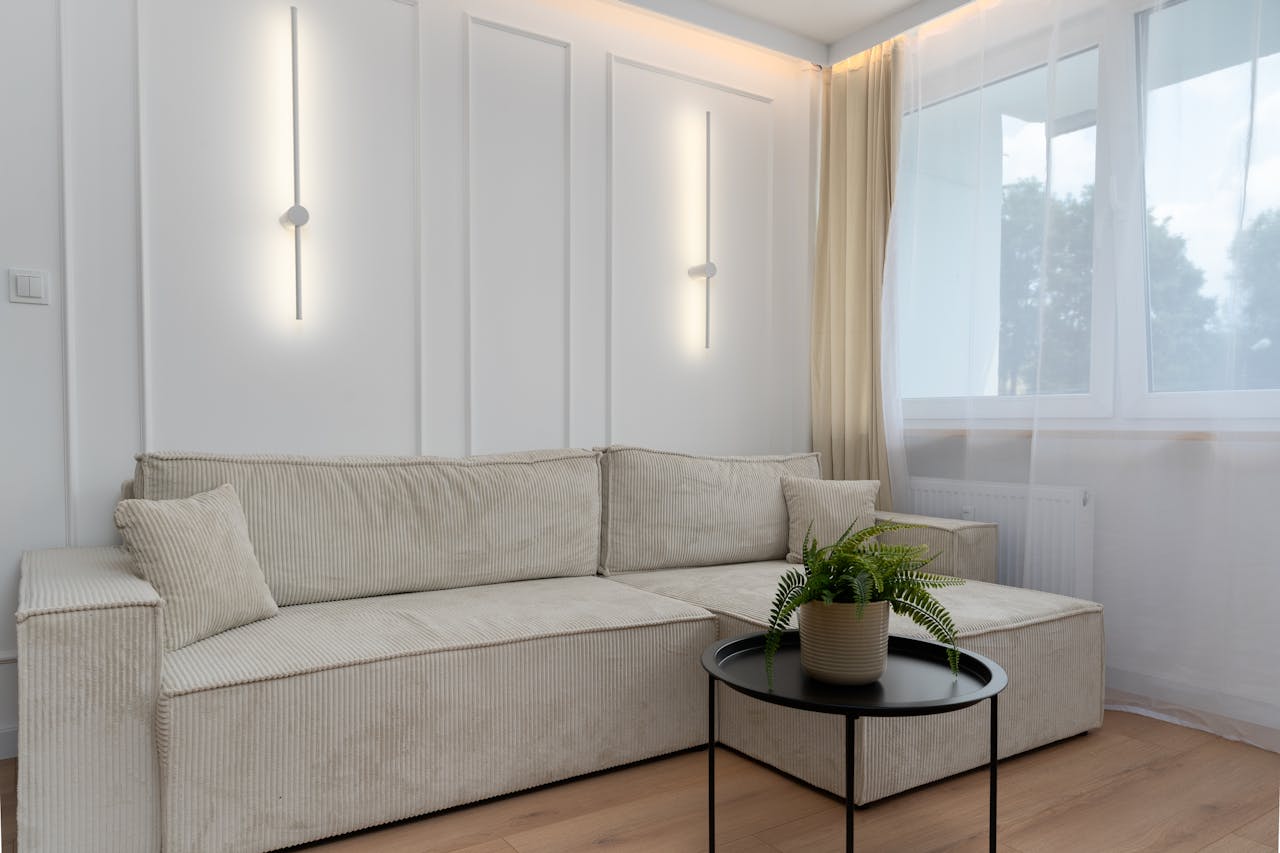
Wall sconces can help create the illusion of extra space by brightening up walls and drawing the eye upwards. They’re a great option for smaller rooms or spaces with low ceilings.
When installing wall sconces, consider the height and placement. They should be high enough to spread light effectively, but not so high that the bulbs are visible. As a rule of thumb, wall sconces should be installed around 60-66 inches from the floor.
12. Use Light to Highlight Architectural Features
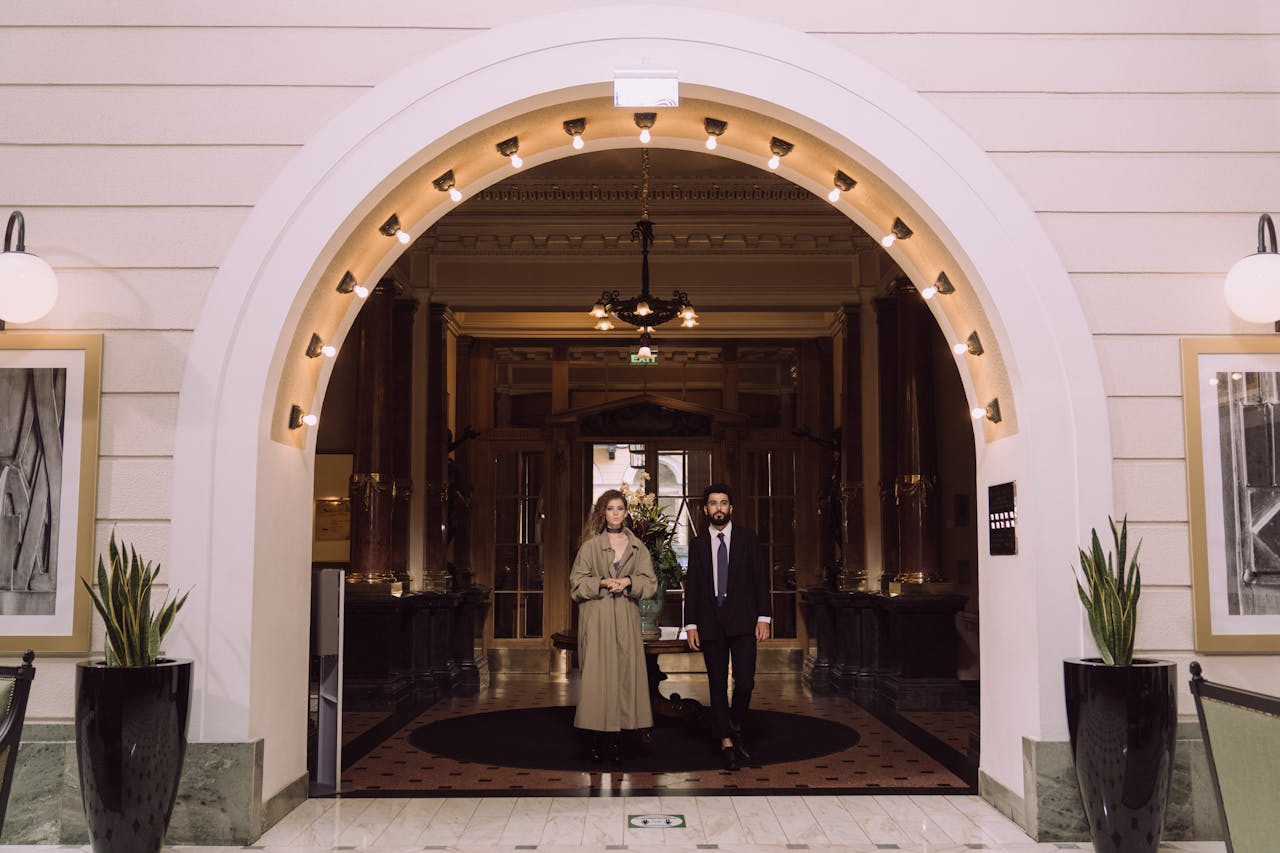
If your home has interesting architectural features like archways, alcoves, or built-in bookcases, use lighting to highlight them. This draws the eye around the room, creating a sense of depth and space.
You can do this by installing spotlights or recessed lights, or by placing a floor lamp or table lamp near the feature. This not only highlights the architecture but also adds an extra layer of interest to your space.