
Organizing your home can feel overwhelming, but it doesn’t have to be complicated. Many of the methods your mom used still hold up today because they focus on simplicity and practicality.
You’ll find that using straightforward, time-tested approaches can help you create a more organized and comfortable space. These techniques make it easier to maintain order and find what you need without stress.
Start small by organizing one linen closet at a time

Begin with just one linen closet to keep the task simple and manageable. Remove everything and sort your items into categories like towels, sheets, and washcloths.
Use bins or baskets to group smaller essentials such as hand towels or accessories. This makes it easier to find what you need quickly.
Focus on keeping only what you use. You can donate linens that are old or no longer needed to free up space.
Create a daily 10-15 minute tidy-up routine

You can keep your home feeling fresh by setting aside just 10 to 15 minutes each day to tidy up. Focus on quick tasks like putting items back where they belong or clearing away visible clutter.
Using a timer can help you stay motivated and keep the routine short. This habit prevents mess from building up and makes cleaning less overwhelming.
By making this a daily practice, you’ll find your home stays more organized with less effort.
Repurpose formal spaces into practical areas like a home office

You can turn unused formal rooms into useful, everyday spaces. A formal dining or living room can become a home office or craft area with just a few changes.
Adding storage like baskets or drawers helps keep supplies neat and out of sight. This keeps your new workspace organized and less cluttered.
Consider small touches like an accent wall or comfortable seating to make the area inviting. This way, your repurposed space feels functional and cozy.
Use a 5-step declutter method: remove, keep, toss, donate, organize

Start by removing everything from the area you want to declutter. This helps you see exactly what you have. Next, decide what you want to keep. Be honest about what you actually use or love.
Toss anything broken or unusable. Then set aside items in good condition for donation. Finally, organize the remaining items in a way that makes sense to you. This keeps your space tidy and easy to maintain.
Organize the top surfaces around your home regularly

You’ll find that keeping counters, tables, and other surfaces clear makes your space feel calmer. Take a few minutes each day to put things back where they belong.
Use small baskets or trays to gather everyday items in one spot. This keeps surfaces tidy and makes it easier to find what you need.
Regularly wipe down these areas to maintain cleanliness. Keeping tops clear helps prevent clutter from building up and saves time later.
Keep your own space clutter-free as an example for others
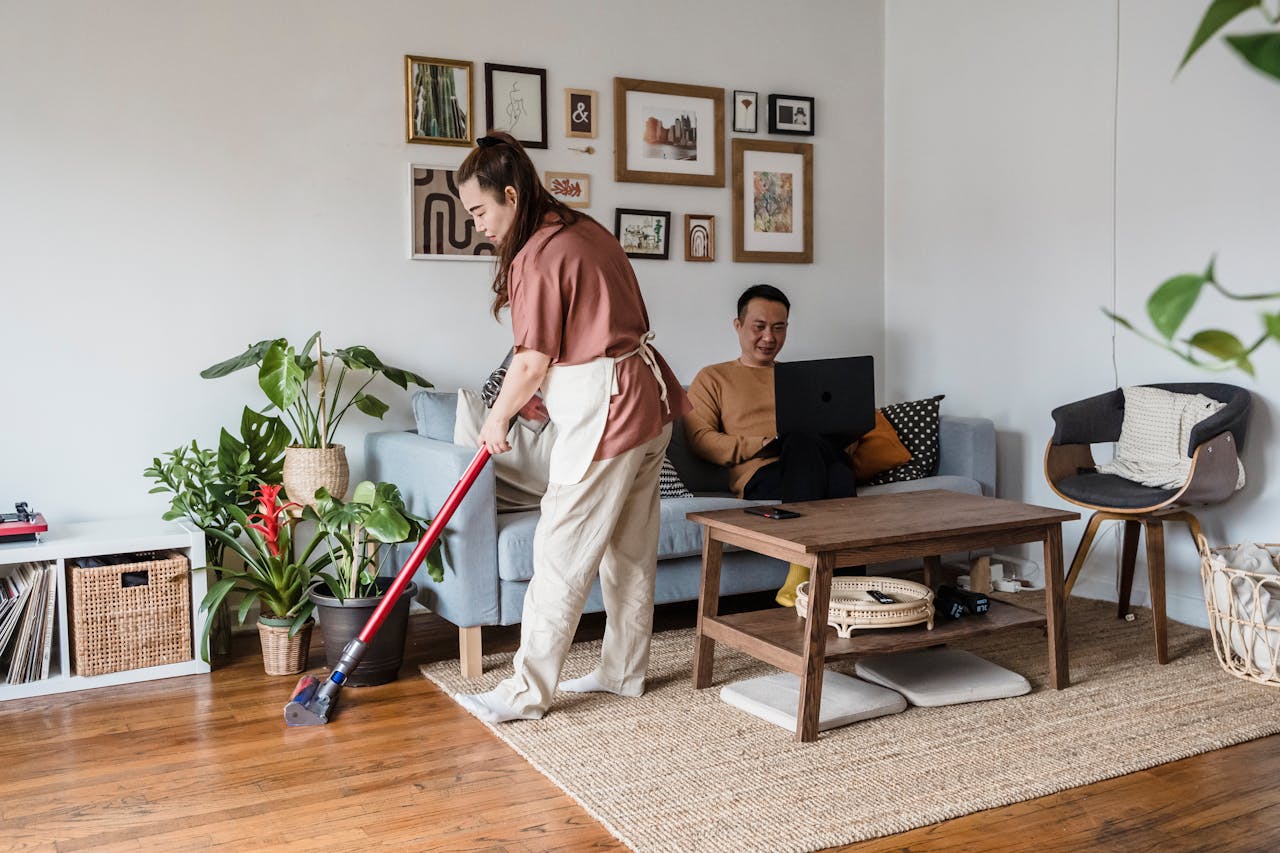
You set the tone for your home by keeping your own space tidy. When you regularly clear clutter, others notice and are more likely to follow your lead.
Simple habits like putting things away immediately and limiting what you keep can make a big difference. Your actions show others it’s possible to stay organized without stress. It also creates a calm, welcoming environment everyone can enjoy.
Focus on pantry and fridge reorganization for busy meal prep

You can make meal prep easier by organizing your pantry and fridge clearly. Label items with the date you bought them to use food before it expires.
Keep frequently used items up front so you grab them quickly. Take stock regularly to know what you have and plan meals around it.
Use clear containers to see when things are running low. This saves time and reduces food waste during busy weeks.
Involve family members in simple daily decluttering tasks

Get everyone in your family involved by assigning small, manageable tasks each day. You can ask your kids to put away their toys or sort laundry.
Create a routine where each person contributes a little, like clearing their own dishes or tidying their closet. This makes decluttering feel less overwhelming and helps build good habits for everyone in your home.
Balance compromise when tackling shared spaces

When organizing shared areas, it’s important to consider everyone’s habits and preferences. You can talk openly with others to decide on a system that works for all.
Try dividing tasks or storage zones based on each person’s style. This way, everyone feels included and more willing to keep the space tidy.
Remember, flexibility helps. Adjusting the plan over time can make your shared spaces feel comfortable and organized for everyone.
Label storage bins and shelves for easy identification

Labeling your bins and shelves helps you find things quickly without opening every container. You can use simple paper labels, or try metal clip-on holders for a durable option.
Choose labels that are easy to read from a distance. Clear and consistent labeling makes tidying up faster and keeps everything in its place.
If you want, use large labels with plenty of space to write detailed descriptions. This way, you won’t forget what’s inside each bin or box.
Rotate seasonal items to keep closets manageable

You can make your closet easier to use by rotating seasonal clothes. Store out-of-season items like heavy sweaters or summer shorts in bins or a separate space.
This keeps your daily wardrobe simple and prevents overcrowding. When the weather changes, swap the storage contents so only the clothes you need are accessible.
Rotating seasonally also helps you notice what you actually wear, making it easier to declutter regularly.
Use clear containers to see contents easily

Using clear containers helps you quickly identify what’s inside without opening each one. This saves time and keeps your space tidy.
You can use these containers in any room—kitchen, closet, or garage. They let you find items fast and avoid duplicates.
If clear bins aren’t your style, try labeling them with photos or printed tags. This keeps everything organized and easy to find for you.
Like what you read? Here’s more by us: