Keeping your kids’ toys organized can feel like a never-ending challenge. With so many different types of toys and limited space, it’s easy for clutter to take over quickly.
You can create a system that not only keeps toys tidy but also makes it easier for your kids to find and put away their favorite items. This article shares simple ideas to help you manage toy storage in a way that works for your family and lasts over time.
1. Sort toys by category for faster cleanup

When you sort toys into categories, it becomes much easier to clean up. You can group similar items like blocks, dolls, or art supplies together.
This helps your child quickly find where each toy belongs, which speeds up cleanup time.
Using separate bins or shelves for each category keeps everything visible and accessible. You’ll spend less time hunting for missing pieces too.
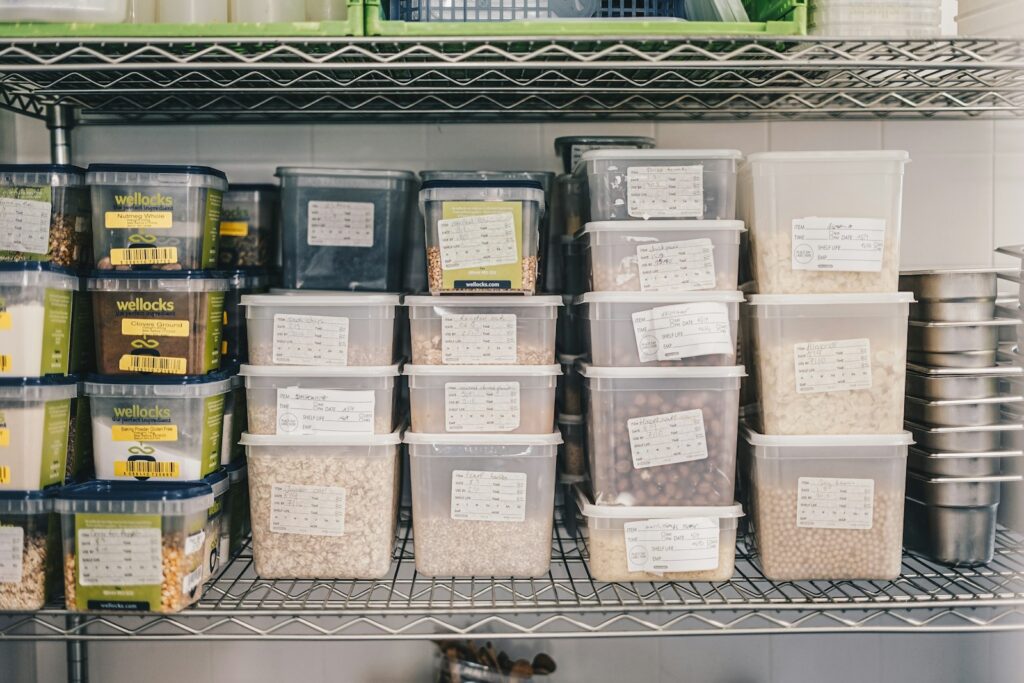
2. Use clear bins labeled by toy type

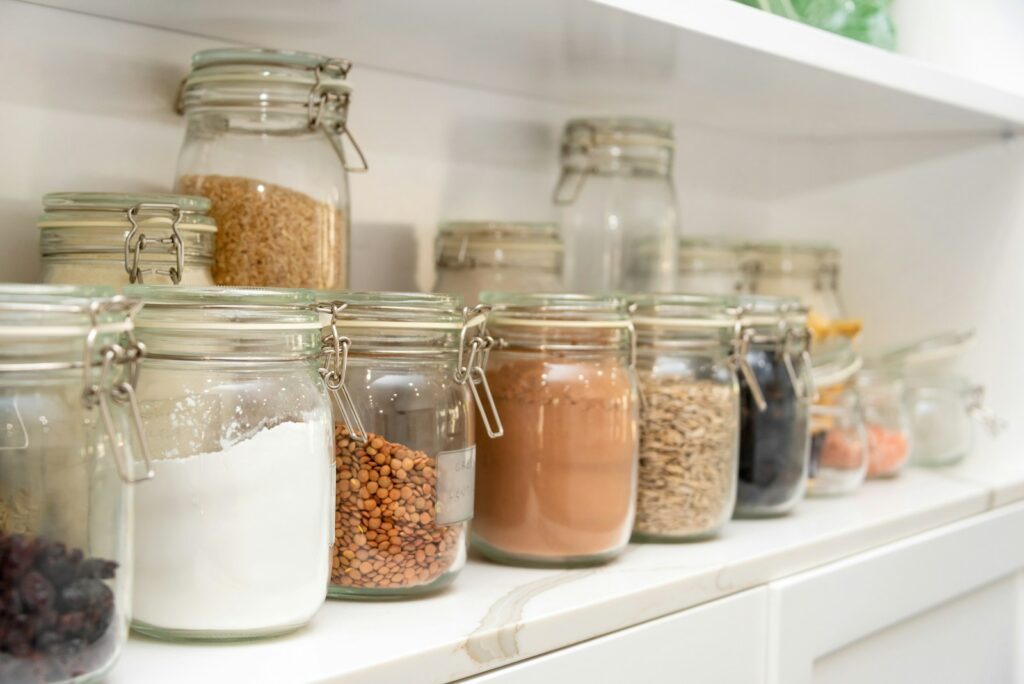
Using clear bins helps you see what’s inside without opening them. This makes it easier for your kids to find their toys quickly.
Label each bin with specific toy types like “Cars,” “Dolls,” or “Blocks.” Clear labels help your children understand where each toy belongs.
You can keep the bins within reach so your kids can help with cleanup. This simple system reduces mess and encourages responsibility.
3. Implement a toy rotation system
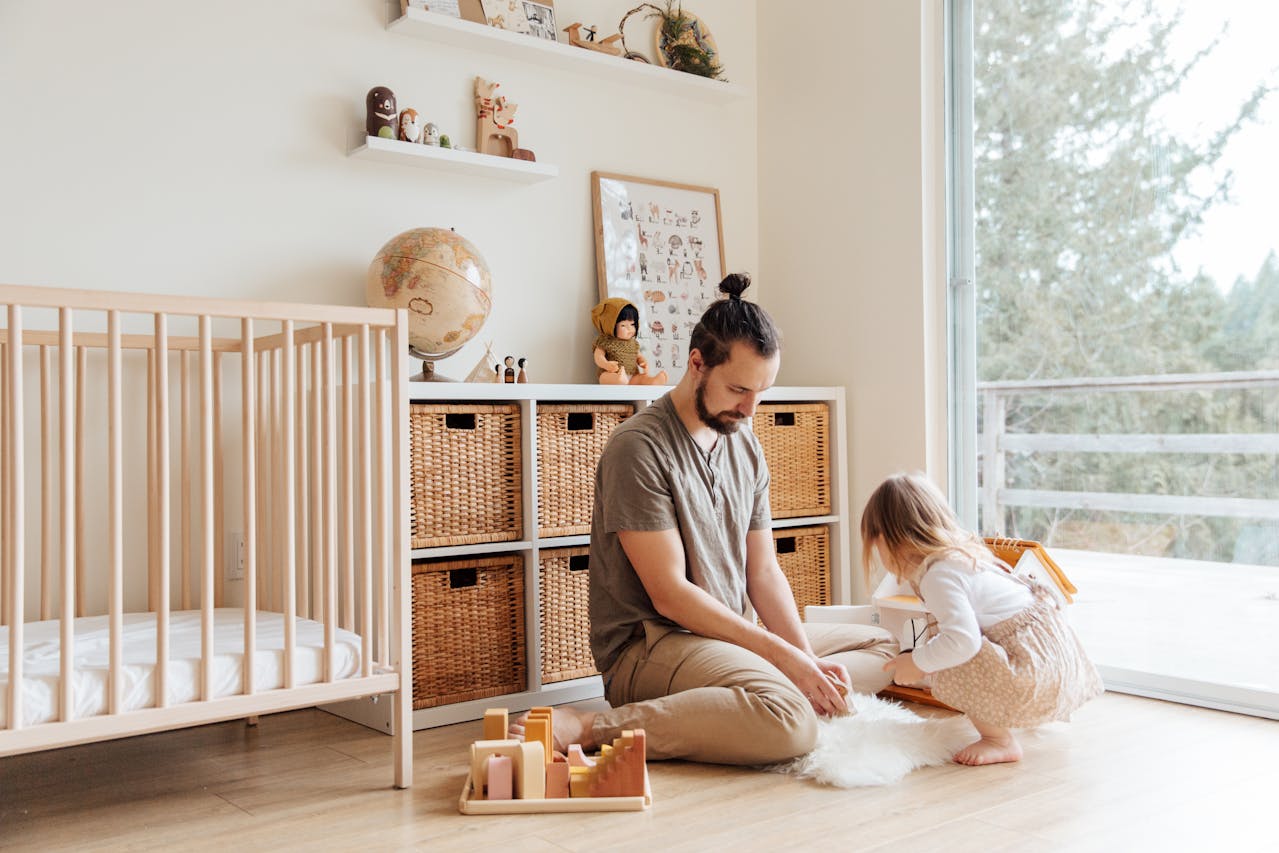
Start by gathering all your child’s toys in one place. Choose a small selection to keep accessible, and store the rest out of sight.
Rotate the toys every week or two to keep things fresh and interesting. This reduces clutter and helps maintain your child’s focus.
Make sure each toy is complete before putting it away. You can use bins or shelves to organize the stored toys by category or age.
4. Store puzzle pieces in zippered bags

You can keep your puzzle pieces together by using zippered bags. These bags help prevent pieces from getting lost and make cleanup easy.
Choose clear, mesh, or labeled bags so your child can quickly find the right puzzle. Zippered bags also fit well on shelves or in bins, keeping everything tidy and accessible.
5. Keep frequently used toys accessible

Place the toys your kids play with most on low, open shelves. This makes it easy for them to find and put away their favorites without help.
Using baskets or bins at their level helps keep things tidy while giving kids the freedom to choose what to play with. It also encourages them to clean up afterward.
Avoid hiding popular toys in complicated storage spots. Keeping these items visible saves time and makes playtime more enjoyable for everyone.
6. Donate or toss unused toys regularly

You should check your child’s toys often and remove the ones they no longer use. This helps keep the play area neat and prevents clutter from building up.
Involve your child in deciding which toys to donate or toss. Letting them choose teaches responsibility and makes the process easier.
Toys that are broken or unsafe should be thrown away. Gently used ones can be donated to charity, giving them a second life and helping others.
7. Use low shelves for easy reach
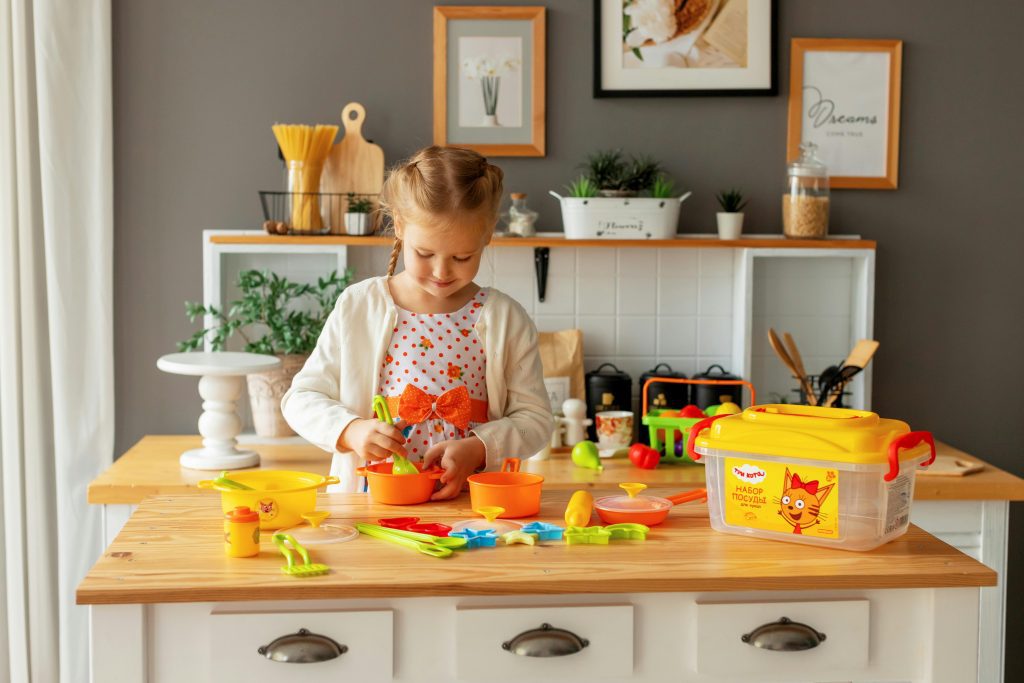
Using low shelves lets your kids access their toys without help. This encourages independence and makes cleanup easier for everyone.
Choose shelves that are sturdy and open, so kids can see and grab what they need quickly. Keeping toys visible helps your child remember to put them back.
Place frequently used toys on the lowest shelves. This keeps playtime fun and cleanup simple.
8. Create a dedicated play zone
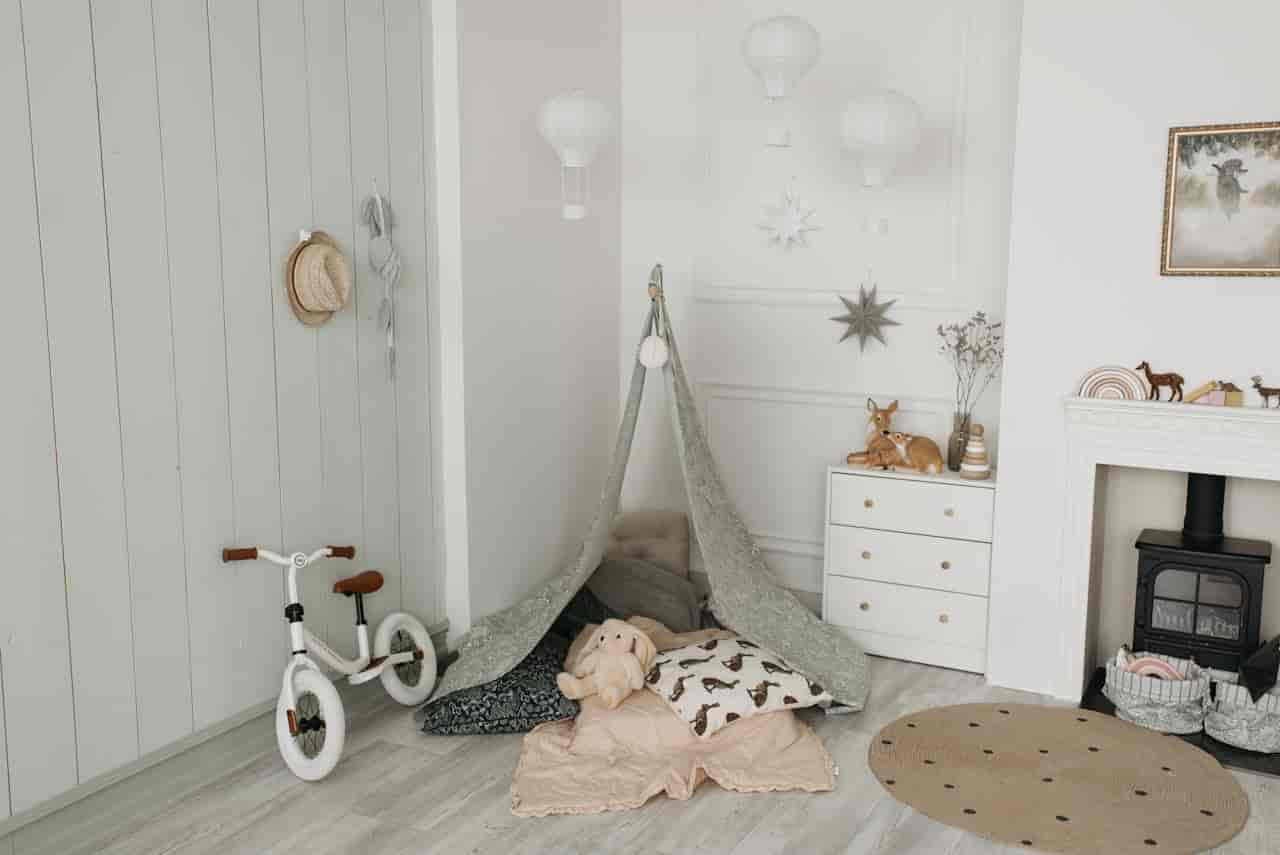
Set aside a specific area just for play. This helps your child know where toys belong and where they can enjoy themselves.
Make sure the space is open and inviting. Having enough room encourages your child to clean up when they’re done.
Use low shelves or bins for easy access. When toys have a clear home, it’s simpler to keep the area tidy every day.
9. Use laundry bags for bulky toys

You can use laundry bags to store bulky toys like stuffed animals or pool toys. They keep everything contained and make it easy to move the toys from room to room.
Mesh laundry bags also help keep toys dry and reduce mildew, which is great for bath or outdoor toys. Plus, they’re affordable and simple to hang or stash away.
10. Involve kids in cleanup routines

You can make cleanup a simple part of your child’s day by involving them in the process. When kids know where each toy belongs, they are more likely to put things away on their own.
Try to turn tidying up into a fun activity. Use clear bins or label storage so your child can easily identify where items go.
Setting a routine helps too. Regularly cleaning up after playtime teaches responsibility and makes the task feel normal, not like a chore.
11. Use color-coded bins for organization

Using color-coded bins helps you quickly sort toys by type or category. You can assign a color to cars, dolls, or building blocks, making clean-up easier for both you and your child.
This system encourages kids to put toys away in the right spot. It also adds a fun, visual element to organizing that keeps the playroom tidy with less effort.
12. Store small toys in compartmentalized containers
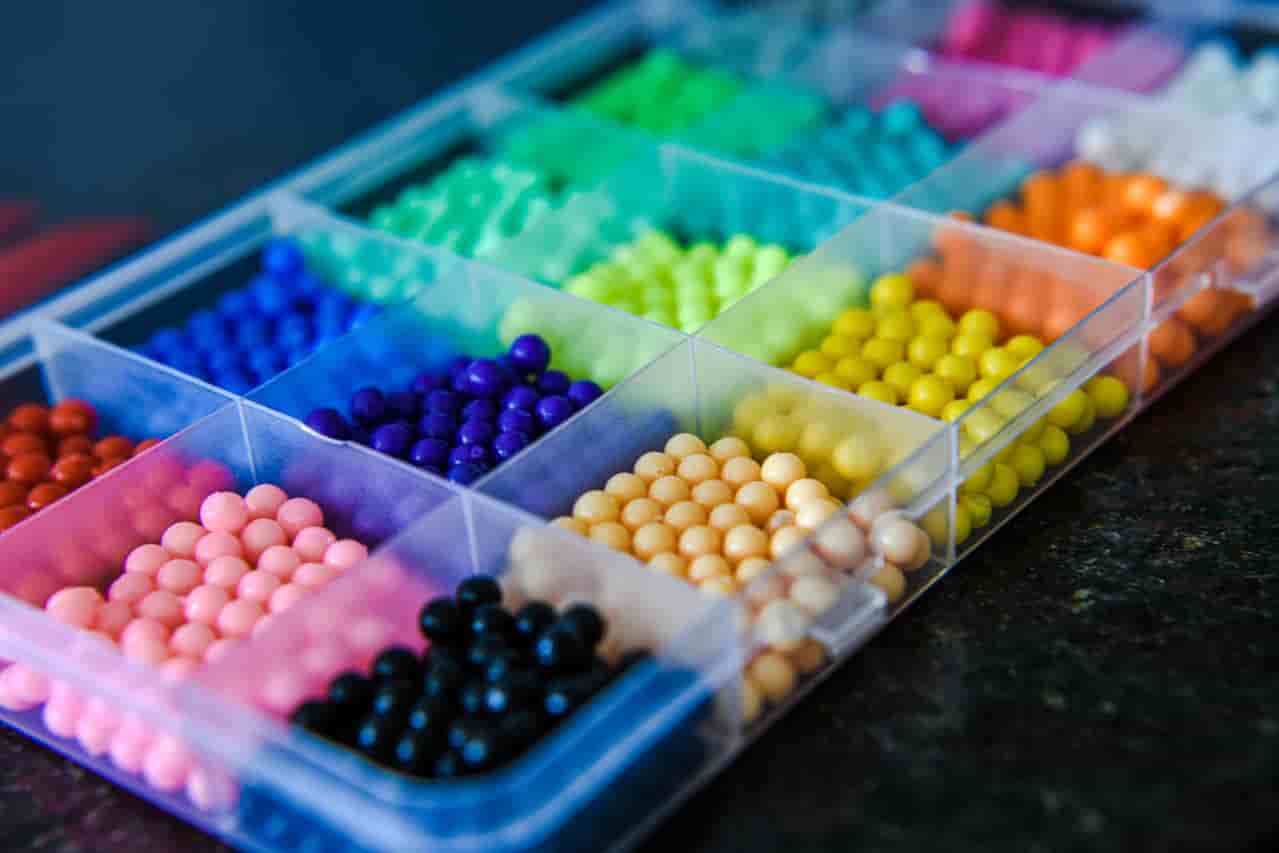
You can use clear plastic drawers or craft boxes with compartments to keep small toys organized. These containers make it easy for your child to find and put away pieces like figures, blocks, or puzzle parts.
Having designated sections helps prevent toys from getting mixed up or lost. It also speeds up cleanup because everything has its own spot. Choose containers that fit your space and are easy for your child to access.