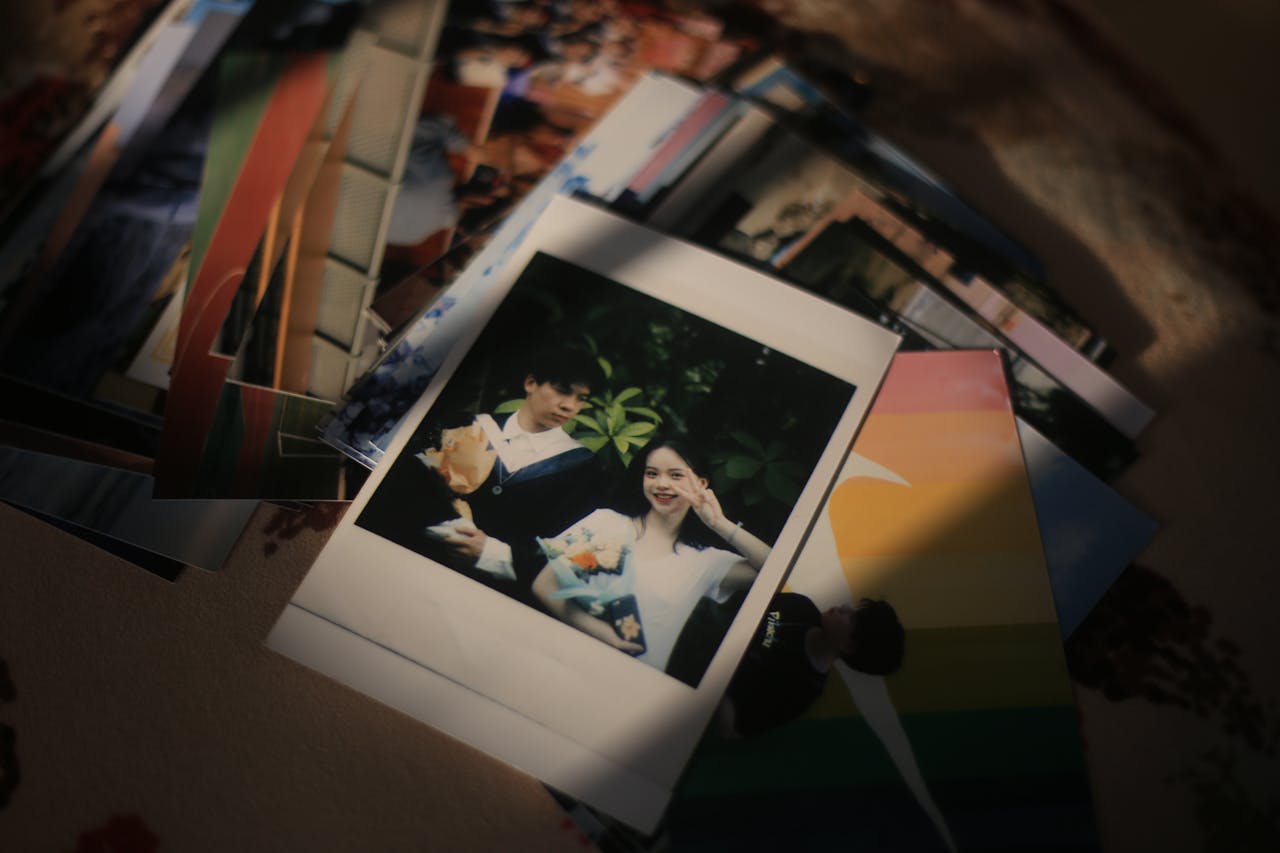
Vintage photos hold valuable memories that connect you to the past. Over time, these images can fade, yellow, or get damaged if not cared for properly.
Protecting your vintage photos helps preserve those moments for years to come and ensures they stay in good condition. This guide will help you understand how to keep your old pictures safe and lasting longer.
Store photos in acid-free photo albums
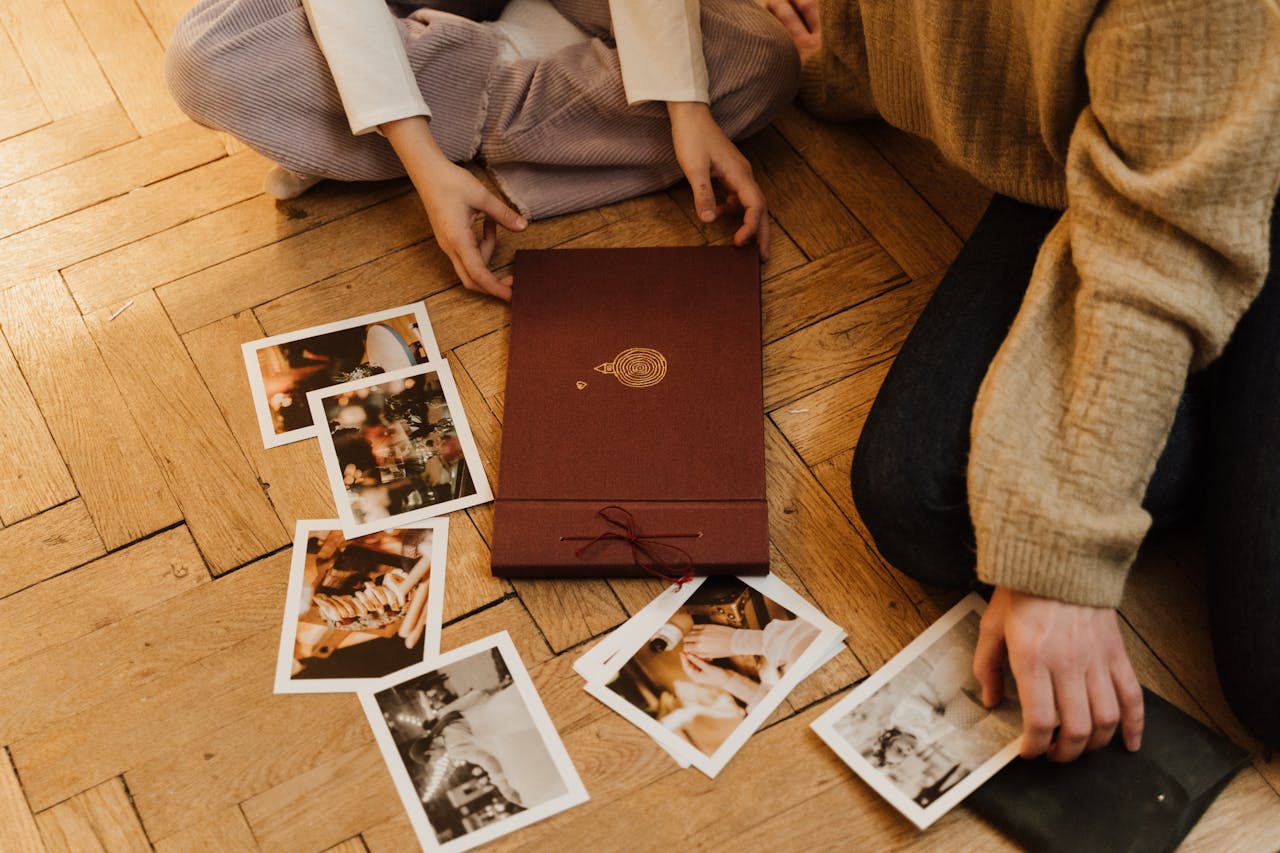
You should choose photo albums made from acid-free, archival-quality materials. These help prevent your vintage photos from turning yellow or fading over time.
Avoid albums with adhesives, tape, or plastic that can damage your photos. Acid-free albums are designed to protect your images for years.
Wrapping albums in acid-free paper before storing them adds an extra layer of protection. This keeps your photos safe from harmful chemicals and environmental damage.
Use archival quality photo sleeves
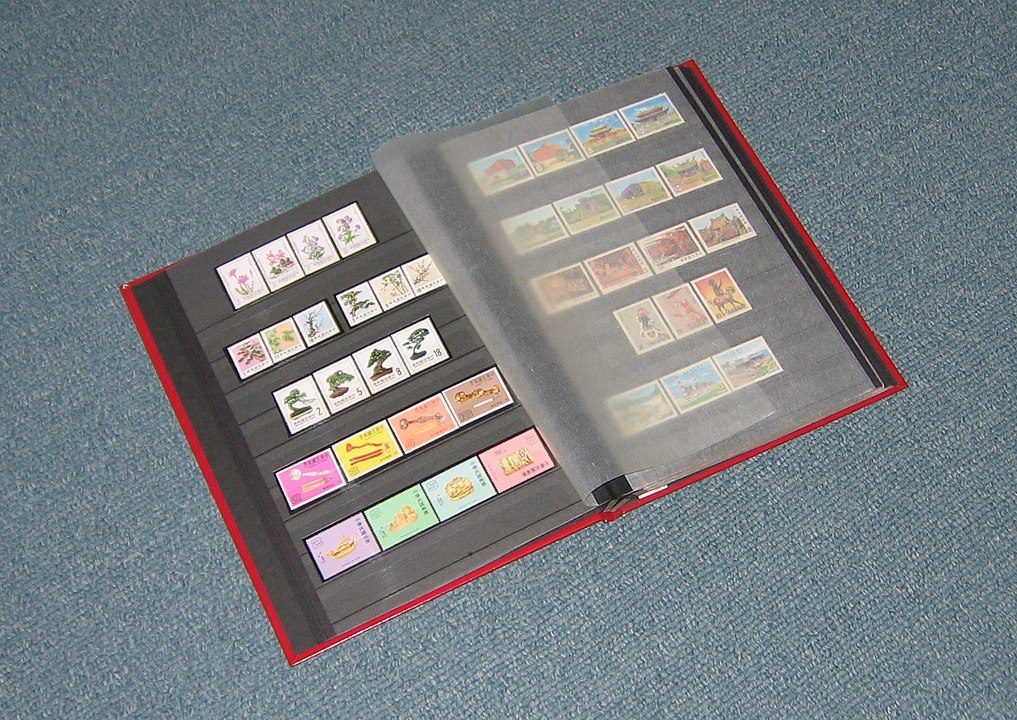
You should use archival-quality photo sleeves to protect your vintage photos. These sleeves are made from acid-free materials that prevent yellowing and deterioration over time.
Choose sleeves made of polyester, polypropylene, or polyethylene, as they provide good physical support without harming your photos.
If you handle your photos frequently, polyester sleeves are the best option since they are more durable. Using these sleeves helps keep your photos safe from dust, fingerprints, and other damage.
Keep photos out of direct sunlight
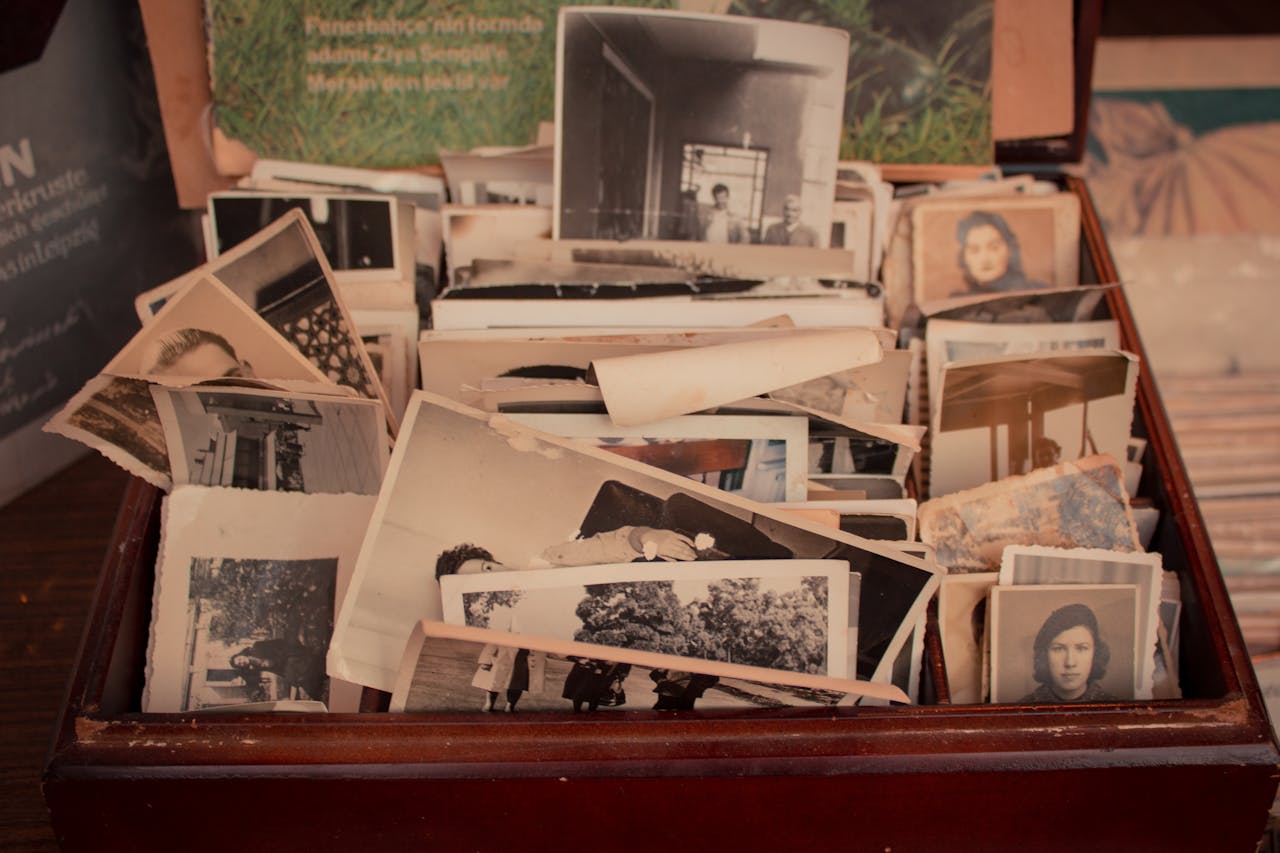
You should avoid placing your vintage photos where they get direct sunlight. UV rays break down the chemical bonds in the image, causing colors to fade over time.
If you want to display photos, use UV-protective glass in the frames. This glass can block most harmful rays and help keep your photos looking better for longer.
Storing photos in a cool, shaded spot also helps preserve their colors. It’s an easy way to protect your memories without extra work.
Avoid magnetic or peel-and-stick albums

You should avoid using magnetic or peel-and-stick photo albums for your vintage photos. These albums often contain acidic adhesives that can slowly damage or stick to your pictures.
Over time, the glue can become difficult to remove and may leave marks or even tear your photos.
Instead, choose albums labeled “acid-free” to better protect your memories. This helps keep your photos safe and intact for years to come.
Digitize photos by scanning them

You can protect your vintage photos by creating digital copies using a scanner. Flatbed scanners are a popular choice because they offer good quality and let you carefully scan each photo without handling them too much.
Be sure to scan your photos in color, even if they are black and white or sepia-toned. This helps preserve their original details.
If you don’t have a scanner, many modern printers include one. Just keep your photos flat and clean for the best results.
Mount photos with acid-free corners

You can protect your vintage photos by using acid-free corners to mount them. These corners hold photos securely without applying adhesive directly on the image.
Because they are acid-free, they help prevent yellowing or damage over time.
Using acid-free corners is simple and reversible, making it easy to change or remove your photos later without harm.
Store photos in a cool, dry place

You want to keep your vintage photos away from heat and humidity. A temperature between 60-65°F with 40-50% humidity is best to prevent damage.
Choose a spot in your home that stays consistent, like a closet or drawer. Avoid basements and attics where conditions can fluctuate.
Keeping photos dry stops mold and mildew from forming. Protect your memories by storing them in a place that stays cool and dry.
Avoid attic, basement, and garage storage
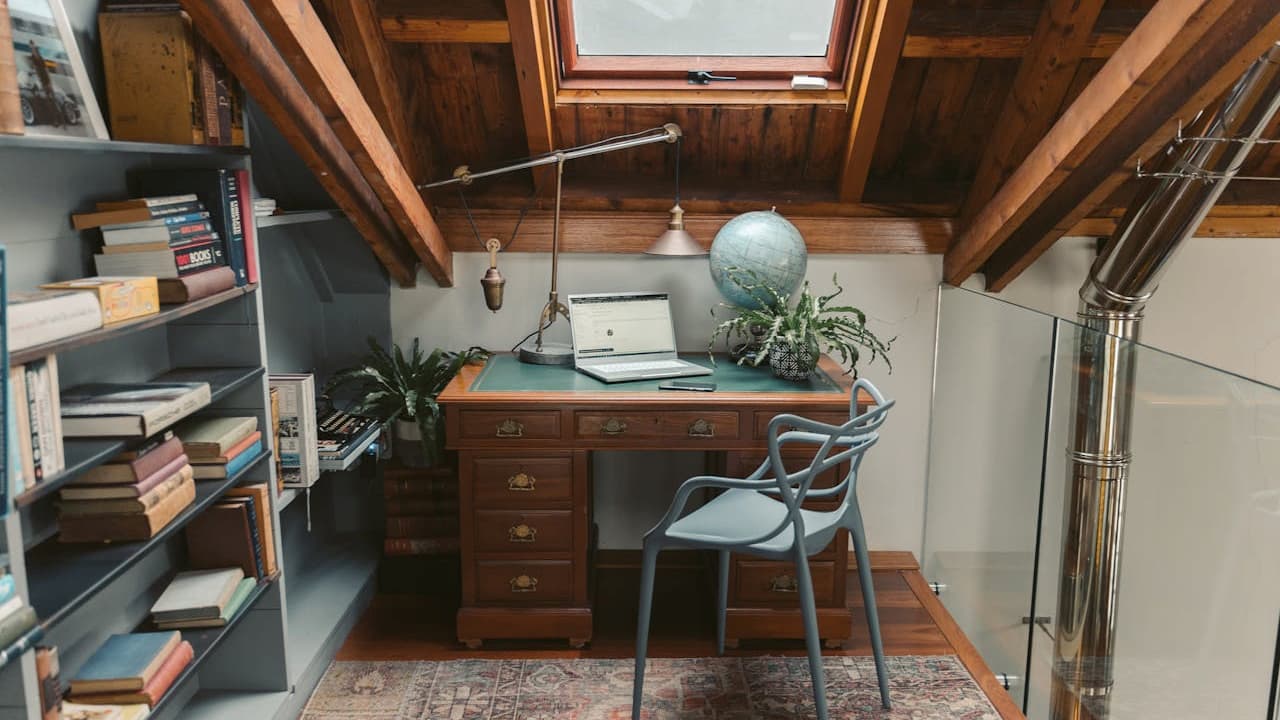
You should avoid storing vintage photos in places like the attic, basement, or garage. These areas often have extreme temperature changes and moisture, which can damage your photos over time.
Fluctuating conditions may cause your photos to warp, fade, or develop mold. Pests and dust are also common concerns in these spaces.
Instead, choose a cool, dry spot with stable conditions to keep your photos safe and in good shape.
Frame photos behind UV-protective glass

You can protect your vintage photos by framing them behind UV-protective glass or acrylic. This type of glazing blocks most of the harmful ultraviolet rays that cause fading over time.
Keep in mind, UV protection slows fading but doesn’t stop it completely. Choose museum-quality or specially coated glass for the best balance between protection and photo clarity.
Keep photos away from fluorescent lighting

You should avoid placing vintage photos under fluorescent lights. These lights emit ultraviolet (UV) rays that can cause gradual fading and damage over time.
Even though fluorescent lighting is less intense than sunlight, it can still harm your photos if they are exposed for long periods.
Using LED lighting instead is a safer option because it produces much less UV light. Keep your photos in dimmer areas to help preserve their original colors.
Use stable plastic photo album pages

When choosing photo album pages, opt for stable plastics like polyester, polyethylene, or polypropylene. These materials are safe and won’t damage your vintage photos over time.
You should avoid albums with self-stick or magnetic pages, as adhesives can harm your photos. Using plastic sleeves with pockets helps keep each photo protected and organized.
This simple step prevents exposure to harmful elements and reduces the risk of scratches or tears while handling your precious pictures.
Place only one photo per sleeve

You should put just one photo in each protective sleeve. This prevents scratches and bending caused by photos rubbing together.
Use a sleeve slightly larger than your photo to avoid edges sticking out. That way, your photo stays fully covered and safe from dust.
Single-photo sleeves keep your vintage pictures neat and easy to handle. They also make it simpler to label or organize without risking damage.