Buying groceries can feel like a constant battle against rising prices. Even when you try to shop smart, certain habits might be quietly driving up your bill or wasting the good food you bring home.
Understanding these common mistakes can help you make the most of your expensive groceries and get better value for your money. With a few simple changes, you can avoid unnecessary costs and stretch your food budget further.
Shopping without a list

When you shop without a list, it’s easy to buy things you don’t need. Your trip becomes less focused, and you may forget essential items.
A list keeps you organized and helps avoid impulse purchases that can add up quickly. Planning ahead means you stick to what’s necessary and reduce waste.
Try making a simple list before you go. It can make your shopping faster and save you money in the long run.
Shopping while hungry

When you shop hungry, your cravings tend to take over. You’re more likely to grab extra snacks or impulse buys that add up quickly.
Hunger narrows your focus to immediate satisfaction, making it harder to stick to your list. This can lead to expensive groceries that don’t fit your meal plan.
Try eating a small meal or snack before shopping. It helps you make clearer, more budget-friendly choices.
Ignoring unit prices

When you skip checking unit prices, you might miss out on real savings. A larger package isn’t always cheaper per ounce or pound.
Always compare the cost per unit, especially between brands or package sizes. This helps you find the best deal without guessing.
Using unit prices can also help you spot when a sale is actually worth it. It’s an easy habit that protects your grocery budget.
Buying only premium brands

Choosing only premium brands can quickly drain your grocery budget. These products often carry a higher price tag without offering significantly better quality.
You don’t always have to pay more to get good results. Trying generic or store-brand options can help you save money without sacrificing taste or nutrition.
Switching between premium and more affordable brands depending on the item can stretch your dollars further while still enjoying the foods you like.
Not planning meals ahead

When you don’t plan your meals, it’s easy to buy items you don’t need. This often leads to waste, especially with fresh and expensive groceries.
Having a meal plan helps you focus on what you truly need for the week. It also makes grocery trips quicker and less stressful.
By knowing what you’ll cook each day, you can avoid impulse buys that drive up your bill. Planning saves both money and food.
Skipping seasonal produce

When you avoid buying seasonal produce, you often pay more for fruits and vegetables. Seasonal items are usually fresher and cheaper because they are harvested locally and in abundance.
Choosing what’s in season can also help you enjoy better-tasting food. Sticking to seasonal produce reduces waste since these items last longer and are less likely to spoil quickly.
Buying large packs that spoil

Buying big packs can seem like a smart way to save money. But if you can’t use everything before it goes bad, you actually waste food and money.
Perishable items like fresh fruits and vegetables spoil quickly. So, buying them in large quantities often leads to spoilage instead of savings.
Stick to amounts you can realistically consume. This helps you avoid throwing away pricey groceries and keeps your food fresh longer.
Overlooking store brands

You might be skipping store brands thinking they’re lower quality. Many times, these products are made by the same manufacturers as name brands but cost less.
Trying store brands can help you save money without sacrificing taste or quality. Give them a chance, especially for staples like canned goods or snacks.
This small change can reduce your grocery bill over time while still getting the items you need.
Ignoring sales and coupons

You miss out on savings when you skip checking sales flyers before shopping. Stores often offer discounts on popular items, which can help you stretch your budget.
Coupons, even digital ones, are easy to use and add up over time. They don’t require clipping, just a quick search or scan at checkout.
Planning your grocery list around current sales can keep your expenses lower without sacrificing quality. It’s a simple habit that pays off.
Not comparing prices between stores

You might be spending more than necessary if you don’t check prices at different stores. Grocery prices can vary significantly depending on where you shop.
Taking a little extra time to compare can help you spot better deals. This simple step can lead to noticeable savings over time.
Using apps or websites to compare prices before you buy can make this easier and faster. It helps you make smarter choices and keep your grocery budget in check.
Throwing away leftovers

You’re wasting money when you toss out leftovers instead of saving them. Leftovers can be stored safely in the fridge or freezer for later use.
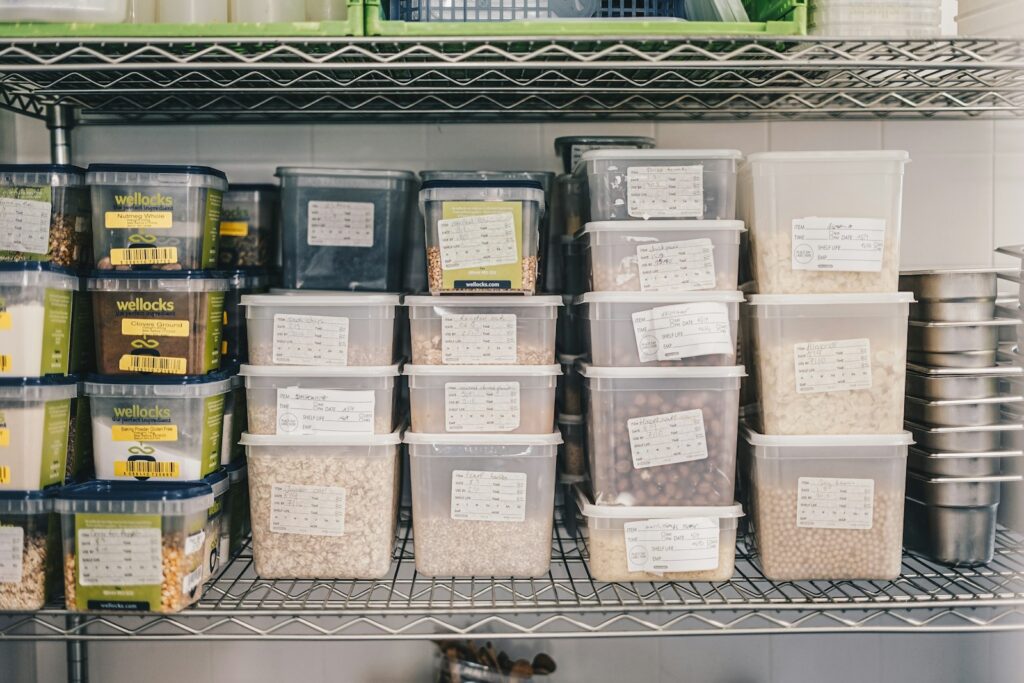
Try portioning leftovers into smaller containers so you use only what you need. Label and date everything to keep track of freshness.
Getting creative with leftovers can prevent waste. Turn them into new meals or combine them with fresh ingredients to save money and reduce food waste.
Not properly storing fresh produce

You might be tossing fresh fruits and veggies in the fridge without thinking about the best spots for them. Some items, like potatoes and onions, actually do better in a cool, dark place outside the fridge.
Washing produce too early or in the wrong way can speed up spoilage. Instead, wash just before use, or rinse in a vinegar solution to help kill bacteria and extend freshness.
Using airtight containers or breathable bags can make a big difference in how long your produce lasts. Simple changes like these help you get the most from your groceries.