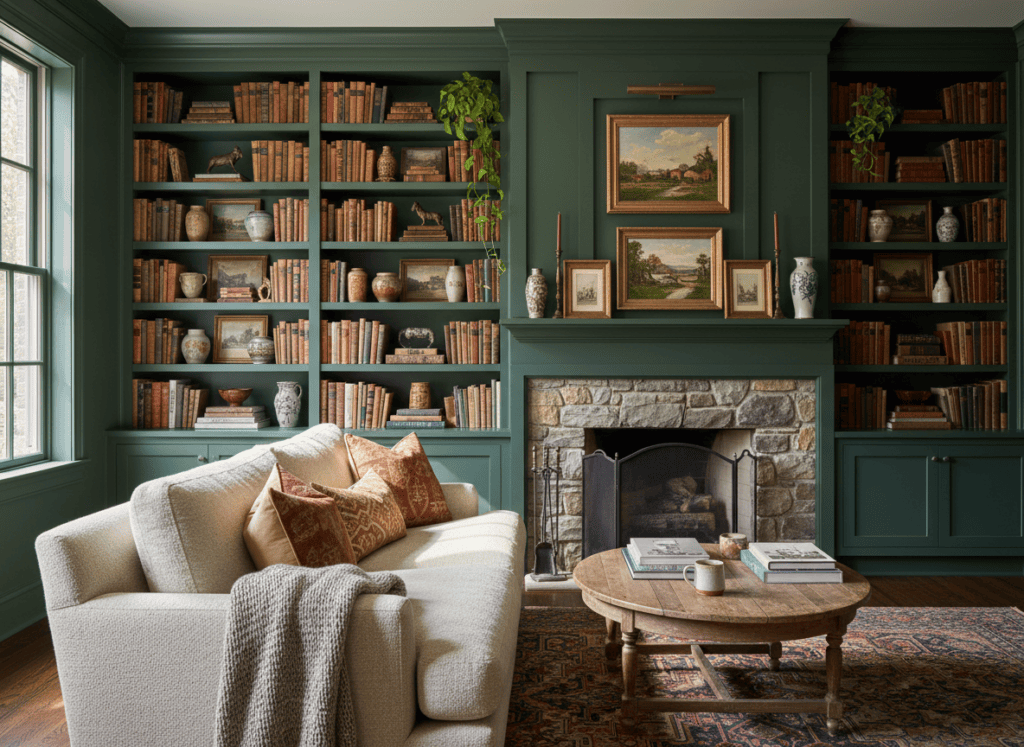
We all have fond memories of visiting our grandparents and being fascinated by the various antique dishes they had on display in their cabinets. These timeless pieces not only added charm to their homes but also provided a glimpse into the past. Today, some of these heirloom pieces are not just sentimental favorites but also priceless treasures.
So, let’s take a walk down memory lane and discover 13 antique dishes from Grandma’s cabinet that have now become priceless.
1. Flow Blue China Plates
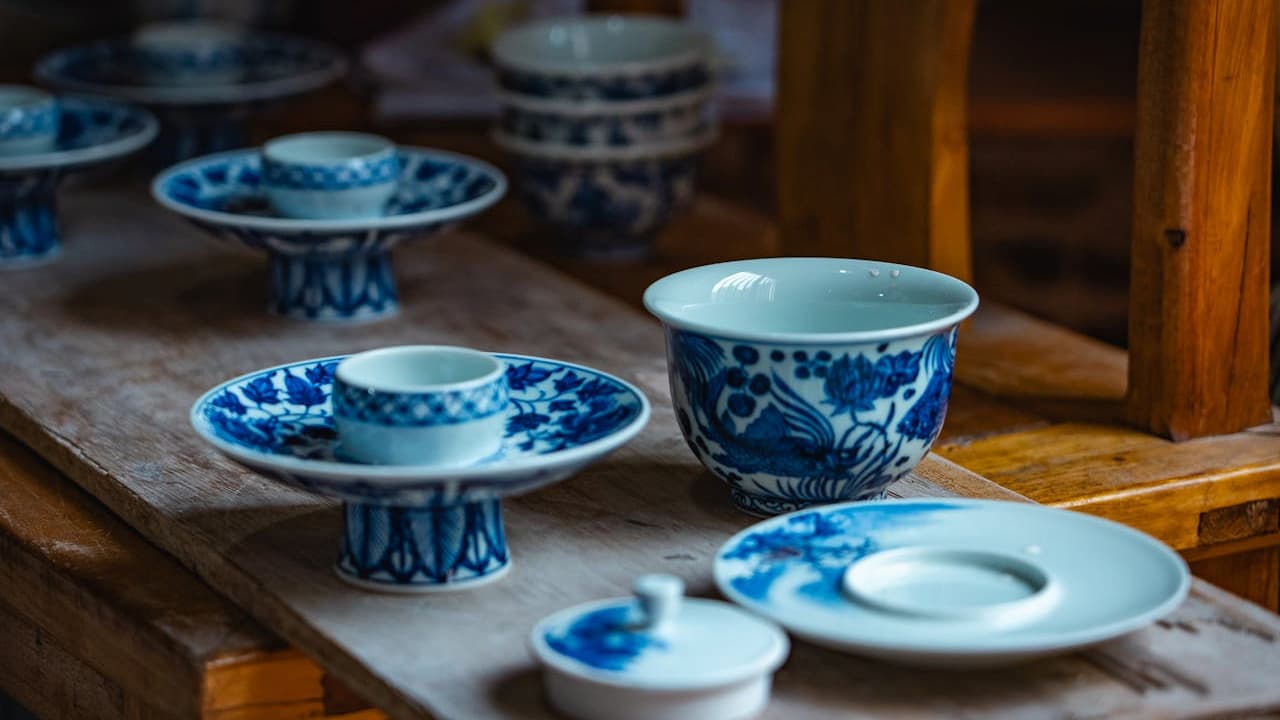
Flow Blue China plates, with their distinctive blue and white design, are some of the most sought-after antique dishes. Originating from Staffordshire, England, in the 1820s, these plates were intentionally blurred to create a beautiful ‘flowing’ effect.
The value of these plates has skyrocketed in recent years, mainly due to their rarity and distinctive aesthetics. If you’re lucky enough to have some Flow Blue China plates in your family, they could be worth a small fortune. Make sure to handle them with care and consider getting them professionally valued.
2. Wedgwood Jasperware
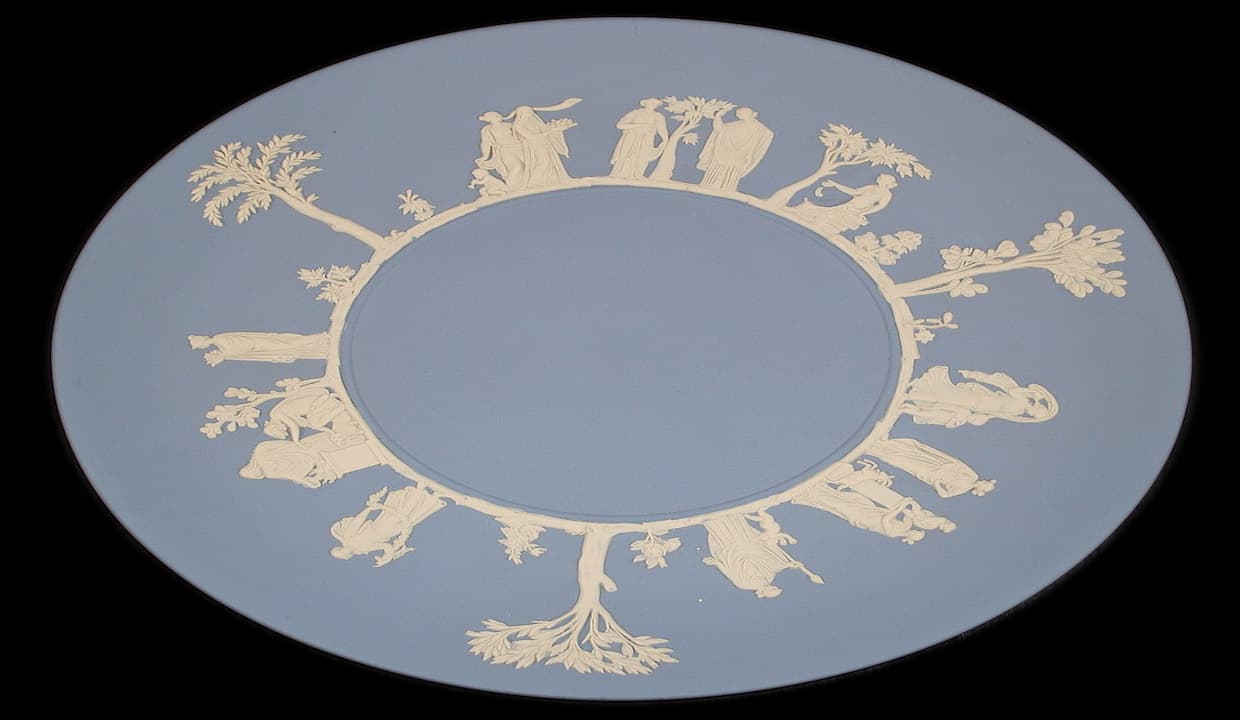
Recognizable by its matte finish and bas-relief ornamentation, Wedgwood Jasperware is a type of unglazed stoneware introduced by Josiah Wedgwood in the late 18th century. Most commonly found in its signature pale blue color, it also comes in other colors like green, lilac, and black.
This timeless dishware is not only a beautiful addition to any collection, but it can also be quite valuable. Depending on the age, condition, and rarity of the piece, Wedgwood Jasperware can fetch a high price at auction. If you’re lucky enough to inherit some, it would be wise to have it professionally appraised.
3. Pink Depression Glass

Pink Depression glass is a type of glassware that was mass-produced during the Great Depression. It was often given away as a premium at gas stations or movie theaters. Although it was inexpensive at the time, its value has dramatically increased in recent years.
The pink color, combined with the intricate patterns and designs, makes Pink Depression glass incredibly desirable for collectors. If you have some pieces in your family, they could be worth a significant amount. Just make sure to check for any chips or cracks, as these can significantly lower their value.
4. Spode Blue Italian China
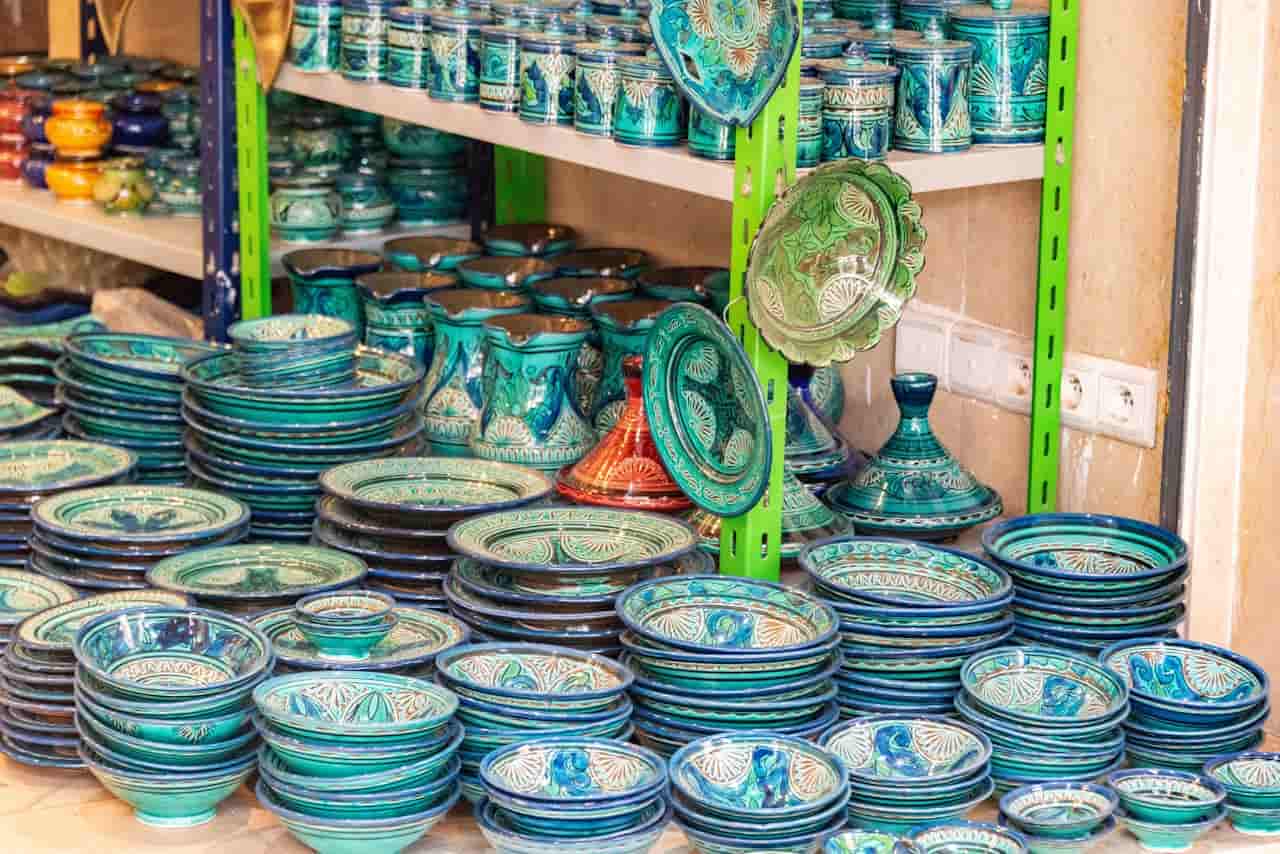
Introduced in 1816, Spode’s Blue Italian China’s distinctive blue and white pattern has remained popular for over two centuries. It features detailed scenes of rural Italy, making it a favorite among collectors and antique enthusiasts.
Like other antique dishes, the value of Spode Blue Italian China can vary greatly depending on the age, condition, and rarity of the piece. However, if you have a complete set in good condition, it can be worth quite a lot. It’s always a good idea to have it professionally appraised.
5. Limoges Porcelain
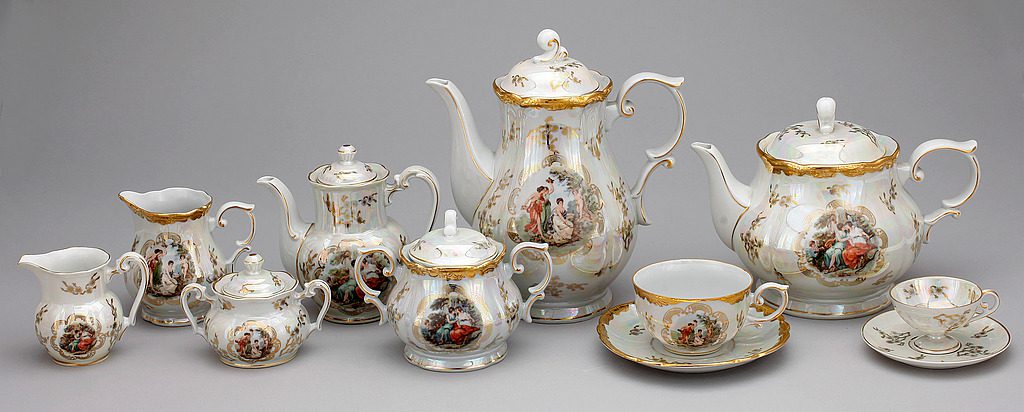
Recognized for its high-quality craftsmanship, Limoges porcelain is a type of fine white porcelain that originated in Limoges, France. It is highly prized for its elegant designs and delicate features.
Limoges porcelain can vary greatly in value, with some pieces worth only a few dollars and others worth thousands. The age, condition, and rarity of the piece, as well as the artist who painted it, can all affect its value. If you have Limoges porcelain, consider having it professionally appraised.
6. Majolica Pottery
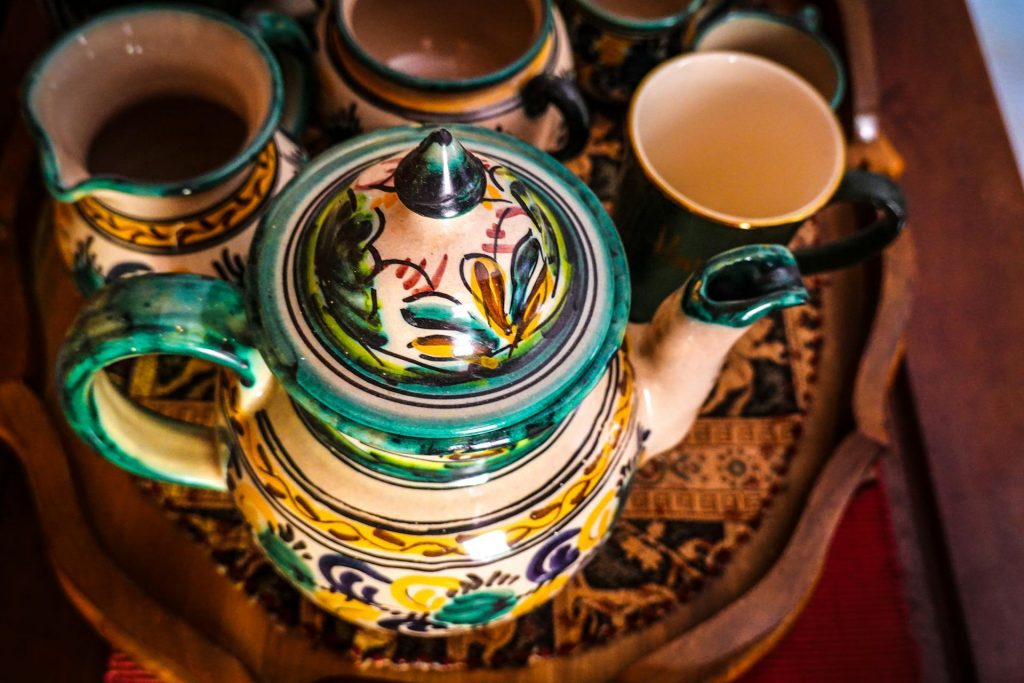
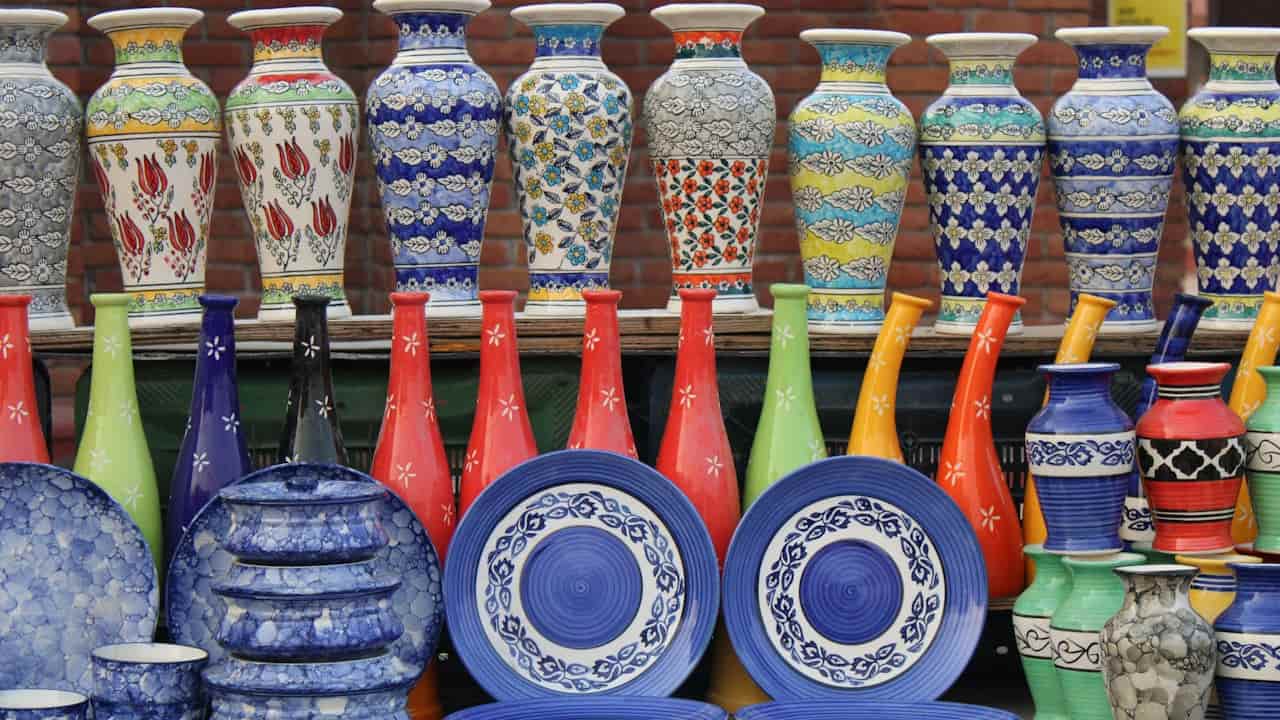
Majolica pottery is a type of earthenware pottery that was popular during the Victorian era. It’s known for its bright colors, intricate designs, and glossy glaze.
Majolica pottery can be quite valuable, especially if it’s in good condition and has a recognizable maker’s mark. If you have Majolica pottery, it’s a good idea to have it professionally appraised. Just remember to handle it with care, as it can be quite fragile.
7. Meissen Porcelain
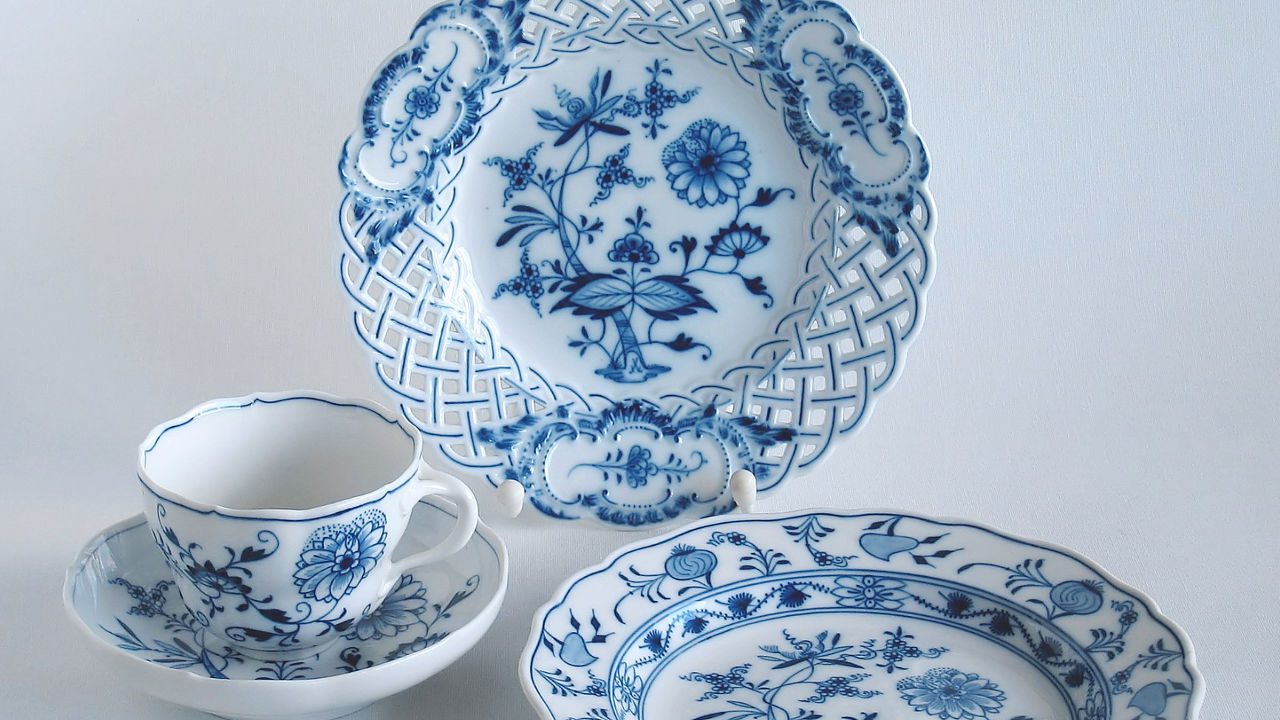
Meissen porcelain, also known as Dresden porcelain, is a type of hard-paste porcelain that was developed by Ehrenfried Walther von Tschirnhaus in the late 17th century. It’s known for its high-quality craftsmanship and intricate designs.
Meissen porcelain can be quite valuable, especially if it’s in good condition and features a recognizable maker’s mark. If you have Meissen porcelain, consider having it professionally appraised. Just remember to handle it with care, as it can be quite fragile.
8. Haviland China

Haviland China is a type of Limoges porcelain that was produced by the Haviland family in the mid-19th century. It’s known for its high-quality craftsmanship and elegant designs.
Haviland China can be quite valuable, especially if it’s in good condition and features a recognizable maker’s mark. If you have Haviland China, consider having it professionally appraised. Just remember to handle it with care, as it can be quite fragile.
9. Roseville Pottery
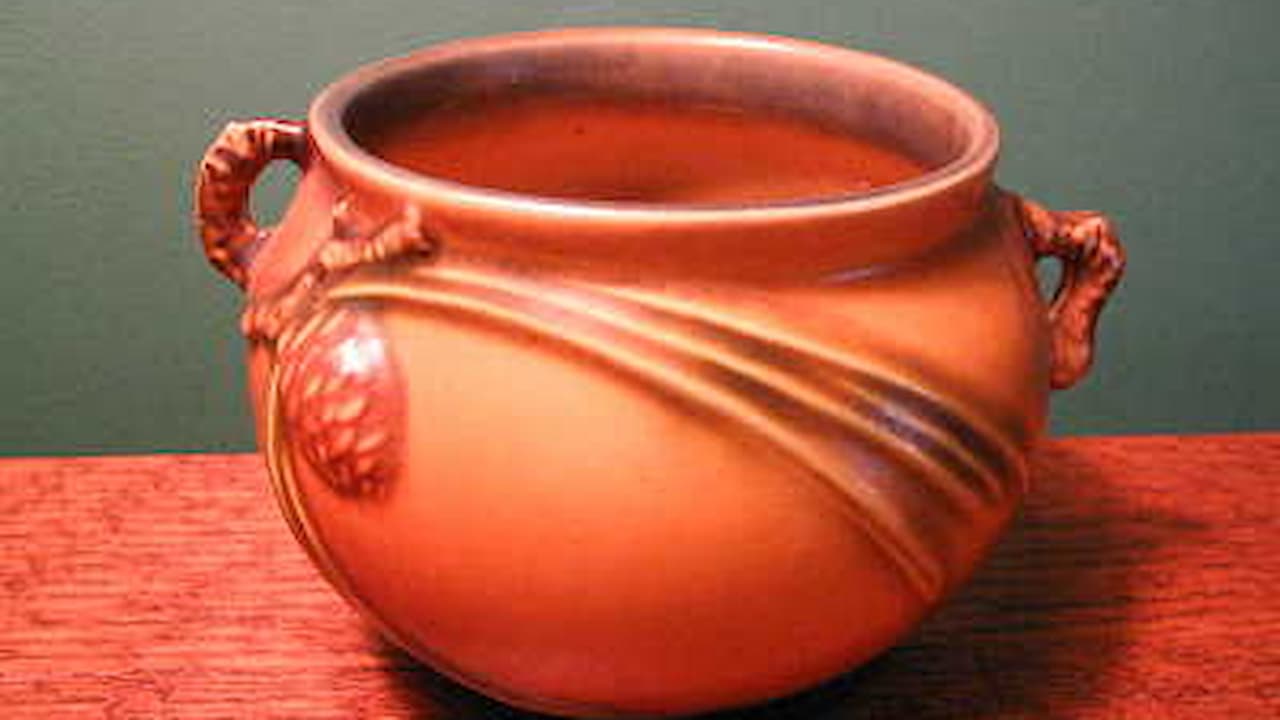
Roseville pottery is a type of American art pottery that was produced in the early 20th century. It’s known for its high-quality craftsmanship and intricate designs.
Roseville pottery can be quite valuable, especially if it’s in good condition and features a recognizable maker’s mark. If you have Roseville pottery, consider having it professionally appraised. Just remember to handle it with care, as it can be quite fragile.
10. Hull Pottery
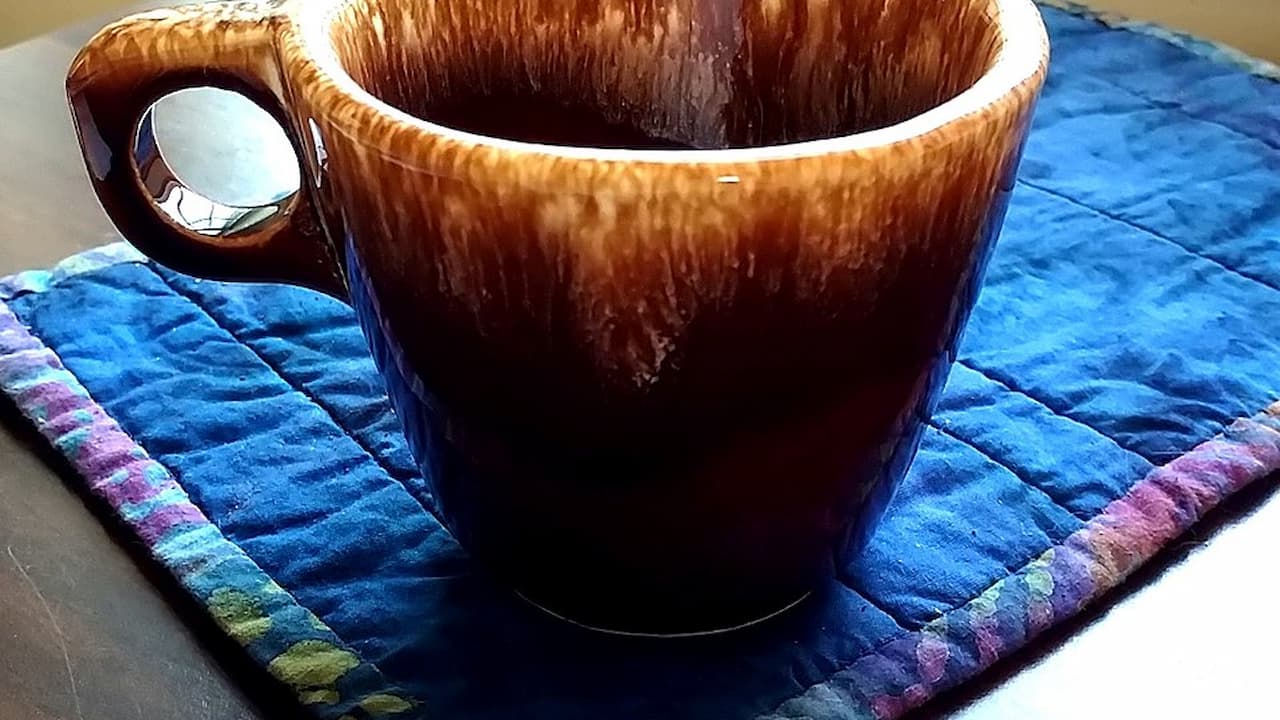
Hull pottery is a type of American art pottery that was produced in the mid-20th century. It’s known for its high-quality craftsmanship and intricate designs.
Hull pottery can be quite valuable, especially if it’s in good condition and features a recognizable maker’s mark. If you have Hull pottery, consider having it professionally appraised. Just remember to handle it with care, as it can be quite fragile.
11. Fiesta Dinnerware

Fiesta dinnerware is a type of colorful ceramic dinnerware that was produced by the Homer Laughlin China Company in the mid-20th century. It’s known for its high-quality craftsmanship and vibrant colors.
Fiesta dinnerware can be quite valuable, especially if it’s in good condition and features a recognizable maker’s mark. If you have Fiesta dinnerware, consider having it professionally appraised. Just remember to handle it with care, as it can be quite fragile.
12. Staffordshire Pottery

Staffordshire pottery is a type of earthenware pottery that was produced in Staffordshire, England, in the 18th and 19th centuries. It’s known for its high-quality craftsmanship and intricate designs.
Staffordshire pottery can be quite valuable, especially if it’s in good condition and features a recognizable maker’s mark. If you have Staffordshire pottery, consider having it professionally appraised. Just remember to handle it with care, as it can be quite fragile.
13. McCoy Pottery
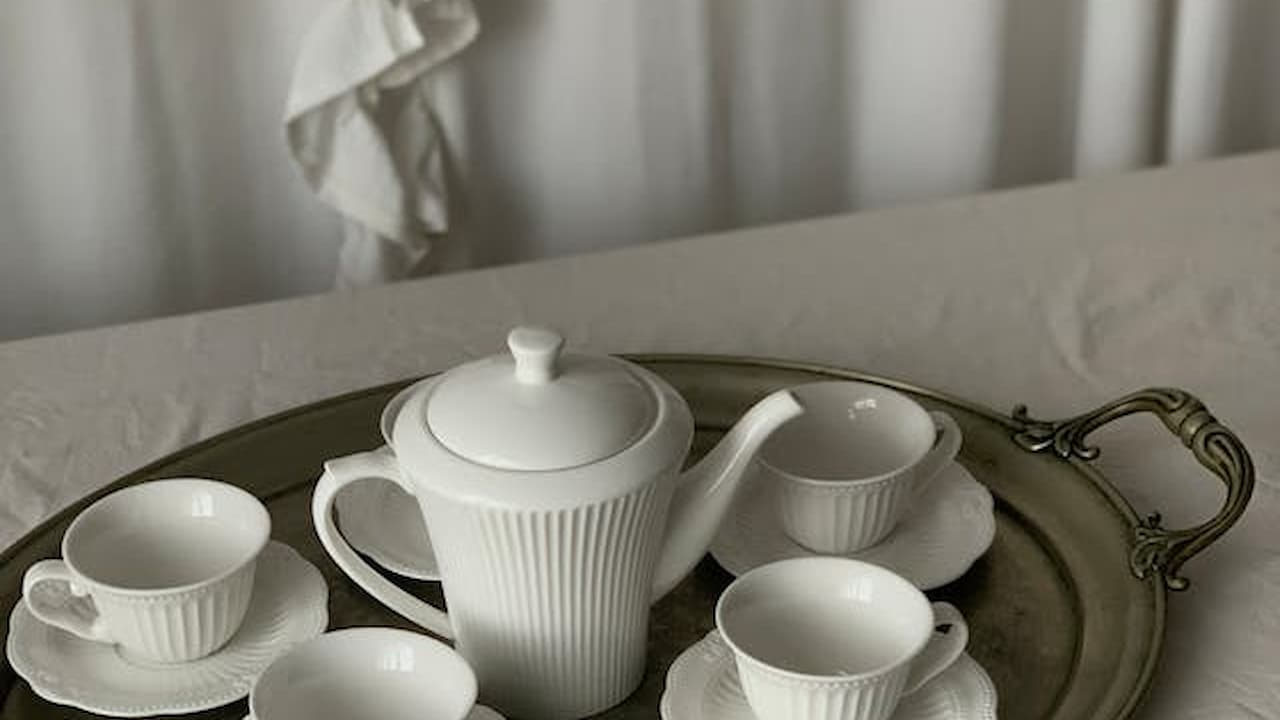
McCoy pottery is a type of American art pottery that was produced in the early 20th century. It’s known for its high-quality craftsmanship and intricate designs.
McCoy pottery can be quite valuable, especially if it’s in good condition and features a recognizable maker’s mark. If you have McCoy pottery, consider having it professionally appraised. Just remember to handle it with care, as it can be quite fragile.