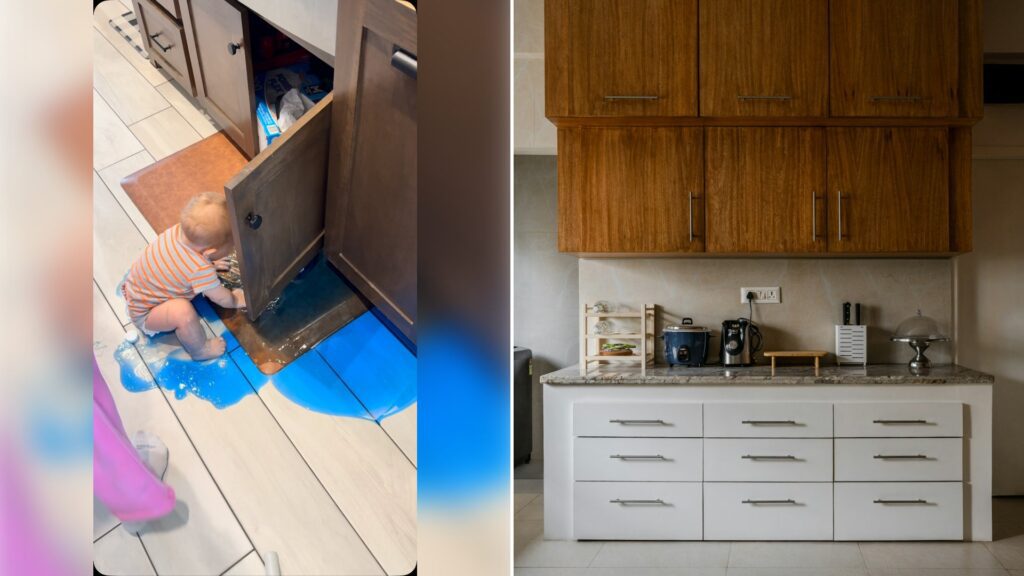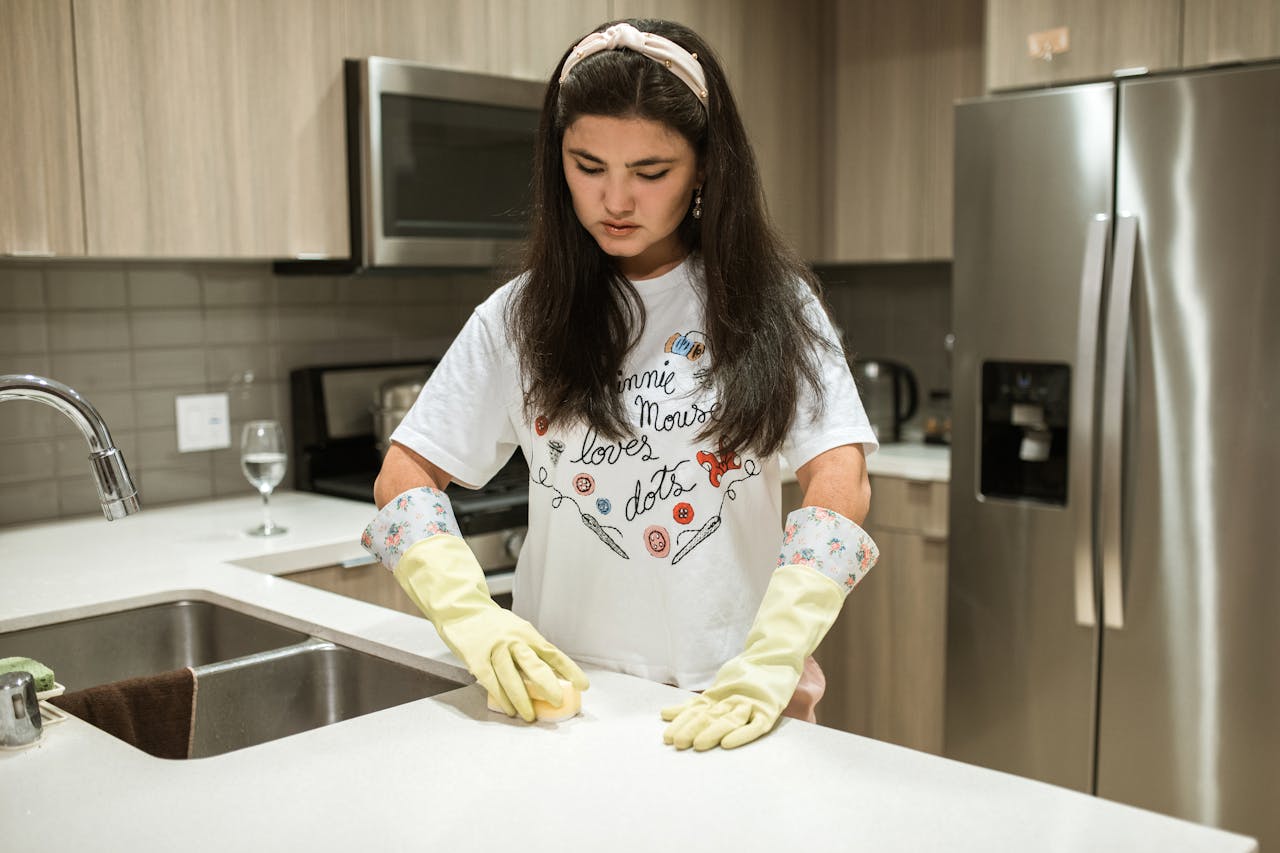
Cleaning is part of maintaining your home and belongings, but sometimes the way you clean can actually cause damage. Many common habits might seem helpful but end up harming your valuables over time.
Understanding the most frequent cleaning mistakes can help you protect your items and keep them looking their best longer. By paying attention to simple details, you can avoid unnecessary wear and tear while making your cleaning efforts more effective.
Using harsh chemicals on delicate wood

Using harsh chemicals on your wood furniture can damage the finish and dry out the surface. Avoid all-purpose sprays or strong cleaners that are not designed for wood.
Choose a cleaner made specifically for wood. This helps maintain the wood’s natural beauty without causing harm. Be gentle with your cleaning approach. Harsh products may cause discoloration or dullness over time.
Scrubbing stains on fabric instead of blotting

When you scrub a stain on fabric, you might think it helps remove it faster. But scrubbing can actually push the stain deeper into the fibers, making it harder to get out later.
Instead, you should blot the stain gently. Blotting helps lift the spill without spreading or embedding it.
Using a soft cloth and dabbing carefully is a much safer way to protect your fabrics while tackling stains.
Applying too much cleaning product on electronics

When you use too much cleaning product on your electronics, it can seep into small openings. This moisture might damage internal components over time.
Spraying liquids directly on screens or keyboards is risky. Instead, apply a small amount on a microfiber cloth first.
Using excess cleaner won’t make your device cleaner faster. A little goes a long way and protects your valuable gear.
Using abrasive sponges on glass surfaces

When you clean glass, using abrasive sponges can cause tiny scratches. These scratches may not be obvious at first but can dull the surface over time.
It’s better to use a soft cloth or a gentle sponge to protect your glass. Avoid scrubbing hard or using scouring pads, as they can leave permanent marks.
Taking a little extra care helps keep your glass looking clear and smooth for longer.
Not letting cleaner sit before wiping

When you spray a cleaner and wipe immediately, you may miss letting it fully break down dirt and germs. Giving it a minute or two to sit helps the product work better.
This small pause can make your cleaning more effective and prevent you from scrubbing harder than needed. Just remember to keep the area ventilated, especially in tight spaces.
Spraying cleaner directly onto marble countertops

When you spray cleaner straight onto marble, the liquid can sit and seep into tiny pores. This might cause dull spots or stains over time.
Instead, spray the cleaner onto a soft cloth first. Then, gently wipe your marble surface to avoid any damage.
This simple step helps keep your countertops looking smooth and prevents uneven cleaning or streaks.
Ignoring to clean vacuum filters regularly
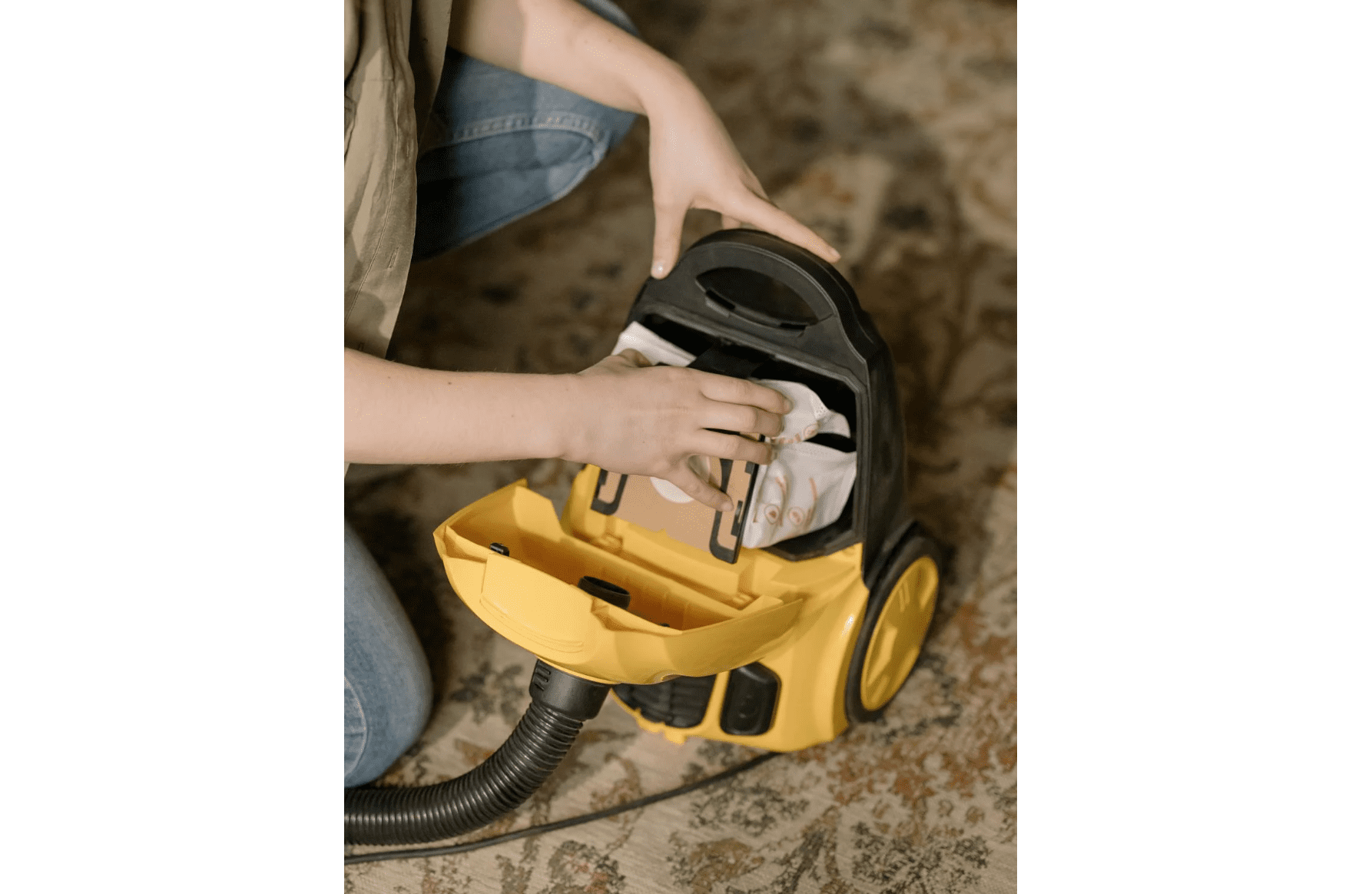
You might not realize how important your vacuum’s filter is until it starts affecting performance. When filters are clogged, your vacuum won’t pick up dirt as well, leaving your floors less clean.
Dirty filters also trap allergens poorly, which can make the air in your home worse. Cleaning or replacing the filter regularly keeps your vacuum working efficiently and protects your valuables by preventing dust buildup.
Mopping hardwood floors with excessive water

You might think wet mopping cleans better, but too much water can actually damage your hardwood floors. Water soaks into the wood and causes warping or staining over time.
Instead, use a mop that’s just damp, not dripping wet. Wring it out well before you start mopping to avoid excess moisture.
After mopping, it’s helpful to dry your floors with a clean, dry cloth to remove any leftover dampness. This keeps your floors looking great and lasting longer.
Using dryer sheets on microfiber cloths
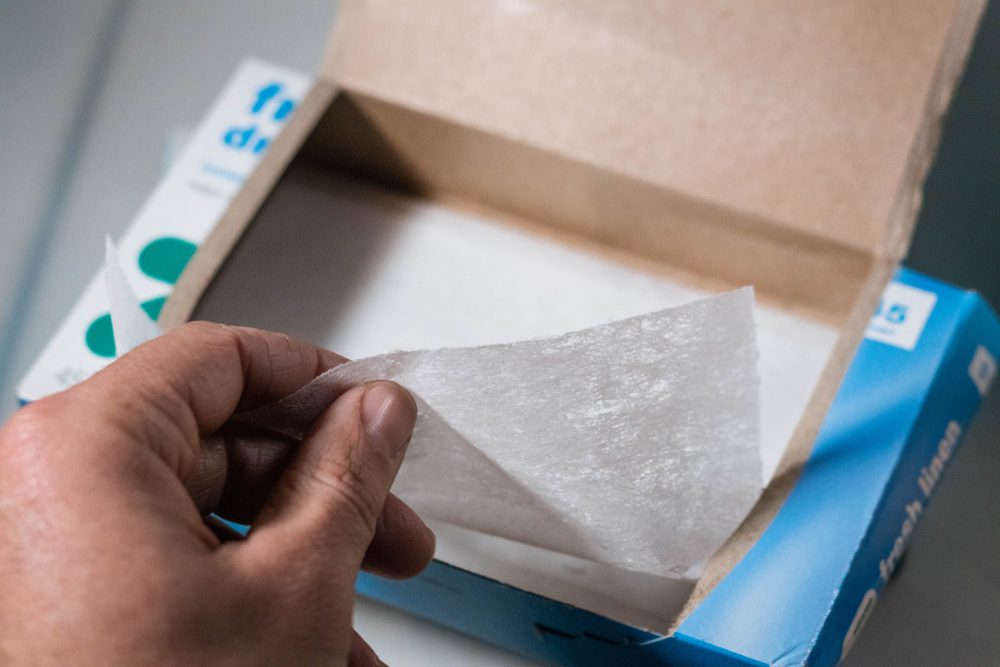
You should avoid using dryer sheets when drying microfiber cloths. Dryer sheets leave a residue that coats the fibers. This reduces their ability to pick up dirt and absorb liquids.
If you want your microfiber cloths to stay effective, hang dry them or use a low-heat setting without dryer sheets. This keeps them fresh and ready for your next cleaning task.
Cleaning stained leather with water only

Using just water to clean stained leather can make the problem worse. Water can push dirt deeper into the leather, leaving a more stubborn stain.
Leather also loses natural oils when soaked in water, which can cause it to dry out and crack over time.
Instead of water alone, gently wipe the area with a damp cloth and use a cleaner made for leather with a balanced pH. This helps protect your leather and keeps it looking good longer.
Wiping surfaces before cleaning properly
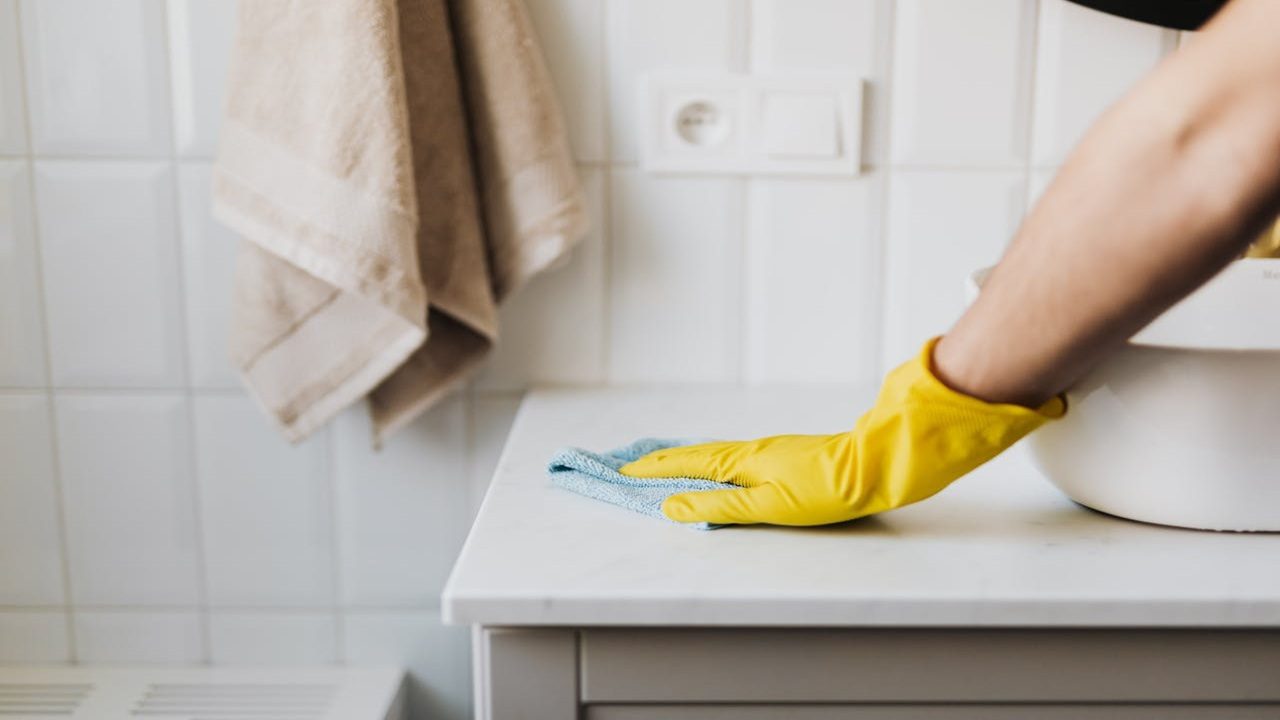
You might be wiping your valuables too soon after applying cleaner. Giving the solution time to work is important for removing dirt effectively.
If you wipe immediately, dirt and grime can remain, which may cause buildup over time. Let the cleaner sit for a minute or two before wiping.
This simple change can help protect your valuables and make cleaning more effective. Patience really pays off when it comes to preserving delicate surfaces.
Putting away wet toilet brushes

When you put a wet toilet brush back into its holder, bacteria can quickly multiply. This can lead to unpleasant odors and contamination.
To keep your bathroom cleaner, let the brush dry completely before storing it. You can place it on a rack or hang it to air out.
Regularly disinfecting your toilet brush will also help prevent germs from building up and protect your hygiene.
Using acidic cleaners on natural stone

You should avoid acidic cleaners, like vinegar or lemon juice, on natural stone. They have low pH levels that can dull the surface over time.
Acidic products can cause etching, which leaves marks and damages the stone’s shine. This damage is often permanent and hard to fix.
To keep your stone looking good, use pH-neutral cleaners made for natural stone instead. This helps preserve its beauty and finish.