Food waste is a global concern, and it’s also a drain on our household budgets. It’s estimated that the average family throws away a shocking $1,500 worth of food each year.
But with a little knowledge and a few clever hacks, you can extend the shelf life of your food, reduce wastage, and save some money. Here are 13 ingenious food storage hacks that will help you keep your groceries fresh for longer, and stretch your food budget further.
1. Utilize Your Freezer for Longevity
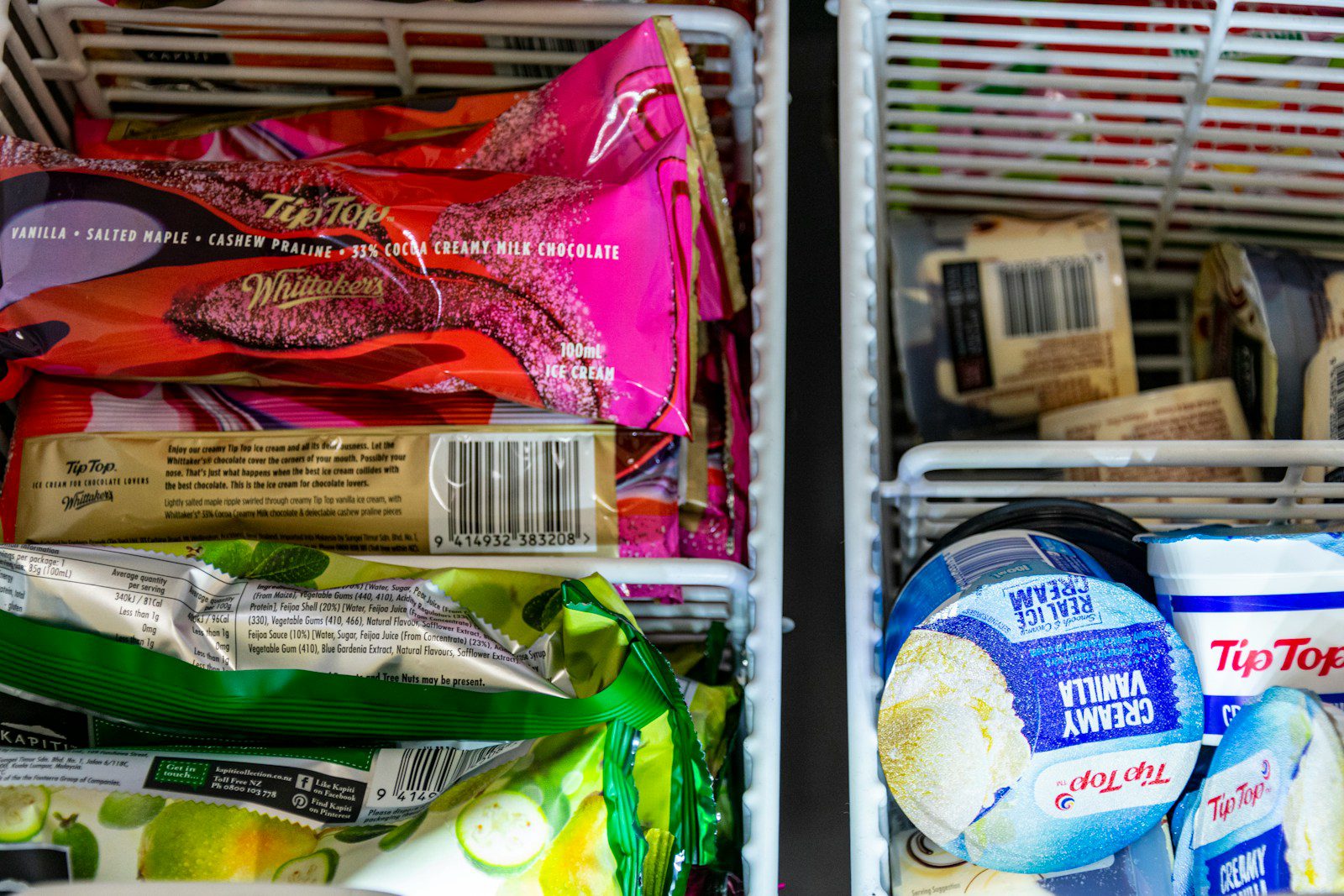
Freezing is an effective way to preserve the nutritional value of food, while also extending its shelf life. Frozen fruits and veggies can be a great addition to smoothies, while leftover meals can be turned into convenient, ready-to-eat dishes when you’re short on time. Just make sure you properly package your food to prevent freezer burn and maintain quality.
If you have a large family or enjoy bulk shopping, your freezer can be your best friend. You can freeze bread, meats, fruits, vegetables, and even dairy products like cheese and milk. Not only does this help prevent food waste, but it also allows you to take advantage of sales and buy in bulk.
2. Save with Bulk Buying and Portioning
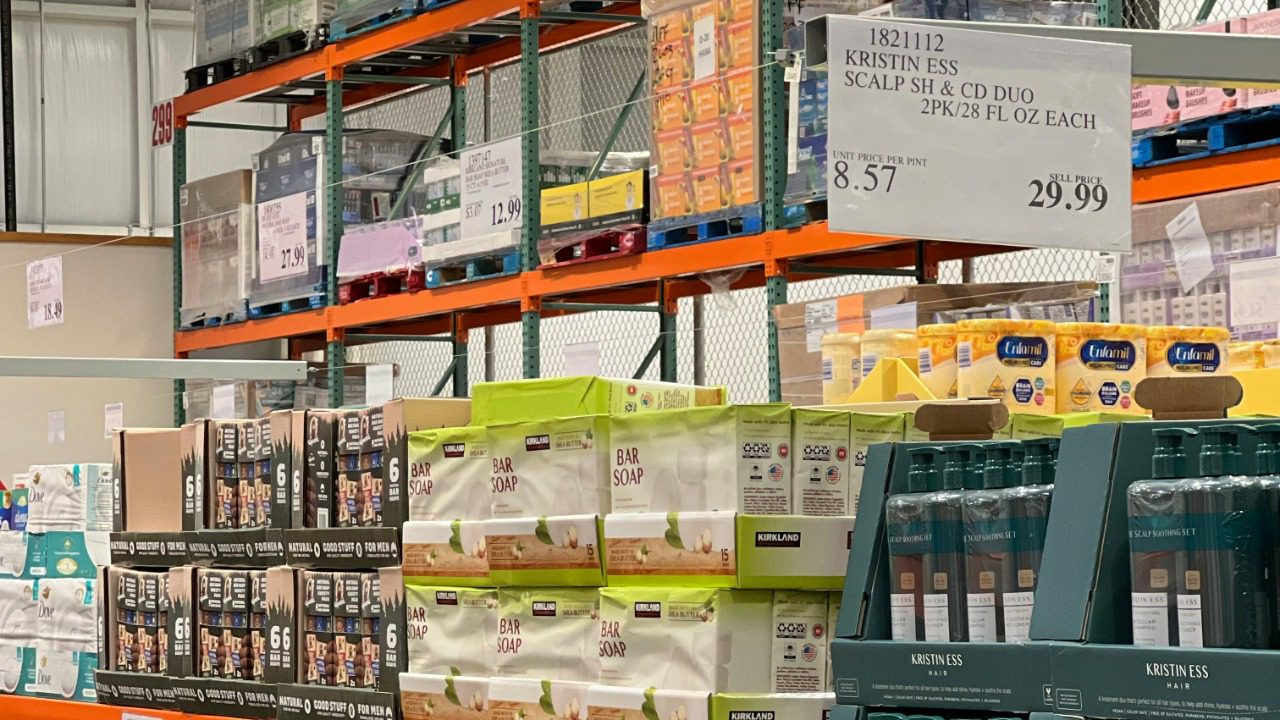
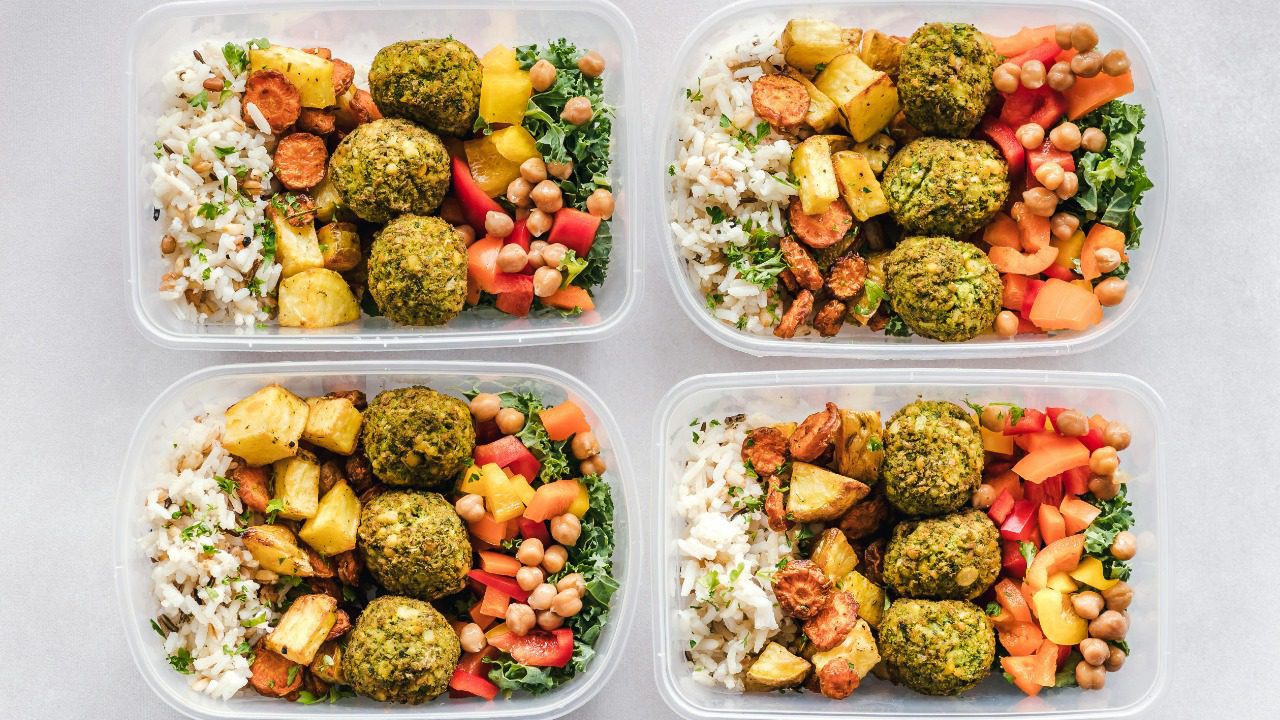
Buying in bulk is a great way to save money, but it can also lead to food waste if not managed properly. Invest in a set of good quality food storage containers and portion out your bulk purchases into manageable sizes. This way, you only use what you need, and the rest stays fresh.
Also, try to plan your meals around the bulk items you have. This way, you can ensure that nothing goes to waste. Remember, the goal is to save money, not to buy more than you can consume.
3. Reuse Glass Jars for Organized Storage
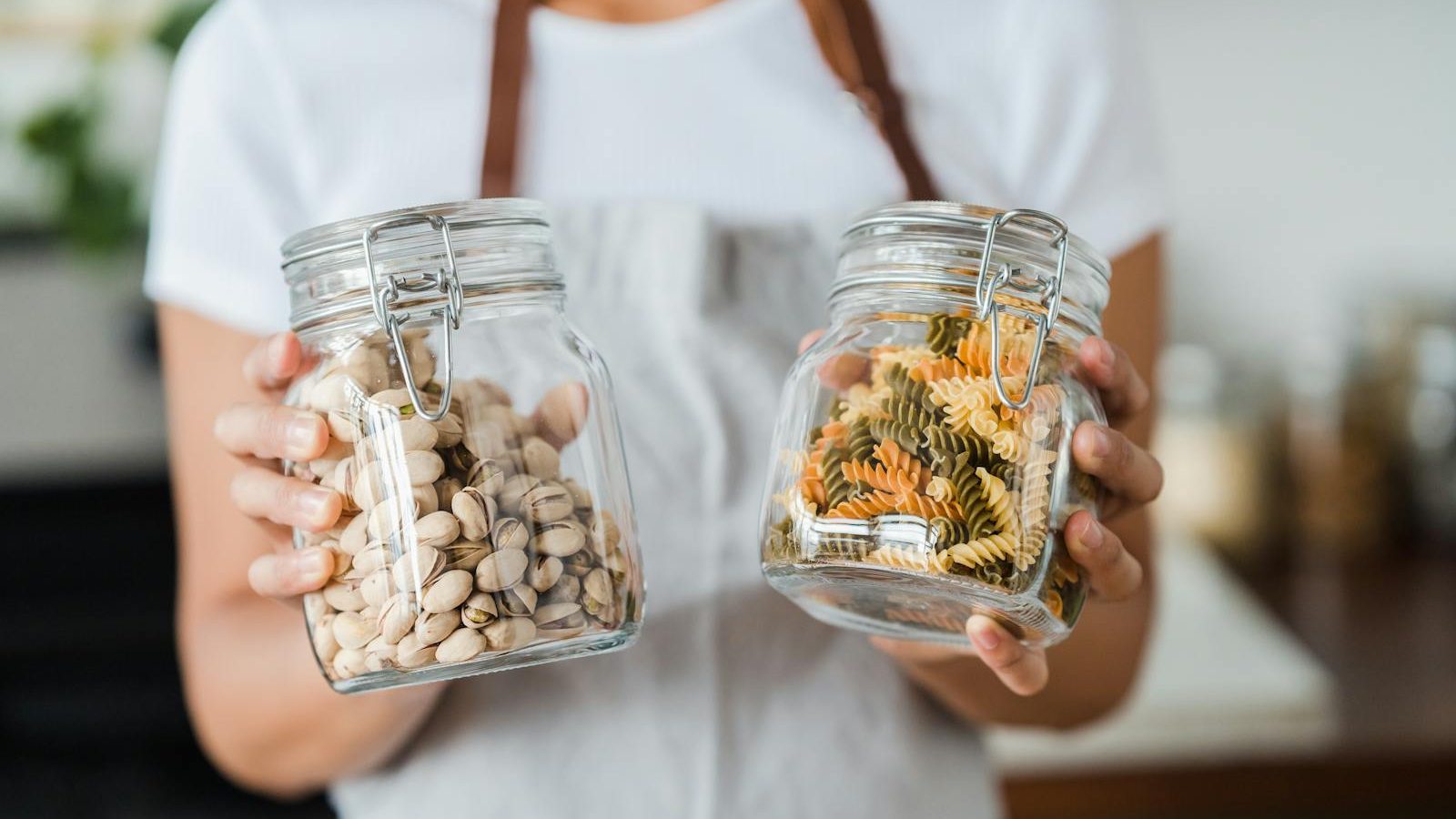
Don’t toss those glass jars after you’ve finished the jam or pickles; they can be cleaned and reused for storage. Glass jars are great for storing dry goods like rice, pasta, and beans. They’re also handy for leftovers, homemade sauces and dressings, and even for organizing small items in your pantry.
You can easily see what’s inside, and they’ll make your pantry look neat and organized. Plus, you’re doing your part for the environment by reusing and reducing waste. Take a look at these brilliant food storage tips for more inspiration.
4. Preserve Herbs in Olive Oil
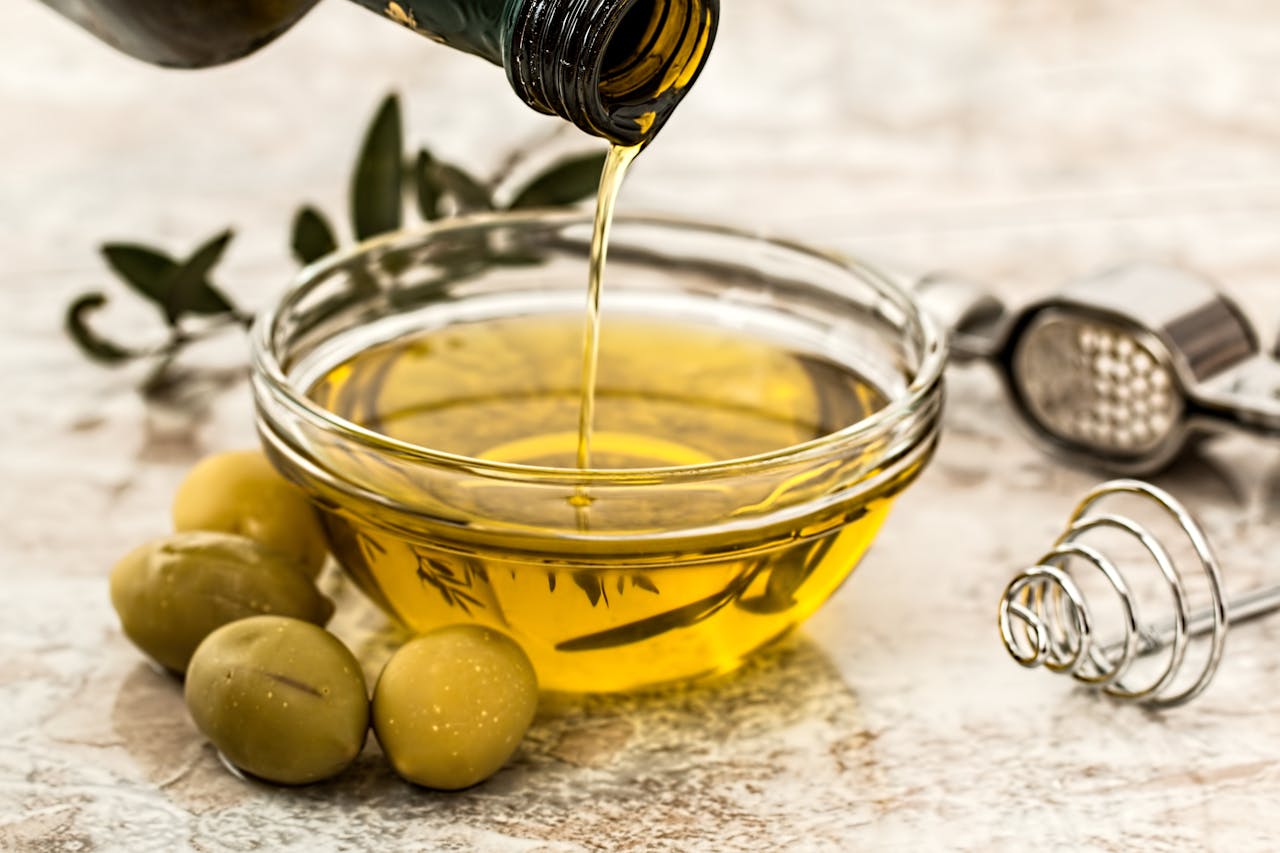
Do you buy fresh herbs only to watch them wilt before you can use them all? Try preserving them in olive oil. Just chop the herbs, place them in an ice cube tray, fill with olive oil, and freeze. Once frozen, you can transfer the cubes to a freezer bag for easy storage.
These herb-infused oil cubes are perfect for adding flavor to stir-fries, soups, and sauces. Plus, they can help you reduce food waste and save money. This is just one of the many produce-saving hacks you need to know.
5. The Art of Vacuum Sealing
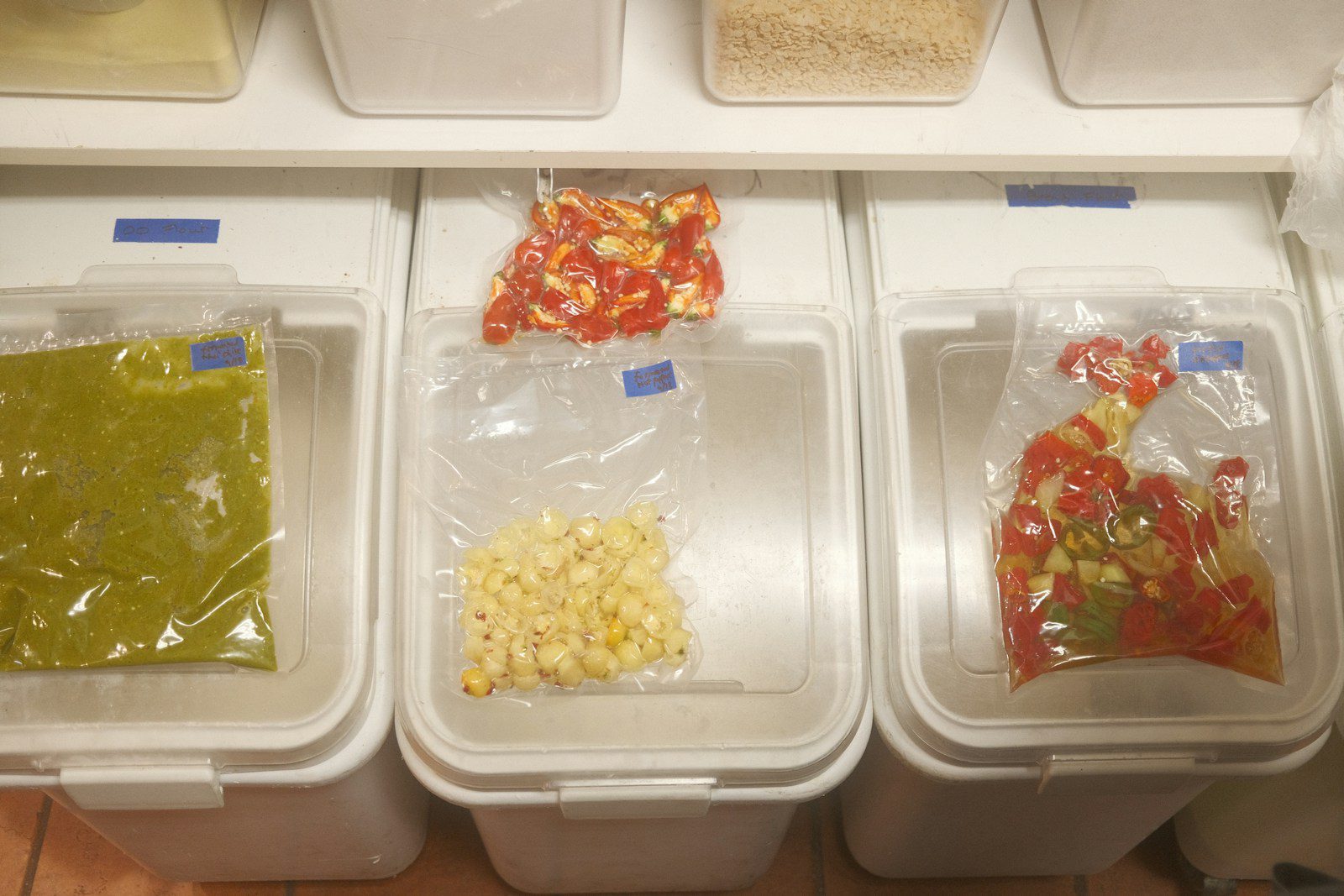
Vacuum sealing is another excellent way to extend the shelf life of your food. It works by removing air from the packaging, which slows down the growth of bacteria and other spoilage organisms. This can dramatically increase the shelf life of your food, especially for items like cheese, meat, and fish.
While vacuum sealers can be a bit of an investment upfront, they can save you a lot of money in the long run by reducing food waste. This study shows just how effective vacuum sealing can be.
6. Store Root Vegetables in a Cool, Dark Place
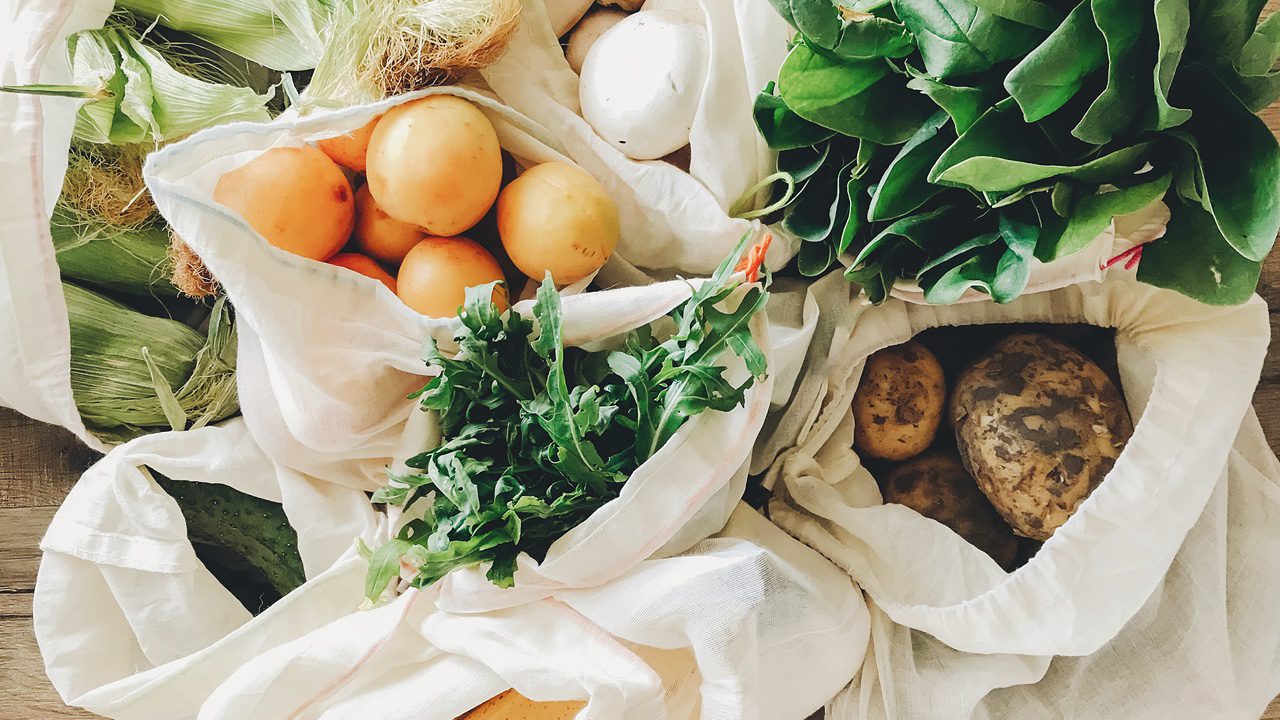
Root vegetables like potatoes, onions, and garlic prefer a cool, dark, and well-ventilated place. Storing them in these conditions can extend their shelf life and maintain their quality. However, remember not to store onions and potatoes together, as they can cause each other to spoil faster.
Consider using a basket or a dedicated storage bin for your root vegetables. These can help maintain good air circulation, which is key to preventing mold and spoilage.
7. Implement FIFO – First In, First Out

FIFO is a method used in the food industry to ensure that older stock is used before newer stock. You can implement this in your home by always placing newer items behind older ones. This ensures that nothing gets forgotten and expires at the back of your fridge or pantry.
While this may require a bit of organization and discipline, it’s a very effective way to reduce food waste and save money. Plus, it can also help maintain the quality and safety of your food.
8. Utilize Produce-Specific Storage Techniques
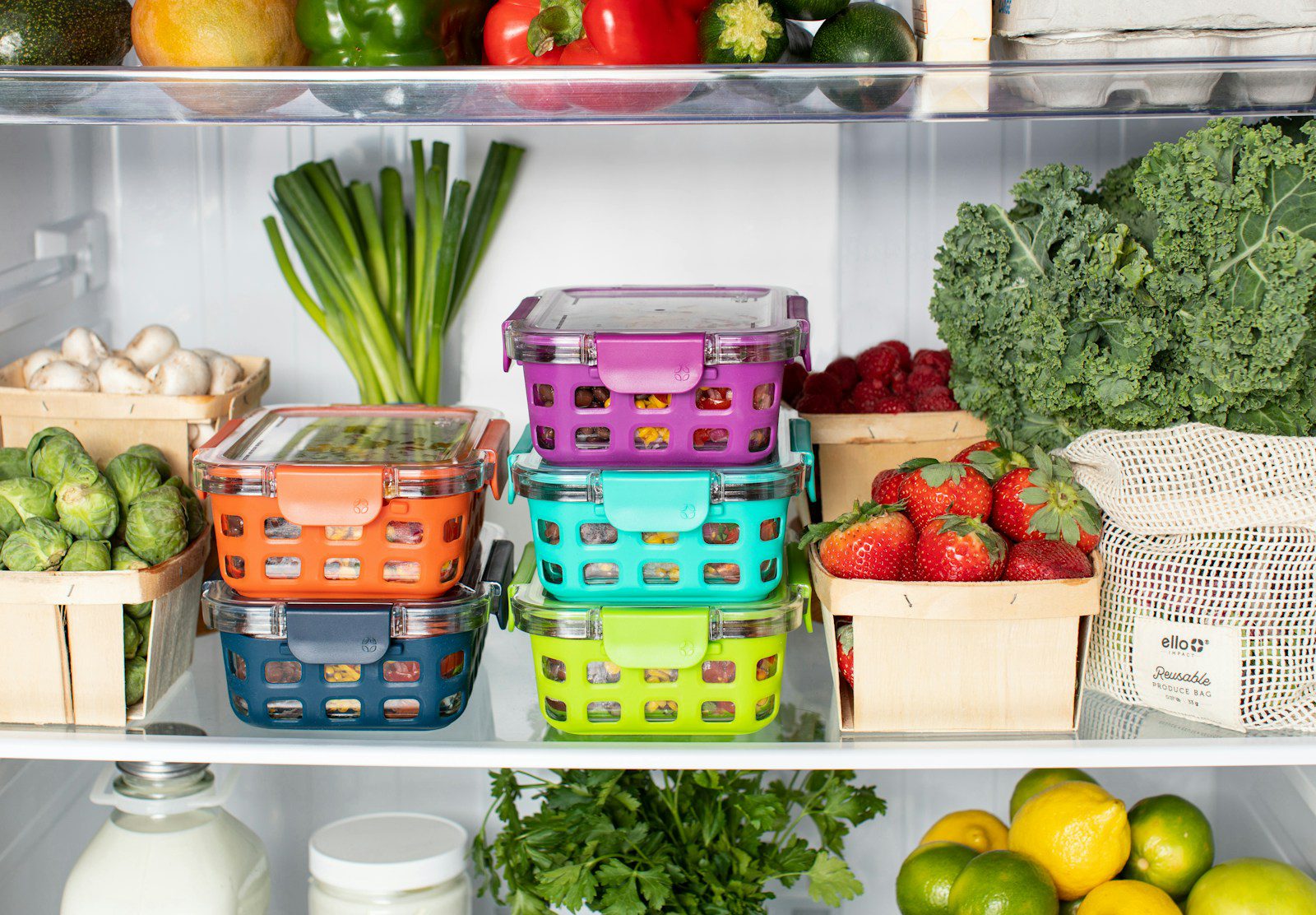
Different types of produce require different storage conditions. For instance, apples and bananas produce a gas called ethylene that can speed up the ripening of other fruits and vegetables. Therefore, they should be stored separately. Likewise, some fruits and veggies prefer the fridge, while others do better in a cool, dry place.
Understanding the specific storage needs of your produce can help extend their shelf life, reduce food waste, and save you money. Here are some produce-saving hacks to get you started.
9. Keep Your Fridge and Pantry Organized
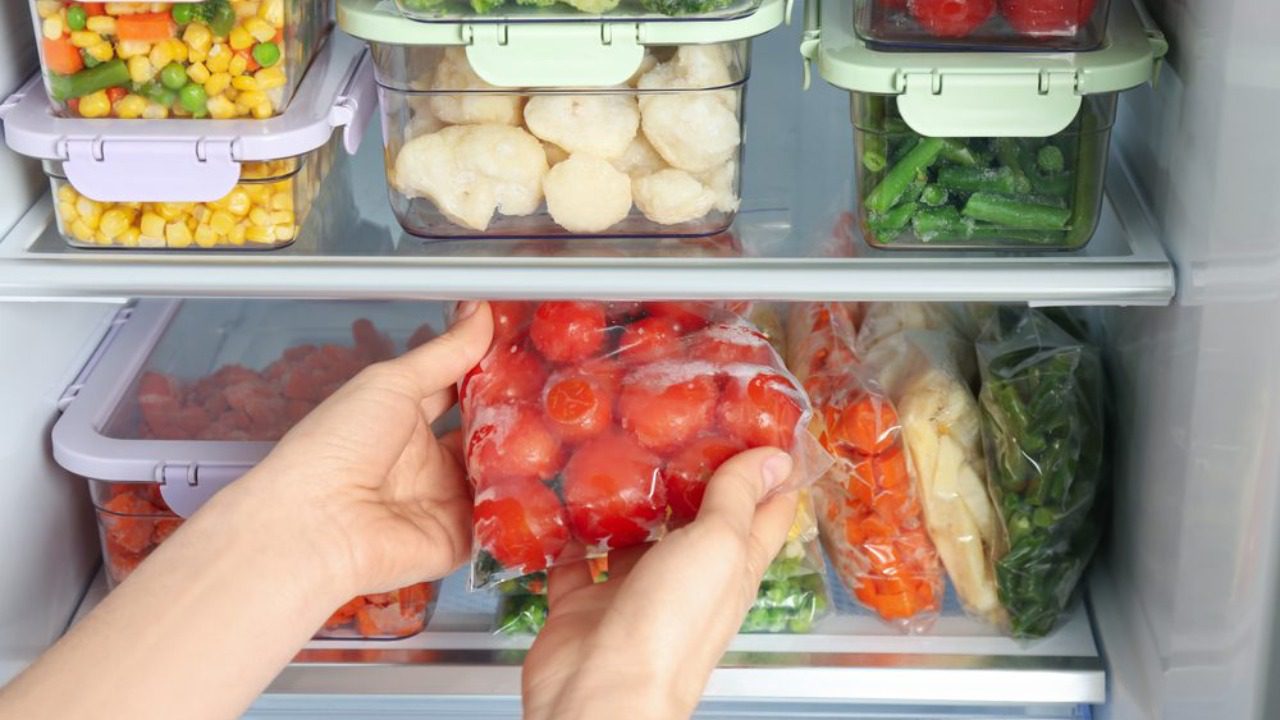
An organized fridge and pantry not only look good, but they can also help prevent food waste. By keeping things neat and tidy, you can easily see what you have and what you need to use up. This can help prevent items from getting lost in the back and expiring before you get a chance to use them.
Try to group similar items together and use clear storage containers when possible. This makes it easy to see what’s inside, and it can also help maintain the freshness of your food.
10. Freeze Leftover Sauces in Ice Cube Trays

Leftover sauces, broths, and stocks can be frozen in ice cube trays for easy use later on. Once the cubes are frozen, you can transfer them to a freezer bag for more compact storage. This is a great way to reduce waste and save money, plus it’s super convenient. You can just grab a cube or two whenever you need it.
Also, consider labeling your bags with the date and contents. This way, you can easily keep track of what you have and use it before it expires.
11. Extend the Shelf Life of Dairy Products

Dairy products like milk, cheese, and yogurt can often spoil before you get a chance to finish them. But with a few clever hacks, you can extend their shelf life. For instance, you can freeze cheese and milk, or you can store your yogurt upside down to prevent mold.
Also, remember to always keep your fridge at the right temperature. A fridge that’s too warm can cause your dairy products to spoil faster, while a fridge that’s too cold can affect their quality.
12. Invest in High-Quality Food Storage Containers
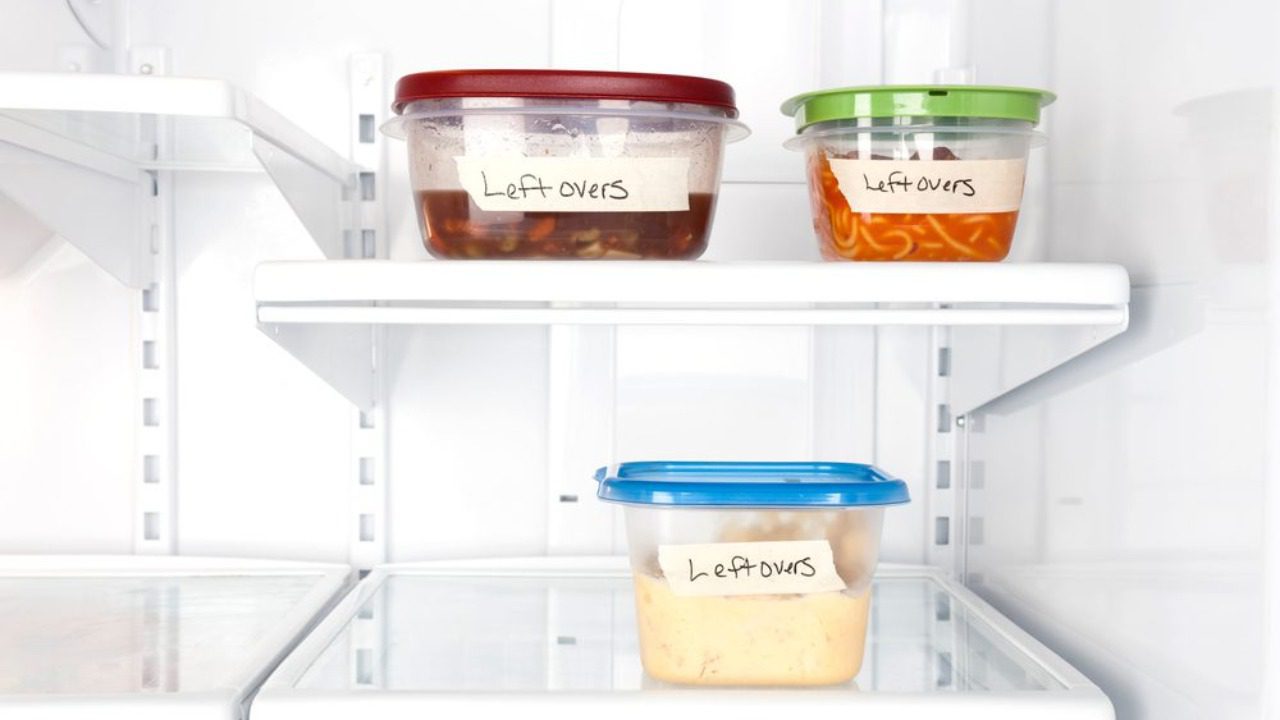
Last but certainly not least, investing in high-quality food storage containers can make a big difference in maintaining the freshness of your food and preventing waste. Look for containers that are airtight, durable, and easy to clean. Also, consider choosing clear containers so you can easily see what’s inside.
While good quality containers may cost a bit more upfront, they can save you money in the long run by helping to reduce food waste. Plus, they can help keep your fridge and pantry organized and make meal prep a breeze.