If you’re stuck in the cycle of decluttering and re-cluttering, don’t worry, you’re not alone. Many of us are guilty of making common decluttering mistakes that, instead of making our living spaces serene and orderly, only make them look worse.
These mistakes can rob us of the joy and satisfaction that comes with a well-organized space. This post aims to explore 13 of these decluttering pitfalls to help you avoid them and ultimately live a more clutter-free and tranquil life.
1. Decluttering without a plan

When you decide to declutter without a clear plan, you end up moving items from one place to another without really organizing anything. It’s easy to get overwhelmed by the amount of stuff you have and give up halfway through, leaving your house in worse shape than before.
To avoid this, start by making a detailed plan. List all the areas you want to tackle and break them down into manageable tasks. This way, you can focus on one area at a time, making it easier to see progress and stay motivated.
2. Buying storage solutions first
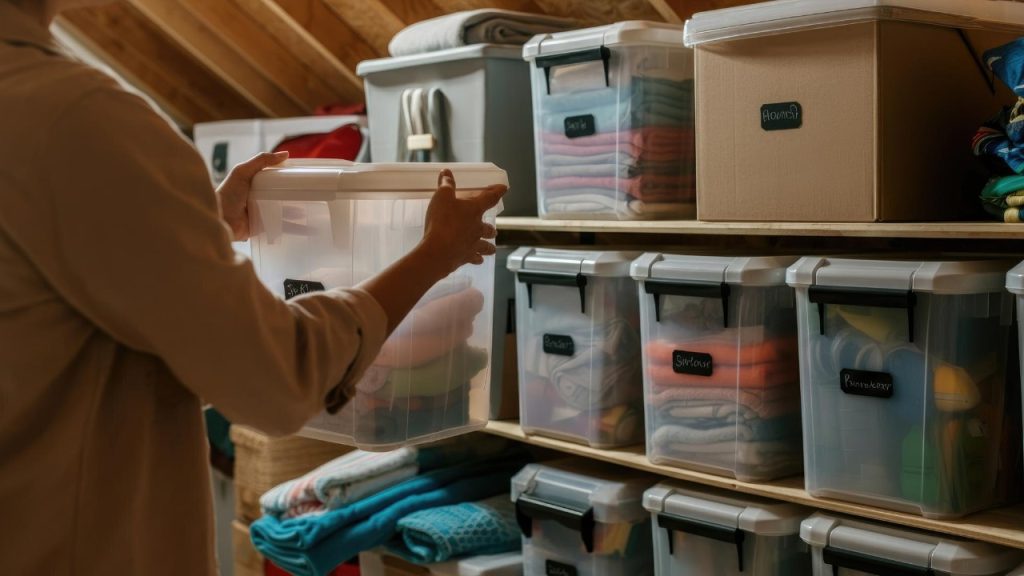
Many people make the mistake of buying storage solutions before they’ve even started decluttering. They think that more storage space will solve their clutter problems. However, this can actually make the problem worse as it encourages you to keep items you don’t need.
Instead, start by sorting through your items and getting rid of things you don’t use or need. Once you know what you’re keeping, you can then determine the best storage solutions for these items. This way, you’re not wasting money on unnecessary storage and you’re not encouraging further clutter.
3. Not getting rid of items immediately

It’s easy to create a pile of items to get rid of and then let it sit in a corner of your home for weeks or even months. This just creates more clutter and can make your house look worse.
To avoid this, set a specific day to take items to a donation center, sell them, or dispose of them properly. Make it a rule that once something is in the “to go” pile, it has to leave your house within a week. This will help you get rid of clutter faster and prevent it from piling up.
4. Holding onto items for sentimental reasons
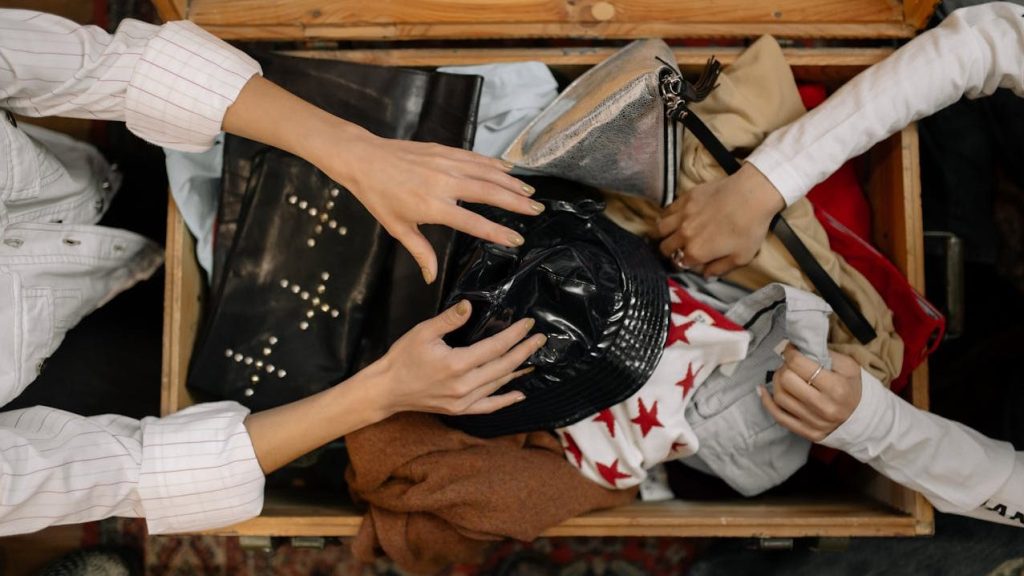
We all have items that hold sentimental value. However, holding onto every single item that reminds you of a special person or time in your life can quickly lead to clutter.
Instead of keeping every single sentimental item, choose a few that are truly special to you. Take photos of items before you get rid of them so you can still remember them without taking up physical space in your home. This way, you can keep the memories without the clutter.
5. Not considering the functionality of items
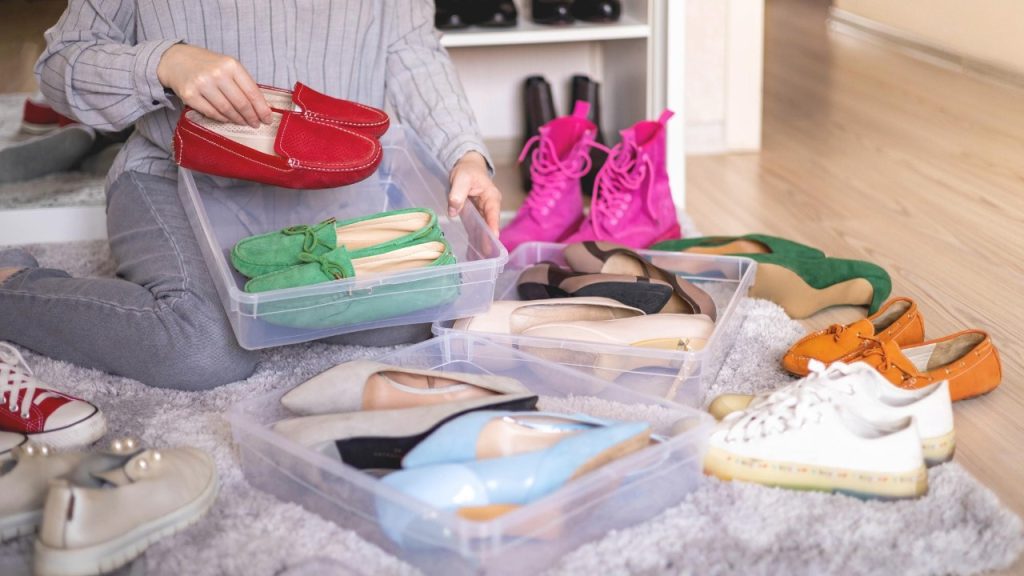
Just because an item is beautiful doesn’t mean it’s functional or necessary in your home. Many people make the mistake of keeping items because they’re attractive, even if they serve no practical purpose.
Instead, consider the functionality of items when decluttering. If an item doesn’t serve a purpose or isn’t used regularly, consider getting rid of it. This way, you’re only keeping items that are useful and necessary, reducing clutter.
6. Not setting limits
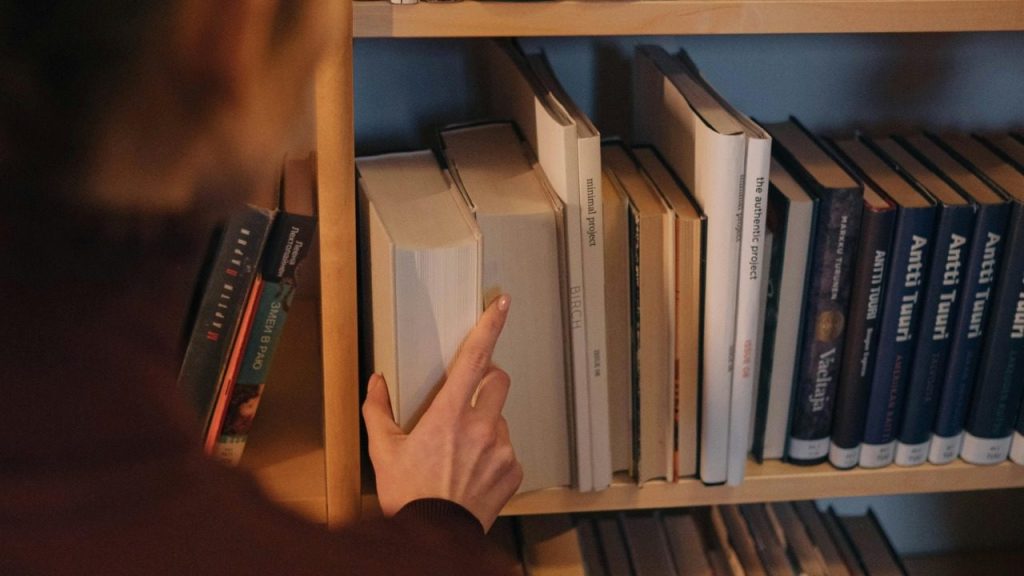
Without set limits, it’s easy to accumulate more items than your space can handle. This can quickly lead to clutter and make your house look worse.
To avoid this, set clear limits for different categories of items. For example, you might decide to only own a certain number of books, clothes, or dishes. Stick to these limits and get rid of any excess items to keep clutter at bay.
7. Not decluttering regularly
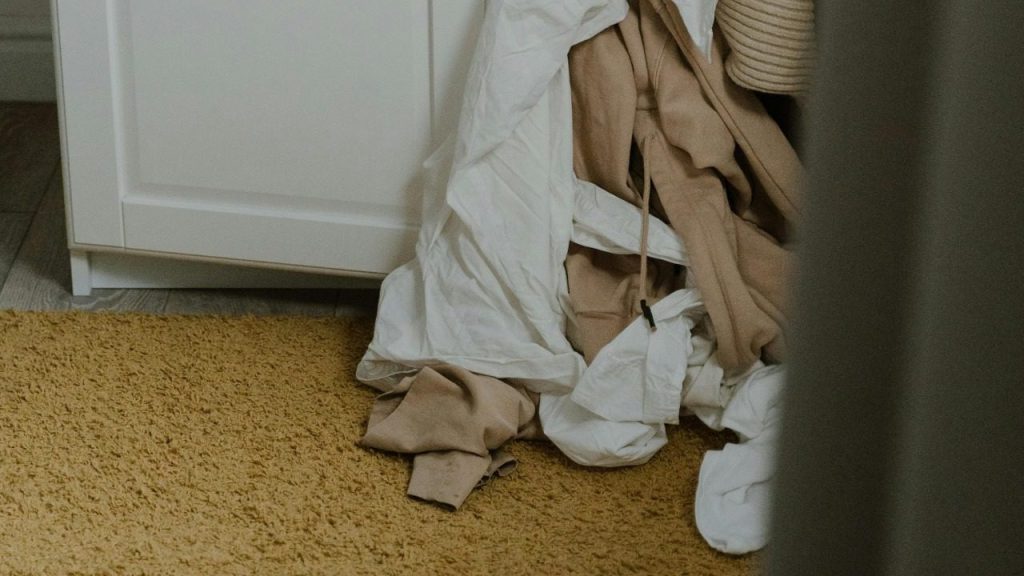
Decluttering isn’t a one-time task. If you don’t declutter regularly, items can quickly pile up and before you know it, your home is cluttered again.
To avoid this, make decluttering a regular habit. You might decide to declutter certain areas of your home every month, every season, or every year. Regular decluttering will help you keep on top of clutter and ensure your home stays organized.
8. Not involving the whole family

If you live with others, decluttering should be a group effort. If only one person is decluttering, it’s easy for clutter to accumulate in other areas of the house.
To avoid this, involve the whole family in decluttering tasks. Make it a regular activity that everyone participates in. This way, everyone takes responsibility for their own clutter and the house stays cleaner and more organized.
9. Not being honest about what you really need

It’s easy to convince ourselves that we need certain items, even if we don’t use them regularly. However, this can lead to unnecessary clutter.
To avoid this, be honest with yourself about what you really need. If you haven’t used an item in the past year, it’s probably safe to say that you can live without it. Getting rid of these unused items can make a big difference in reducing clutter.
10. Not categorizing items
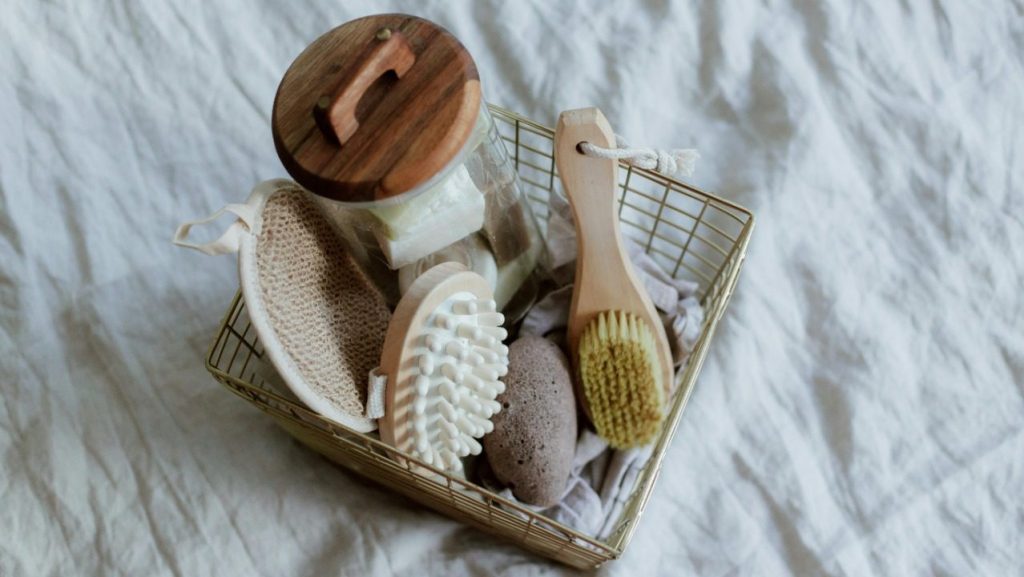
When decluttering, it’s important to categorize items. Without categories, it’s easy to get overwhelmed and give up.
To avoid this, sort items into categories. This could be by room, by type of item, or by function. Categorizing items makes it easier to see what you have and decide what to keep and what to get rid of.
11. Forgetting to declutter digital spaces

While it’s important to declutter physical spaces, don’t forget about digital spaces. A cluttered computer or phone can be just as stressful as a cluttered house.
To avoid this, regularly declutter your digital spaces. Delete unnecessary files, organize your photos, and clear your inbox. This will help you feel more organized and less overwhelmed.
12. Keeping items out of guilt
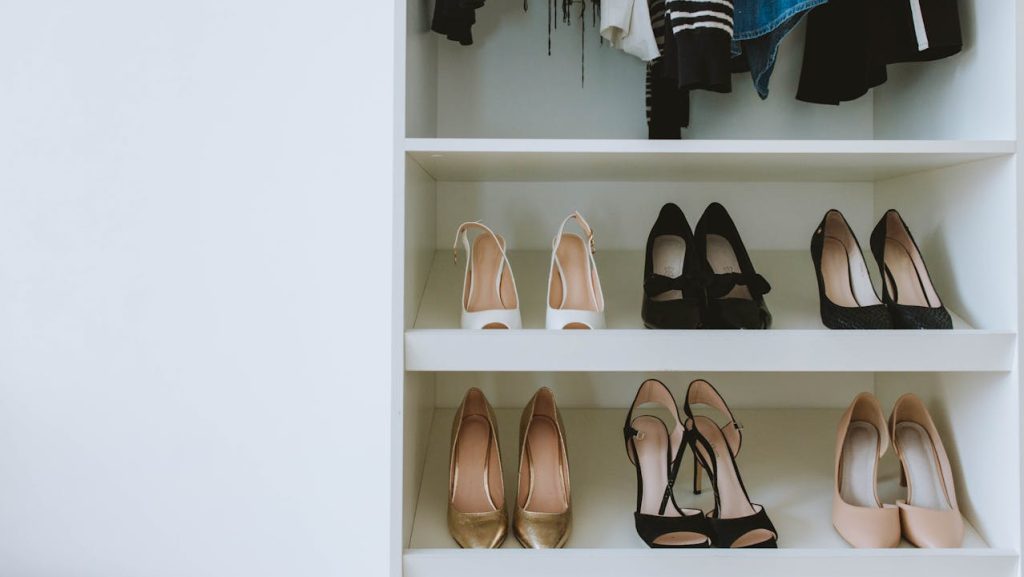
Whether it’s a gift you never use or an expensive item you regret buying, many people keep items out of guilt. However, these items just take up space and add to clutter.
To avoid this, remember that it’s okay to get rid of items, even if they were gifts or expensive. Your home should be filled with items you love and use, not items that make you feel guilty.
13. Trying to declutter in one day

Decluttering is a process. Trying to do it all in one day can be overwhelming and ineffective.
Instead, break up your decluttering tasks into manageable chunks. For example, you might declutter one room or one category of items each day. This makes the task less overwhelming and more manageable, and you’re more likely to stick with it.
By avoiding these common decluttering mistakes, you can make your decluttering efforts more effective and create a more organized, peaceful home. Remember, decluttering is a journey, not a destination. Take it one step at a time and enjoy the process.