Did you know that you might be wasting energy every day without even realizing it? This not only takes a toll on the environment, but it also inflates your utility bills.
But don’t worry, I’m here to help you identify those sneaky energy-wasting habits that could be costing you a pretty penny. Let’s dive into the 13 energy-wasting habits that could be raising your bill.
1. Leaving the Lights On in Unoccupied Rooms

We’ve all done it before – left a room without turning off the light. It might seem insignificant, but this little oversight can add up over time. Lightbulbs consume energy and the more they’re in use, the more energy they consume. So next time you’re exiting a room, make sure you flip the switch!
2. Overusing the Air Conditioner or Heater
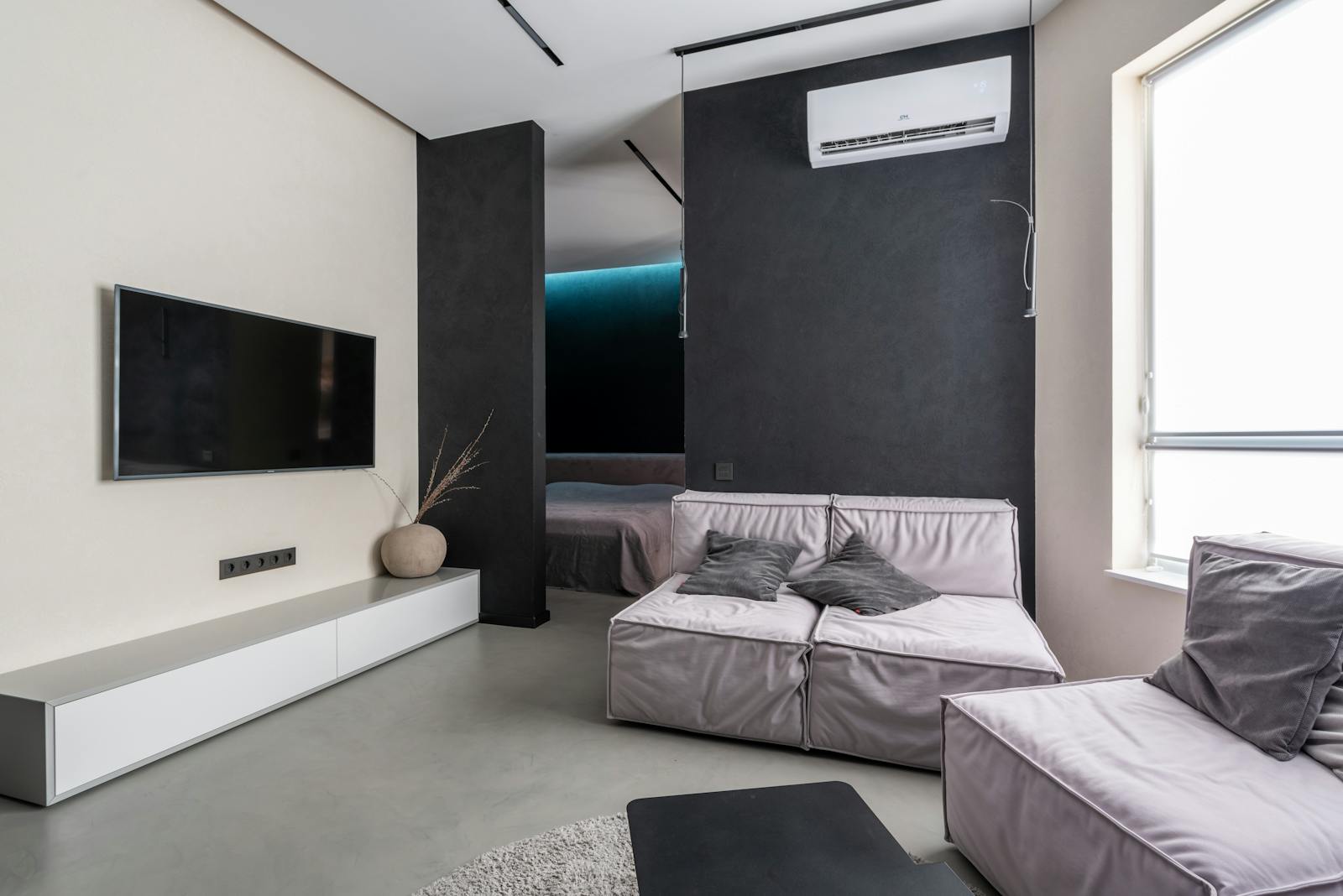
It’s so tempting to crank up the AC or heater when we’re feeling uncomfortable, but this habit can lead to energy waste. Instead of reaching for the thermostat, why not try adjusting your clothing or using a fan or blanket first? This blog post offers some great tips on how to save energy in this way.
3. Ignoring Leaky Faucets and Pipes
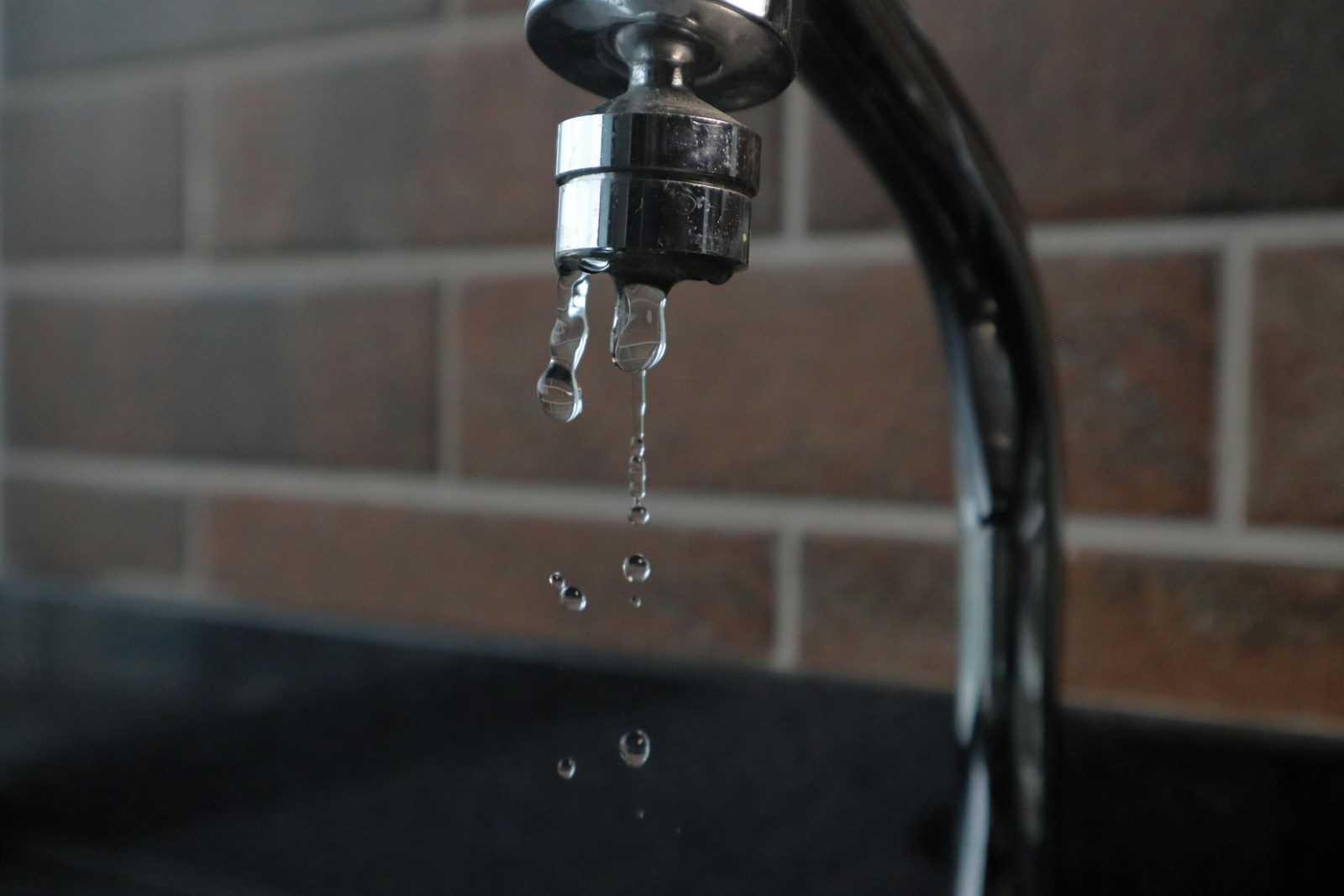
Those annoying drips are not just a nuisance, they’re also a waste of energy. Hot water takes energy to heat, so when it’s wasted through leaks, you’re essentially throwing money down the drain. Make sure to fix any leaks as soon as you notice them.
4. Overloading the Washing Machine or Dishwasher
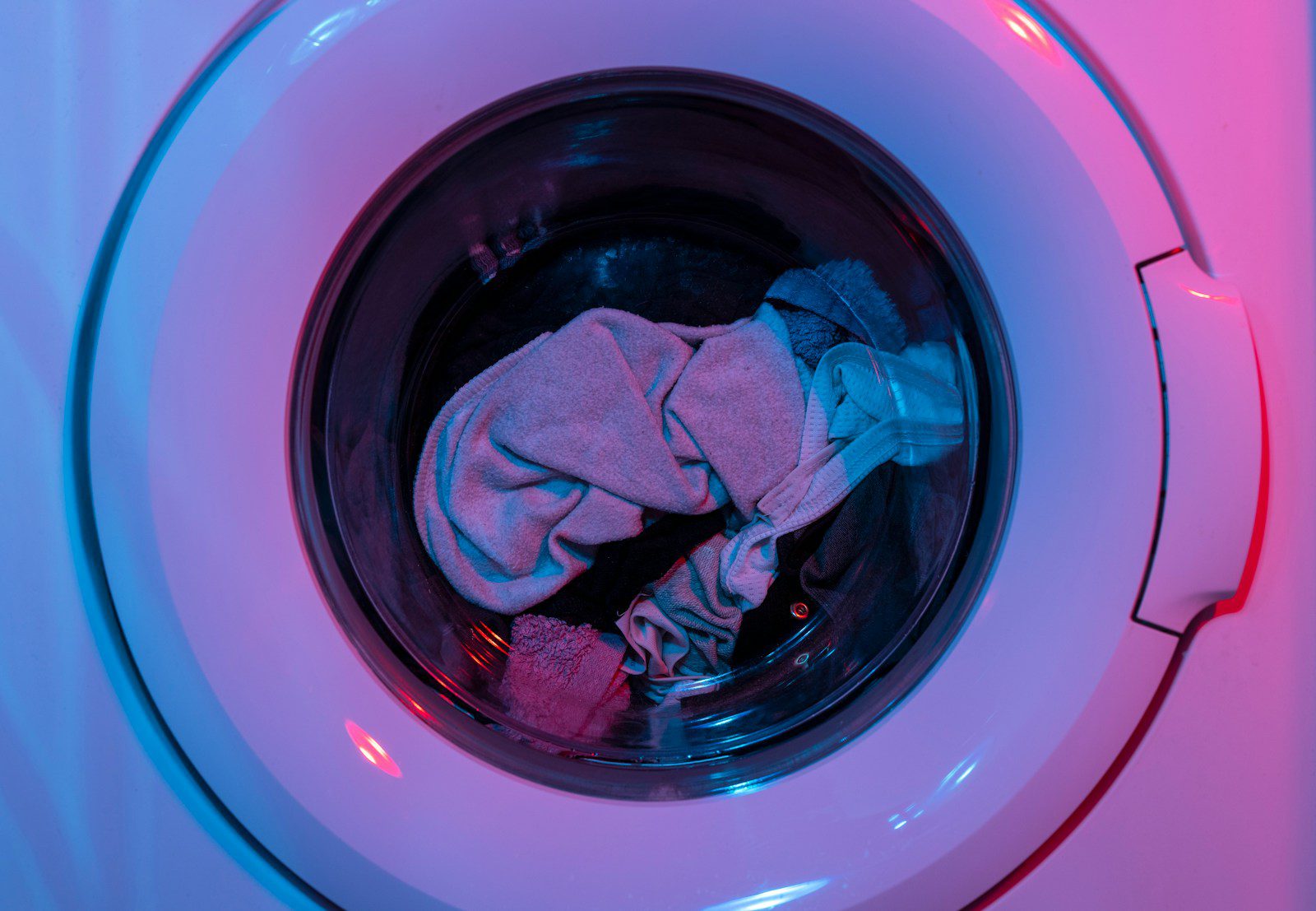
It might seem like a good idea to stuff as many dishes or clothes into each load as possible, but this can actually lead to wasted energy. Appliances need to work harder when they’re overloaded, which uses more power. Try to load your appliances efficiently to save energy.
5. Keeping Electronics Plugged in When Not in Use

Even when they’re switched off, electronics can still draw power if they’re plugged in. This is known as ‘phantom power’ and it can account for a significant portion of your energy bill. Unplug your devices when they’re not in use or consider using a power strip with a switch to easily cut off power to multiple devices at once.
6. Frequent Opening and Closing of the Refrigerator

Every time you open the fridge, you’re letting out cold air and forcing the appliance to work harder to cool down again. Try to minimize the number of times you open the fridge by planning what you need before opening the door.
7. Using Incandescent Light Bulbs Instead of Energy-Efficient LEDs
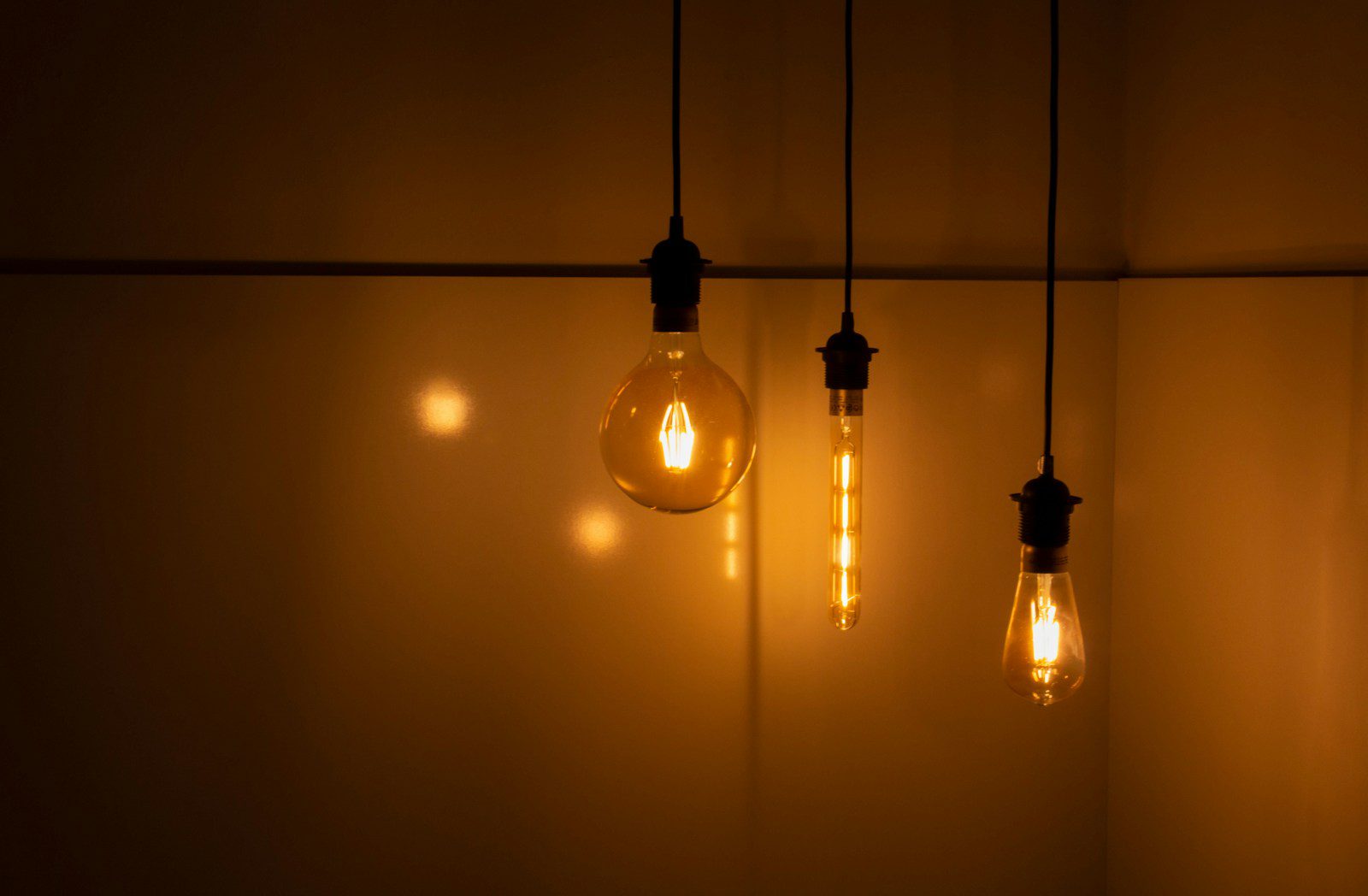
Incandescent light bulbs use more energy and have a shorter lifespan than LEDs. Switching to LEDs can save you money on both energy and bulb replacements. Plus, they’re better for the environment!
8. Taking Long, Hot Showers Instead of Quick, Warm Ones
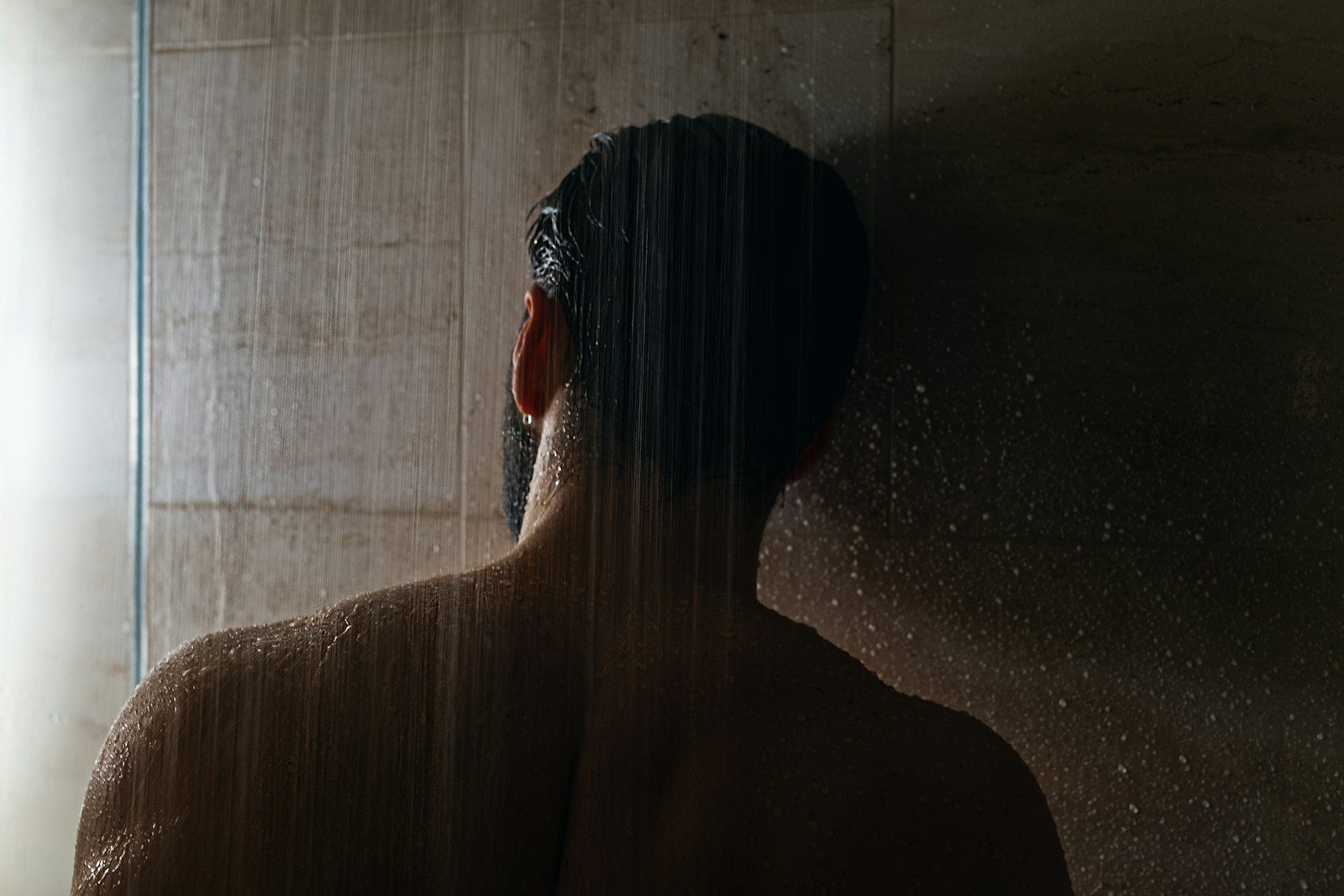
There’s nothing like a hot, long shower to relax after a hard day. But did you know that this is one of the top ways we waste energy at home? Opt for shorter, warm showers and you’ll see a decrease in your energy bill.
9. Using Old, Inefficient Appliances
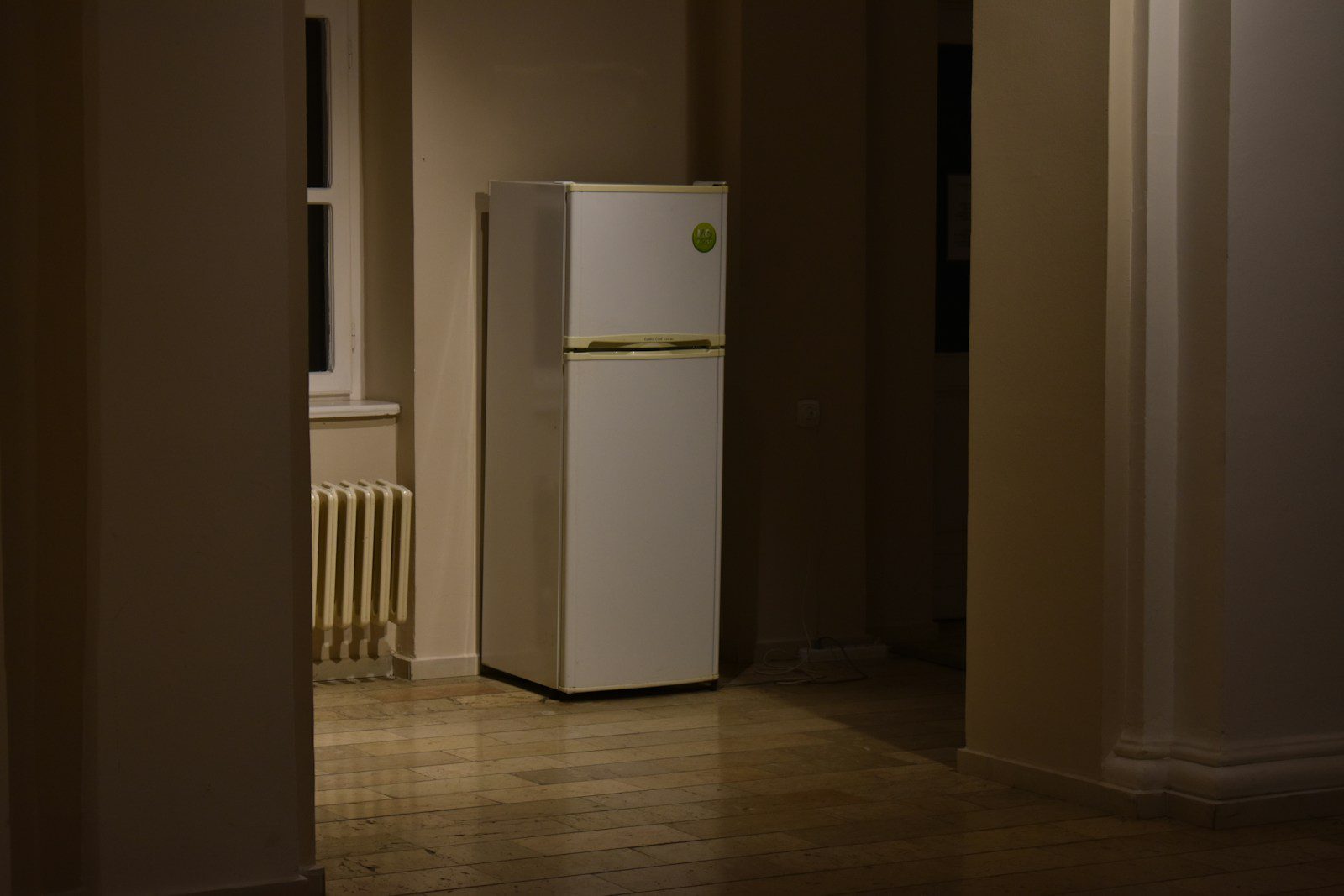
Old appliances are often far less efficient than their modern counterparts. If you’re holding onto an old fridge or washing machine because it still works, you might want to consider the energy savings a new model could bring. Check out this book for more information on the energy efficiency of modern appliances.
10. Keeping the Water Heater at a High Temperature
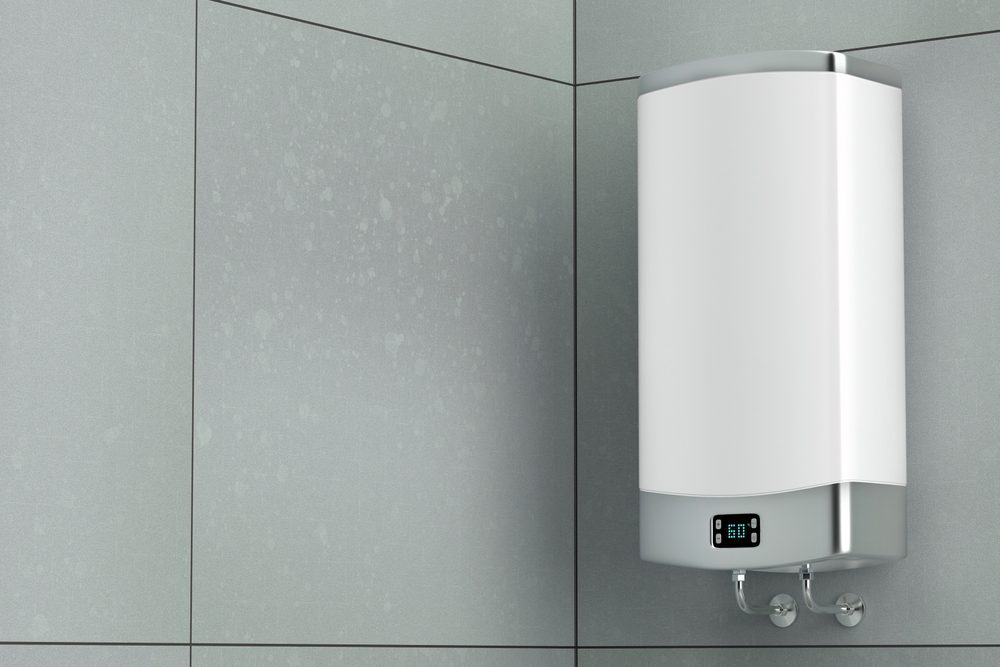
Keeping your water heater at a high temperature uses more energy than necessary. Lowering the temperature to a comfortable level will not only save energy but also prevent accidental scalds.
11. Not Using Energy Saving Settings on Devices and Appliances

Many devices and appliances come with energy-saving settings, but we often forget to use them. Check your user manuals or do a quick Google search to find out how to activate these settings on your devices.
12. Leaving the Windows Open While the Heating or Cooling System is Running

This is a big no-no. When you leave windows open, you’re letting out the air that your heating or cooling system has worked hard to condition. Close your windows to keep the conditioned air inside.
13. Using the Oven for Small Meals Instead of a Toaster Oven or Microwave
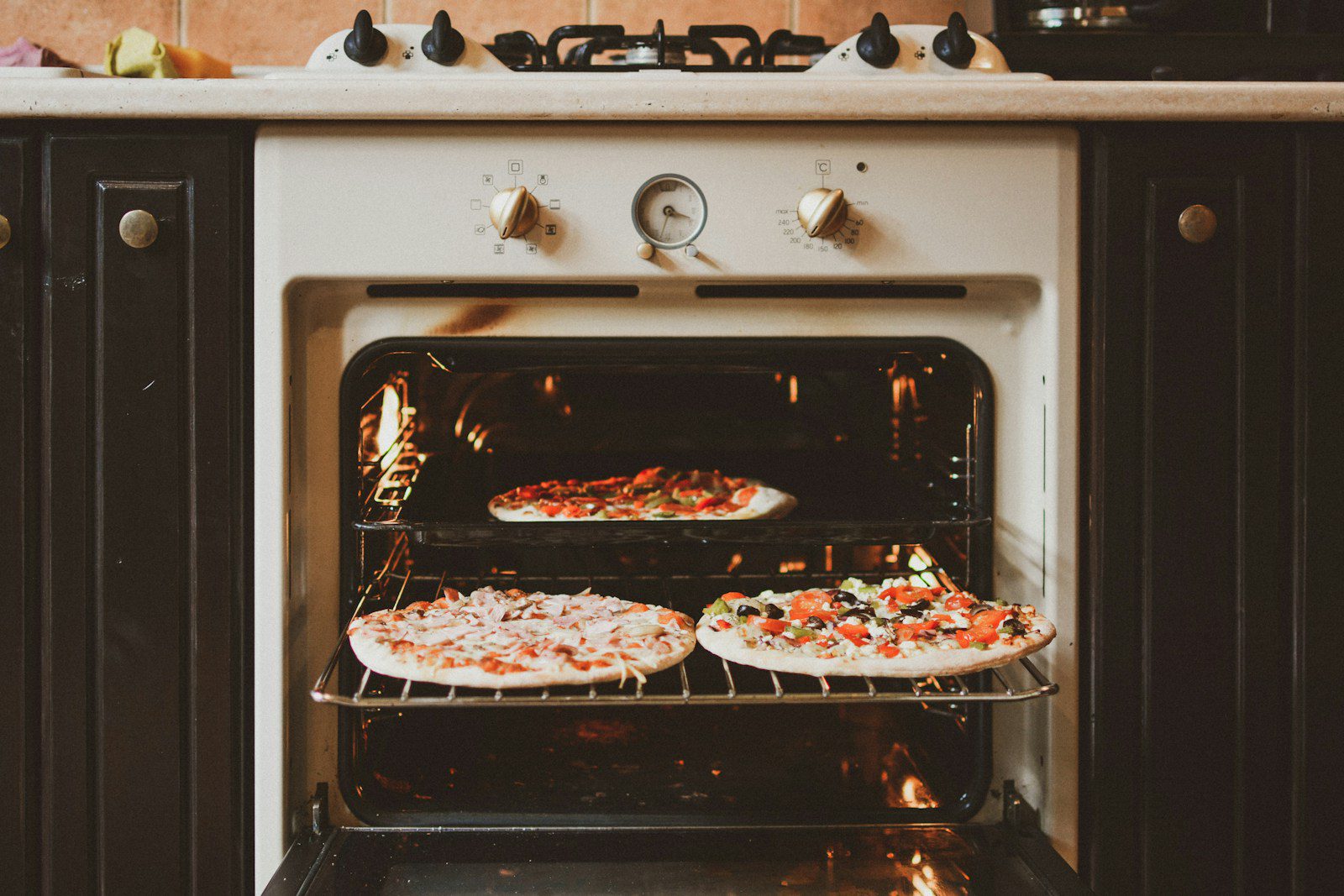
Lastly, using a big oven to cook small meals is a waste of energy. Smaller appliances like toaster ovens or microwaves use less energy and are perfect for smaller meals or reheating leftovers. Plus, they don’t heat up your kitchen like a big oven can, which can save you on cooling costs in the summer.
Breaking these energy-wasting habits can take a bit of effort, but the financial savings and environmental benefits are well worth it. Start small, perhaps by changing out your light bulbs or fixing that leaky faucet, and soon you’ll be on your way to a more energy-efficient lifestyle.
Before you go — if this inspired you, check out these readers-loved favorites: